Information
Landmark: Juma MosqueCity: Quba
Country: Azerbaijan
Continent: Asia
Juma Mosque, Quba, Azerbaijan, Asia
Juma Mosque is a historical religious structure located in the city of Quba, Azerbaijan.
This mosque serves as a significant example of religious architecture in the region.
Visual Characteristics
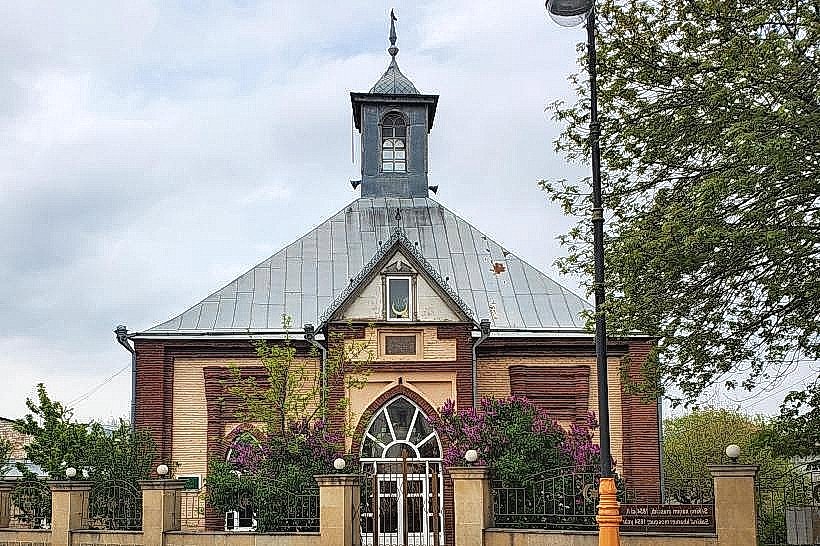
The mosque is constructed primarily from local light-colored stone, giving it a uniform appearance. It features a single, central dome that caps the main prayer hall. The exterior walls are largely unadorned, emphasizing the structural form. The minaret, a slender tower, rises from the roofline on one side of the building.
Location & Access Logistics
Juma Mosque is situated in the central district of Quba. It is approximately 1.5 kilometers from the main Quba city center. Access is via local roads, with street parking available in the vicinity, though capacity is limited. Public transport within Quba typically involves local bus routes that pass through the city center; specific routes to the mosque's immediate vicinity are not designated, requiring a short walk from main thoroughfares.
Historical & Ecological Origin
The construction of Juma Mosque dates back to the 18th century, with specific completion around 1742. It was commissioned during the rule of Quba Khanate. The mosque was built to serve as a primary place of worship for the local Muslim population.
Key Highlights & Activities
Visitors can observe the mosque's architectural design. Entry to the prayer hall is permitted outside of scheduled prayer times. Photography of the exterior is allowed. The surrounding area offers a view of traditional Quba urban planning.
Infrastructure & Amenities
Restrooms are available within the mosque complex. Limited shaded areas are present in the courtyard. Cell phone signal (4G/5G) is generally consistent in this urban area. No on-site food vendors are present; however, commercial establishments are located within a 500-meter radius.
Best Time to Visit
For optimal lighting conditions for photography, early morning or late afternoon provides softer light on the stone facade. The months of April through October generally offer the most stable weather conditions, with lower precipitation. Visiting outside of Friday prayer times (midday) is recommended to avoid crowds.
Facts & Legends
A local account suggests that the stone used for the mosque was quarried from a specific hillside north of Quba, transported by oxen. The mosque has historically been a focal point for community gatherings during religious festivals.
Nearby Landmarks
- Palace of the Quba Khans (0.8km West)
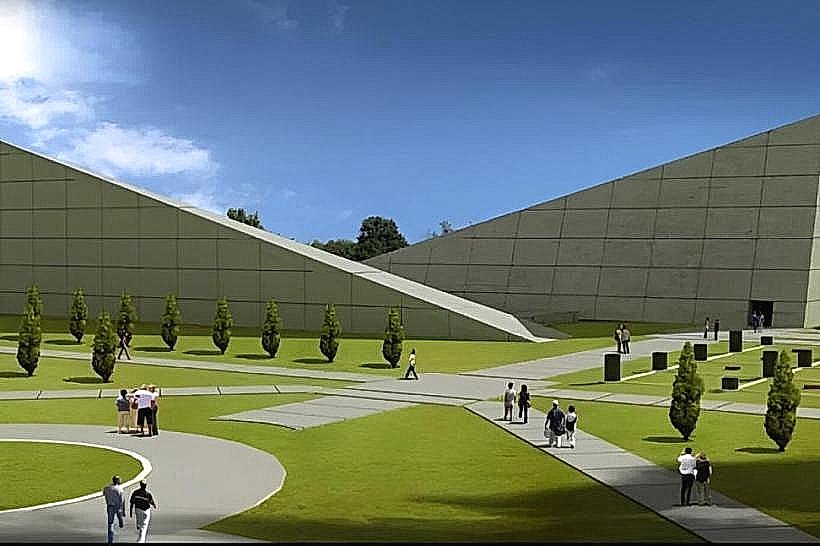
- Quba Genocide Memorial Complex (1.2km North)
- Quba Carpet Museum (0.9km Southwest)
- Quba Central Market (1.0km South)