Information
City: GenevaCountry: Switzerland
Continent: Europe
Geneva, Switzerland, Europe
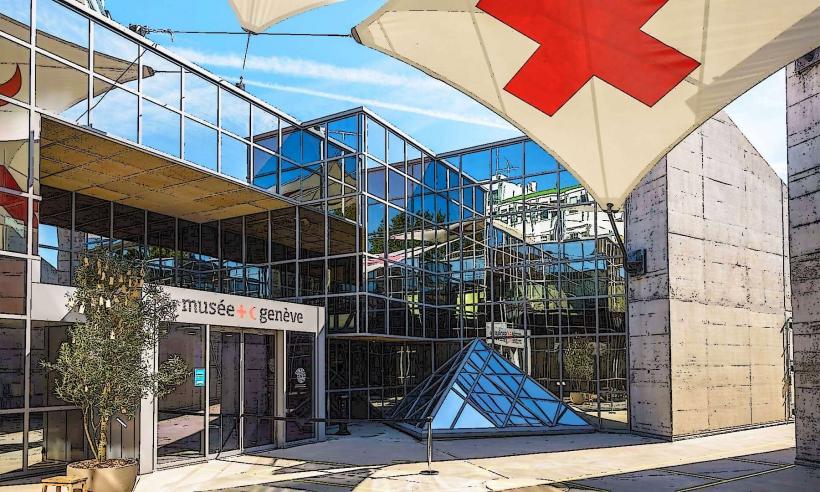
Geneva functions as the global center for diplomacy and international cooperation. Situated at the southwestern tip of Lake Geneva (Lac Léman) near the French border, it serves as the worldwide headquarters for the United Nations (UN) and the International Committee of the Red Cross (ICRC). It is a primary hub for private banking, luxury watchmaking, and high-energy physics research.
Historical Timeline
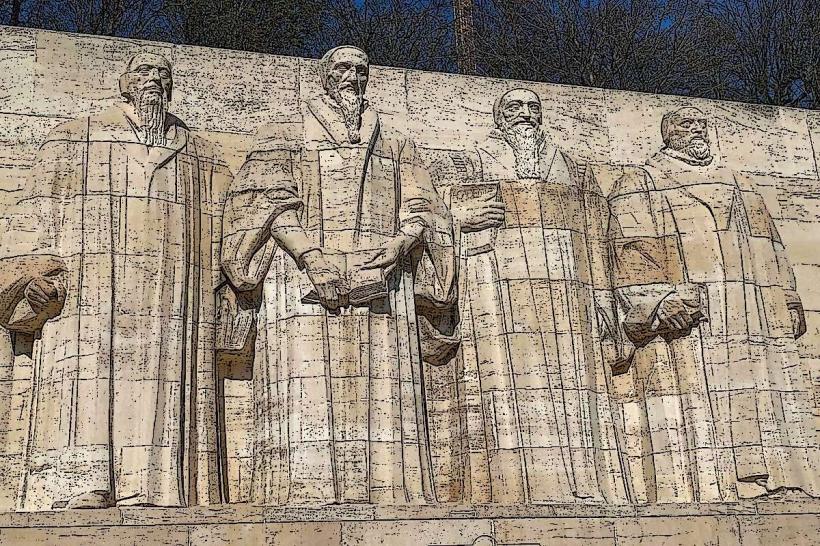
Geneva originated as a fortified Allobrogian settlement. The primary era of governance was established in the 16th century when the city became the "Protestant Rome" under the leadership of John Calvin. The primary event shaping its modern international status was the 1864 signing of the first Geneva Convention, followed by its selection as the seat of the League of Nations in 1919.
Demographics & Population
The population is approximately 204,000, with over 1 million in the greater metropolitan area (including neighboring France). The demographic is hyper-international; 48% of residents are non-Swiss nationals, representing over 180 countries. French is the official language. The median age is 40.1 years.
Urban Layout & Key Districts
The city is divided by the Rhône River where it exits the lake.
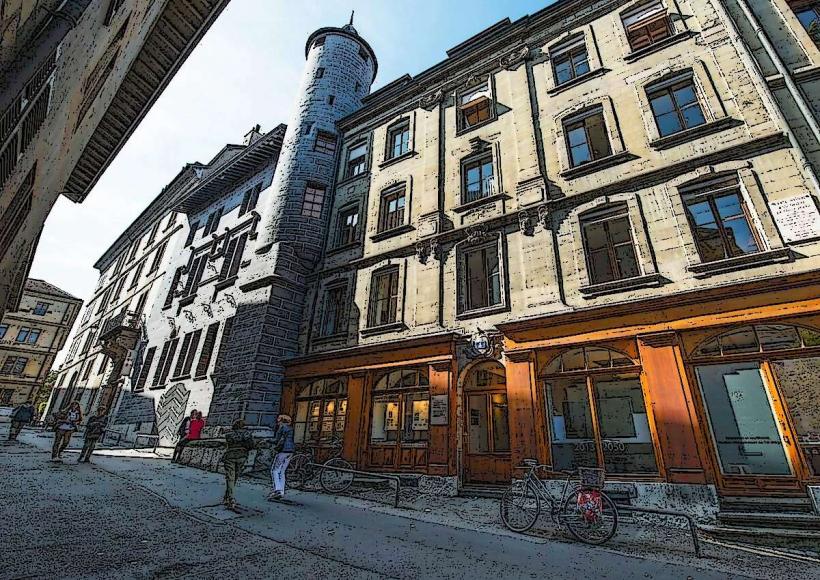
Cité (Old Town): An elevated historic district featuring the cathedral and narrow cobblestone streets.
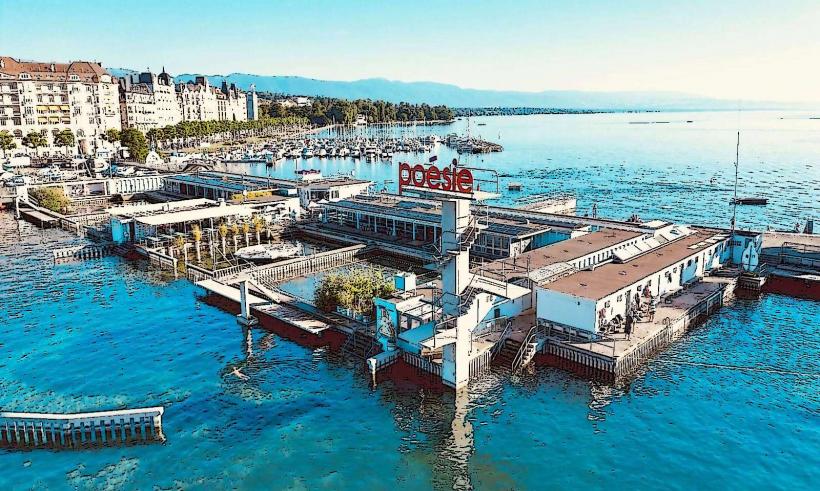
Les Pâquis: A specialized multicultural district known for its diverse culinary scene and proximity to the lakefront.
Plainpalais: A specialized district housing the university and a massive diamond-shaped plaza used for markets and circuses.
Quartier des Nations: The northwestern sector housing the majority of international organizations.
Carouge: An autonomous-style "Mediterranean" town south of the center, designed by Italian architects.
Top City Landmarks
Jet d'Eau: A 140-meter-high water fountain and the city’s primary visual symbol.
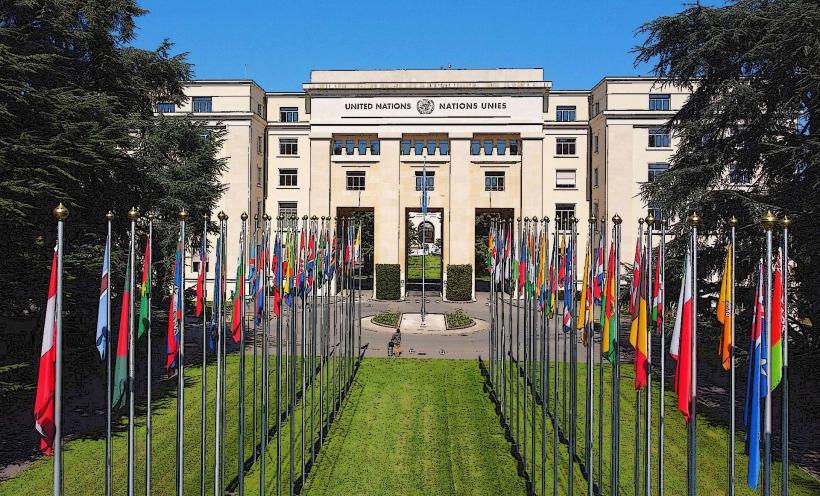
Palais des Nations: The European headquarters of the United Nations.
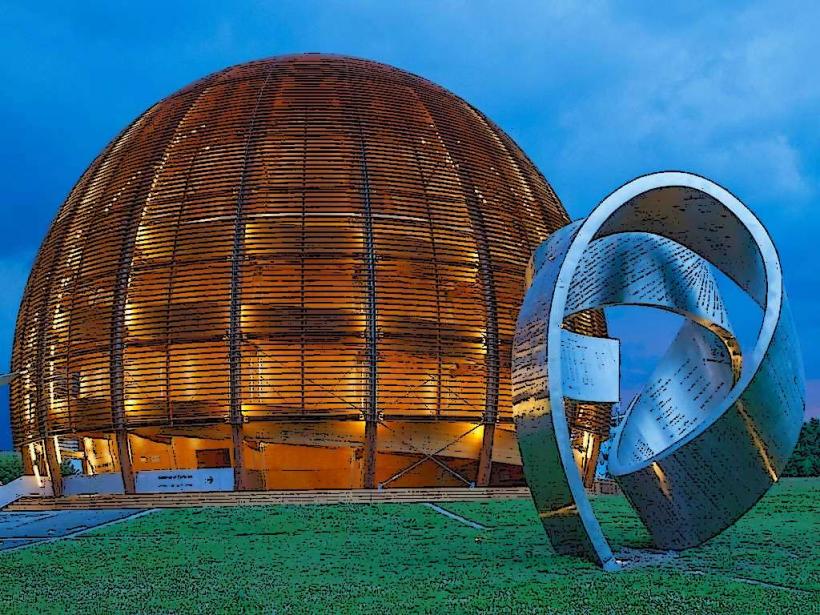
Cern: The European Organization for Nuclear Research, located on the city’s western edge; home to the Large Hadron Collider.
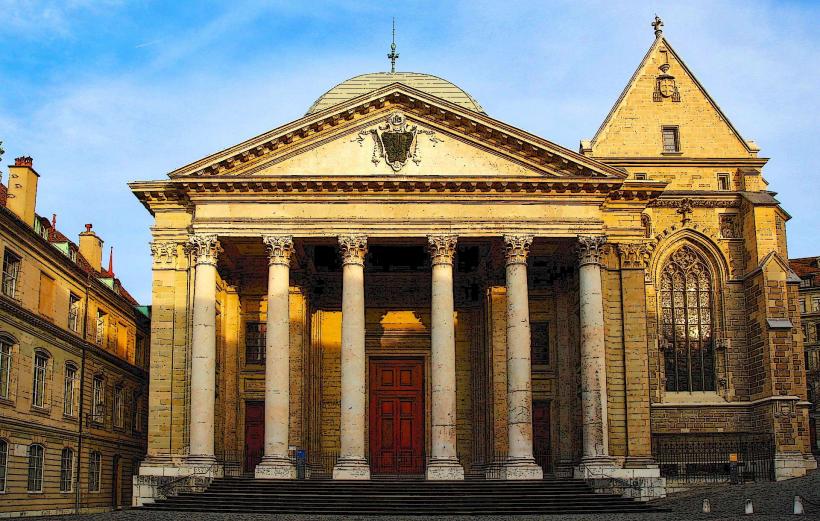
St. Pierre Cathedral: A 12th-century cathedral offering panoramic views of the Alps and the lake.
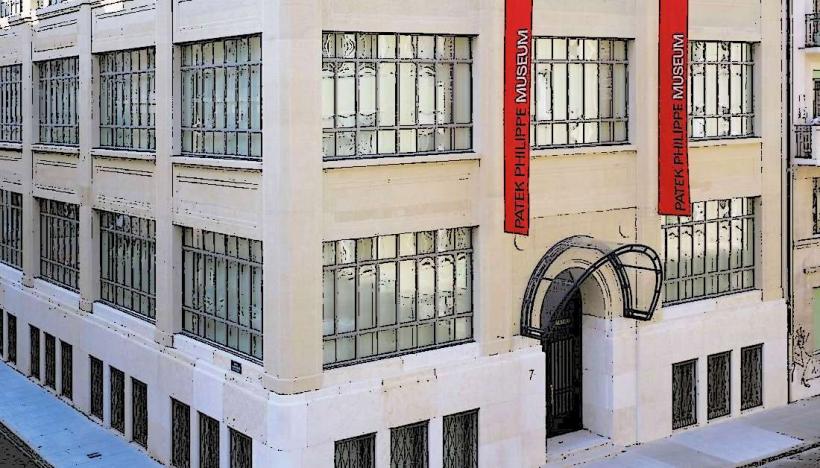
Patek Philippe Museum: A specialized museum detailing five centuries of horological history and Swiss watchmaking precision.
Transportation Network
Movement is managed by Unireso (TPG), covering trams, buses, and yellow lake taxis (Mouettes).
Geneva Cornavin: The central railway station connecting to the Swiss Federal Railways (SBB) and the French TGV network.
Léman Express: A high-frequency cross-border rail network connecting Geneva to neighboring French departments.
Geneva Airport (GVA): Located 4 km from the center, serving as a major hub for EasyJet and Swiss International Air Lines.
Public transport is free for tourists staying in registered accommodation via the "Geneva Transport Card."
Safety & "Red Zones"
The general safety level is very high. Crime is mostly limited to pickpocketing in tourist-heavy areas like the Cornavin station and Les Pâquis. There are no "red zones," though Les Pâquis functions as the red-light district; it is heavily regulated and generally safe during the day and evening.
Digital & Financial Infrastructure
Internet speeds average 1–10 Gbps via fiber. 5G coverage is universal. Card and mobile payments (TWINT, Apple Pay) are standard. Geneva is a primary global center for commodity trading and wealth management. ATMs are ubiquitous.
Climate & Air Quality
Geneva has a temperate climate. It is frequently influenced by the Bise, a cold, dry wind from the north. Daytime temperatures range from 4°C in January to 26°C in July. Air quality is high, benefiting from Alpine proximity.
Culture & Social Norms
Geneva social norms emphasize multiculturalism and neutrality. Tipping is not required as service is included, but a 5–10% addition for exceptional service is standard. The city celebrates L'Escalade in December, commemorating the 1602 victory over the Duke of Savoy with chocolate cauldrons (marmites).
Accommodation Zones
Pâquis/Cornavin: Recommended for transit access and a wide range of budgets.
Eaux-Vives: Recommended for lakeside views and high-end dining.
Old Town: Recommended for historic atmosphere and luxury boutique stays.
Local Cost Index
1 Espresso: 4.20 CHF
1 Pint of Beer: 8.50–10.50 CHF
1 Standard Lunch: 25.00–40.00 CHF
Nearby Day Trips
Mont Salève: A mountain in France (accessible by cable car) providing views of Geneva.
Annecy: The "Venice of the Alps," 45 km south in France.
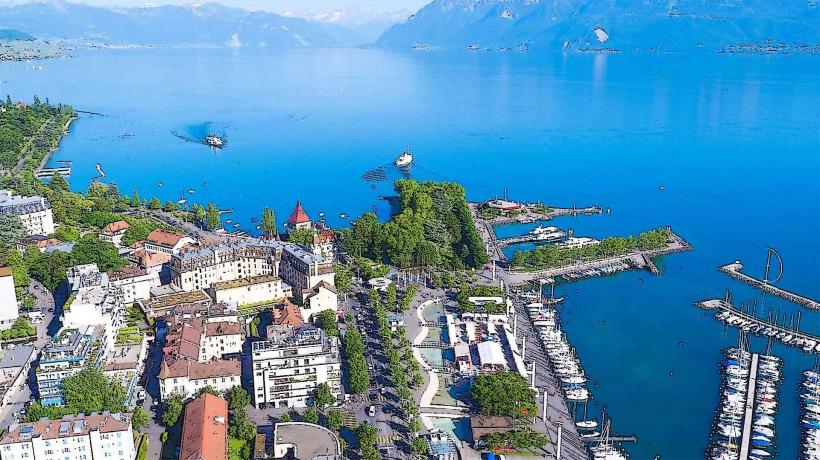
Montreux: Home of the Jazz Festival and Chillon Castle, 1 hour by train.
Chamonix-Mont-Blanc: A major Alpine resort 80 km southeast.
Facts & Legends
Geneva is the site where the World Wide Web was invented by Tim Berners-Lee at CERN in 1989. Historically, Mary Shelley wrote Frankenstein while staying near the city in 1816. A verified fact is that Geneva is home to the L'Horloge Fleurie (Flower Clock), which uses over 6,500 live plants. Legend states the city’s Reformation was so strict that all jewelry was banned, forcing local goldsmiths to pivot into watchmaking.