Information
City: George TownCountry: Malaysia
Continent: Asia
George Town, Malaysia, Asia
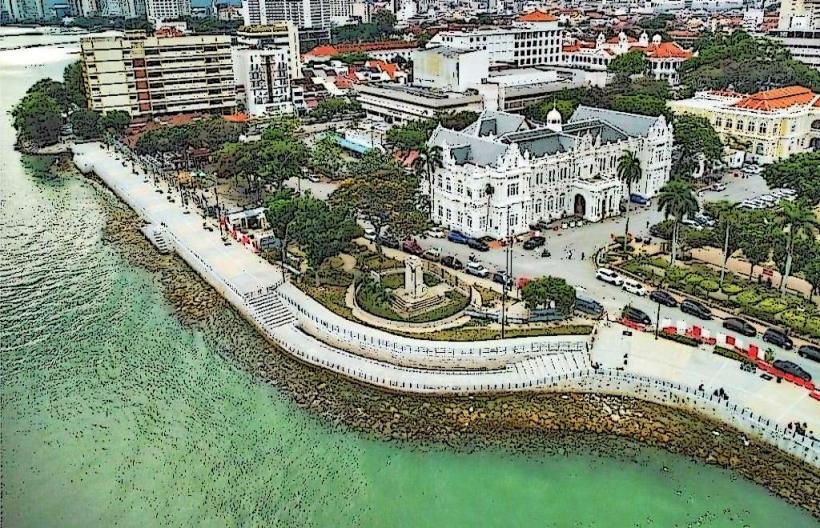
George Town is the capital city of the Malaysian state of Penang. It is a UNESCO World Heritage site and the primary administrative, commercial, and cultural hub of the region.
Historical Timeline
Founded in 1786 by Captain Francis Light, George Town was the first British settlement in Southeast Asia. It evolved from a colonial trading outpost into a major maritime port within the Straits Settlements. Its status as a UNESCO World Heritage site (granted in 2008) is based on its "unique architectural and cultural townscape without parallel anywhere in East and Southeast Asia."
Demographics & Population
The population of the George Town metropolitan area is approximately 700,000. The demographic is a highly integrated mix of Chinese, Malay, and Indian ethnicities, alongside a significant community of digital nomads and expatriates. English is the standard language for business and tourism, while Hokkien and Malay are the dominant local dialects.
Urban Layout & Key Districts
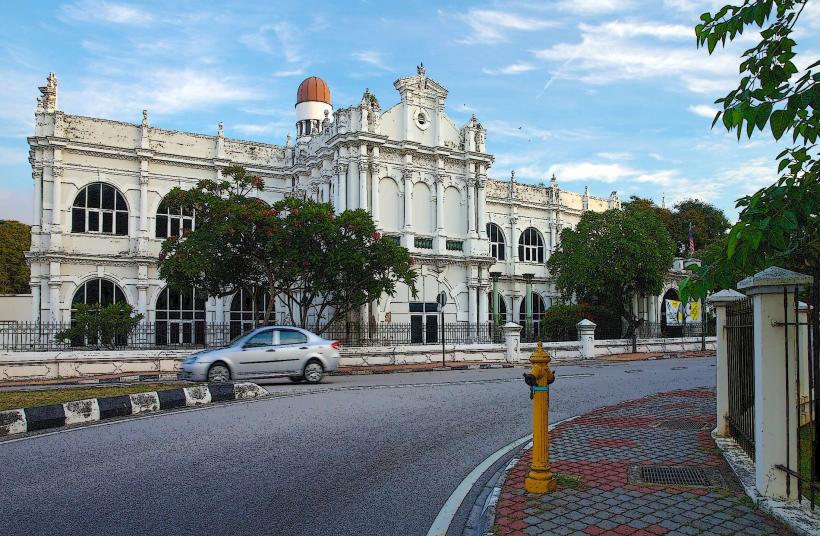
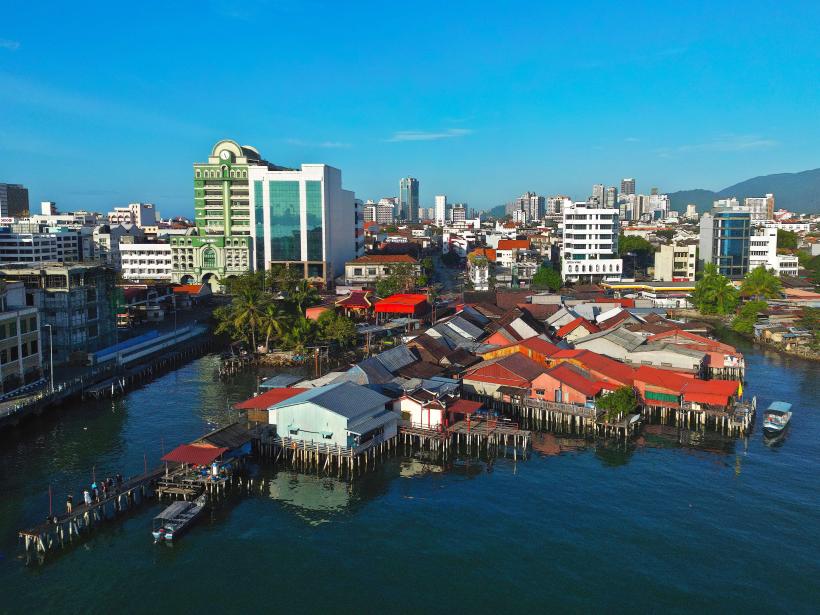
The Core Zone: The historic center containing the highest concentration of heritage buildings, colonial administration offices, and the Clan Jetties.
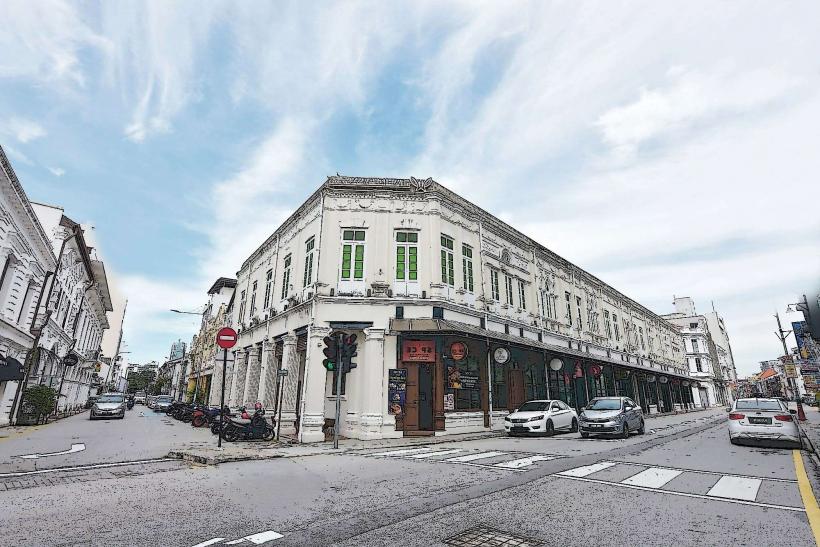
The Buffer Zone: Surrounding the core, featuring a mix of modern commercial development and traditional shophouses.
Little India: A vibrant district centered around Queen Street and Market Street, known for its spice shops, textile stores, and Indian eateries.
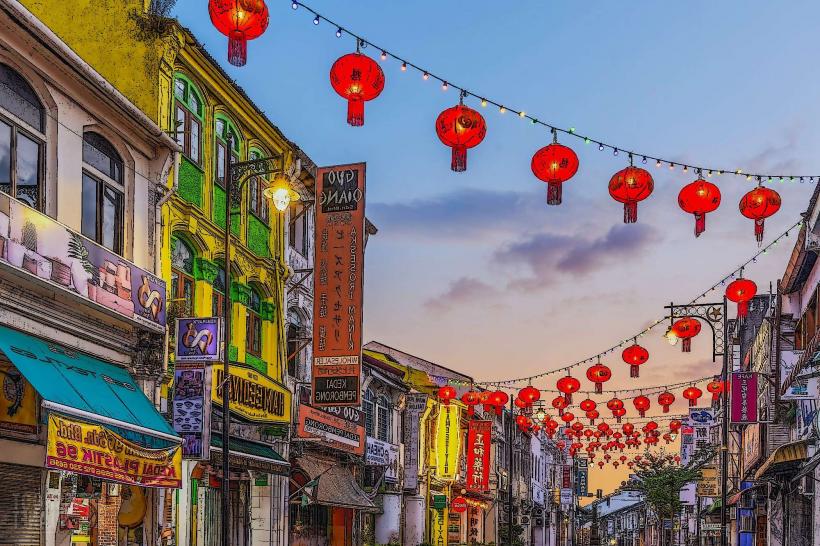
Chinatown: A vast area including Campbell Street and Kimberley Street, famous for traditional markets and street food.
Gurney Drive: A seafront promenade located just outside the historic center, known for high-end malls and luxury condominiums.
Top Landmarks
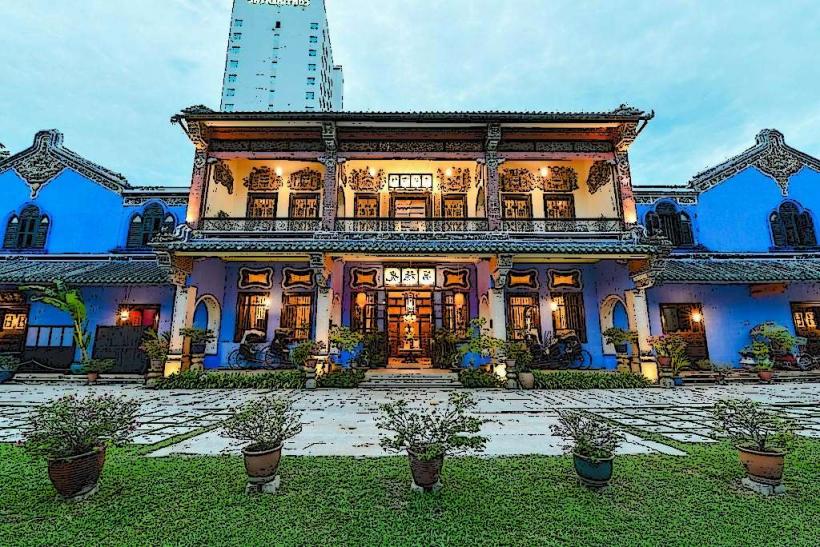
Cheong Fatt Tze (The Blue Mansion): An 1880s courtyard house built according to Feng Shui principles; iconic for its indigo-blue exterior.
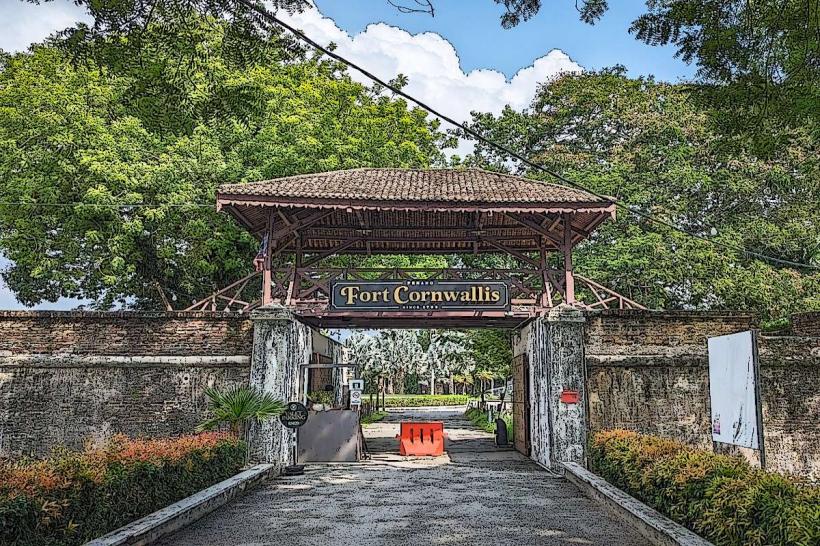
Fort Cornwallis: The star-shaped fort marking the site where the British East India Company first landed.
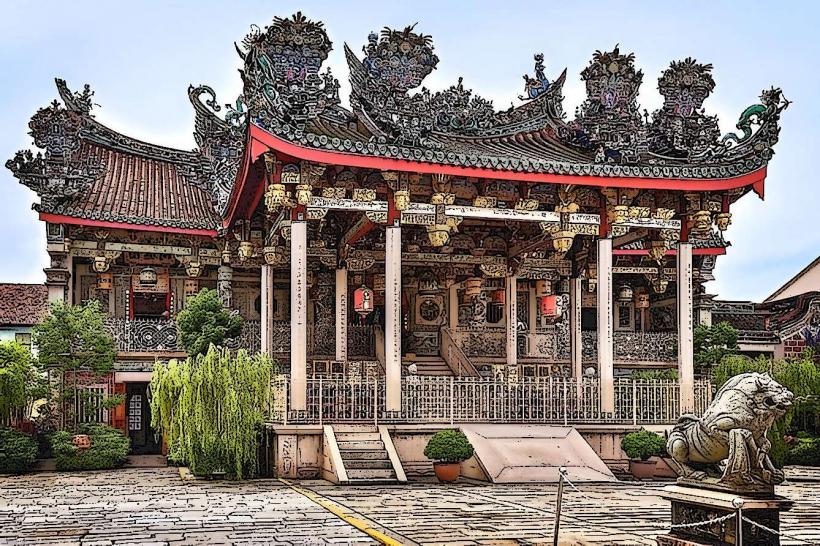
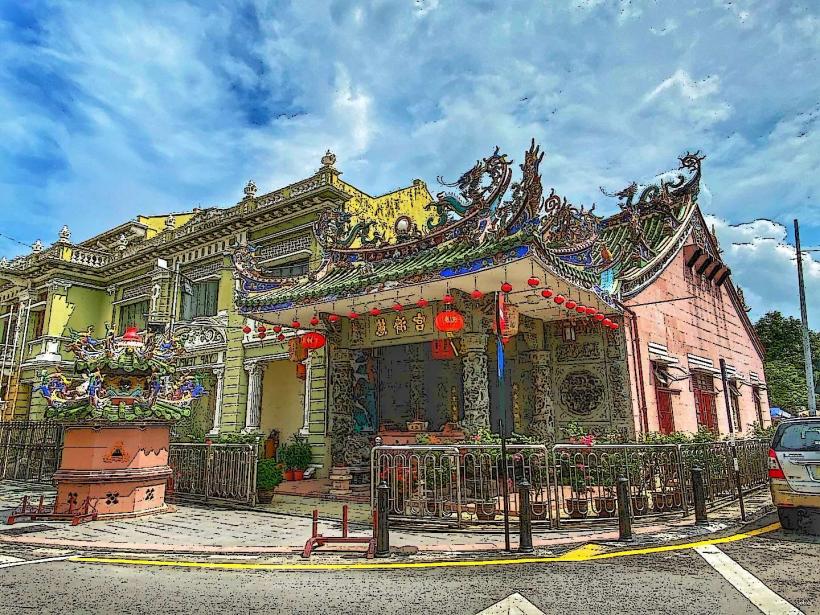
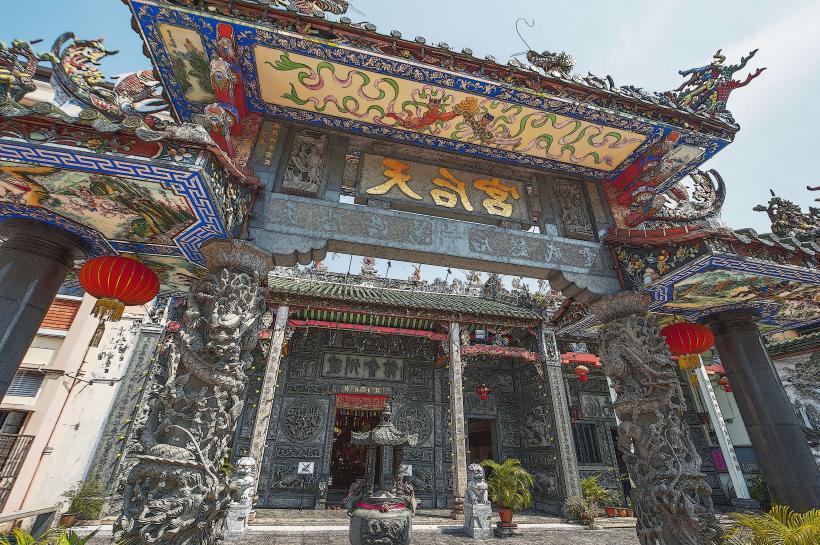
Khoo Kongsi: The most ornate Chinese clan house in Malaysia, featuring intricate wood and stone carvings.
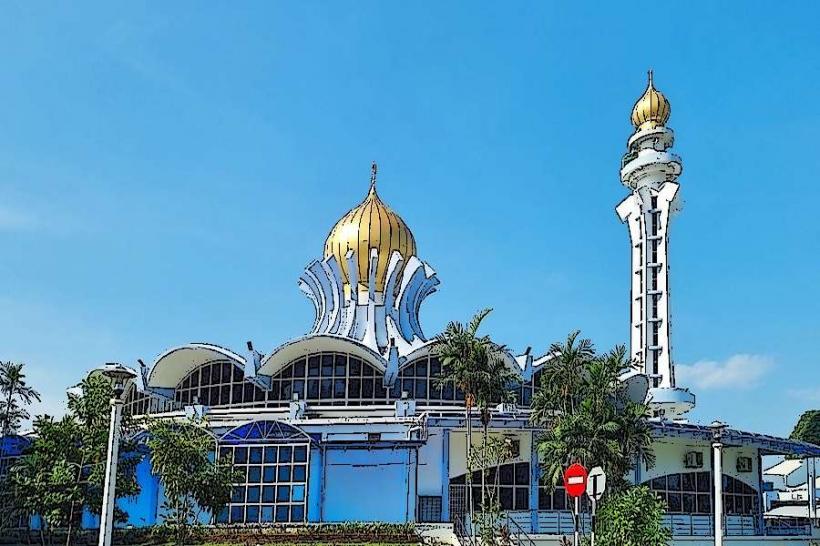
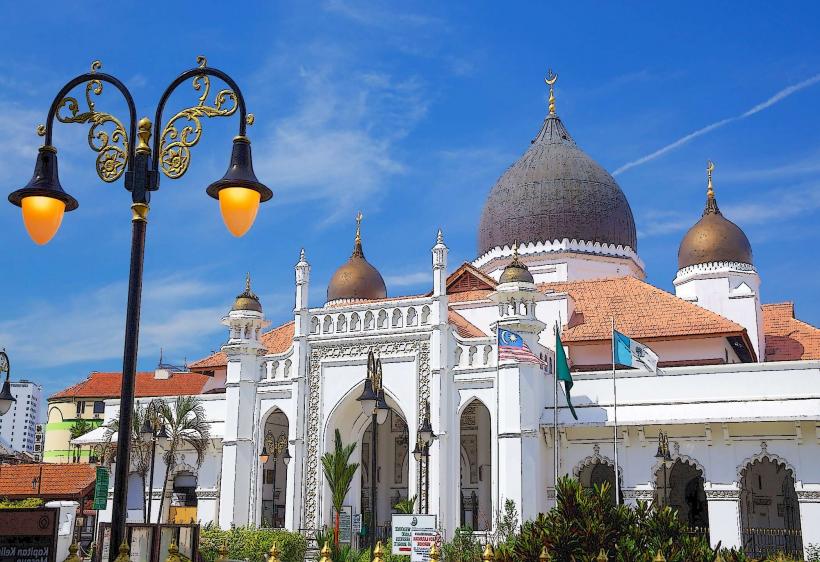
Kapitan Keling Mosque: An Indo-Moorish style mosque founded in 1801 by Penang's first Indian Muslim settlers.
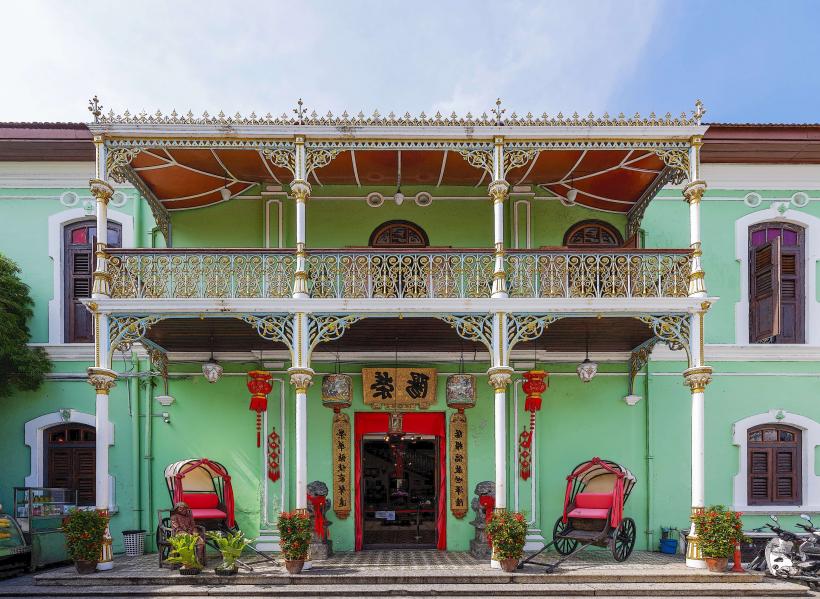
Pinang Peranakan Mansion: A museum showcasing the affluent lifestyle of the "Baba Nyonya" (Straits Chinese) community.
Transportation Network
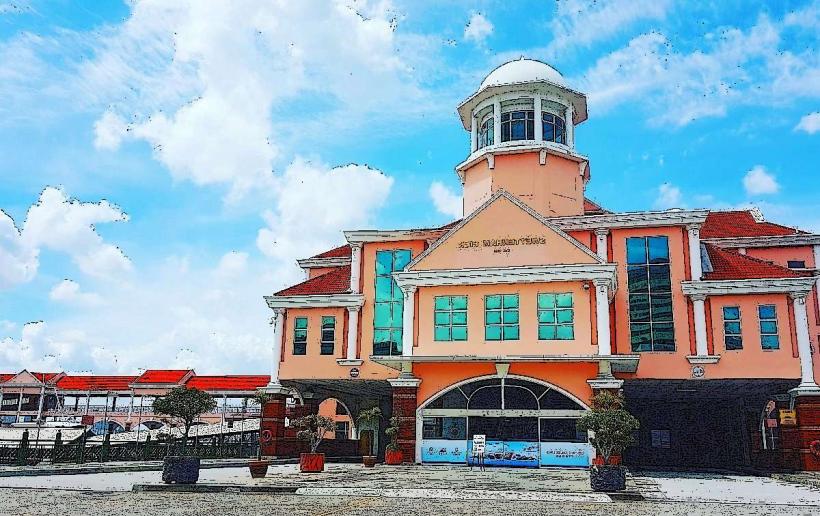
Ferry: The Penang Ferry Service connects the George Town terminal to Butterworth on the mainland.
Bus: Rapid Penang is the main operator. The CAT (Central Area Transit) is a free shuttle bus circulating within the UNESCO heritage zone.
Trishaws: Traditional three-wheeled cycle rickshaws remain popular for heritage tours within the narrow streets of the old town.
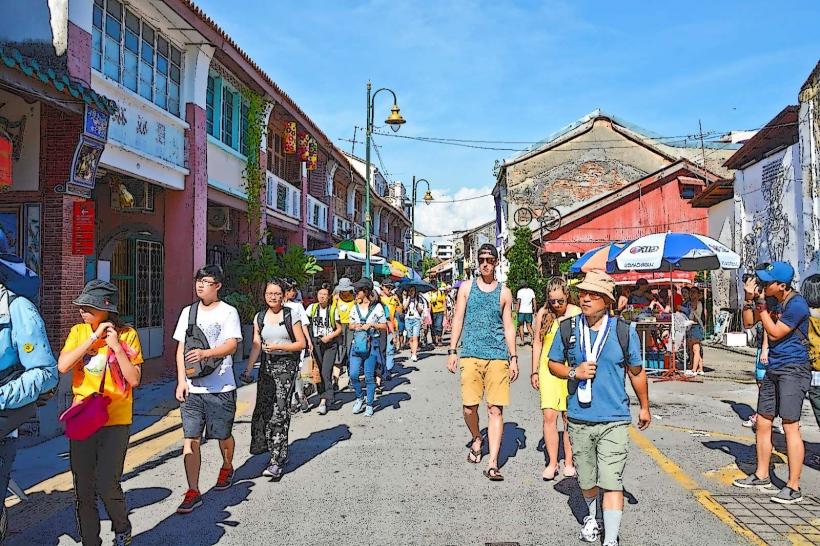
Walking: The historic core is highly walkable, though sidewalks are often uneven or obstructed by shophouse pillars (five-foot ways).
Safety & "Red Zones"
Snatch Theft: Opportunistic bag snatching by motorcyclists occurs; pedestrians should keep bags on the side away from the road.
Traffic: Motorcyclists often ignore one-way signs in the narrow alleys of the old town; maintain awareness when crossing.
Flash Floods: Low-lying areas near the drainage canals can experience localized flooding during heavy tropical downpours.
Digital & Financial Infrastructure
5G coverage is universal across the city. The currency is the Malaysian Ringgit (MYR). ATMs are abundant in the banking district (Beach Street). Contactless payment via e-wallets (Touch 'n Go, GrabPay) and cards is standard in modern venues, but cash is required for most street food hawkers.
Climate & Air Quality
Equatorial climate: consistently hot and humid ($27^\circ\text{C}$ to $33^\circ\text{C}$). Humidity levels often exceed 80%. Air quality is generally high, though the city center can experience localized exhaust pollution in congested streets.
Culture & Social Norms
Street Art: The city is famous for its murals, particularly those by Ernest Zacharevic, which integrate physical objects like bicycles and swings.
Religious Etiquette: Shoes must be removed before entering mosques and temples; conservative dress is required for religious sites.
Cuisine: Often called the "Food Capital of the World." Signature dishes include Char Kway Teow, Nasi Kandar, and Hokkien Mee.
Local Cost Index (MYR)
1 Hawker Meal: RM 7.00–RM 15.00
1 Craft Beer: RM 25.00–RM 45.00
1 Boutique Hotel Room (Night): RM 250.00–RM 600.00
Facts & Legends
Legend says that Captain Francis Light fired gold coins from a cannon into the jungle to encourage his men to clear the land for the city. A geographic fact: George Town's "Five-Foot Ways" (Kaki Lima) were a colonial legal requirement ensuring a continuous sheltered walkway for pedestrians. Historically, the city’s Beach Street (Lebuh Pantai) was once at the water’s edge before extensive land reclamation pushed the shoreline back.