Information
Country: MalaysiaContinent: Asia
Malaysia, Asia
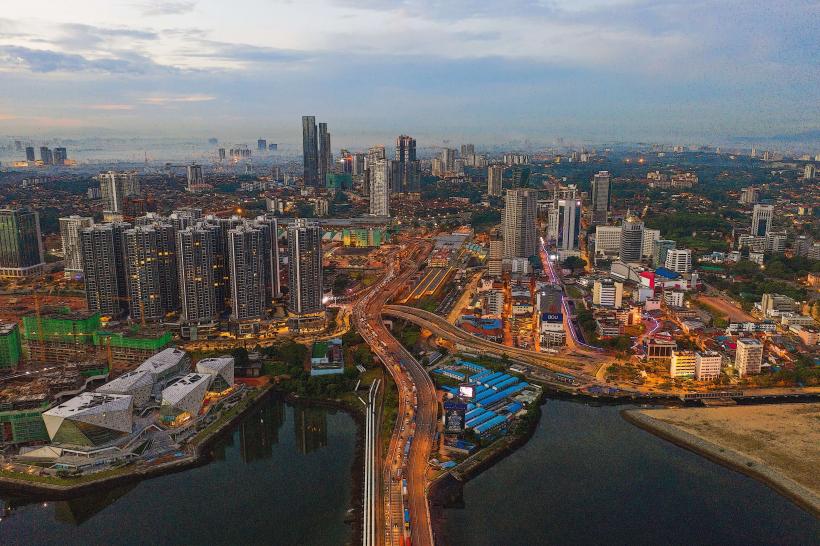
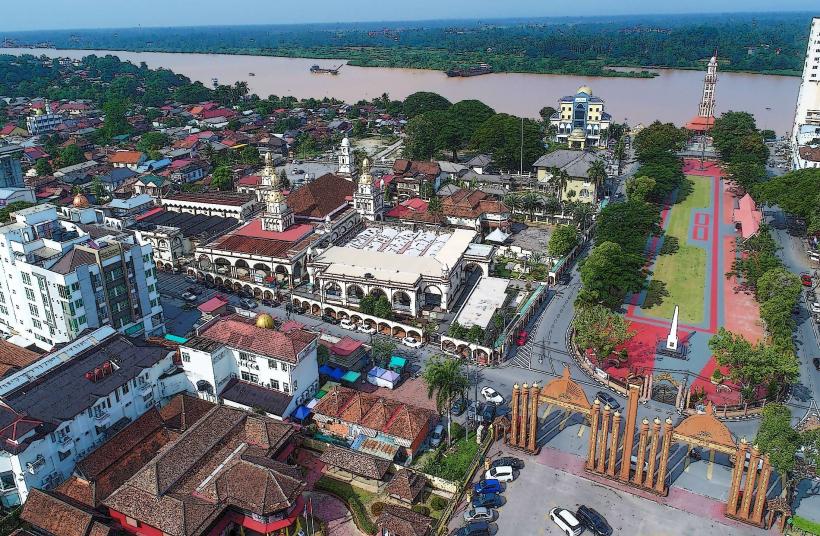
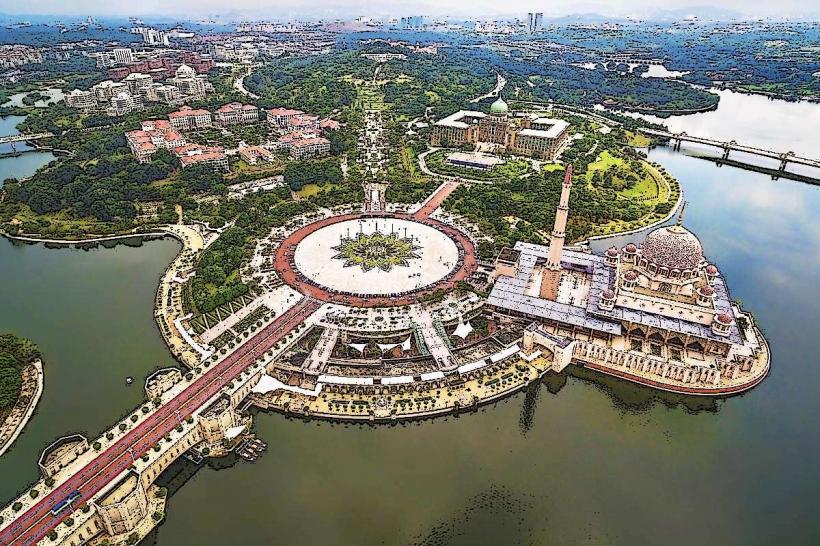
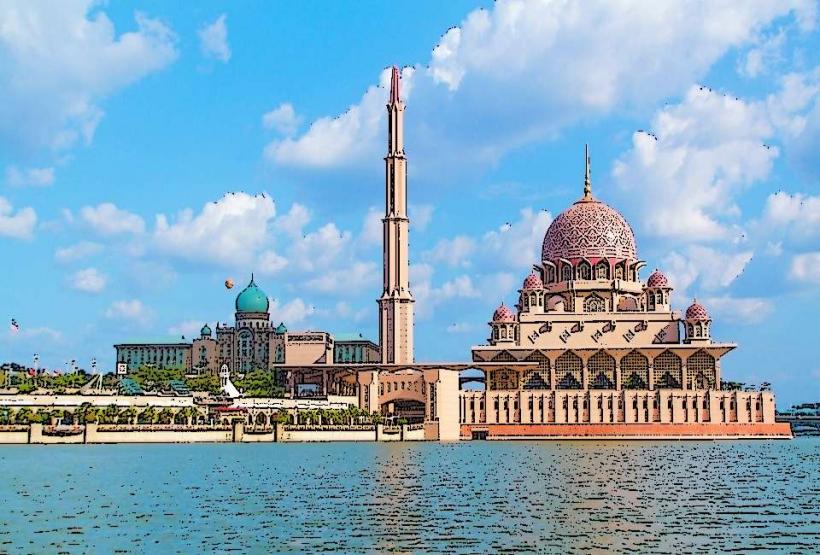
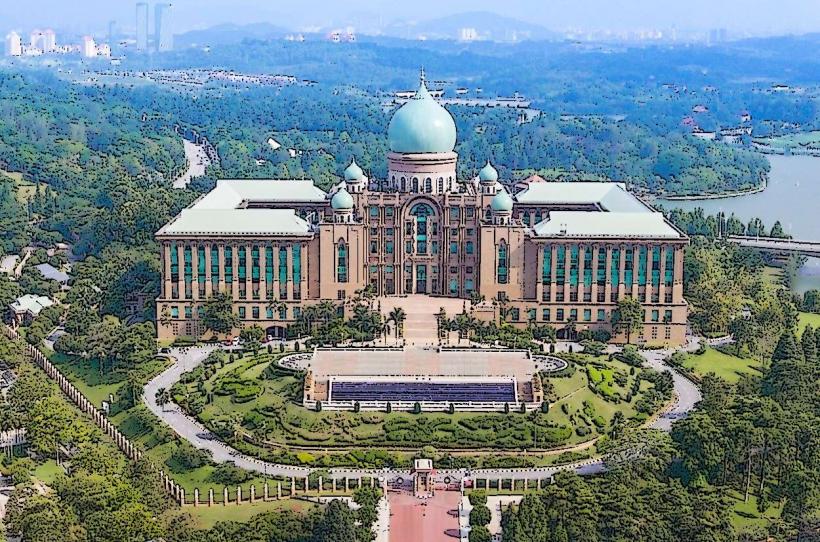
Malaysia is a federal constitutional monarchy in Southeast Asia, divided by the South China Sea into two distinct regions: Peninsular Malaysia and East Malaysia (Borneo). The nation is defined by its multicultural demographic of Malay, Chinese, and Indian communities and an economy driven by electronics manufacturing, palm oil, and petroleum; the capital city is Kuala Lumpur, while Putrajaya serves as the administrative center.
Visa & Entry Policy
EU, US, and UK passport holders are granted visa-free entry for tourist stays of up to 90 days. All foreign nationals must complete the mandatory Malaysia Digital Arrival Card (MDAC) online within three days prior to arrival. Passports must be valid for at least six months. Travelers to the states of Sabah and Sarawak on Borneo must undergo separate immigration control upon entry from Peninsular Malaysia, though additional visas are generally not required for those already admitted to the country.
Language & Communication
Bahasa Malaysia is the official language. English is widely spoken and serves as the primary language for business, industry, and higher education. English proficiency is high in urban centers and tourist hubs but may be limited in rural kampongs. Mandarin, Tamil, and various indigenous languages (such as Iban and Kadazan) are prevalent within their respective communities.
Currency & Payment Systems
The official currency is the Malaysian Ringgit (MYR). Credit cards and digital wallets (GrabPay, Touch 'n Go eWallet, Boost) are universal in cities. The QRIS-interoperable DuitNow QR system is the standard for mobile payments at almost all vendors, including street stalls. Cash is essential for small transactions in rural areas and for certain public transport services. ATMs are densely distributed across the peninsula but can be sparse in the interior of Sabah and Sarawak.
National Transport Grid
Inter-city travel is supported by an extensive highway network and the KTM Electric Train Service (ETS), which connects Kuala Lumpur to the Thai border in the north and Gemas in the south. As of 2026, the East Coast Rail Link (ECRL) has significantly improved connectivity between the Klang Valley and the East Coast. Domestic aviation, dominated by Malaysia Airlines, AirAsia, and Batik Air, is the primary link between the Peninsula and Borneo. Urban transit in Kuala Lumpur is facilitated by the LRT, MRT, and Monorail systems.
Digital Infrastructure
Primary mobile network providers are CelcomDigi, Maxis, and U Mobile. 5G coverage is robust in the Klang Valley and major state capitals, achieving over 80% population coverage as of 2026. High-speed fiber-optic broadband is standard in urban residential areas. Remote jungle regions and certain islands rely on satellite-based internet solutions.
Climate & Seasonality
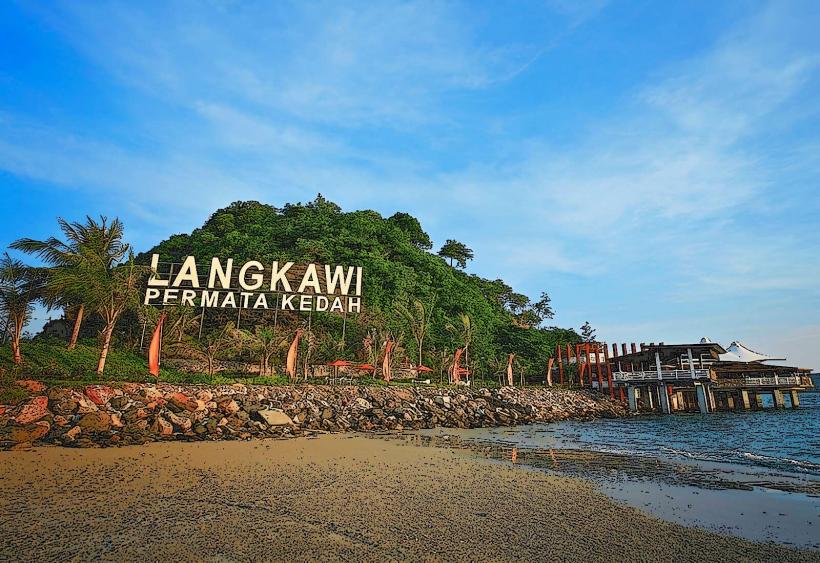
The climate is equatorial, characterized by high temperatures and humidity year-round. The Southwest Monsoon (May to September) brings drier weather to the West Coast (Penang, Langkawi). The Northeast Monsoon (November to March) brings heavy rainfall to the East Coast (Perhentian Islands, Tioman) and Borneo, often resulting in the closure of island resorts and ferry services during these months.
Health & Safety
No mandatory vaccines are required unless arriving from a Yellow Fever endemic zone. Health risks include mosquito-borne Dengue and localized Malaria in deep interior jungle regions. Tap water in major cities is treated but generally not recommended for direct consumption; most residents use filtration systems or bottled water. The emergency number for Police and Ambulance is 999.
Top 3 Major Regions & Cities
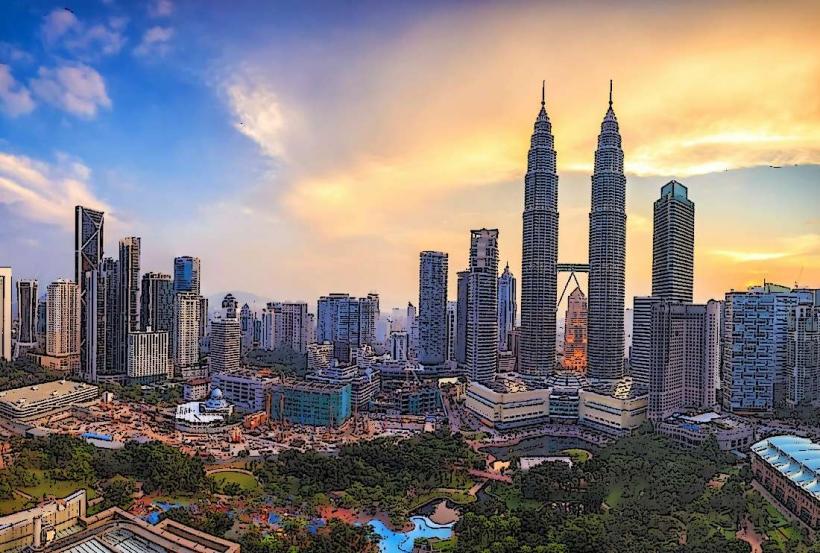
Klang Valley: Hub: Kuala Lumpur (Commercial/Financial).
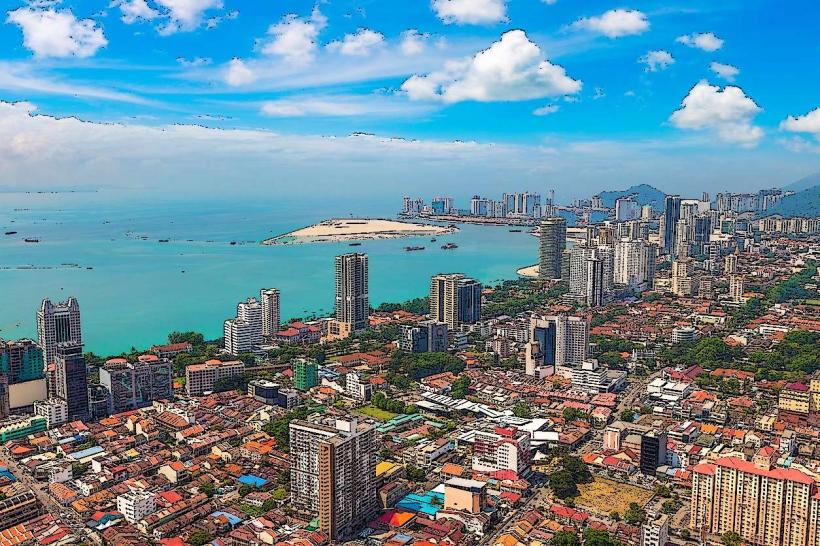
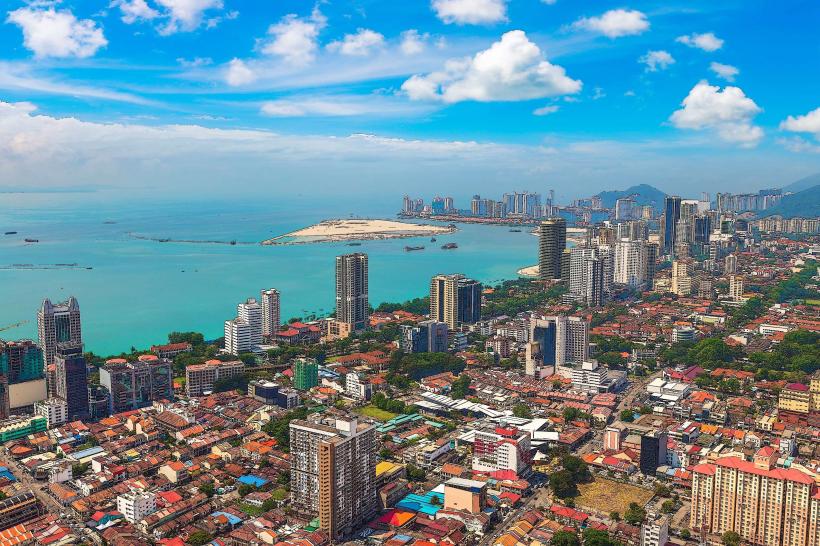
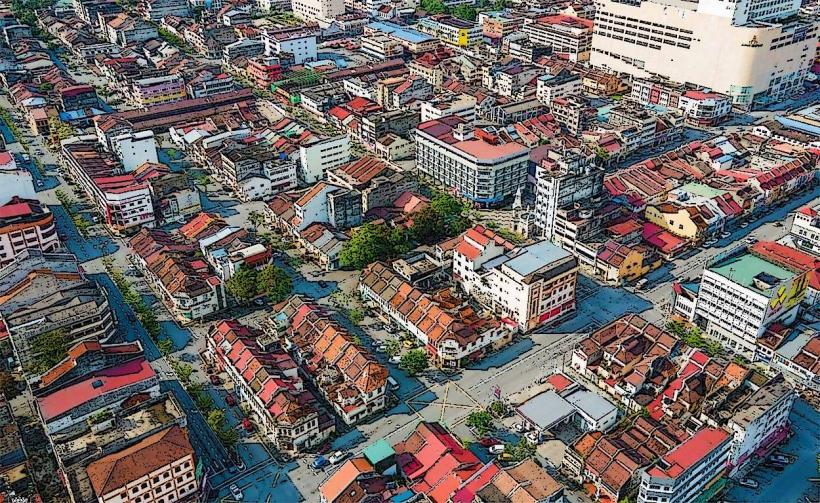
Penang Island: Hub: George Town (UNESCO World Heritage/Culinary).
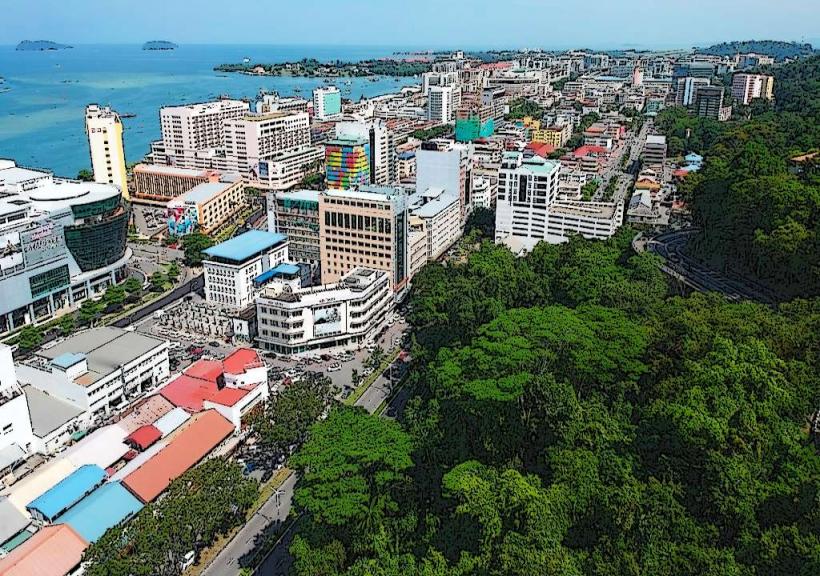
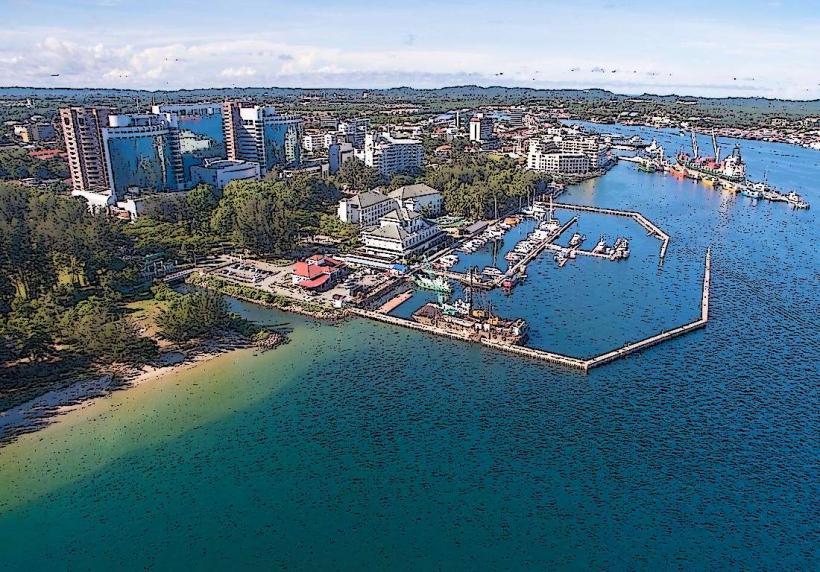
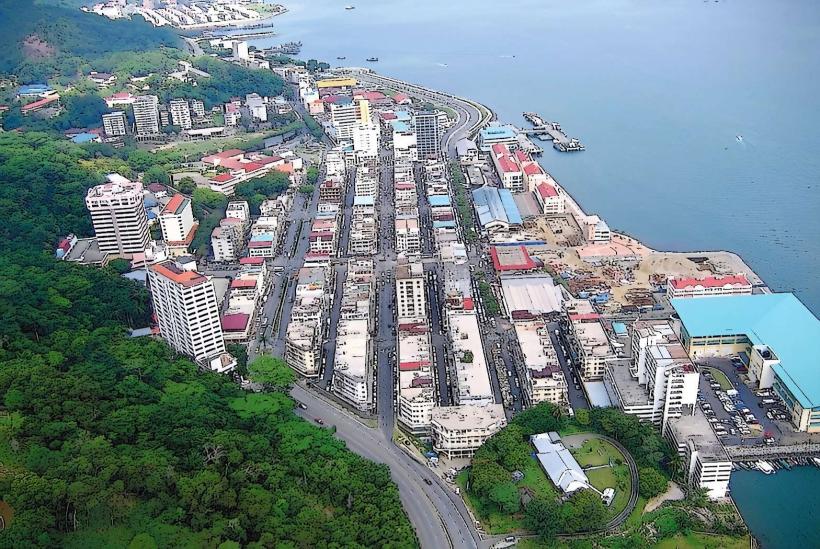
East Malaysia (Sabah): Hub: Kota Kinabalu (Gateway to Mount Kinabalu).
Local Cost Index
1L Water: 2.50 MYR ($0.55 USD)
1 Domestic Beer (0.5L): 18.00 MYR ($4.10 USD)
1 SIM Card (10GB Data): 35.00 MYR ($8.00 USD)
Facts & Legends
Malaysia is the only country that contains land on both the mainland of Southeast Asia and the Malay Archipelago. Local folklore features the "Pontianak," a vengeful female vampire associated with the scent of frangipani flowers and banana trees. Historically, the Sultanate of Malacca was one of the world's most vital trading ports in the 15th century, a legacy that survives in the "Baba-Nyonya" (Peranakan) culture, which blends Chinese and Malay traditions.