Information
City: Alor SetarCountry: Malaysia
Continent: Asia
Alor Setar, Malaysia, Asia
Alor Setar is the state capital of Kedah and the second-largest city in the state. Known as the "Rice Bowl of Malaysia," it serves as the primary administrative and cultural heart of the northern Malay Peninsula, defined by its royal heritage and vast surrounding paddy fields.
Historical Timeline
Founded in 1735 by Sultan Muhammad Jiwa Zainal Adilin II, Alor Setar became the 8th capital of the Kedah Sultanate. The city has survived periods of Siamese suzerainty, British colonial administration, and Japanese occupation. It is uniquely significant as the birthplace of two Malaysian Prime Ministers: Tunku Abdul Rahman (the "Father of Independence") and Tun Dr. Mahathir Mohamad.
Demographics & Population
The 2026 estimated metro population is approximately 390,000. The demographic is predominantly Malay ($>70\%$), with significant Chinese ($22\%$) and Indian ($2\%$) minorities, along with a distinct Kedah-Siamese community. The economy is anchored in government administration, retail, and agriculture-specifically rice distribution and processing.
Urban Layout & Key Districts
Heritage District (Dataran Alor Setar): The historic core containing the majority of royal and colonial landmarks.
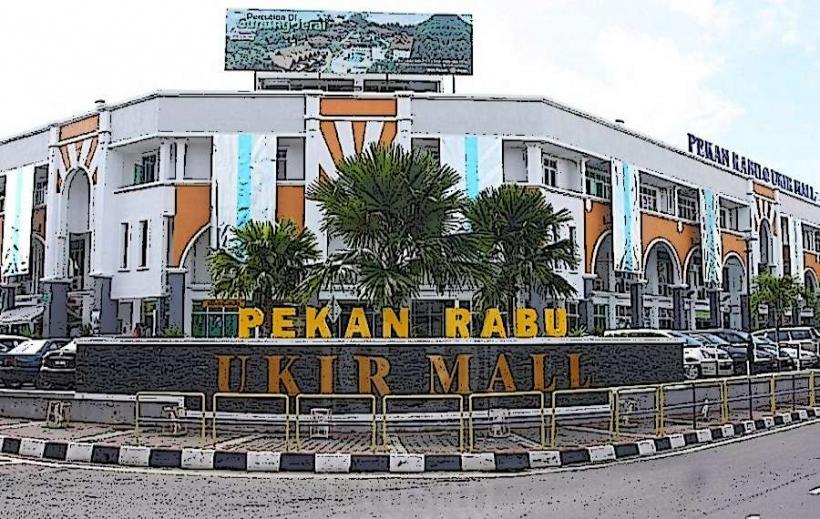
Pekan Rabu: A central commercial hub and cultural landmark known for Malay business and traditional goods.
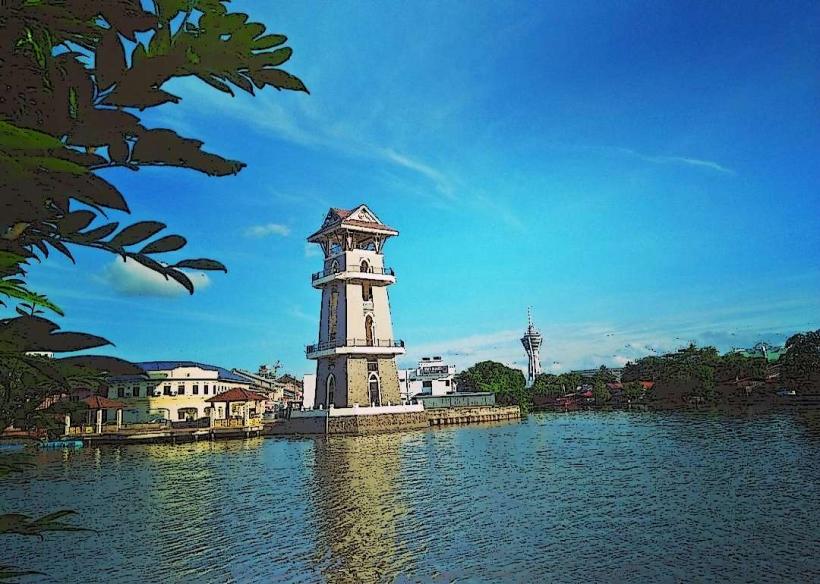
Medan Merdeka: A large open square surrounded by historic buildings and the city's main clock tower.
Souq Al-Bukhary: A modern commercial precinct integrated with the Albukhary Mosque and social welfare complex.
Stargate: A newer suburban commercial development south of the city center.
Top Landmarks
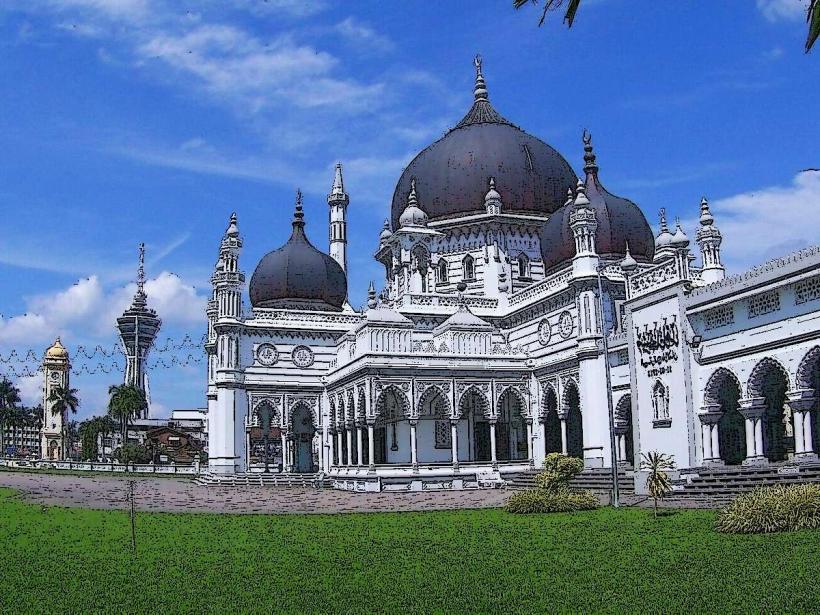
Zahir Mosque (Masjid Zahir): Built in 1912, it is one of the oldest and most beautiful mosques in Malaysia, featuring five large black domes.
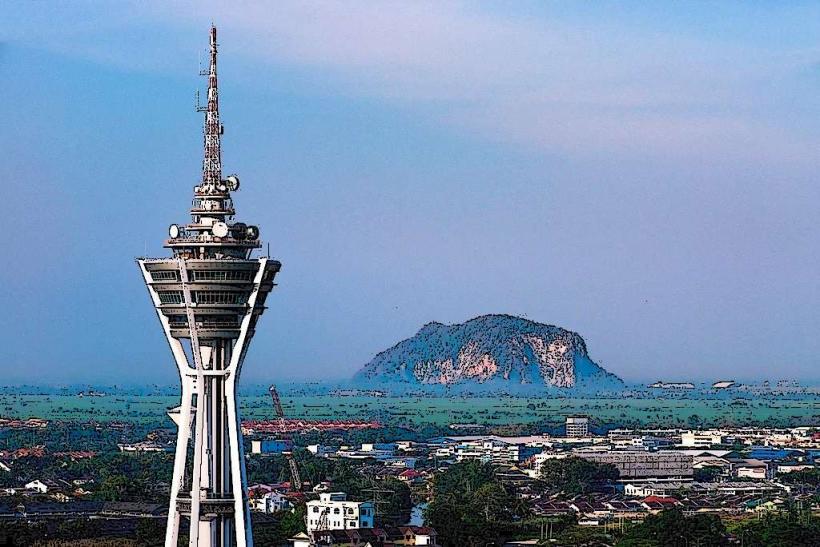
Alor Setar Tower (Menara Alor Setar): At $165.5$ m, it is the third-tallest telecommunications tower in Malaysia, offering 360-degree views of the "Rice Bowl."
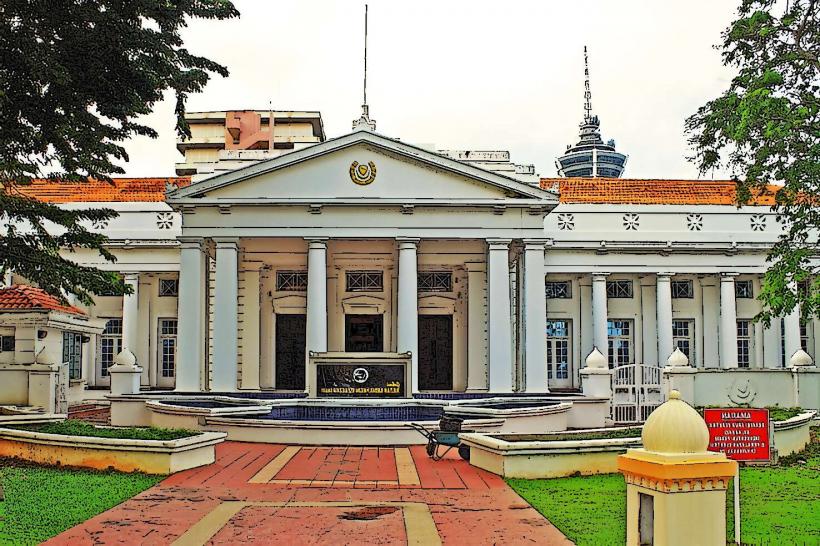
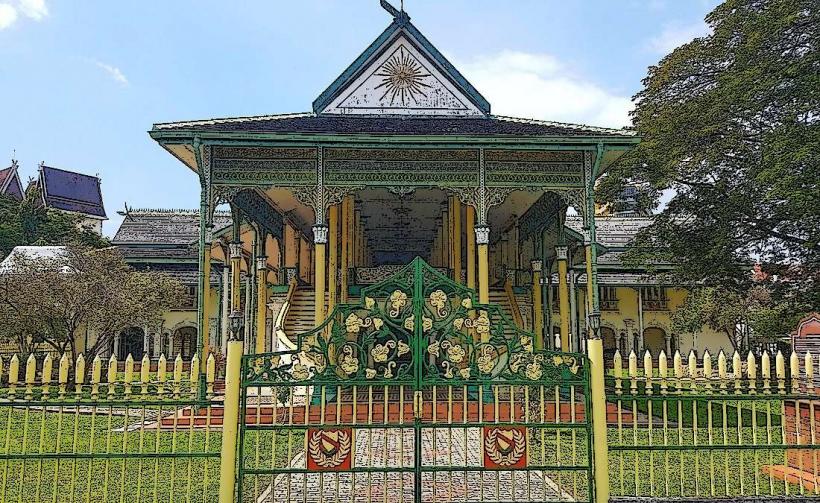
Balai Besar (Grand Hall): A royal audience hall built in 1898, reflecting a fusion of Malay and Victorian architecture.
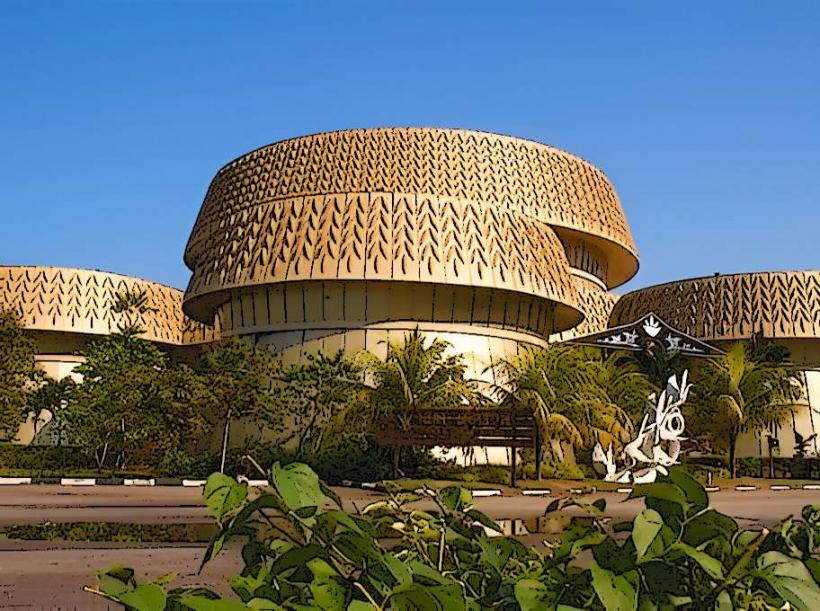
Paddy Museum (Muzium Padi): The first of its kind in Malaysia, dedicated to the history and technology of rice cultivation.
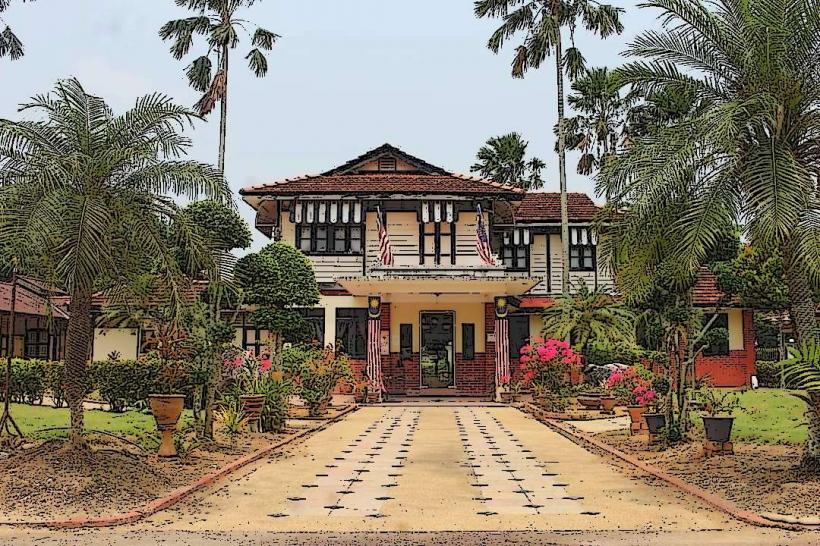
Rumah Kelahiran Mahathir: The preserved birthplace and childhood home of Tun Dr. Mahathir Mohamad.
Wat Nikrodharam: A significant Thai Buddhist temple reflecting the city's proximity to the Thailand border.
Transportation Network
Rail: The KTM ETS (Electric Train Service) connects Alor Setar to Kuala Lumpur and Padang Besar (Thai border).
Air: Sultan Abdul Halim Airport (AOR) serves domestic routes, primarily to Kuala Lumpur and Subang.
Road: Situated along the North-South Expressway (E1). It is a major transit point for travelers heading to Langkawi via the Kuala Kedah ferry.
Sea: The Kuala Kedah Ferry Terminal (15 km west) is a primary gateway to Langkawi Island.
Safety & "Red Zones"
Natural Hazards: The city is located on a flat coastal plain; flash floods in the city center and surrounding paddy fields are common during the monsoon seasons (April–May and September–November).
Road Safety: Watch for slow-moving agricultural machinery (harvesters) on rural roads outside the city center.
Health: As a high-density agricultural zone, mosquito-borne illnesses like Dengue are prevalent; use repellent in the evenings.
Digital & Financial Infrastructure
5G coverage is stable within the city core and along the E1 expressway corridor. The currency is the Malaysian Ringgit (MYR). ATMs are concentrated in the Heritage District and malls like Aman Central. Contactless payment is standard in modern retail, but cash is preferred at Pekan Rabu and local wet markets.
Climate & Air Quality
Equatorial climate: consistently warm ($24^\circ\text{C}$ to $33^\circ\text{C}$). It is notably drier than southern Malaysia during the early months of the year. Air quality is generally high, though localized smoke from seasonal paddy husk burning can occur post-harvest.
Culture & Social Norms
Royal Protocol: As the seat of the Kedah Sultanate, respect for royal institutions is high; public demonstrations or disrespect are socially frowned upon.
Language: The Kedahan Malay dialect (Pelat Utara) is the dominant lingua franca, characterized by distinct phonetic shifts.
Cuisine: Specialized in Laksa Kedah, Nasi Daging, and Sayur Keladi.
Local Cost Index (MYR)
1 Bowl of Laksa Kedah: RM 5.00–RM 9.00
1 Entry to Paddy Museum: RM 5.00 (Adult)
1 Grab Ride (City Center): RM 5.00–RM 10.00
Facts & Legends
Legend says the city's name comes from a small stream (Alor) and the Setar tree (Bouea macrophylla) that once grew in abundance along its banks. A geographic fact: The Alor Setar Tower structure is designed to resemble clusters of tied rice stalks. Historically, Alor Setar was the first city in Malaysia to have a dedicated airport (1929) for international postal flights between London and Australia.