Information
Landmark: Paddy MuseumCity: Alor Setar
Country: Malaysia
Continent: Asia
Paddy Museum, Alor Setar, Malaysia, Asia
The Paddy Museum (Muzium Padi) is located in Kota Sarang Semut, near Alor Setar, the capital of Kedah, Malaysia. The museum is dedicated to the state’s most important agricultural product: rice (paddy). Kedah, often referred to as the "Rice Bowl of Malaysia", has a long history of rice cultivation, and the Paddy Museum serves to preserve and highlight the significance of rice farming in the region's culture, economy, and daily life.
Key Highlights of the Paddy Museum
1. Historical Significance
- The Paddy Museum showcases the agricultural heritage of Kedah, where rice cultivation has been a cornerstone of the local economy for centuries.
- The museum's establishment is meant to honor the contributions of rice farmers and to promote an understanding of paddy farming as an integral part of Malaysia’s cultural and economic development.
- The museum is particularly relevant because Kedah has been the leading rice-producing state in Malaysia, often supplying the majority of the nation’s rice needs.
2. Exhibitions and Collections
The Paddy Museum features a variety of exhibitions that explore the history, significance, and process of rice cultivation in Kedah and Malaysia. The exhibits include:
- Paddy Farming Tools and Equipment: Displays of traditional tools and modern machinery used in rice farming. Visitors can learn about the evolution of paddy farming techniques, from manual labor with basic tools to advanced mechanized farming.
- Rice Harvesting Techniques: Information on the different stages of rice production, from planting to harvesting, and the techniques used by local farmers to grow high-yield rice.
- History of Rice Cultivation: Exhibits documenting the history of rice farming in Kedah, including the introduction of rice farming to the region and how it evolved over the years to become a key agricultural industry in Malaysia.
- Types of Rice: A section dedicated to the various types of rice cultivated in Malaysia, particularly those grown in Kedah. This includes information on traditional varieties, modern hybrids, and the differences in taste, texture, and cooking properties.
- Cultural Significance of Rice: An exploration of the cultural significance of rice in Malaysian society, including its role in local rituals, festivals, and daily life. Rice is deeply tied to Malaysian identity, symbolizing prosperity, sustenance, and community.
- Paddy Plantation Models: Large-scale models of paddy fields and their irrigation systems, showing how rice is grown in the region and how environmental factors such as water and weather play a critical role in cultivation.
3. Architectural Design
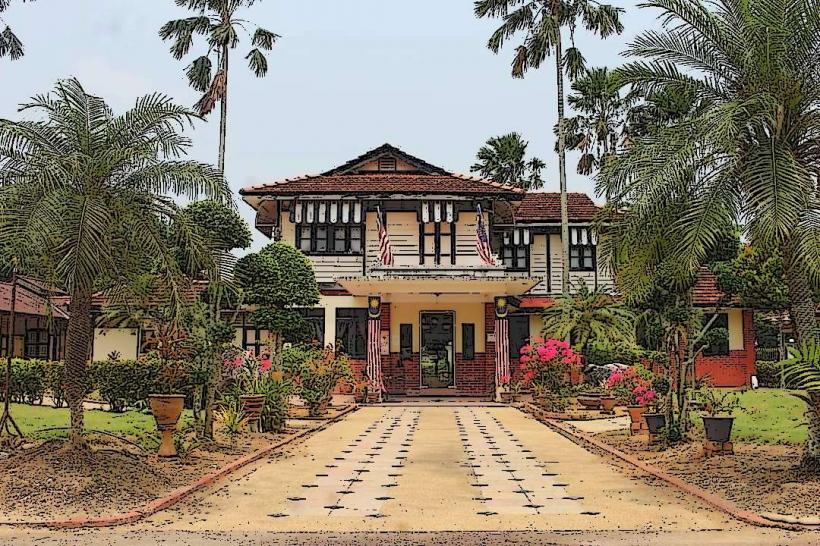
- The design of the Paddy Museum is inspired by traditional Malay architecture, with large open spaces and rustic wooden buildings that blend with the natural surroundings of the paddy fields.
- The museum complex is beautifully landscaped, and visitors can enjoy scenic views of the nearby paddy fields, which are an integral part of the museum’s appeal.
- The architecture of the museum itself is reflective of the region’s agricultural history and the importance of rice in the daily lives of the people.
4. Cultural and Educational Value
- The museum is a vital educational resource for visitors of all ages, offering insights into the complex processes behind rice farming, a key component of Malaysia’s agricultural industry.
- It serves as a platform for learning about the economic importance of rice to Malaysia, as well as its historical roots and the ways in which it shapes the culture of Kedah.
- Students, agriculture enthusiasts, and tourists interested in learning about Malaysia’s agricultural heritage will find the Paddy Museum an invaluable experience.
5. Interactive and Educational Activities
- The museum offers interactive exhibits and educational programs designed for visitors, especially school groups and young children. These programs include hands-on activities such as paddy planting demonstrations, rice-processing workshops, and interactive tours where visitors can learn the basics of rice cultivation.
- Visitors may also enjoy guided tours that explain the details of each exhibit, providing a deeper understanding of the traditional and modern rice-farming methods.
Best Time to Visit
- The Paddy Museum is open throughout the year, with peak visitor numbers during school holidays and weekends.
- The museum is especially popular during major agricultural festivals and celebrations, such as the Rice Harvest Festival, which takes place in Kedah to honor the rice-growing community.
- Visiting during the harvest season (typically between May and August) can provide an even more immersive experience as you may have the chance to witness paddy harvesting in the nearby fields.
How to Get There
- The Paddy Museum is located in Kota Sarang Semut, approximately 20 kilometers from Alor Setar, making it easily accessible by car, taxi, or bus.
- The museum is situated amidst vast paddy fields, offering visitors a chance to enjoy the scenic agricultural landscape as they approach the site.
- Parking is available at the museum for those traveling by car.
Why Visit the Paddy Museum?
- Unique Experience: The Paddy Museum offers a one-of-a-kind experience for those interested in learning about rice cultivation, the agricultural heritage of Kedah, and the cultural importance of rice in Malaysia.
- Educational and Interactive: The museum provides a highly informative and interactive visit, perfect for students, agriculture enthusiasts, and anyone keen on learning about the process of rice production.
- Cultural Insight: The museum allows visitors to understand the deep cultural connection between rice and the people of Kedah, making it a must-see for those interested in Malaysia’s agricultural traditions and rural life.
The Paddy Museum is a fascinating stop for anyone interested in understanding the agricultural backbone of Malaysia, particularly in Kedah, the nation’s primary rice-producing state.