Information
City: Kota BharuCountry: Malaysia
Continent: Asia
Kota Bharu, Malaysia, Asia
Kota Bharu is the state capital and royal seat of Kelantan, located on the northeast coast of Peninsular Malaysia near the Thailand border. It serves as the spiritual and cultural center for the Malay heartland, defined by its adherence to traditional customs, Islamic governance, and unique craft heritage.
Historical Timeline
Founded in 1844 by Sultan Muhammad II, the city was established as the administrative center for the Kelantan Sultanate. It gained global historical significance on December 8, 1941, as the first landing site for Japanese forces in Malaya, occurring approximately one hour before the attack on Pearl Harbor. Since the 1990s, the city has been the focal point of the state's distinct Islamic administrative policies.
Demographics & Population
The population is approximately 600,000. The demographic is the most ethnically homogeneous of any major Malaysian city, with ethnic Malays comprising over 95% of the population. The economy is driven by retail, cross-border trade with Thailand, and the production of traditional Malay crafts.
Urban Layout & Key Districts
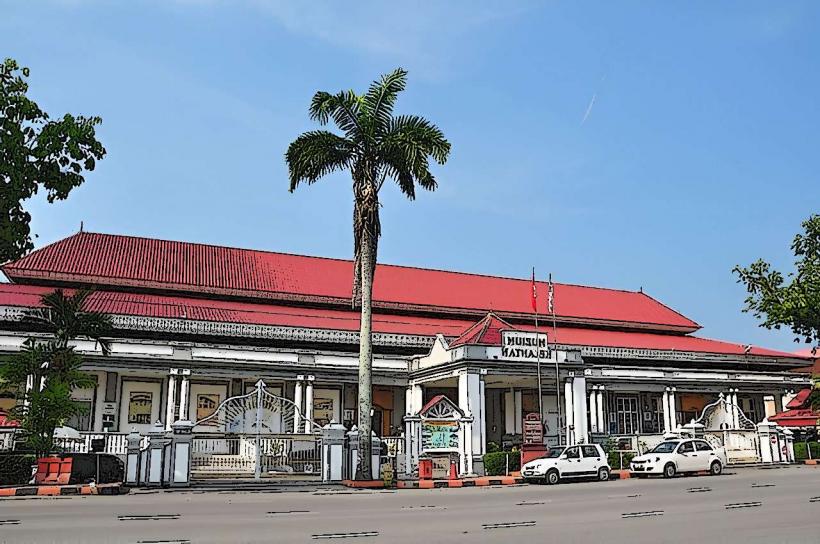
Cultural Zone (Zon Budaya): Located in the city center, containing the highest density of palaces, museums, and historic sites.
Pasar Siti Khadijah: The iconic central market and focal point of local commerce.
Kubang Kerian: A major suburban district housing the Universiti Sains Malaysia (USM) medical campus.
Pengkalan Chepa: An industrial and educational hub north of the city, also home to the airport.
Wakaf Che Yeh: A vibrant evening commercial district famous for its night market.
Top Landmarks
Pasar Siti Khadijah: A multi-story octagonal market dominated by female traders, famous for its colorful display of local produce and textiles.
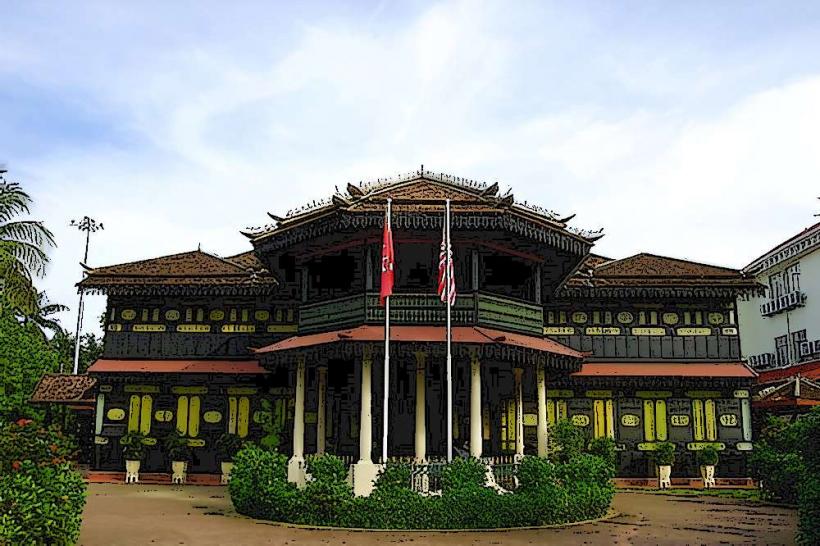
Istana Balai Besar: The grand wooden palace built in 1844, still used for state ceremonial functions.
Handicraft Village & Craft Museum: A complex showcasing the production of batik, silverware, and woodcarvings.
Bank Kerapu (War Museum): The first stone building in Kelantan, used as the secret police headquarters during the Japanese occupation.
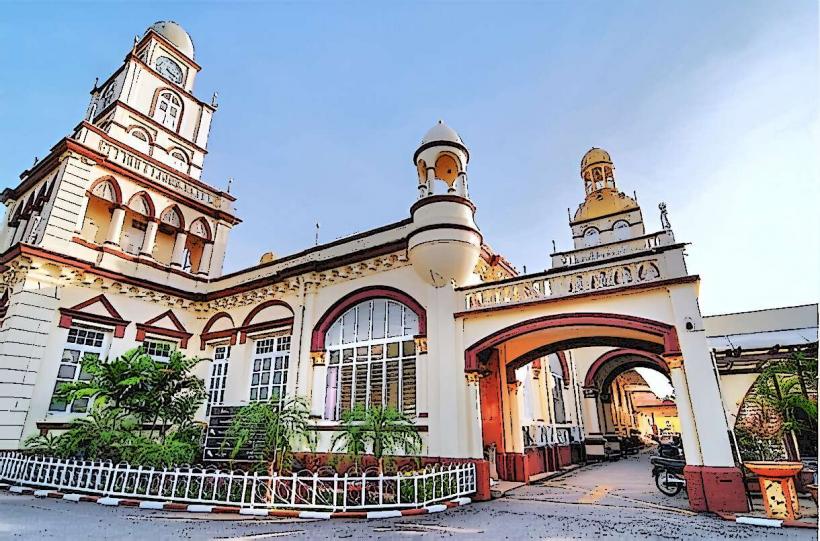
Muhammadi Mosque: A historic mosque featuring a blend of colonial and traditional architectural styles.
Transportation Network
Air: Sultan Ismail Petra Airport (KBR) is a high-traffic domestic hub connecting to KL and Penang.
Rail: The KTM Intercity (Jungle Railway) serves the nearby station of Wakaf Bharu.
Road: Linked via Federal Route 8 and Route 3. Traffic is highly congested during peak hours and festive seasons.
Public Transit: Served by Cityliner buses and Grab.
Safety & "Red Zones"
Natural Hazards: During the Northeast Monsoon (November–January), Kota Bharu is prone to severe, wide-scale flooding due to the Kelantan River overflowing.
Security: Use only official border crossings at Rantau Panjang or Pengkalan Kubor when entering Thailand. Avoid unauthorized river crossings.
Traffic: Pedestrians must exercise extreme caution near the central market due to high-density motorcycle and bus traffic.
Digital & Financial Infrastructure
5G coverage is stable across the urban core and Kubang Kerian. The currency is the Malaysian Ringgit (MYR). ATMs are abundant in malls like KB Mall and Aeon Mall Kota Bharu. Contactless payment is accepted in modern outlets, but cash is mandatory for Pasar Siti Khadijah and night markets.
Climate & Air Quality
Equatorial climate: hot and humid, but characterized by extreme rainfall during the monsoon months. Air quality is generally high due to the lack of heavy industrial density.
Culture & Social Norms
Religious Observance: As a deeply conservative Islamic city, modest dress (covering shoulders and knees) is essential for all visitors.
Friday/Saturday Weekend: The official weekend is Friday and Saturday; most government offices and many businesses are closed on Fridays.
Traditional Arts: The center for Wayang Kulit (shadow play), Mak Yong (dance drama), and Wau (giant kite) flying.
Cuisine: Renowned for Nasi Kerabu (blue rice), Ayam Percik, and Nasi Dagang.
Local Cost Index (MYR)
1 Plate of Nasi Kerabu: RM 5.00–RM 9.00
1 Entry to War Museum: RM 2.00–RM 4.00
1 Grab Ride (City to Airport): RM 15.00–RM 25.00
Nearby Day Trips
Pantai Cahaya Bulan (PCB): A coastal beach area 10 km north, popular for local food and kite flying.
Reclining Buddha (Wat Phothivihan): Located in Tumpat; houses one of the largest reclining Buddha statues in Southeast Asia.
Facts & Legends
Legend says the "Blue Rice" (Nasi Kerabu) gets its color from the Bunga Telang (Butterfly Pea flower) to represent the sky and sea. A geographic fact: Kota Bharu is located at the absolute northern tip of the East Coast Economic Region. Historically, the city has resisted colonial and federal cultural homogenization, preserving the most intact "Malay-Islamic" urban identity in the country.