Information
City: SandakanCountry: Malaysia
Continent: Asia
Sandakan, Malaysia, Asia
Sandakan is the second-largest city in Sabah, located on the east coast of Borneo. Once the capital of British North Borneo, it is now the primary gateway to the region’s specialized wildlife sanctuaries and the dense rainforests of the Kinabatangan River.
Historical Timeline
From 1883 to 1946, Sandakan served as the capital of the British North Borneo Company. It was a thriving commercial port until WWII, when it was occupied by Japanese forces and became the site of the Sandakan Death Marches, which killed nearly 2,400 Allied prisoners of war. The city was almost entirely destroyed during the Allied liberation, leading the British to move the capital to Jesselton (now Kota Kinabalu) after the war.
Demographics & Population
The population is approximately 400,000. The demographic is a mix of indigenous groups (Bajan, Suluk, Kadazan-Dusun), Chinese (primarily Cantonese), and a significant Filipino and Indonesian community. The economy is driven by palm oil, seafood processing, and eco-tourism.
Urban Layout & Key Districts
Sandakan Town Centre: A waterfront area featuring the central market, ferry terminal, and heritage buildings.
Sepilok: Located 25 km west; the world-renowned center for wildlife rehabilitation.
Tanah Merah: A residential and commercial district north of the town center.
Batu Sapi: An industrial area known for its unique coastal rock formations.
Top Landmarks
Sepilok Orangutan Rehabilitation Centre: Established in 1964 to return orphaned or displaced orangutans to the wild.
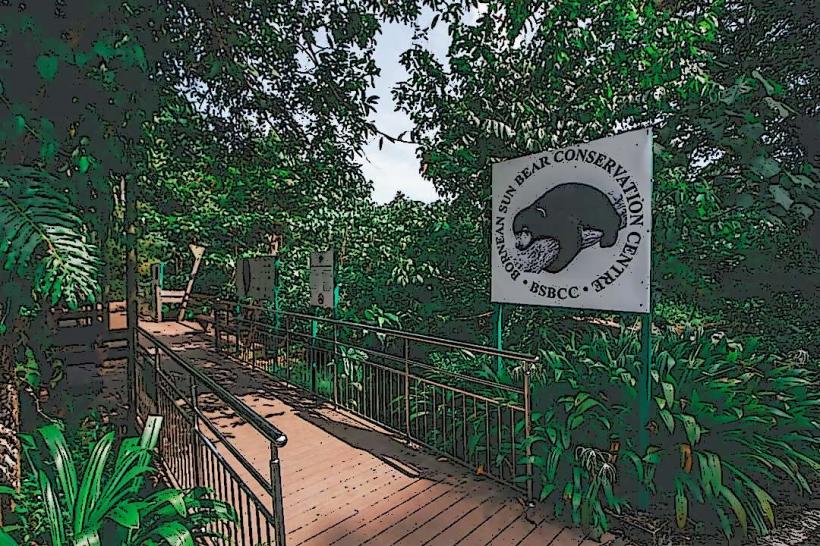
Bornean Sun Bear Conservation Centre (BSBCC): Located adjacent to Sepilok, dedicated to protecting the world's smallest bear species.
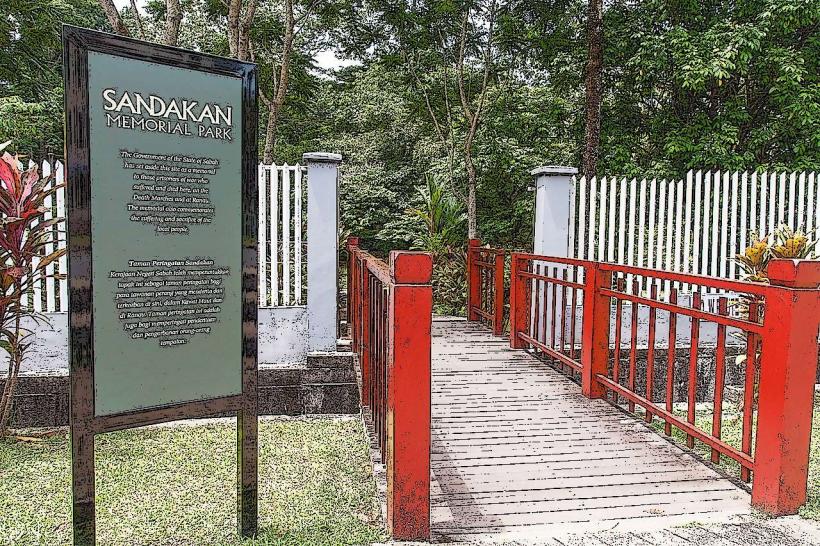
Sandakan Memorial Park: A commemorative site located on the former grounds of the WWII prisoner-of-war camp.
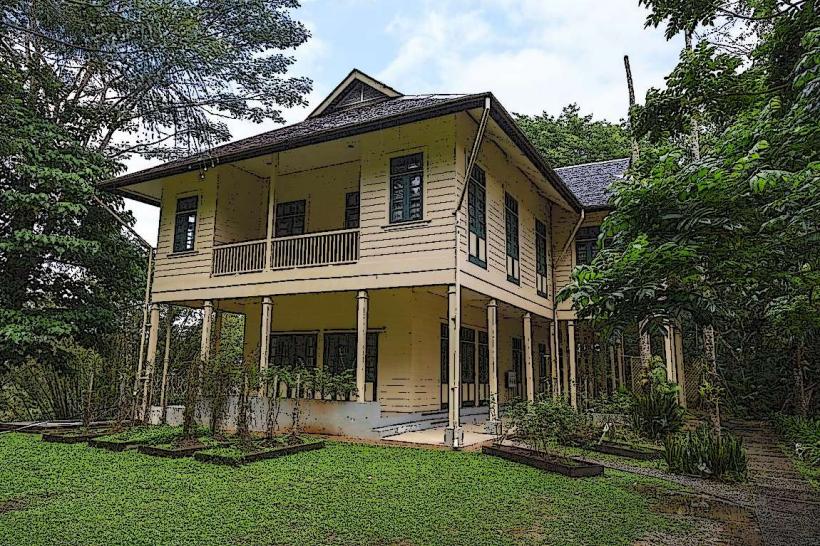
Agnes Keith House: The restored former home of the American author who wrote Land Below the Wind, offering insight into colonial life.
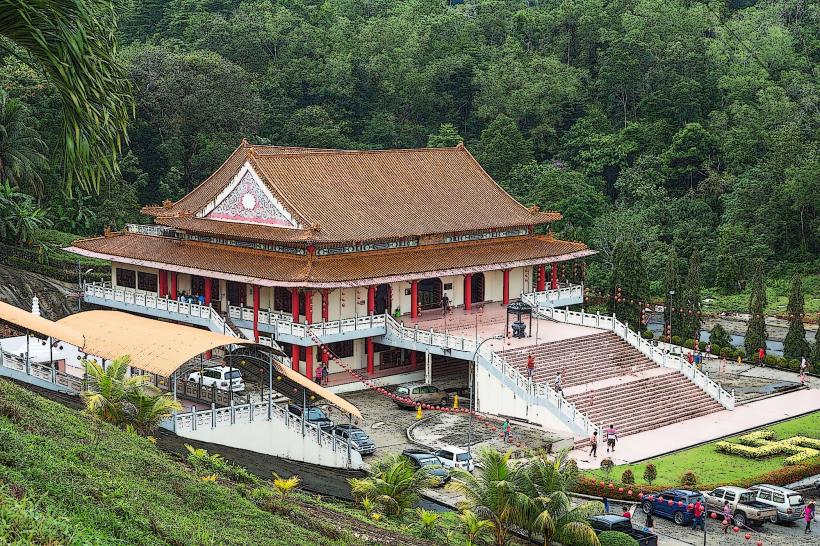
Puu Jih Shih Buddhist Temple: A large temple situated on a hilltop providing a panoramic view of Sandakan Bay.
Transportation Network
Air: Sandakan Airport (SDK) offers frequent daily flights to Kota Kinabalu and Kuala Lumpur.
Road: Connected to Kota Kinabalu via the A4 Highway (approx. 6 hours). Grab is the standard for local transit.
Sea: Boats depart from the Sandakan Yacht Club or private jetties for the Turtle Islands and Kinabatangan River lodges.
Safety & "Red Zones"
ESSZONE Security: As part of the Eastern Sabah Security Zone, there is a high presence of Malaysian security forces. A sea curfew (6:00 PM to 6:00 AM) is often in effect for all vessels in the waters off Sandakan to prevent cross-border crime.
Wildlife: When visiting Sepilok, keep all belongings (especially cameras and bags) secure; macaques are aggressive and prone to theft.
Digital & Financial Infrastructure
5G coverage is stable within the town center and Tanah Merah. The currency is the Malaysian Ringgit (MYR). ATMs are abundant in malls like Harbour Mall Sandakan. Contactless payment is standard in supermarkets, but cash is required for local seafood markets and rural eco-lodges.
Climate & Air Quality
Equatorial climate: hot and humid year-round ($24^\circ\text{C}$ to $32^\circ\text{C}$). The wettest months are November through February during the Northeast Monsoon. Air quality is excellent due to the proximity to the Sulu Sea and vast forest reserves.
Culture & Social Norms
Seafood Culture: Sandakan is widely considered to have the best and cheapest seafood in Malaysia.
Language: Cantonese is the primary Chinese dialect; Malay and English are the common languages for trade and tourism.
Cuisine: Signature items include UFO Tarts (cow dung tarts), Sandakan Salted Fish Noodles, and fresh Giant Freshwater Prawns.
Local Cost Index (MYR)
1 Seafood Meal (Group): RM 40.00–RM 100.00
1 Entry to Sepilok (Tourist): RM 30.00
1 Grab Ride (Town to Sepilok): RM 25.00–RM 35.00
Nearby Day Trips
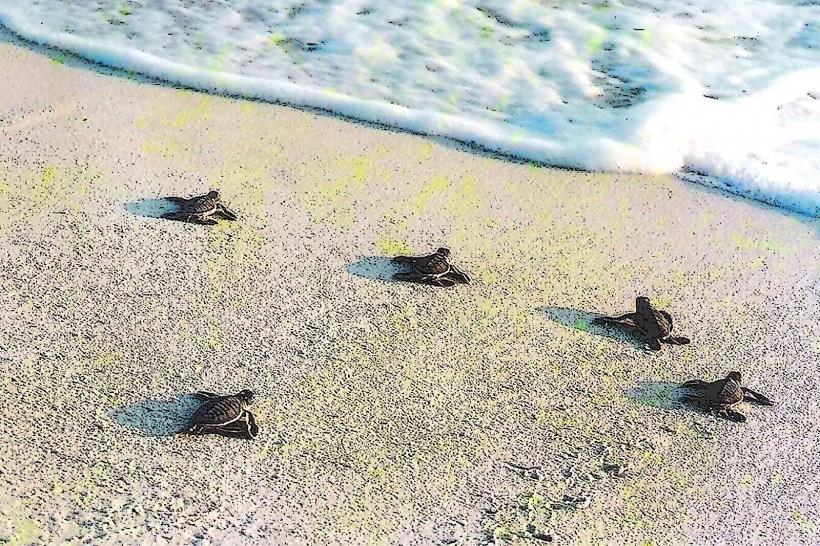
Turtle Islands Park (Selingan): A conservation area 40 km offshore where Green and Hawksbill turtles nest year-round.
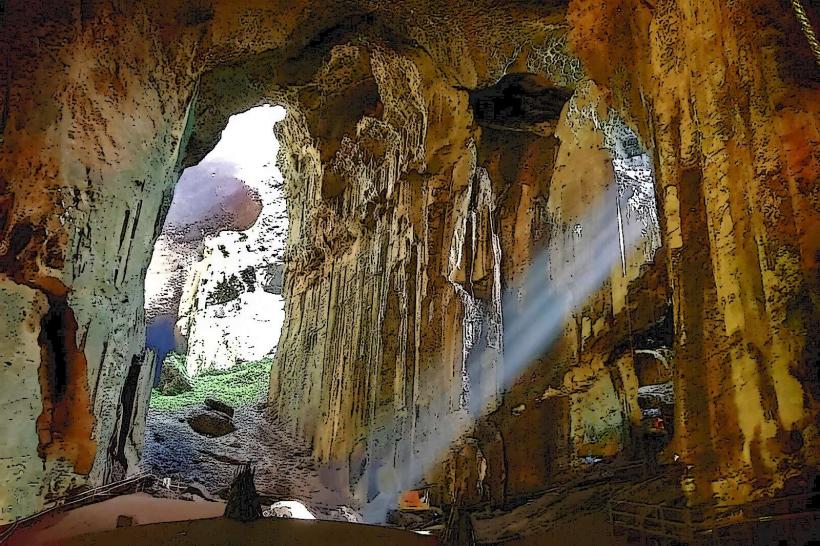
Gomantong Caves: Massive limestone caves famous for bird's nest harvesting and a complex ecosystem of bats and swiftlets.
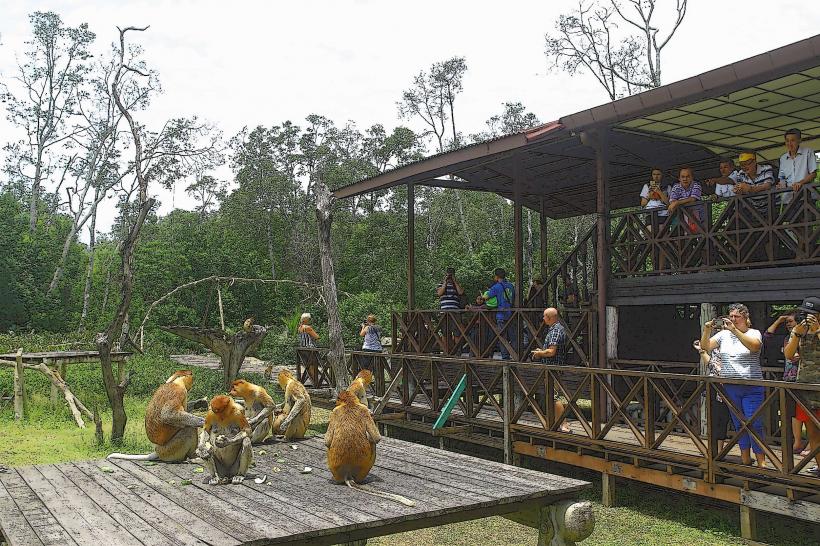
Kinabatangan River: A 2-hour drive south; the best location in Malaysia for spotting proboscis monkeys, crocodiles, and pygmy elephants.
Facts & Legends
Legend says the "Batu Sapi" (Cow Stone) rock formation was a cow that was turned into stone by a curse. A geographic fact: Sandakan is the only place in the world where three distinct species of apes (Orangutans, Gibbons, and Proboscis Monkeys) can be found in such close proximity. Historically, Sandakan was so wealthy in the late 19th century that it had a higher concentration of millionaires than almost any other city in the East.