Information
City: MiriCountry: Malaysia
Continent: Asia
Miri, Malaysia, Asia
Miri is the second-largest city in Sarawak, located on the northwest coast of Borneo near the border of Brunei. It is the birthplace of Malaysia’s petroleum industry and serves as the primary logistical hub for five UNESCO-recognized and world-class national parks.
Historical Timeline
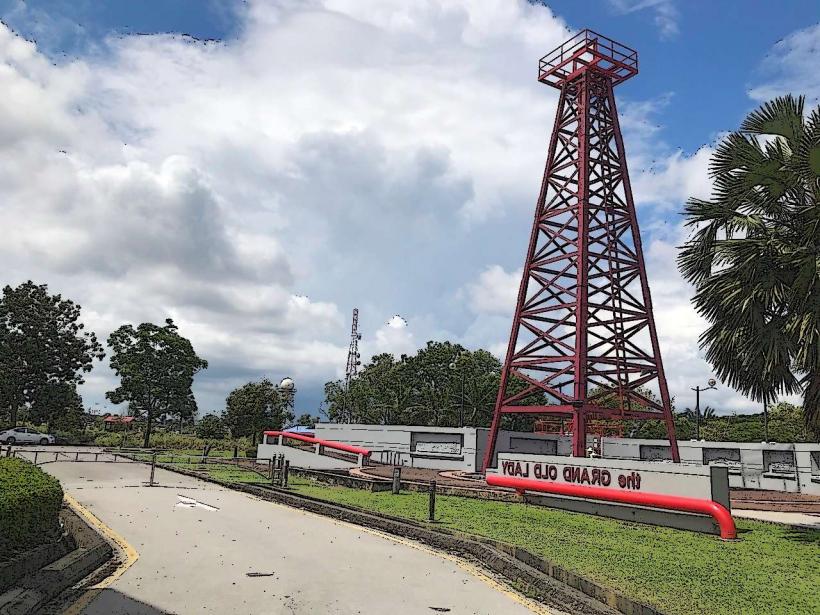
Miri’s modern history began in 1910 with the discovery of oil by Royal Dutch Shell at Canada Hill. The first oil well, "Grand Old Lady," triggered a rapid transition from a fishing village to a colonial administrative center. During WWII, Miri was the first landing point for Japanese forces in Borneo. In 2005, it was granted city status, becoming the first non-state capital in Malaysia to achieve the rank.
Demographics & Population
The population is approximately 310,000. The demographic is a diverse mix of Chinese, Malay, and indigenous groups, including the Iban, Bidayuh, Kayan, Kenyah, and Kelabit. The economy is heavily reliant on oil and gas (Shell and Petronas), timber, palm oil, and eco-tourism.
Urban Layout & Key Districts
Miri City Centre: The commercial core featuring the Miri Waterfront, shopping malls, and colonial-era shophouses.
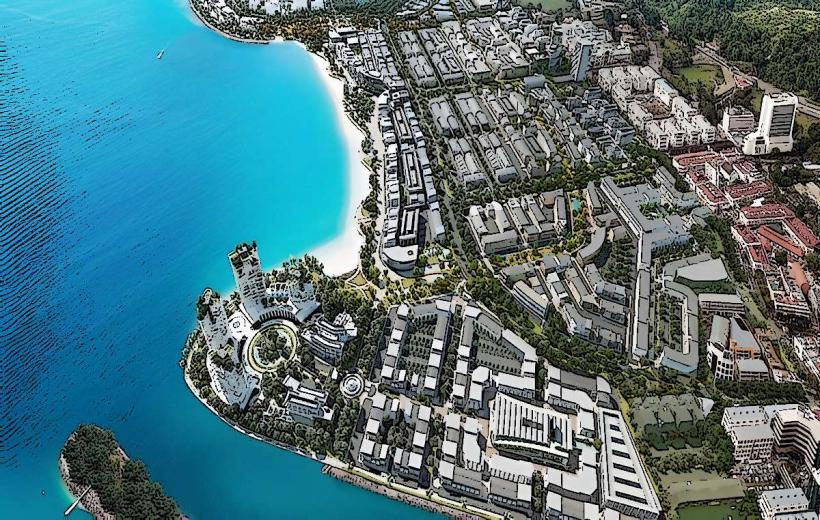
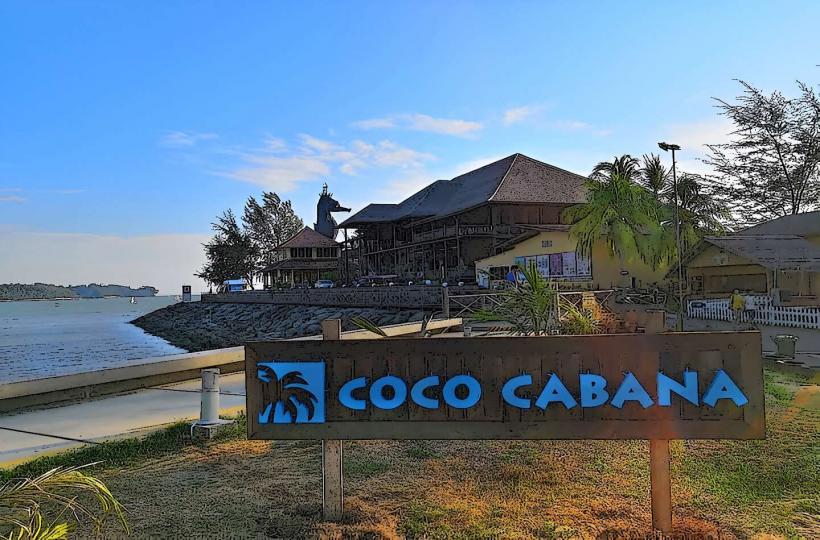
Marina ParkCity: A modern, high-end commercial and residential waterfront development on reclaimed land.
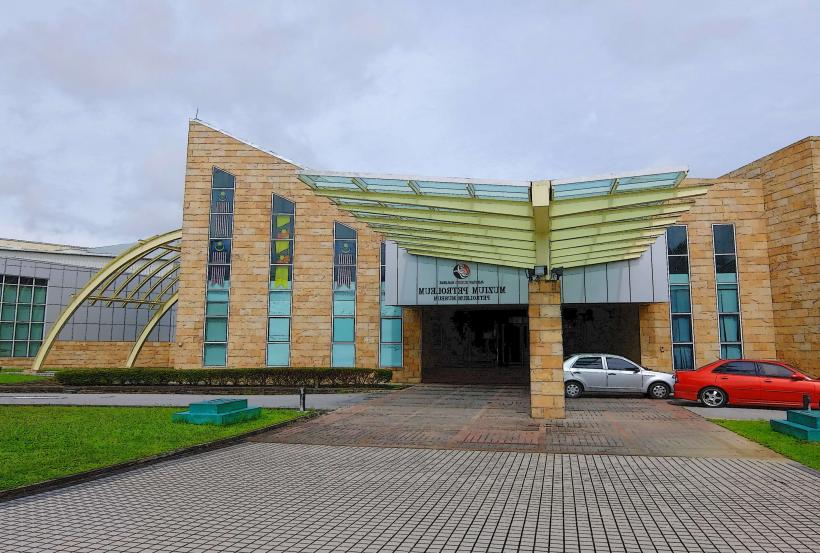
Canada Hill (Bukit Kanada): A limestone ridge overlooking the city, housing the Petroleum Museum.
Senadin & Lutong: Northern districts; Lutong is the historic base for Shell operations, while Senadin is an educational hub (Curtin University).
Piasau: A residential area known for its nature reserve and hornbill sightings.
Top Landmarks
The Grand Old Lady (Well No. 1): Malaysia’s first oil well located atop Canada Hill.
Petroleum Museum: An educational complex detailing the geological and industrial history of the region.
Miri City Fan: A $26$-acre award-winning urban park shaped like a fan, containing various themed gardens.
Tua Pek Kong Temple: The oldest Chinese temple in Miri ($1913$), situated near the central fish market.
San Ching Tian Temple: One of the largest Taoist temples in Southeast Asia.
Transportation Network
Air: Miri Airport (MYY) is a major hub for MASwings, providing "Rural Air Services" to the Borneo interior (Bario, Mulu, Marudi).
Road: Directly connected to the Pan-Borneo Highway. It is the gateway for cross-border travel to Brunei via the Sungai Tujoh CIQ.
Public Transit: Served by local buses and Grab.
River: Miri River serves as a vital artery for industrial logistics and regional boat transport.
Safety & "Red Zones"
Natural Hazards: During the monsoon (December–February), low-lying areas near Lutong and the Miri River are prone to tidal flooding.
Environment: Do not swim in the Miri River or murky coastal estuaries due to the presence of saltwater crocodiles.
Security: Use official checkpoints when entering Brunei; ensure passports are stamped correctly to avoid "illegal exit" fines.
Digital & Financial Infrastructure
5G coverage is universal within the city limits and Marina ParkCity. The currency is the Malaysian Ringgit (MYR). ATMs are abundant in malls like Bintang Megamall and Permaisuri Imperial City Mall. Contactless payment via Sarawak Pay (S-Pay) and cards is the standard for urban commerce.
Climate & Air Quality
Equatorial climate: hot and humid year-round ($24^\circ\text{C}$ to $32^\circ\text{C}$). Air quality is generally high, though localized "haze" from regional agricultural burning can occur during the dry season (July–September).
Culture & Social Norms
Gateway to the Interior: Miri is the starting point for expeditions to the Kelabit Highlands; respect for indigenous land rights and customs is expected.
Birdwatching: The city is unique for having a population of Oriental Pied Hornbills living in the Piasau Nature Reserve within urban limits.
Cuisine: Specialized in Midin (jungle fern), Lalak (clams), and Kek Lapis Sarawak (layered cake).
Local Cost Index (MYR)
1 Local Meal: RM 8.00–RM 15.00
1 Espresso (Marina): RM 10.00–RM 16.00
1 Flight to Mulu (One-way): RM 100.00–RM 250.00
Nearby Day Trips
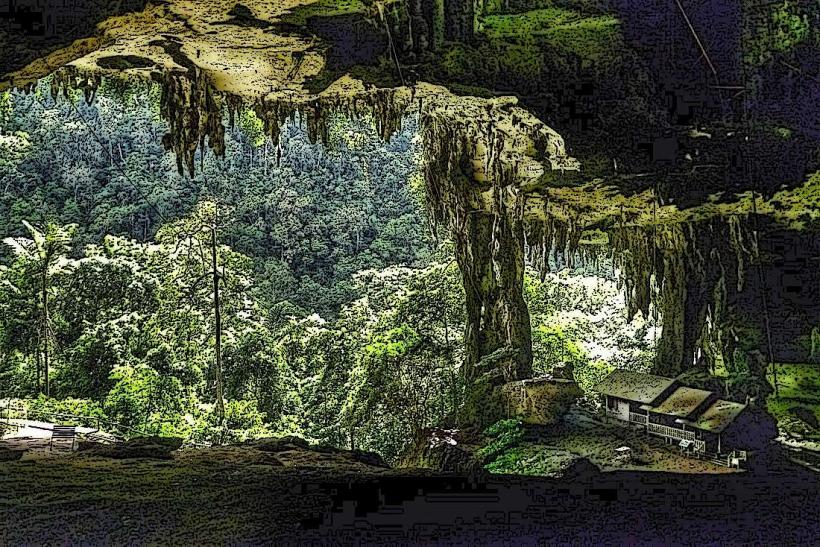
Niah National Park: $1.5$ hours south; contains massive limestone caves with evidence of human habitation dating back 40,000 years.
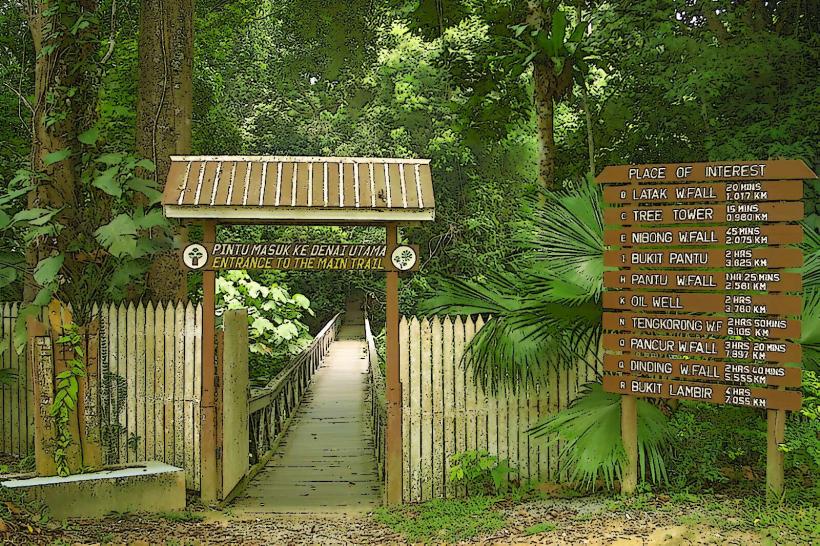
Lambir Hills National Park: Known for high biodiversity and numerous waterfalls, 30 minutes from the city.
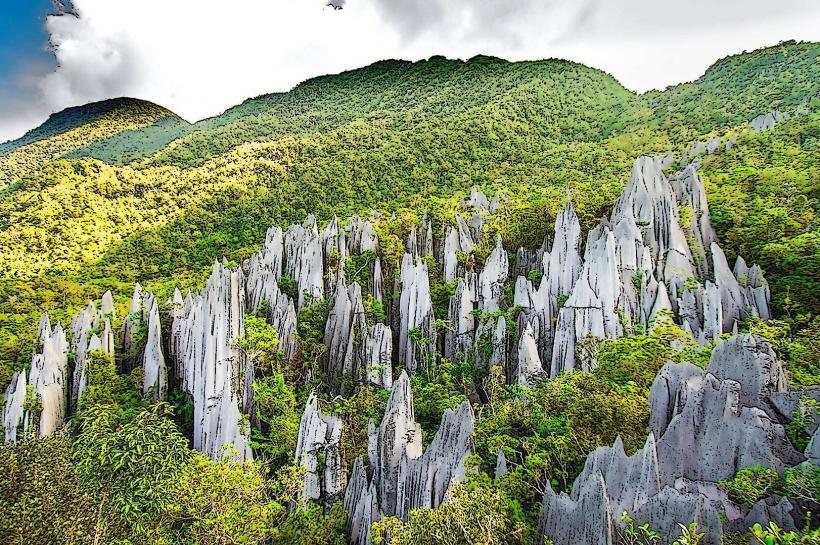
Gunung Mulu National Park: Accessible via a 30-minute flight; a UNESCO site featuring the world's largest cave chamber (Sarawak Chamber).
Facts & Legends
Legend says Canada Hill was named after a Canadian engineer who lived there during the early oil boom, though official records remain vague. A geographic fact: Miri is the main gateway to the "Heart of Borneo," a conservation initiative covering $22$ million hectares of rainforest. Historically, the city’s rapid growth led to it being the first city in Malaysia not to be a state capital, a testament to its economic importance.