Information
City: GilletteCountry: USA Wyoming
Continent: North America
Gillette, USA Wyoming, North America
Gillette is an incorporated city and the seat of Campbell County, located in the Powder River Basin between the Bighorn Mountains and the Black Hills. Known as the "Energy Capital of the Nation," it is defined by its immense coal, oil, and methane gas reserves. It serves as the critical power engine for the United States, providing roughly 35% of the nation's coal.
Historical Timeline
Inhabited by the Crow, Cheyenne, and Lakota peoples. A critical historical event occurred in 1891 when the town was established as a major railhead for the Chicago, Burlington and Quincy Railroad. It was named after Edward Gillette, a railroad surveyor who saved the company significant funds by rerouting the line. The discovery of the Wasson Oil Field in 1948 and the subsequent coal boom of the 1970s transformed the small ranching town into a high-density industrial city. In 2026, Gillette is transitioning toward Advanced Carbon Products and "clean coal" research at the Wyoming Integrated Test Center.
Demographics & Population
The 2026 population is approximately 33,850. The demographics are White (85%), Hispanic or Latino (10.5%), and Two or more races (8%). The median household income is approximately $90,700, significantly higher than the national average due to high-wage mining and energy sector jobs.
Urban Layout & Key Districts
Gillette is a linear city that expanded rapidly to accommodate industrial growth.
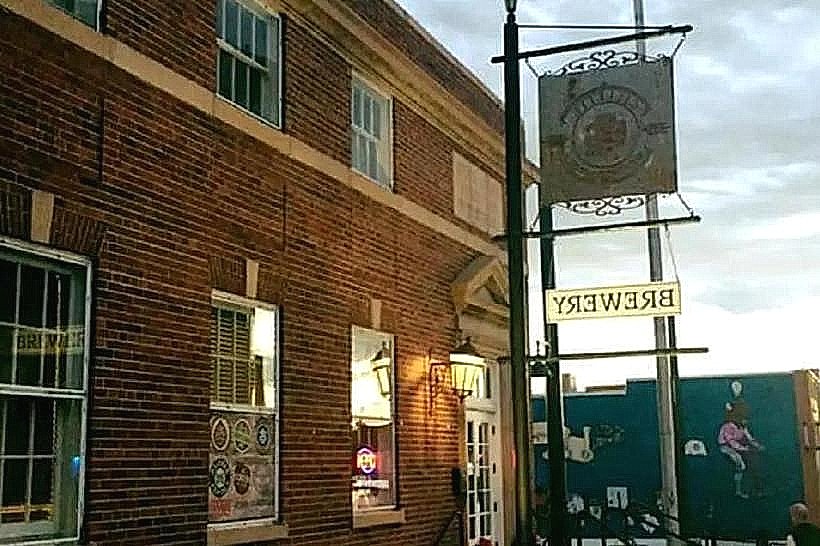
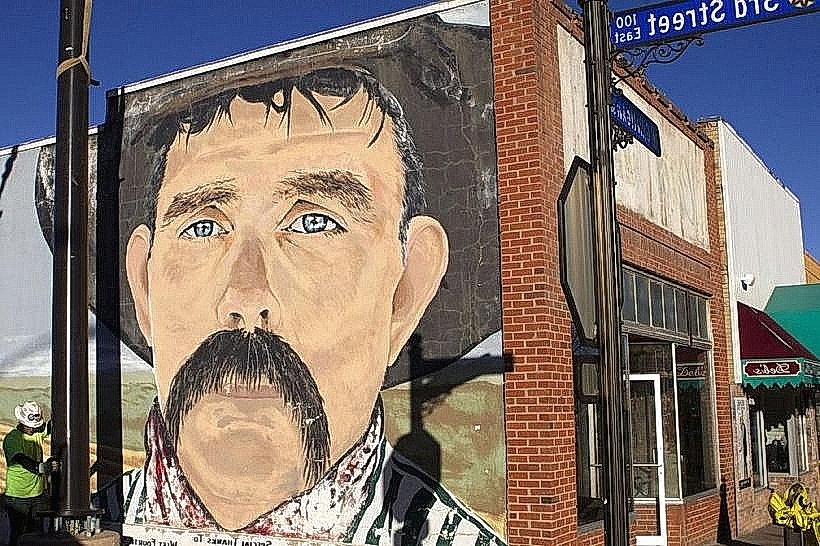
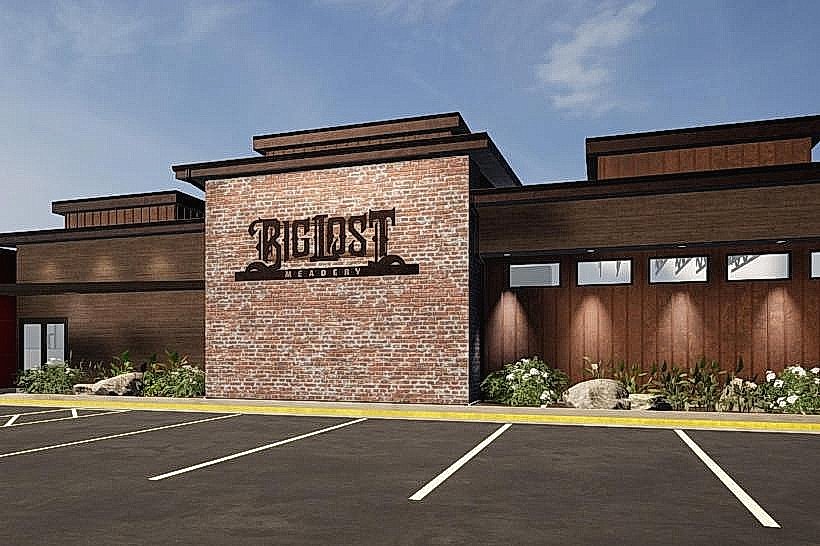
Historic Downtown: The original core; features the "Avenues of Art" sculpture walk, independent breweries, and the historic post office (now a pizzeria).
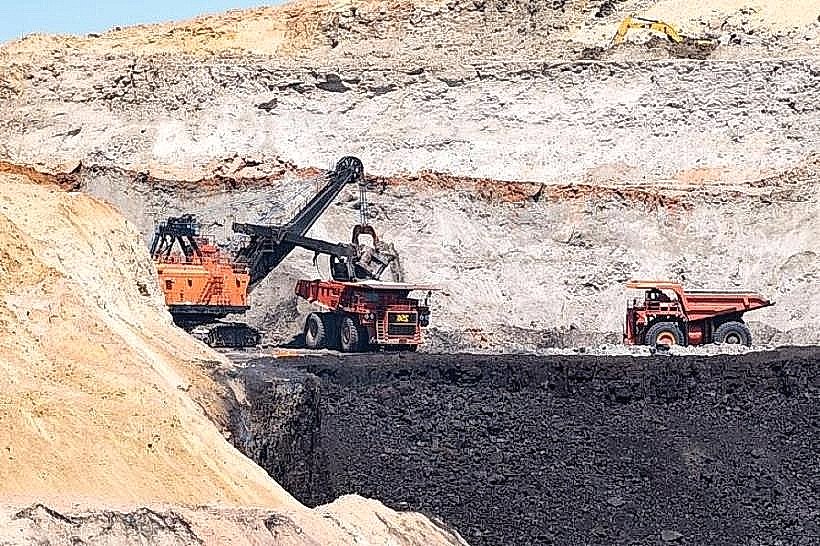
The Energy Corridor: Located on the outskirts; contains the massive coal mine overlooks and industrial support facilities.
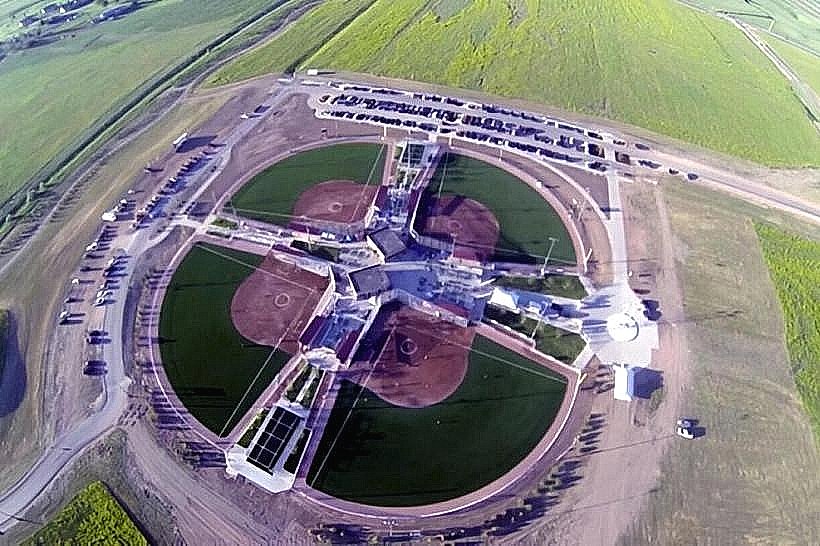
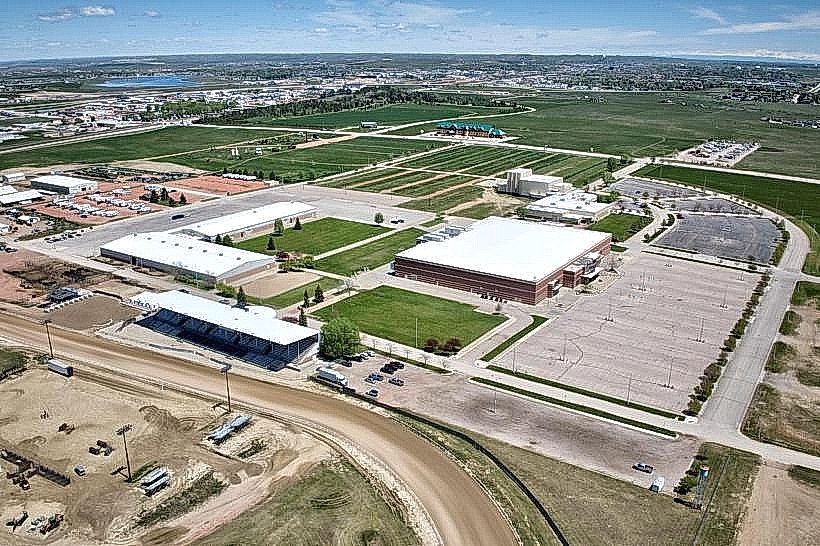
CAM-PLEX District: A 1,000-acre multi-event complex on the eastern edge that serves as the region's cultural and competitive focal point.
Top City Landmarks
Eagle Butte & Black Thunder Coal Mines: Two of the largest surface mines in the world; Eagle Butte offers seasonal guided tours showing massive 400-ton haul trucks.
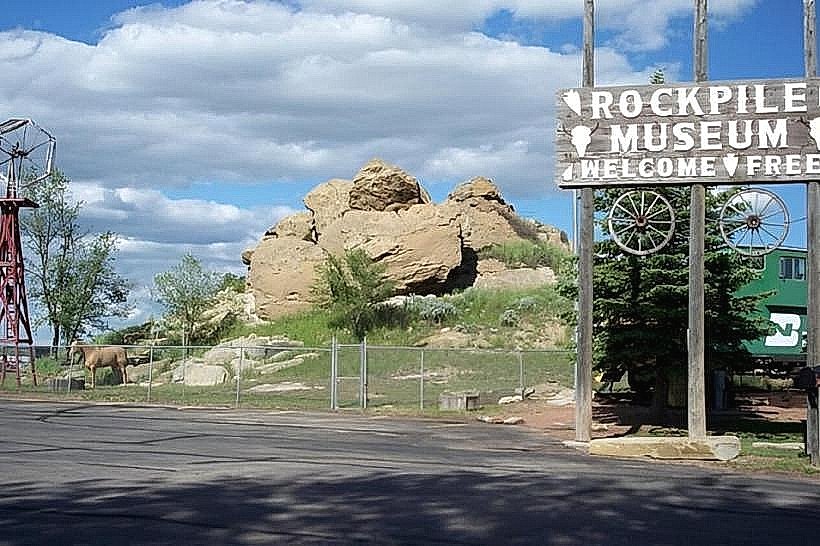
Campbell County Rockpile Museum: Focuses on the history of the Powder River Basin, featuring fossils, pioneer wagons, and coal mining equipment.
CAM-PLEX Multi-Event Facilities: The largest facility of its kind in the West, hosting the National High School Finals Rodeo and major conventions.
Frontier Relics & Auto Museum: A 13,000 sq ft collection of classic cars, neon signs, and Americana from the mid-20th century.
Durham Bison Ranch: (Located 50 km south); one of the world's oldest and largest working bison ranches with over 3,000 head of buffalo.
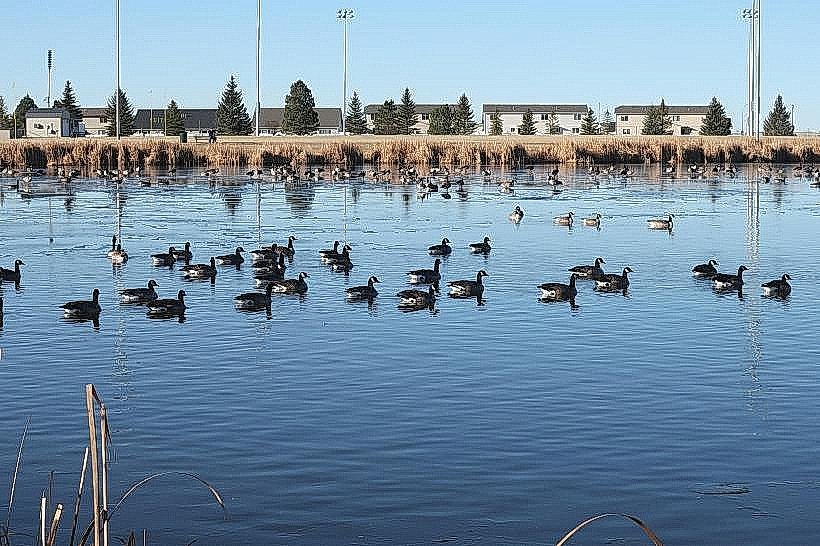
Dalbey Memorial Park: A 120-acre urban park featuring Fishing Lake, children's "Adventure Point," and multi-use trails.
Transportation Network
Movement is strictly automotive. Gillette is centered on I-90 and US-14/16. Gillette-Campbell County Airport (GCC) offers daily commercial service to Denver and Salt Lake City. Public transit is limited to the Waystation shuttle. There is no passenger rail service; the BNSF coal trains (often 100+ cars long) are a constant presence.
Safety & "Red Zones"
The general safety level is high, though property crime rates are slightly elevated compared to rural Wyoming due to the transient nature of energy labor. Environmental hazards are the primary concern: Severe wind (gusts over 90 km/h), extreme winter blizzards, and high-voltage industrial zones near the mines.
Digital & Financial Infrastructure
Internet speeds are high, with 1 Gbps fiber available via Visionary Broadband and Collins Communications. Mobile service is robust. Card acceptance is universal. Wyoming has no state income tax. Campbell County/Gillette levies a 5% total sales tax.
Climate & Air Quality
Temperatures range from -9°C to 2°C in winter and 14°C to 30°C in summer. The area is semi-arid and extremely windy. Air quality is generally good, though proximity to active surface mines means localized dust can be an issue during high-wind events.
Culture & Social Norms
The standard tipping percentage is 20%. A "Hardworking-Direct" greeting is standard. Dress codes are "Industrial-Casual" (FR-rated workwear and steel-toed boots are common even in casual dining). The city is culturally defined by Energy Production, Rugged Individualism, and High School Sports.
Local Cost Index
1 Espresso: $4.50 (USD)
1 Standard Lunch: $15.00 (USD)
1 Coal Mine Tour: $5.00–$10.00.
Nearby Day Trips
Devils Tower National Monument: (100 km east; the nation's first national monument and a sacred site for tribes).
Keyhole State Park: (55 km east; offering boating, swimming, and hiking around a massive reservoir).
Bighorn Mountains: (105 km west; offering high-alpine escape and the Cloud Peak Wilderness).
Facts & Legends
Gillette provides enough coal to generate roughly 10% of all electricity used in the United States. Historically, the town was a "lawless" tent city known as "Donkey Town" before being renamed. A local legend involves the "Outlaw Mayor," a story about a gunslinger who allegedly beat the sitting mayor and took over the position by force during the early railroad days. Another legend concerns Lake DeSmet (nearby to the west), which is rumored to be inhabited by a pre-historic sea serpent described by early surveyors as a "telephone pole with lard buckets attached."