Information
City: GlendiveCountry: USA Montana
Continent: North America
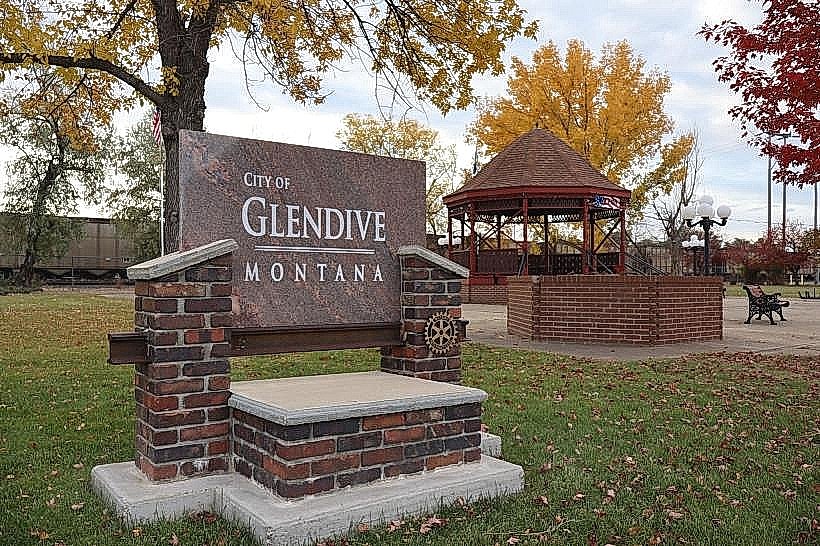
Glendive, USA Montana, North America
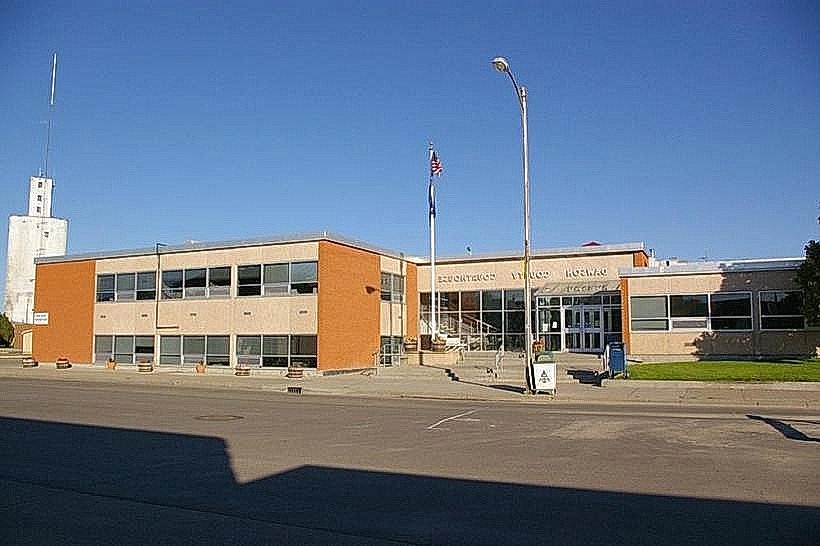
Glendive serves as the administrative seat of Dawson County and functions as a primary agricultural and energy logistics hub for the Bakken Formation region. It is situated on the Yellowstone River in Eastern Montana.
Historical Timeline
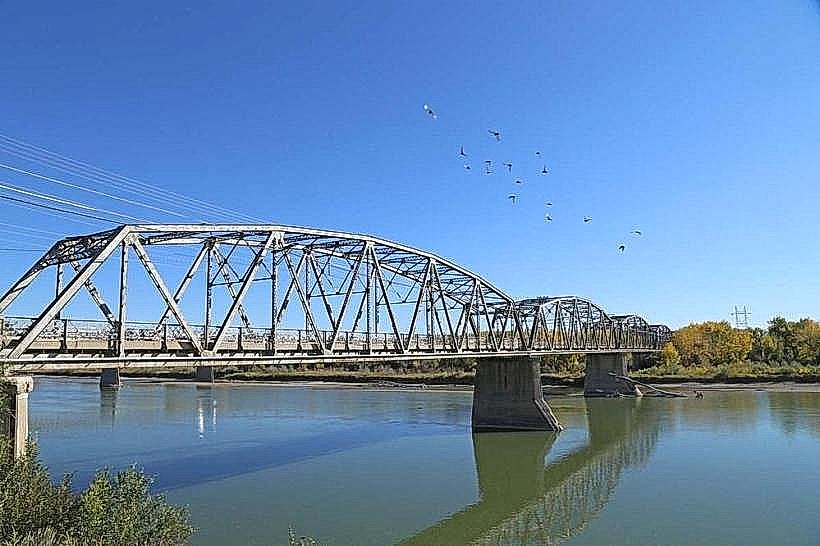
Glendive was incorporated in 1902, originally established as a strategic division point for the Northern Pacific Railway. The city expanded during the early 20th century due to the development of the Lower Yellowstone Irrigation Project and later became a focal point for the 1950s oil boom in the Williston Basin. The most significant architectural event was the 1926 construction of the Bell Street Bridge, which facilitated regional connectivity across the Yellowstone River. The primary event shaping the modern urban form is the ongoing extraction cycles of the Montana-Dakota oil fields.
Demographics & Population
The population within city limits is approximately 4,900, with a county population of roughly 8,900. The primary demographics are White (91.2%), Hispanic (3.4%), and Native American (1.8%). The median age is 41.5 years.
Urban Layout & Key Districts
The city is organized along the south bank of the Yellowstone River, divided by the BNSF Railway corridor. The Downtown District serves as the commercial core, located north of Towne Street. West Glendive, located across the river via Interstate 94, functions as the primary corridor for hospitality and industrial services.
Top City Landmarks
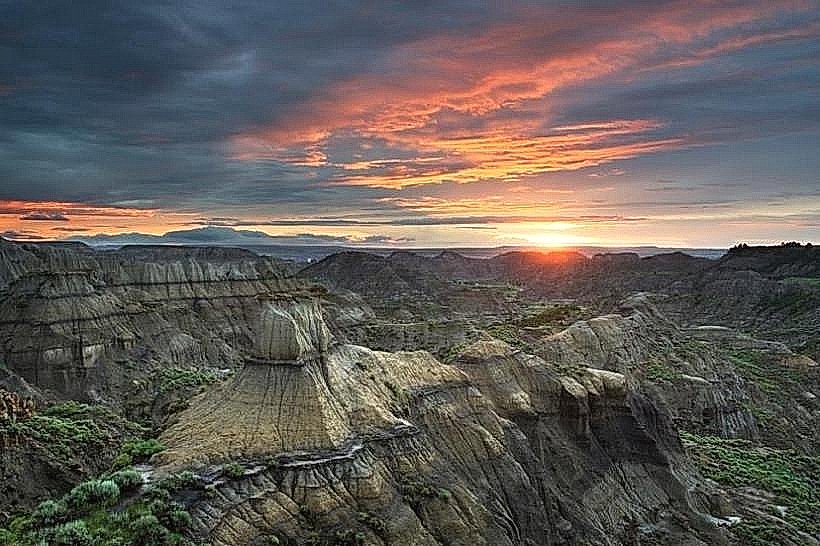
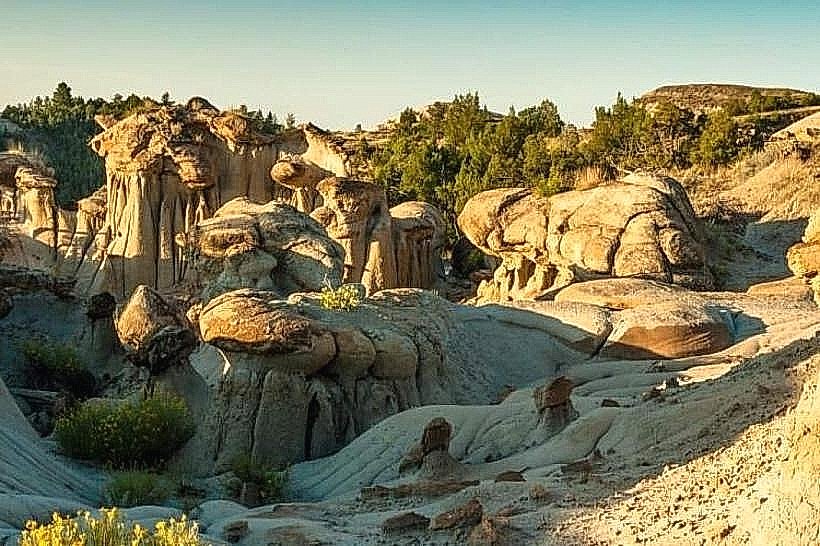
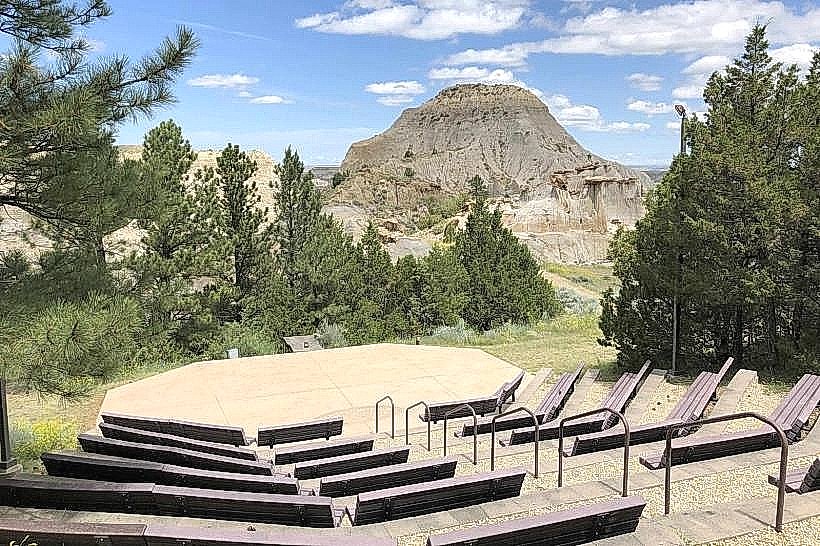
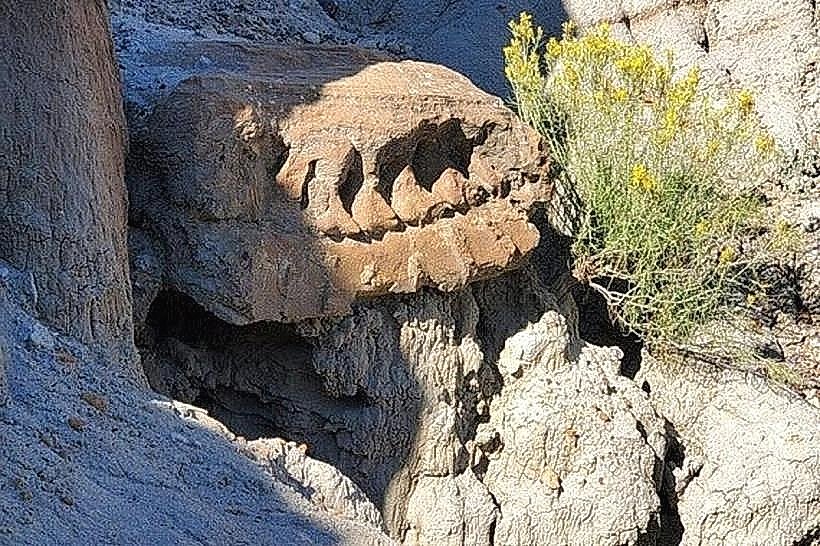
Makoshika State Park (Montana's largest state park)
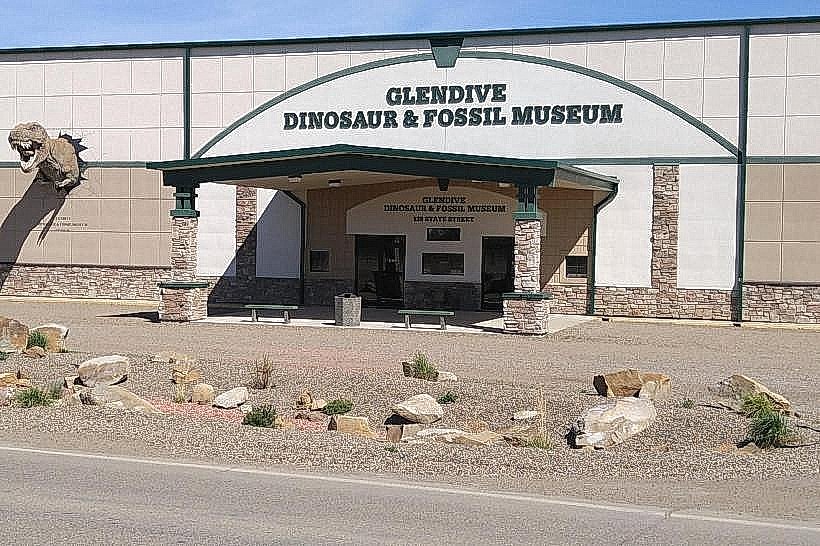
Glendive Dinosaur and Fossil Museum
The Bell Street Bridge
Transportation Network
Movement within Glendive is dependent on private vehicles. The Urban Transportation District of Dawson County provides limited "Dial-a-Ride" van services. Amtrak’s nearest passenger rail access is in Sidney or Wolf Point; Glendive remains a freight-heavy rail node. Ride-sharing apps like Uber/Bolt are unavailable. Local transit is supplemented by private shuttle services. Traffic density is negligible, though heavy truck traffic is frequent on Merrill Avenue.
Safety & "Red Zones"
The general safety level is very high. There are no specific "red zones" or neighborhoods to avoid. Common scams are non-existent; however, drivers should exercise extreme caution for mule deer and pronghorn crossings on Highway 16 and I-94, especially at dawn and dusk.
Digital & Financial Infrastructure
Average internet speed is 100-250 Mbps via Midco or Range Communications. Main mobile carriers are Verizon and T-Mobile. Card acceptance is high at retail and dining establishments. ATMs are readily available at local branches such as Bravera Bank and Gate City Bank.
Climate & Air Quality
Temperatures range from -15°C in January to 32°C in July. The climate is semi-arid with high vulnerability to "Arctic blasts" in winter. Air quality is generally high, though localized dust from agricultural activity and seasonal wildfire haze from the Pacific Northwest can occur.
Culture & Social Norms
Tipping is expected at 18-20% for table service. Handshakes are the standard professional and social greeting. Dress code is utilitarian, favoring denim and durable outdoor gear. Alcohol is sold in taverns and casinos; Montana law prohibits smoking in all public indoor spaces.
Accommodation Zones
Stay in West Glendive (near I-94) for modern hotel chains and quick highway access.
Stay in the Central District for proximity to the Dinosaur Museum and local diners.
Local Cost Index
1 Espresso: $4.25 (750 JPY)
1 Standard Lunch: $14.00 (2,475 JPY)
1 Gallon of Gasoline (reference for transit): $3.40 (600 JPY)
Nearby Day Trips
Theodore Roosevelt National Park, ND (65 miles east)
Medicine Rocks State Park (80 miles south)
Terry Badlands (40 miles west)
Fort Peck Lake (115 miles northwest)
Facts & Legends
Glendive is a focal point of the "Hell Creek Formation," a world-renowned geological layer containing exceptionally preserved dinosaur fossils. Local legend persists regarding "The Glendive Pterodactyl," a series of unverified sightings in the late 19th century involving a prehistoric flying reptile allegedly emerging from the surrounding Badlands, a myth fueled by the region's massive fossil deposits.