Information
City: Glenwood SpringsCountry: USA Colorado
Continent: North America
Glenwood Springs, USA Colorado, North America
Glenwood Springs is a home rule city and the seat of Garfield County, situated at the confluence of the Colorado and Roaring Fork Rivers. It is defined by its status as a "Spa in the Mountains," its unique location within the narrow, red-walled Glenwood Canyon, and its history as a premier wellness destination centered around the largest mineral hot springs pool in the world.
Historical Timeline
Inhabited for centuries by the Nomadic Ute people, who considered the mineral waters sacred for their healing properties. Primary governance eras began with its 1883 founding as the town of "Defiance" and its 1885 incorporation. A critical historical event was the 1887 arrival of the Denver & Rio Grande Railroad, which transformed the town from a gritty camp of miners and trappers into a high-end resort. The late 19th century was marked by the construction of the Hotel Colorado (1893), which hosted figures such as Teddy Roosevelt. Unlike many neighboring mountain towns, Glenwood Springs never depended solely on mining, maintaining its identity as a tourist and transportation hub through the 20th century.
Demographics & Population
The population is approximately 10,300 (2026 estimate). The demographics are White (61%), Hispanic or Latino (36%), and smaller percentages of Asian and Black populations. The economy is driven by tourism and hospitality, healthcare (Valley View Hospital), and its role as the regional commercial hub for the Roaring Fork Valley.
Urban Layout & Key Districts
The city is constrained by steep canyon walls and two rivers, resulting in a dense, highly walkable urban layout.
Downtown: The commercial core featuring "Restaurant Row" (7th Street), unique boutiques, and the historic train depot.
Hot Springs District: Located north of the Colorado River, housing the major pool complexes, the Hotel Colorado, and vapor caves.
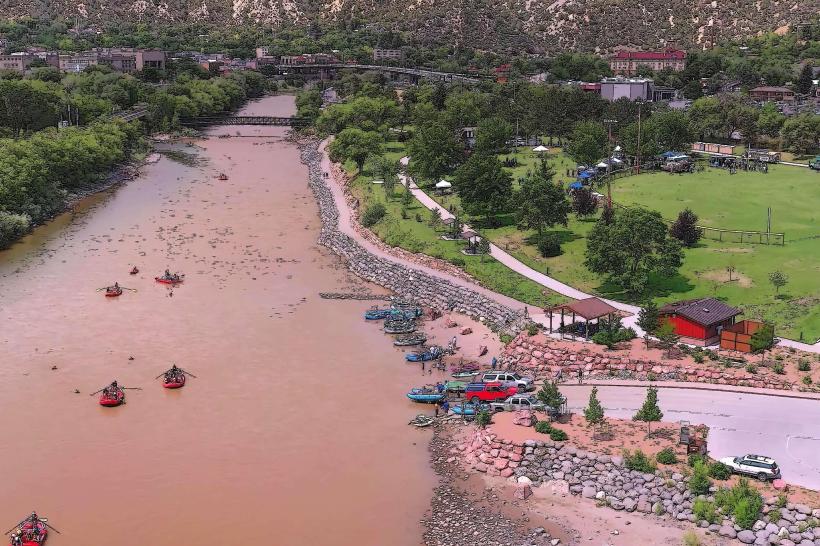
The Confluence: A scenic area where the Roaring Fork meets the Colorado River, acting as a hub for river sports and parks.
South Glenwood: A primary residential and commercial expansion area leading toward Sunlight Mountain Resort.
West Glenwood: A commercial district housing major retail centers and providing access to the Glenwood Caverns Adventure Park.
Top City Landmarks
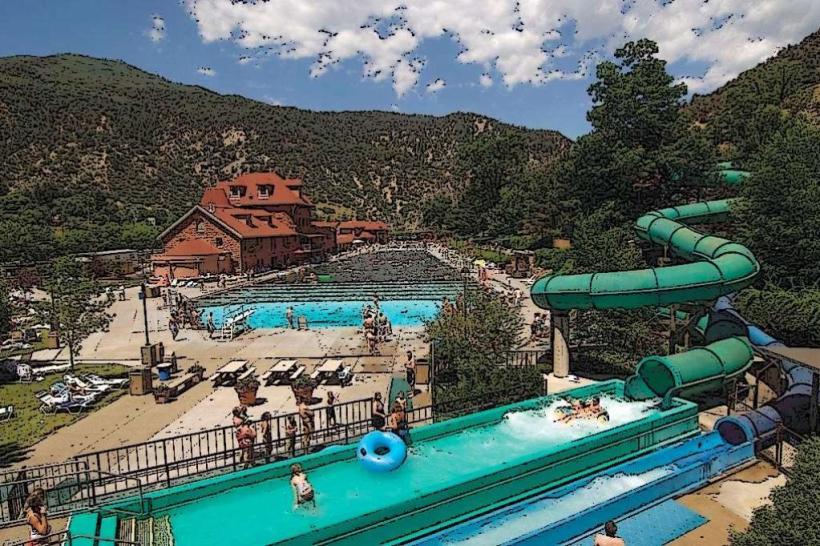
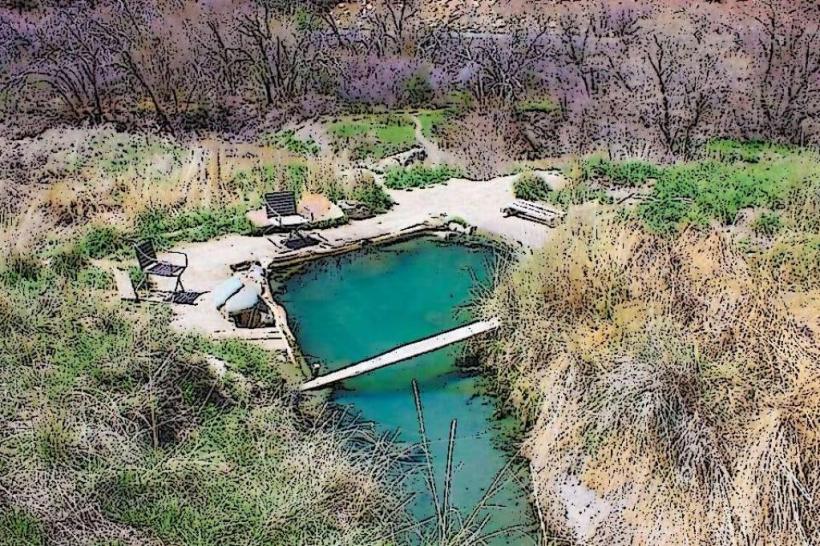
Glenwood Hot Springs Pool: The world's largest mineral hot springs pool, featuring a historic bathhouse and two massive outdoor pools.
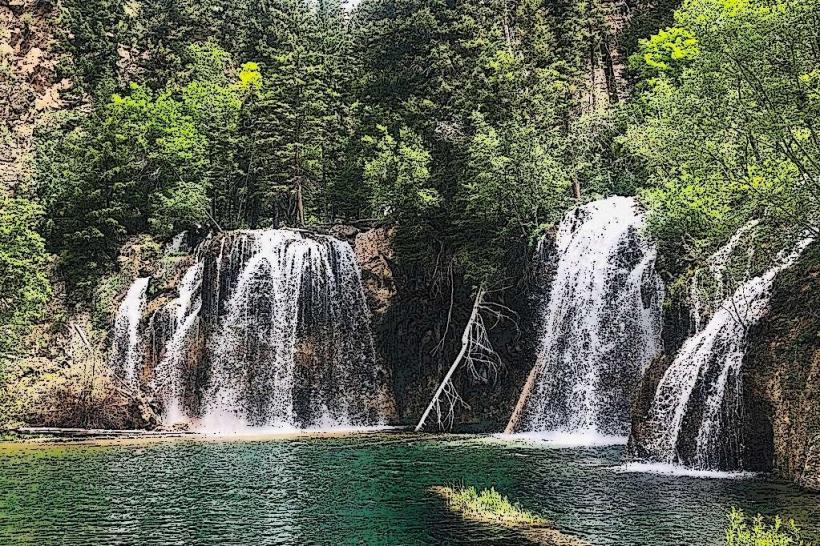
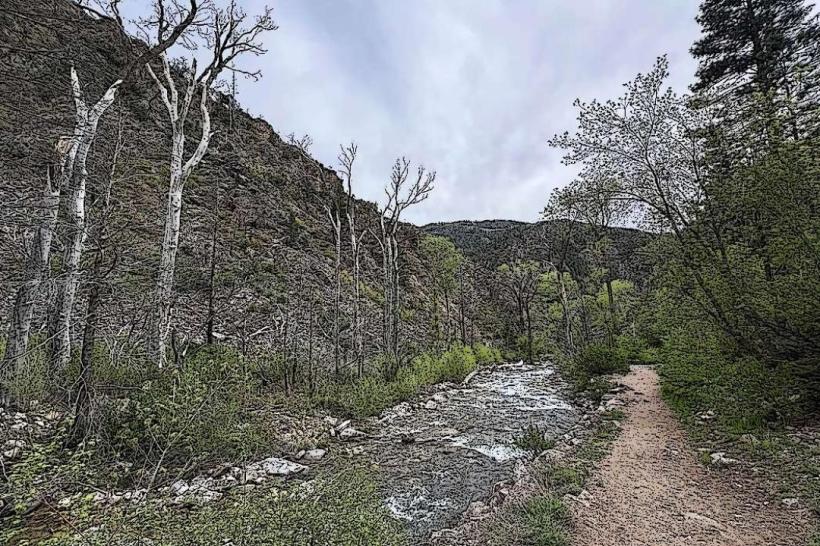
Hanging Lake: A National Natural Landmark in Glenwood Canyon; a rare travertine lake known for its turquoise water and hanging gardens (reservations required).
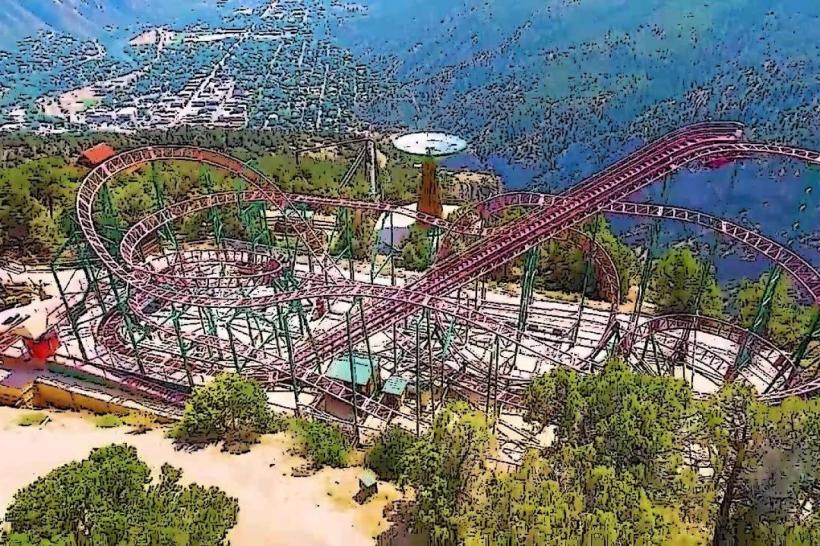
Glenwood Caverns Adventure Park: America’s only mountaintop theme park, accessible via gondola; home to the "Defiance" roller coaster and historic cave tours.
Hotel Colorado: An 1893 landmark known as the "Grand Dame of the Rockies," famously used as a convalescent hospital during WWII.
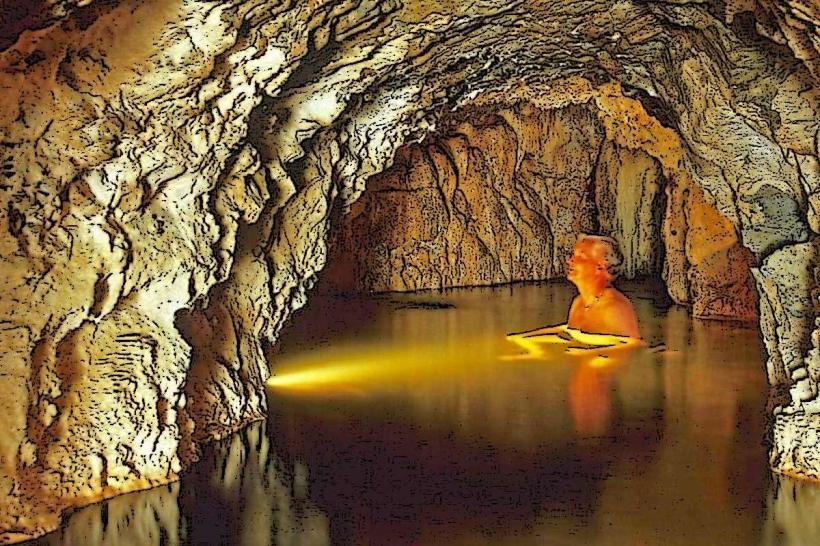
Yampah Spa and Vapor Caves: One of the few places in the world where natural geothermal steam baths occur in underground caverns.
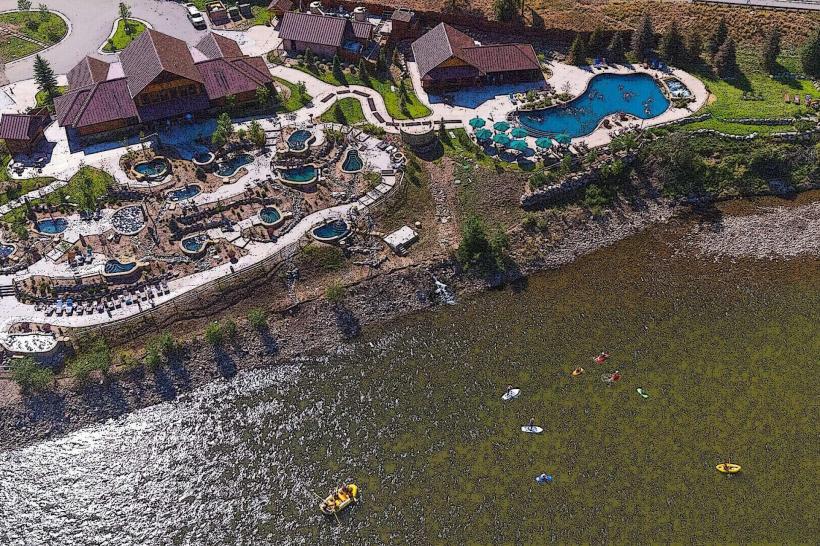
Iron Mountain Hot Springs: A modern facility featuring 16+ smaller soaking pools situated directly along the banks of the Colorado River.
Transportation Network
Movement is supported by the RFTA (Roaring Fork Transit Authority), the second-largest transit system in Colorado, connecting the city to Aspen and Snowmass. The city is a major junction for I-70 and SH-82. Amtrak’s California Zephyr provides daily service from the historic downtown depot. The city is highly walkable and bikeable, featuring the Rio Grande Trail, a 67-km rail-trail extending to Aspen.
Safety & "Red Zones"
The general safety level is very high. Property crime (theft from vehicles at trailheads) is the primary concern. There are no designated "red zones." Environmental hazards include flash flooding and debris flows in Glenwood Canyon, seasonal wildfire risk, and extreme mountain winter conditions.
Digital & Financial Infrastructure
Internet speeds average 400+ Mbps with fiber availability via regional providers and Xfinity. Main mobile carriers are Verizon and AT&T. Card acceptance is universal. ATMs are concentrated in the Downtown and West Glenwood areas.
Climate & Air Quality
Temperatures range from -11°C to 2°C in winter and 12°C to 31°C in summer. The valley location can lead to thermal inversions in winter. Air quality is generally high but frequently impacted by wildfire smoke from the West.
Culture & Social Norms
The standard tipping percentage is 20%. A relaxed, "River-Casual" greeting is standard. Dress codes are "Outdoor-Active" (swimwear and hiking gear are ubiquitous). The city is culturally defined by its Hot Springs Heritage, its Wild West history, and its status as a "gateway" for both river and mountain recreation.
Local Cost Index
1 Espresso: $4.50 (USD)
1 Standard Lunch: $18.00 (USD)
1 Hot Springs Day Pass: $30.00–$45.00.
Nearby Day Trips
Rifle Falls State Park: (45 km west; featuring unique triple waterfalls and limestone caves).
Carbondale, CO: (20 km south; a creative arts district at the base of Mt. Sopris).
Palisade, CO: (95 km west; the heart of Colorado's wine and peach country).
Facts & Legends
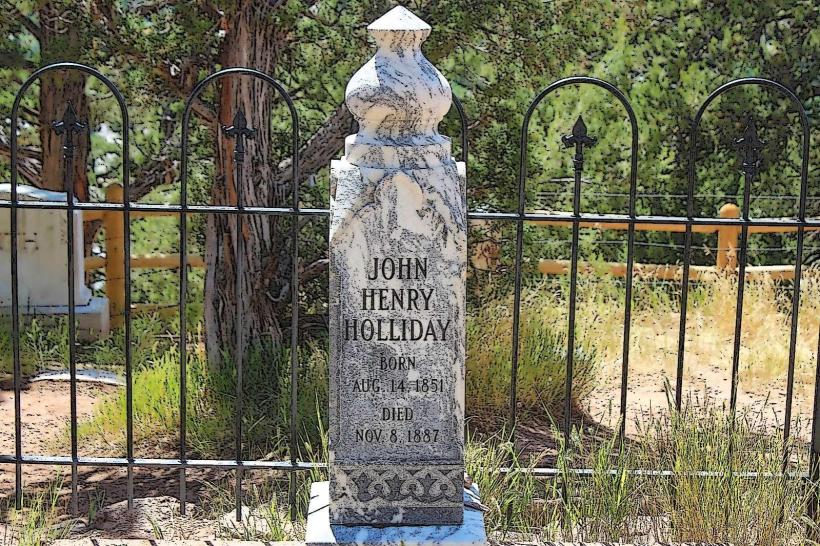
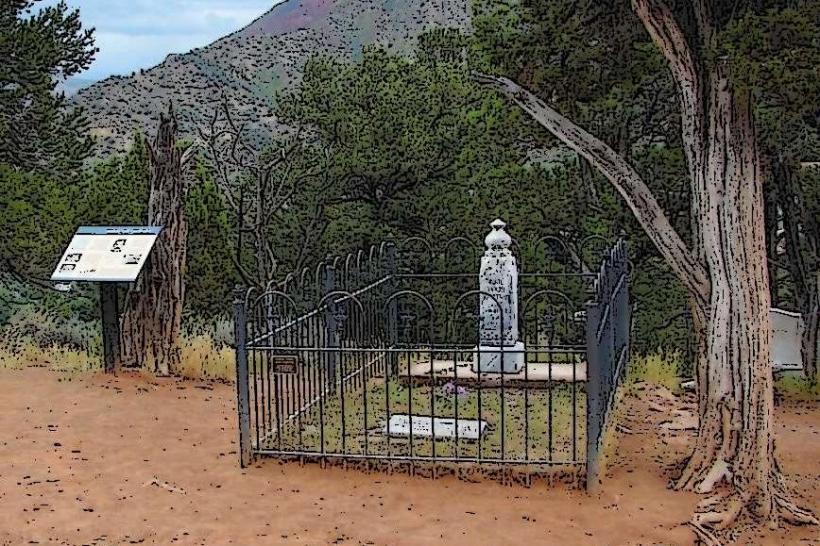
According to local legend, the Teddy Bear was invented at the Hotel Colorado after maids presented a stuffed bear to Teddy Roosevelt to cheer him up after an unsuccessful hunt. Historically, the city is the final resting place of the famous gunfighter Doc Holliday, who died here in 1887; his actual burial spot in Linwood Cemetery remains a mystery. A local legend involves the "Ghost of the Chambermaid" at the Hotel Colorado, a spectral figure said to inhabit the storage areas. Another legend concerns the "Shoshone Call," the oldest and most powerful water right on the Colorado River, which originates at the power plant in Glenwood Canyon.