Information
City: GothenburgCountry: Sweden
Continent: Europe
Gothenburg, Sweden, Europe
Gothenburg (Göteborg) serves as the primary gateway to Sweden’s west coast and the nation's second-largest city. It functions as the Nordic region's largest port and a global automotive hub, characterized by its Dutch-inspired canal system, iconic blue trams, and a pragmatic industrial identity that has evolved into a leading center for sustainability and craft culture.
Historical Timeline
Founded in 1621 by King Gustav II Adolf, the city was meticulously planned by Dutch architects to serve as a fortified trading post and Sweden’s sole direct outlet to the Atlantic. The primary event shaping its modern form was the industrial boom of the 19th and 20th centuries, which established the city as a powerhouse for shipbuilding (Götaverken) and automotive manufacturing. Since the late 20th century, Gothenburg has successfully transitioned into a knowledge-based economy, revitalizing its former shipyards into sustainable residential and tech hubs.
Demographics & Population
The population is approximately 650,000 (2026 estimate), with the metropolitan area exceeding 1.1 million. The demographic is defined by a high concentration of engineers and researchers, supported by the University of Gothenburg and Chalmers University of Technology. It is often cited as Sweden’s friendliest and most sociable city.
Urban Layout & Key Districts
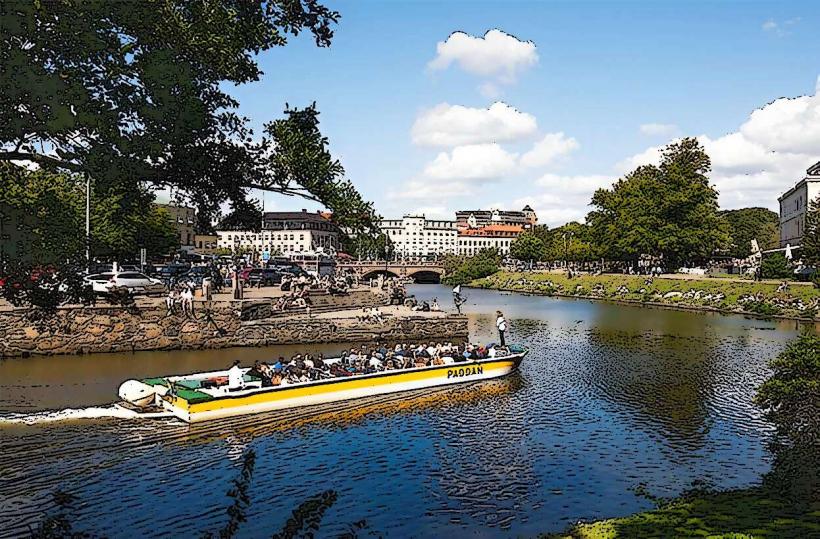
Gothenburg is built around the Göta River and a 17th-century moat.
Inom Vallgraven: The historic center within the moat, housing the main shopping districts.
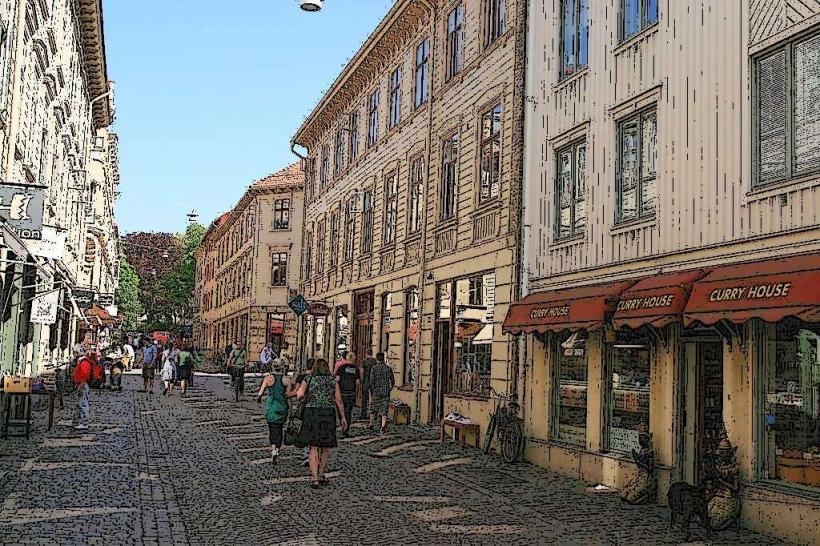
Haga: One of the oldest neighborhoods, famous for its preserved wooden landshövdingehus (governor's houses) and cobblestone streets.
Linné: A vibrant residential area known for its broad avenues and diverse restaurant scene.
Majorna: A creative, bohemian district with a strong local community feel.
Avenyn (Kungsportsavenyn): The city’s main boulevard for high-end dining and nightlife, terminating at the Poseidon statue.
Top City Landmarks
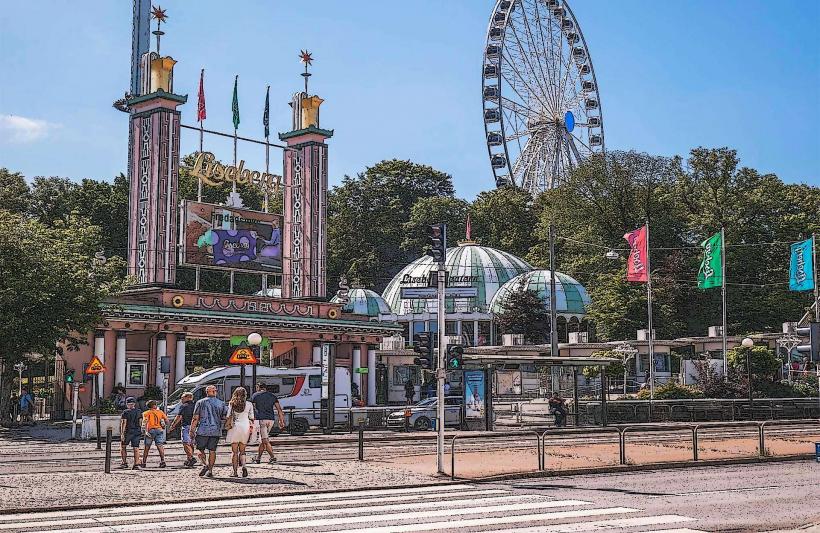
Liseberg: Scandinavia’s largest amusement park; in 2026, it features new year-round attractions in the Kaninlandet zone.
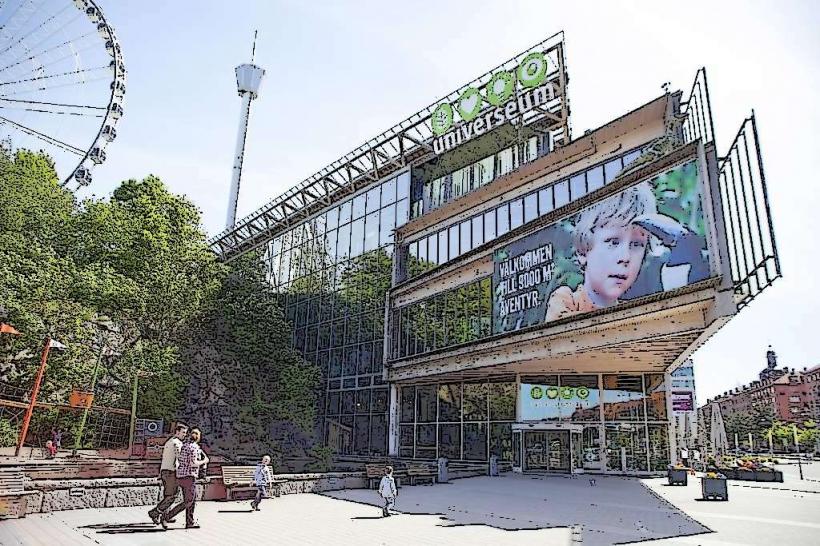
Universeum: A national science center featuring an indoor rainforest and a massive shark tank.
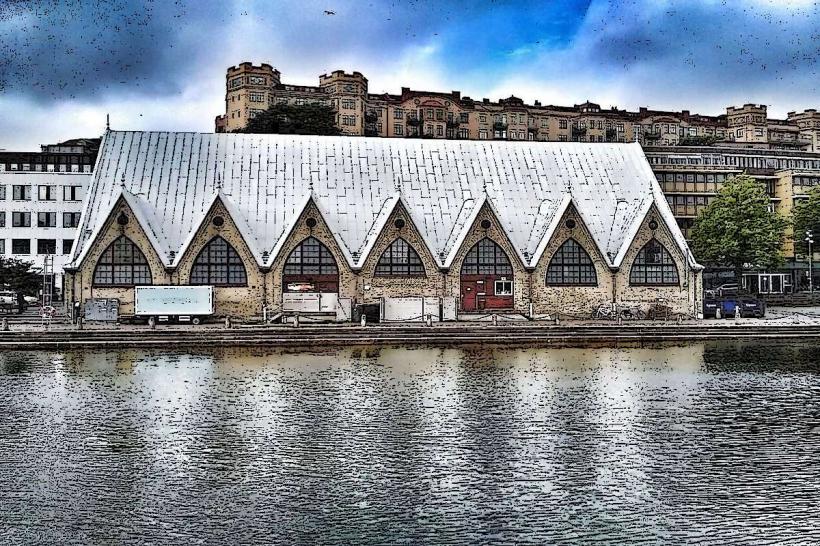
Feskekörka (Fish Church): A 19th-century neo-Gothic fish market hall, recently renovated to house high-end seafood bars.
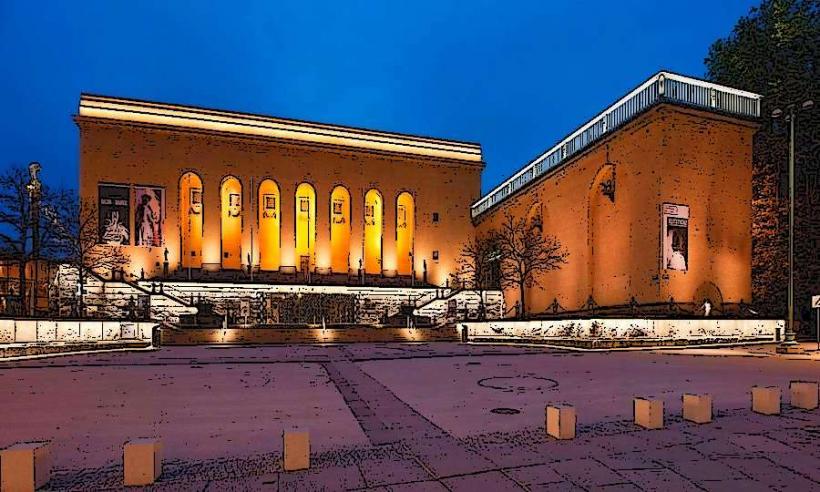
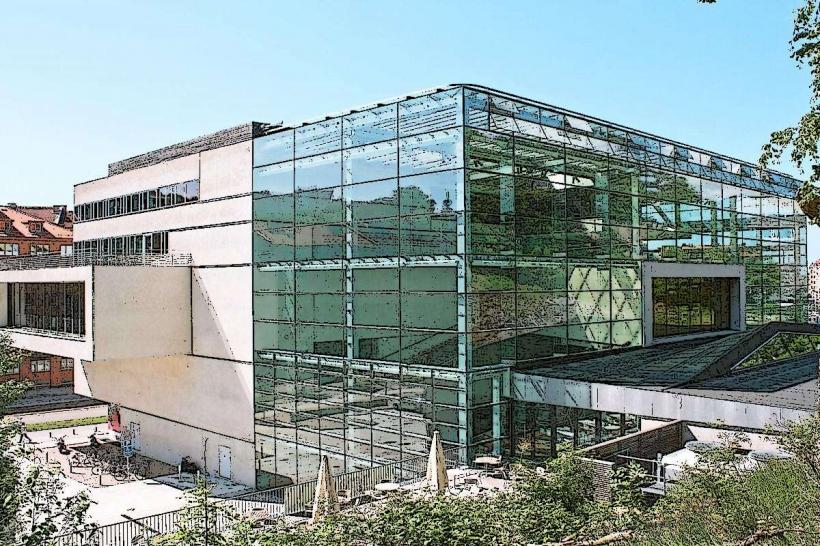
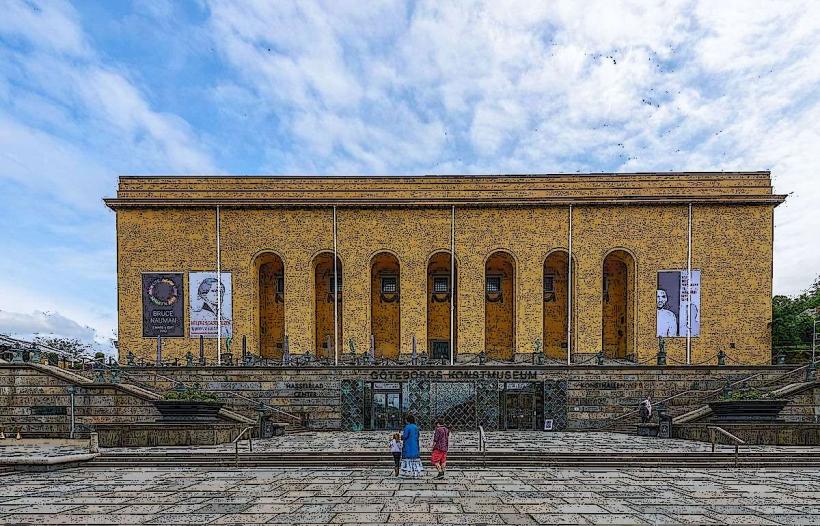
Gothenburg Museum of Art: Renowned for its collection of Nordic art at Götaplatsen.
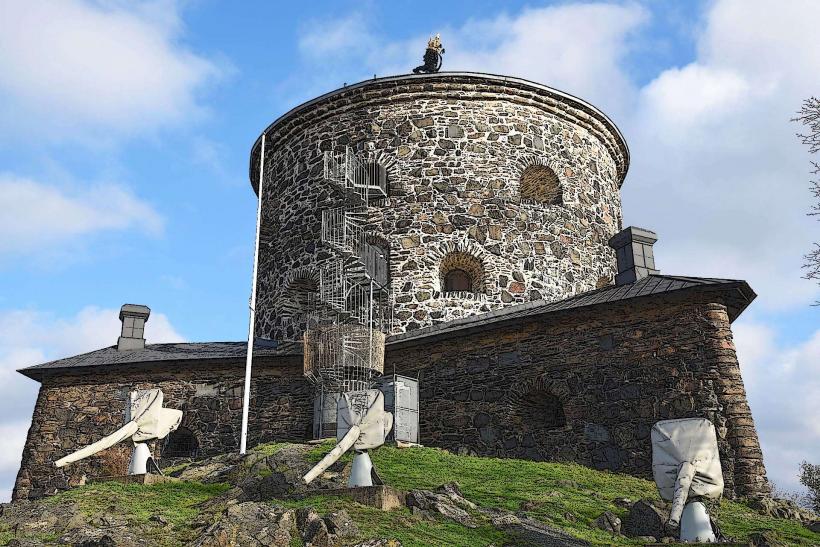
Skansen Kronan: A 17th-century fortress on a hill providing views over the city and the harbor.
World of Volvo: A new brand experience center (opened 2024) showcasing the city's automotive heritage.
Transportation Network
Movement is managed by Västtrafik. The system is dominated by trams, the largest network in Northern Europe, which function as the city's primary transit spine. Air travel is serviced by Göteborg Landvetter Airport (GOT) (25 km east), linked by the Flygbussarna express bus (20-25 minutes). In 2026, significant rail upgrades on the Western Main Line (Gothenburg–Alingsås) may cause weekend service disruptions. The city is highly bike-centric, featuring the Styr & Ställ bike-share system.
Safety & "Red Zones"
The safety level is high. There are no "red zones" within the central city. Standard urban awareness is recommended in the areas around Brunnsparken and Nordstan late at night. Certain peripheral districts are designated by police as "vulnerable areas" due to socio-economic challenges, though these are non-factors for standard city navigation.
Digital & Financial Infrastructure
Average internet speed is 500–1000 Mbps. Gothenburg is a cashless environment. Use the Västtrafik To Go app for all transit tickets. Card and mobile payments (Swish/Apple Pay) are universal; cash is not accepted on buses, trams, or most retail venues.
Climate & Air Quality
Temperatures range from -2°C in winter to 21°C in summer. The "West Coast Weather" is notoriously unpredictable, with frequent rain and wind from the Kattegat. Air quality is excellent, aided by the city's extensive green spaces (274 square meters per person).
Culture & Social Norms
Tipping is not required, though rounding up is common for good service. The culture is defined by "Fika" (the giant hagabulle cinnamon buns in Haga are a local staple) and a world-class craft beer scene. There is a deep-seated pride in the city’s industrial roots and its identity as the "birthplace of Volvo."
Accommodation Zones
Stay in Haga or Linné for a boutique, local atmosphere.
Stay near Korsvägen for immediate access to Liseberg, Universeum, and the airport shuttle.
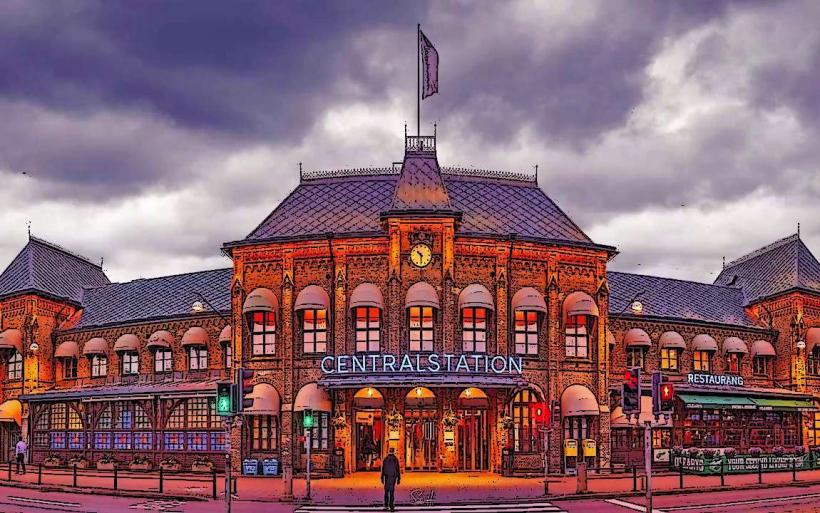
Stay in Nordstan/Central Station for maximum transit connectivity.
Local Cost Index
1 Espresso: 40 – 50 SEK
1 Giant Cinnamon Bun (Hagabulle): 90 – 110 SEK
1 Standard Lunch (Dagens rätt): 135 – 180 SEK
1 Single Transit Ticket (90 mins): 37 SEK
Nearby Day Trips
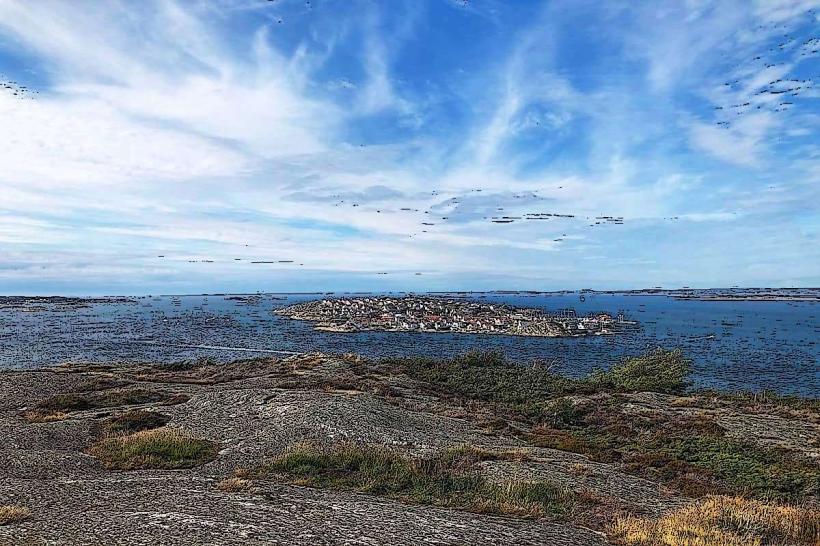
The Southern Archipelago: Car-free islands like Brännö and Vrångö, accessible via standard Västtrafik ferry from Saltholmen.
Marstrand: A historic sailing hub and fortress 45 km north.
Gunnebo House: A beautifully preserved 18th-century estate just outside the city.
Facts & Legends
According to legend, King Gustav II Adolf pointed to the ground and said, "The city shall stand here," while an eagle hovered above. A verified historical fact is that many of Gothenburg's iconic blue trams are named after famous local citizens, a tradition maintained to honor the city's social history.