Information
Landmark: Old Town (Gamla Stan)City: Gothenburg
Country: Sweden
Continent: Europe
Old Town (Gamla Stan), Gothenburg, Sweden, Europe
Visual Characteristics
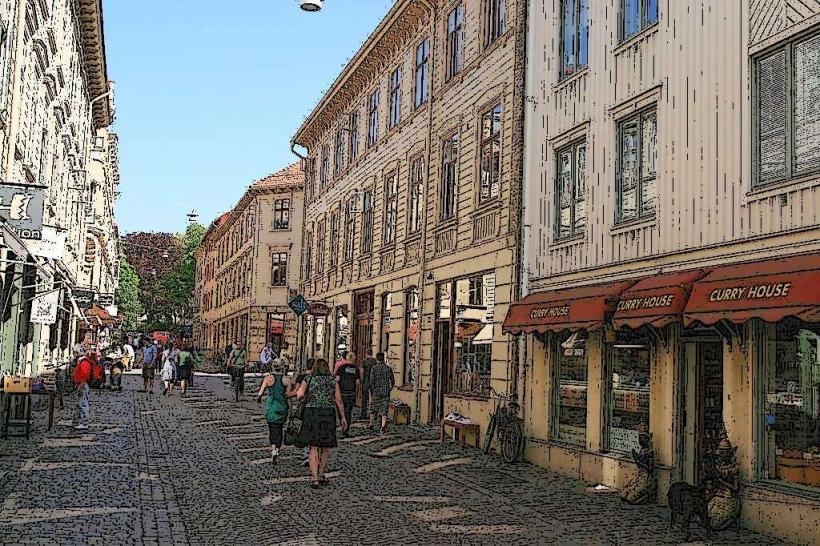
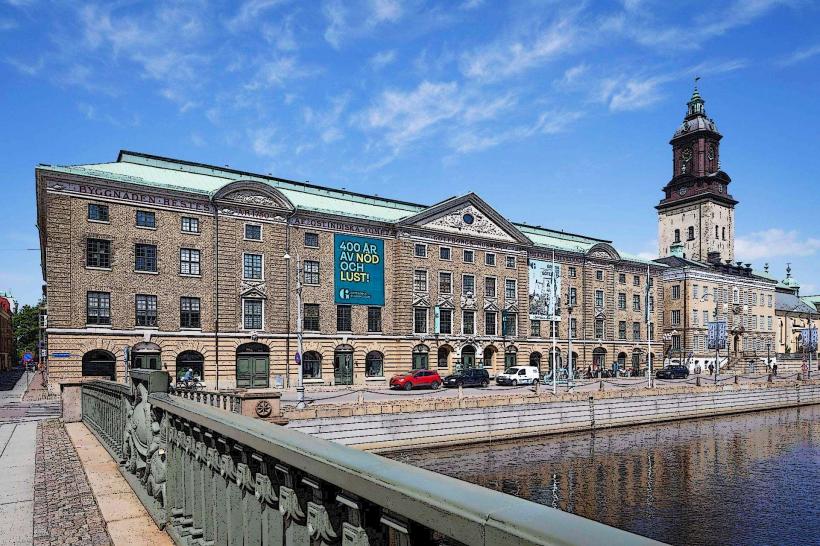
The area features a grid-pattern street layout, characteristic of Dutch urban planning, with numerous canals traversing the district. Buildings are predominantly constructed from brick and stone, often rendered in light pastel colors such as yellow, cream, and light grey. Architectural styles range from 17th-century Dutch Renaissance influences to 19th-century Neoclassical and Art Nouveau elements. Structures typically stand three to five stories in height, with pitched roofs. The canals are lined with stone quays and crossed by arched bridges.
Location & Access Logistics
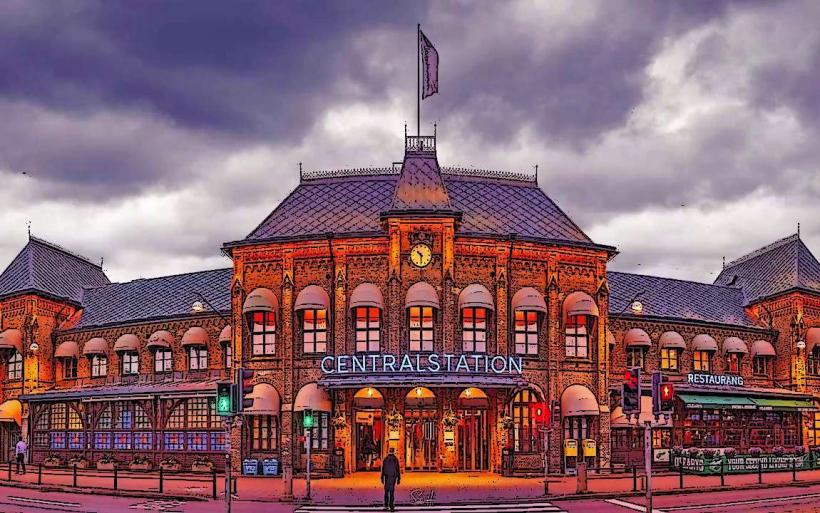
Gothenburg's historic city center is centrally located, directly west of the main railway station, Göteborg Centralstation. It is approximately 0.5km from the station's main entrance. Access is primarily by foot, tram, or bus. Major tram lines (e.g., 1, 2, 3, 4, 5, 6, 7, 9, 10, 11) serve stops like Brunnsparken and Kungsportsplatsen, which are central to the district. Limited street parking is available, primarily in designated zones requiring payment, with several multi-story parking garages such as P-Hus Nordstan and P-Hus City located on the periphery. No specific road names are required for direct access as it is a pedestrian-friendly urban core.
Historical & Ecological Origin
The city of Gothenburg was founded in 1621 by King Gustavus Adolphus of Sweden. The initial urban plan for the historic center, Inom Vallgraven, was largely designed by Dutch engineers and architects, including Caspar van Panten, who implemented a fortified city layout with canals for defense and transport. Its original purpose was to serve as a strategic trading port and a military stronghold against Danish incursions, leveraging its access to the North Sea.
Key Highlights & Activities
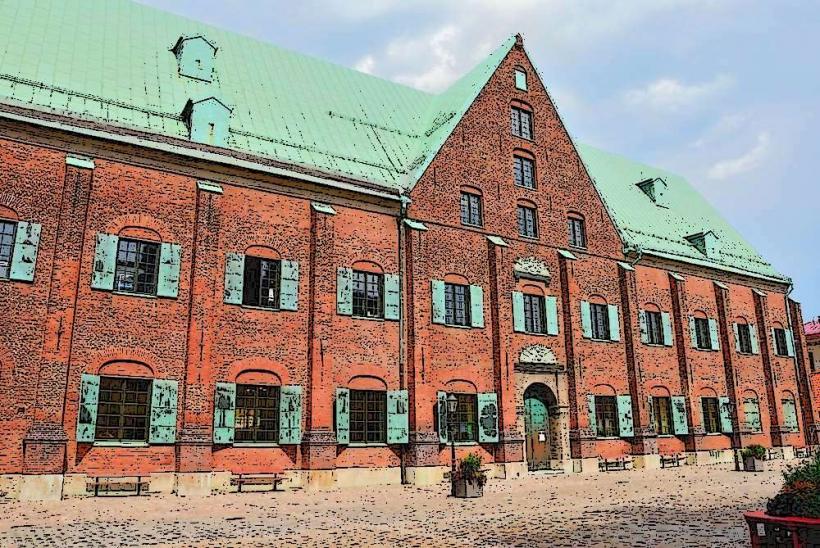
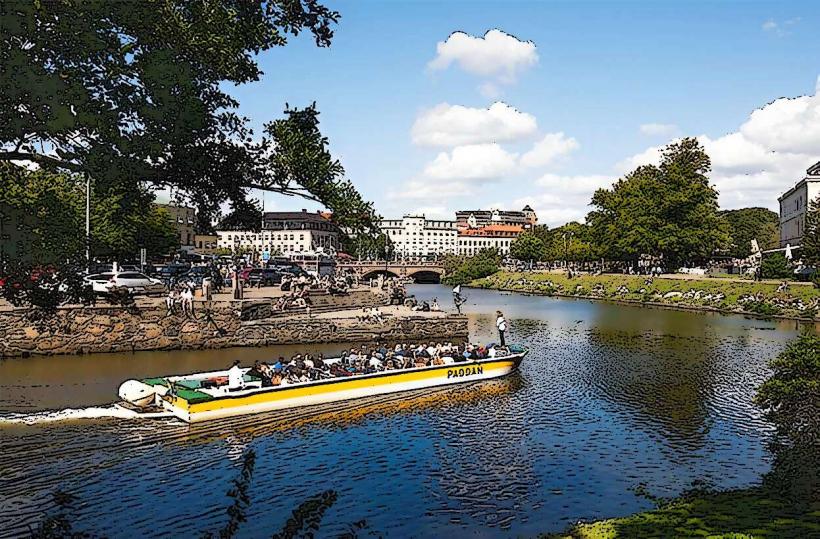
Walking tours exploring the 17th-century street plan are available. Canal boat tours, such as the "Paddan" tours, depart from Kungsportsplatsen, offering views of the historic buildings from the water. Visiting the Kronhuset, one of Gothenburg's oldest preserved buildings, is possible. Exploring the shops and cafes along Kungsgatan and Västra Hamngatan is a common activity. Observing the former city moat, now a park area, provides insight into the city's past fortifications.
Infrastructure & Amenities
Public restrooms are available at various points, including within shopping centers like Nordstan and near major squares. Shade is provided by building facades and occasional street trees, particularly along the canals. Cell phone signal (4G/5G) is consistently strong throughout the entire district. Numerous food vendors, restaurants, and cafes are present on almost every street, offering a wide range of dining options.
Best Time to Visit
The months of May through September offer the most favorable weather conditions, with longer daylight hours. For photography, early morning (07:00-09:00) or late afternoon (16:00-19:00) provides softer light and fewer crowds, enhancing the architectural details. The canals are accessible year-round, though boat tours operate seasonally, typically from April to October. No specific tide requirements affect visitation.
Facts & Legends
A historical oddity of Gothenburg's old town is the Kronhuset, built in 1643-1654, which served as the city's first parliament building and a royal storehouse. It is notable for its unique roof construction, designed without internal supporting pillars to maximize storage space. A local tip for visitors is to explore the small courtyards and side streets off the main thoroughfares, which often reveal hidden cafes and artisan shops not visible from the primary streets.
Nearby Landmarks
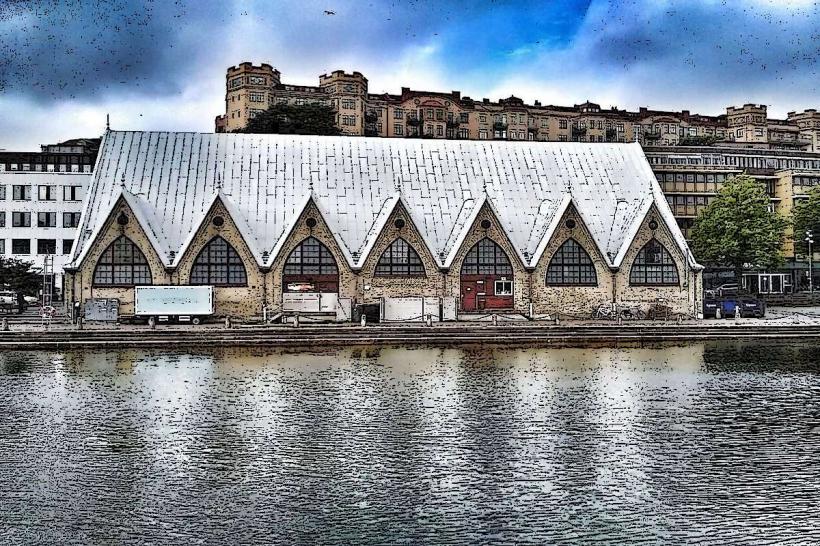
- Feskekôrka (Fish Church) - 0.8km West
- Gothenburg Cathedral (Domkyrkan) - 0.3km North-West
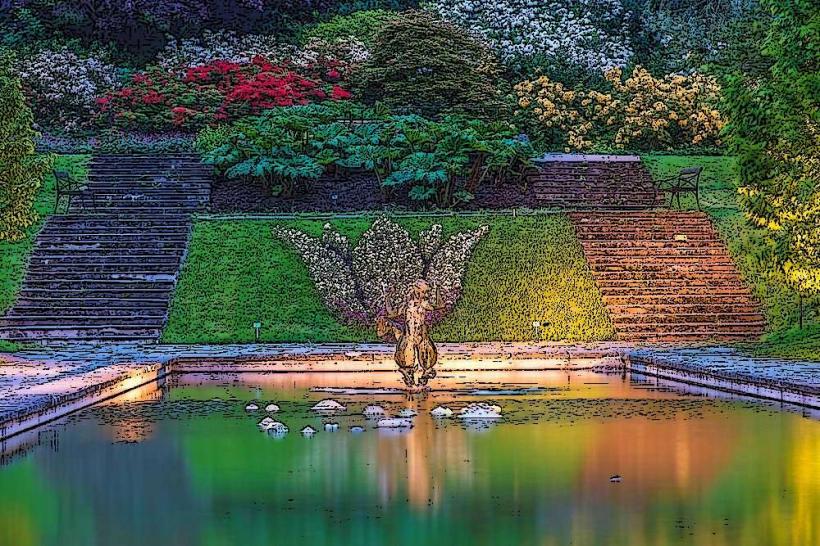
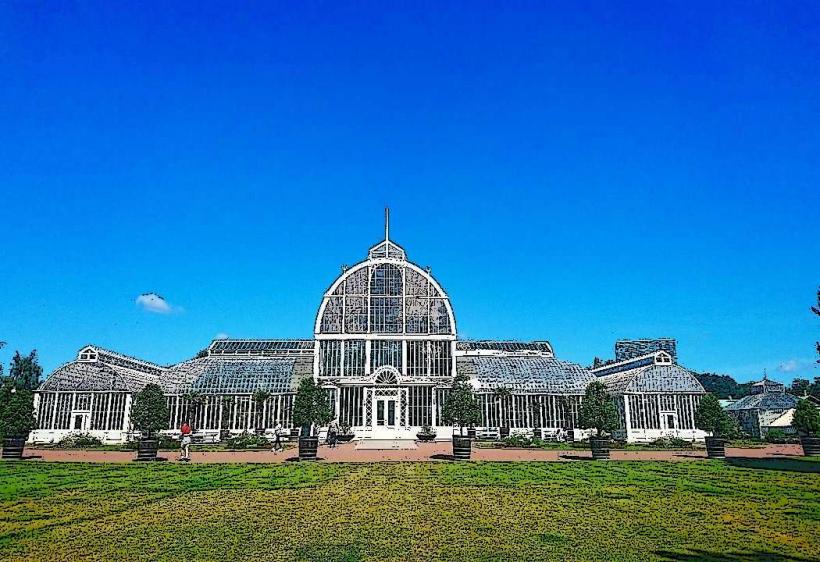
- Trädgårdsföreningen (Garden Society of Gothenburg) - 0.4km East
- Gustaf Adolfs Torg - 0.1km North
- Stora Saluhallen (Market Hall) - 0.2km South