Information
Landmark: International Film Festival ArenaCity: Gothenburg
Country: Sweden
Continent: Europe
International Film Festival Arena, Gothenburg, Sweden, Europe
Visual Characteristics
This "arena" typically involves the temporary transformation of existing cultural venues and public spaces. Structures may include large projection screens, temporary seating arrangements, and exhibition booths constructed from modular aluminum frames, fabric panels, and plywood. Dominant colors are often neutral grays, blacks, and whites, accented by festival branding in specific annual color palettes. Temporary installations can reach heights of 5-10 meters for large screens or entrance arches. Architectural style is functional and contemporary, prioritizing rapid assembly and disassembly.
Location & Access Logistics
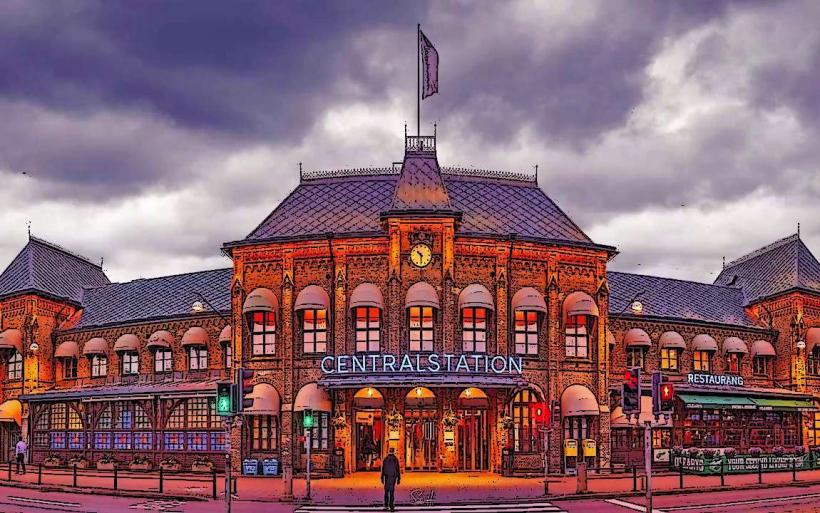
The central activities of the festival often concentrate around the Avenyn boulevard and the Götaplatsen area. Specific venues like Draken Cinema (Olof Palmes Plats 1) or Hagabion (Linnégatan 80) serve as key screening locations. From Gothenburg Central Station, these areas are approximately 1.5-2.5 km southwest. Public transport is extensive: tram lines 3, 7, 10 (stop: Järntorget for Draken) or tram lines 4, 5, 7, 10 (stop: Valand or Götaplatsen for Avenyn venues). Limited street parking is available, primarily in paid garages such as P-Hus Nordstan or Heden, requiring a walk of 10-20 minutes to central festival points.
Historical & Ecological Origin
The concept of a central "arena" for the Gothenburg Film Festival originated with the festival's founding in 1979. While not a single permanent structure, the festival's operational model involves adapting existing cinemas, theaters, and exhibition halls across the city to serve as its venues. The temporary installations are designed and constructed by various event production companies each year.
Key Highlights & Activities
Attendees can participate in film screenings, Q&A sessions with filmmakers, industry seminars, and virtual reality experiences. Specific activities include attending the opening night gala, exploring the festival's digital exhibition platforms, and engaging in networking events.
Infrastructure & Amenities
Restrooms are available at all primary festival venues. Temporary outdoor installations may have portable facilities. Shade is provided within indoor venues; outdoor areas may have limited natural or temporary shade structures. Cell phone signal (4G/5G) is generally strong across Gothenburg. Food vendors and cafes are abundant in the vicinity of most festival locations, offering diverse dining options.
Best Time to Visit
The festival typically runs for 10 days in late January and early February. This period is characterized by cold weather, often with snow or rain, and limited daylight hours. The best time for photography of outdoor installations is during the brief daylight hours (approximately 09:00-16:00) or during evening events when artificial lighting is prominent. No tide requirements apply.
Facts & Legends
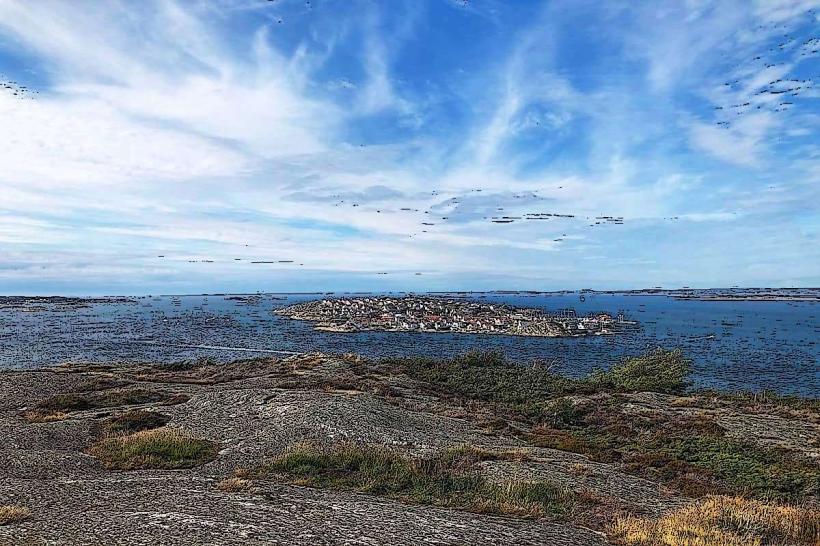
A unique aspect of the Gothenburg Film Festival is the "Isolated Cinema" experience, where one person watches all festival films alone on an island for a week. This event, introduced in 2021, highlights the festival's experimental approach to film consumption.
Nearby Landmarks
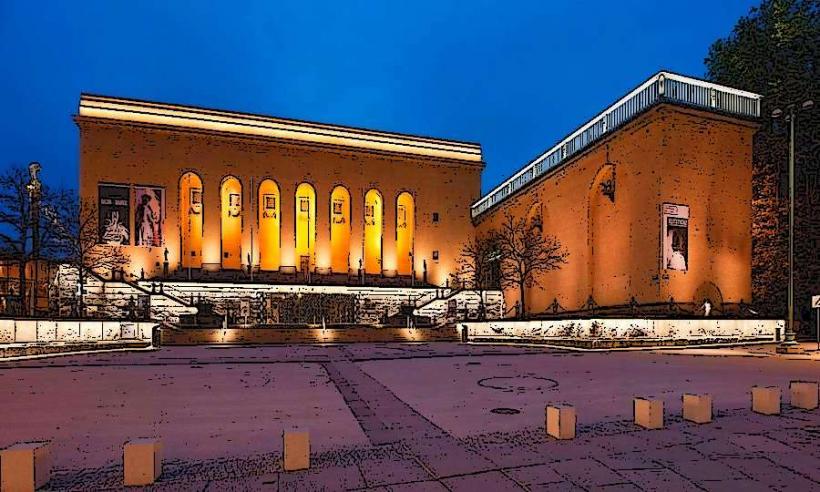
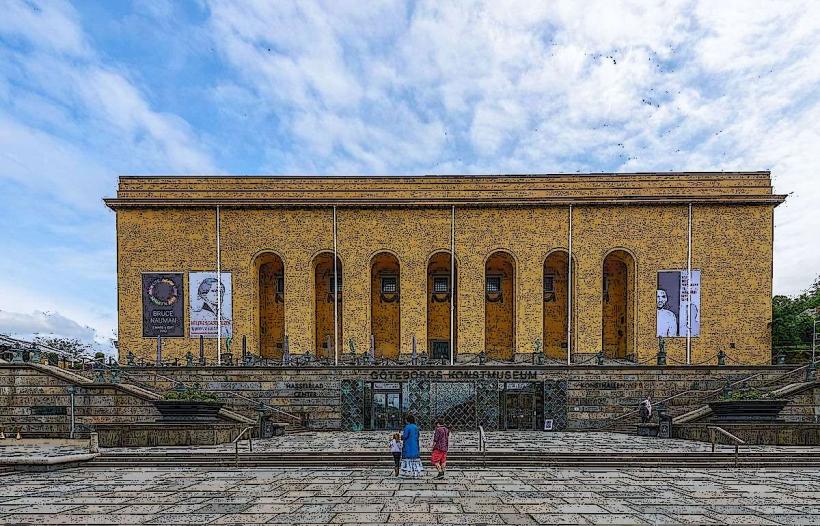
- Gothenburg Museum of Art: 0.1km North (from Götaplatsen)
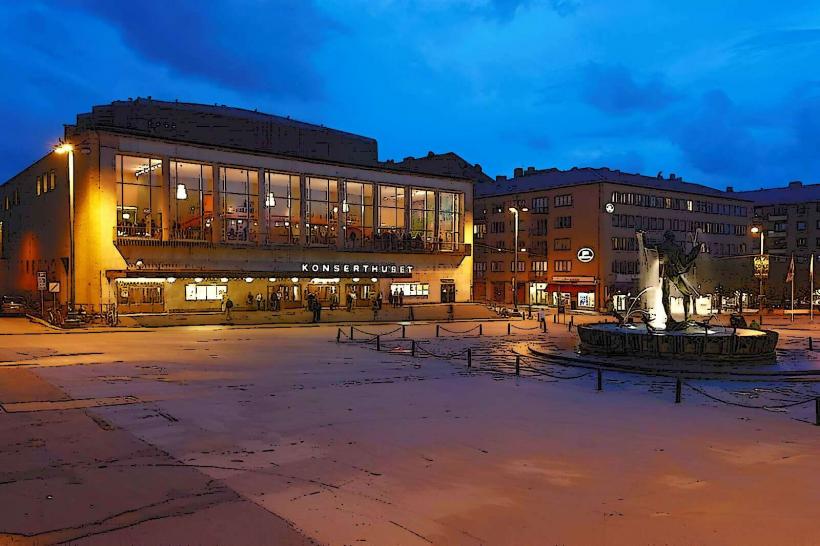
- Gothenburg Concert Hall: 0.1km North (from Götaplatsen)
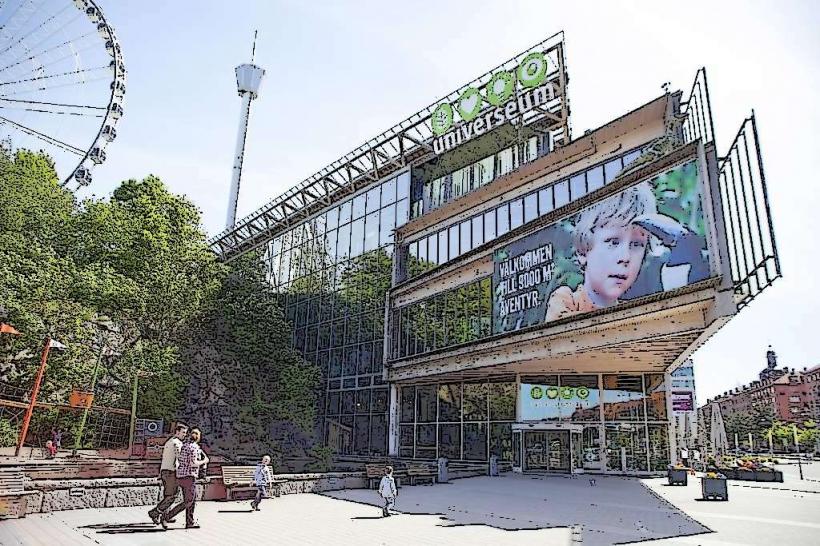
- Universeum Science Centre: 0.8km Southeast
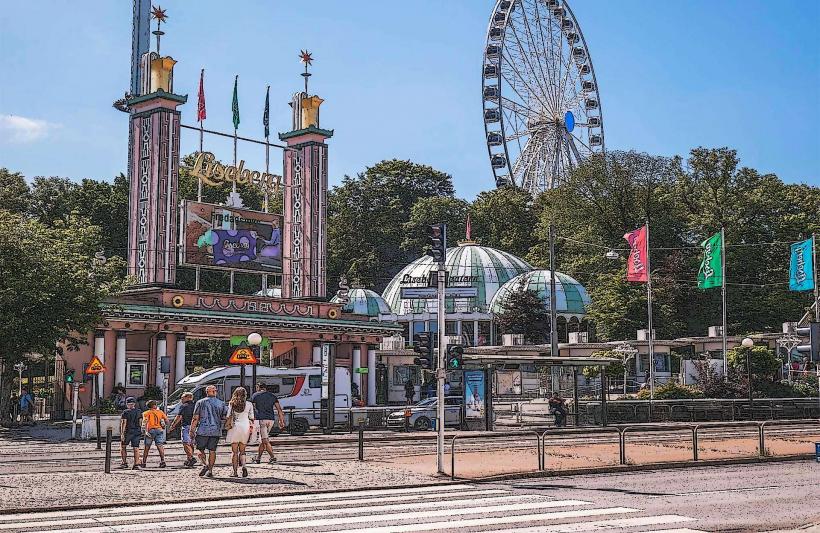
- Liseberg Amusement Park: 1.0km Southeast
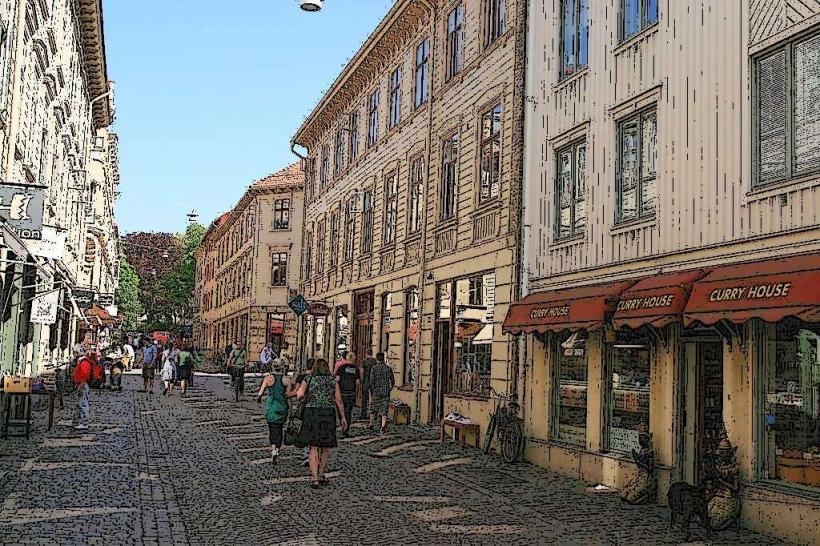
- Haga District: 1.5km West