Information
City: HaarlemCountry: Netherlands
Continent: Europe
Haarlem, Netherlands, Europe
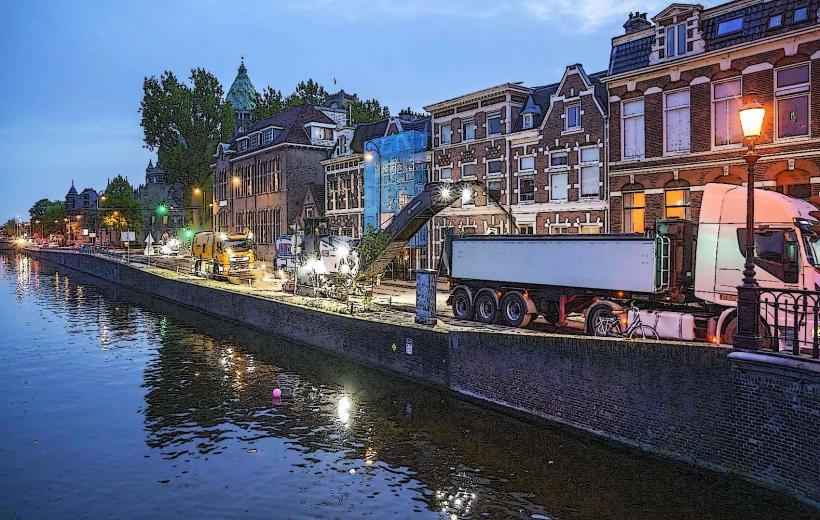
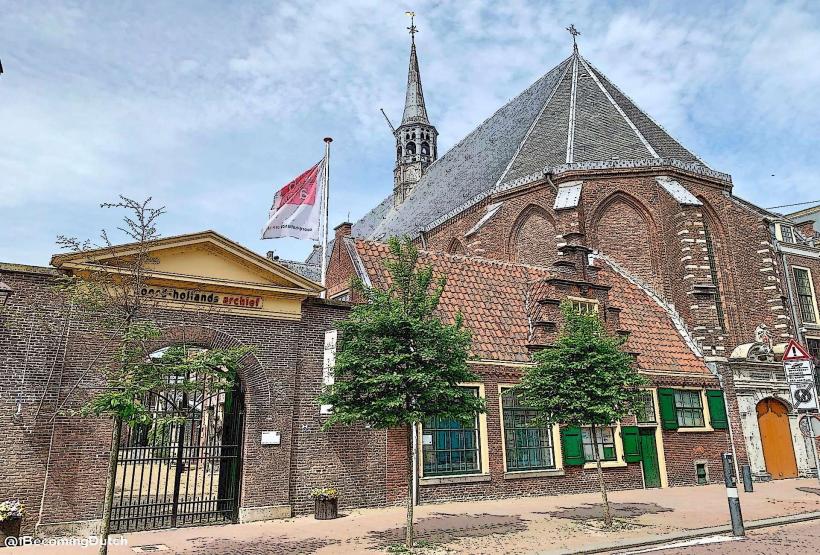
Haarlem functions as the administrative capital of North Holland and a primary residential and cultural satellite of the Amsterdam metropolitan area. Situated on the Spaarne River and within 7 km of the North Sea, it is a major center for the specialized floral industry, heritage tourism, and the North Holland provincial government.
Historical Timeline
Haarlem originated as a 10th-century settlement on a strategic land ridge. The primary era of governance was the Dutch Golden Age, when it was the world’s most important center for tulip trading and a major hub for linen weaving and brewing. The primary event shaping its modern structure was the 1572–1573 Siege of Haarlem during the Eighty Years' War, followed by the 1839 opening of the first railway in the Netherlands, connecting Haarlem to Amsterdam.
Demographics & Population
The population is approximately 165,000. The demographic profile is affluent and family-oriented, characterized by a high percentage of "commuter" professionals working in Amsterdam or Schiphol. Dutch is the official language, though English proficiency is universal. The median age is 40.8 years.
Urban Layout & Key Districts
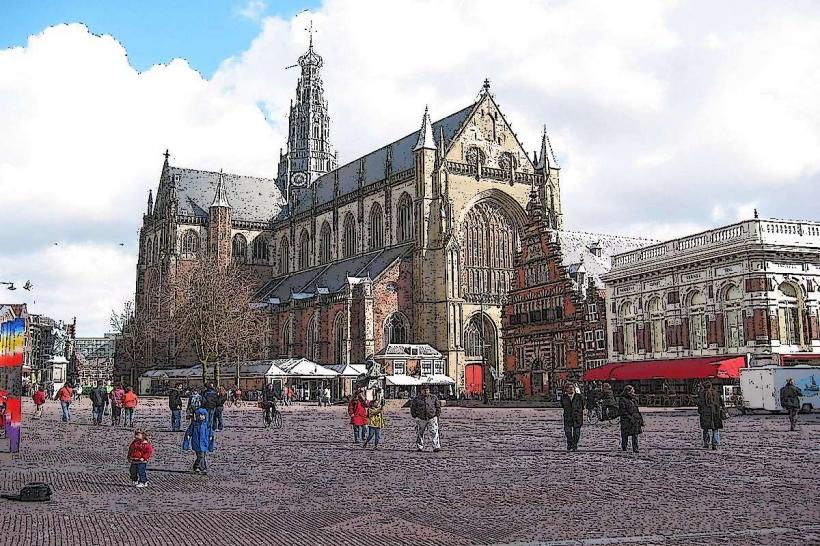
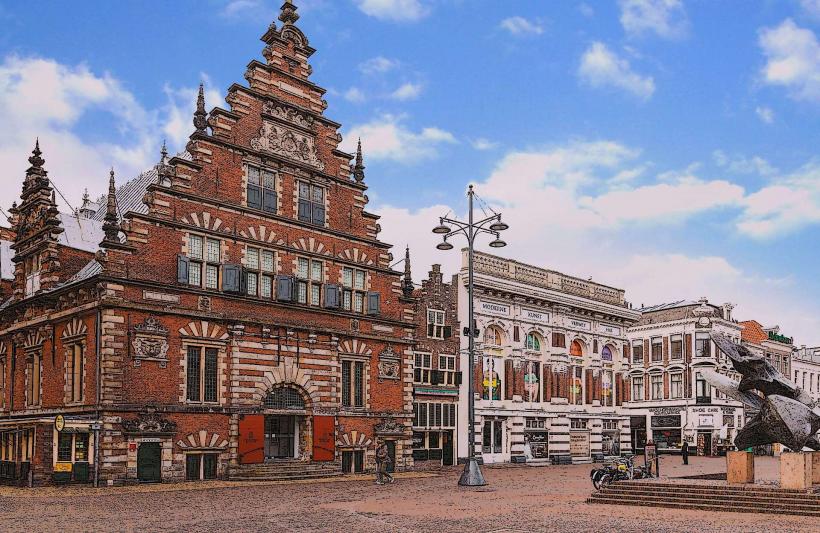
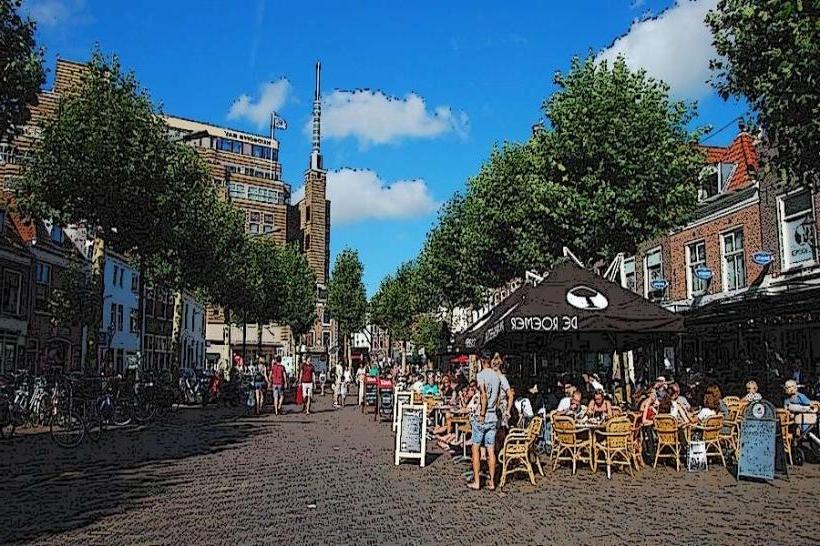
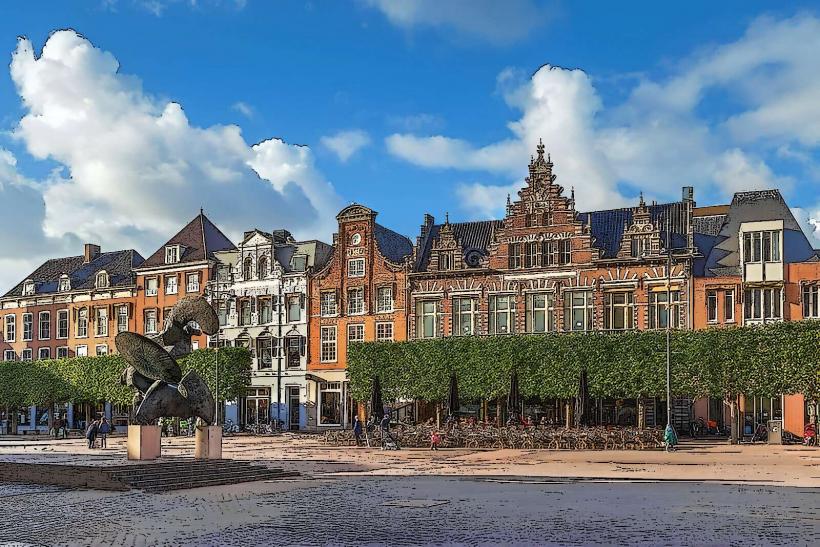
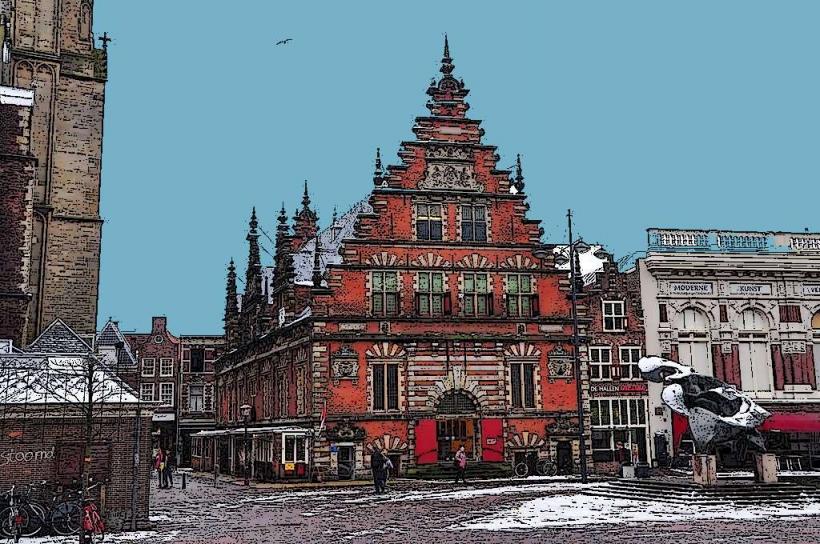
The city is structured around the Grote Markt and a network of canals and narrow "steegjes" (alleys).
Oude Stad (Old Town): The historic core containing the Grote Markt and high-end shopping streets like the Gouden Straatjes.
Haarlemmerhout: A specialized southern district containing the oldest urban forest in the Netherlands and the Provinciehuis.
Vijfhoek: A specialized "Five Corners" district known for its picturesque, winding streets and artisanal workshops.
Kleverpark: An upscale residential district north of the station known for 19th-century architecture.
Waarderpolder: The specialized industrial and business park on the city’s eastern edge.
Top City Landmarks
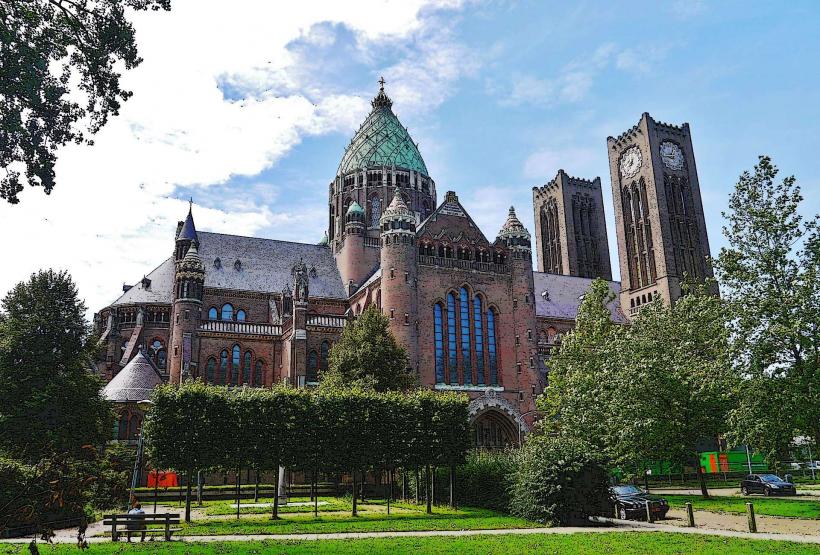
Grote Kerk (St. Bavo’s Church): A specialized Gothic cathedral housing the world-famous Christian Müller organ, once played by Mozart and Handel.
Frans Hals Museum: A specialized art museum housed in a 17th-century almshouse, dedicated to the Haarlem school of portraiture.
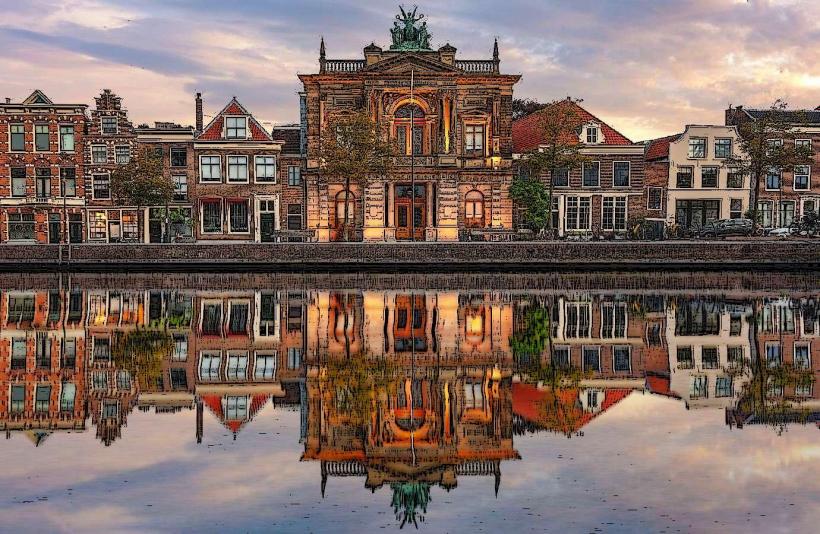
Teylers Museum: The oldest museum in the Netherlands (1784), specializing in natural history, physical instruments, and art.
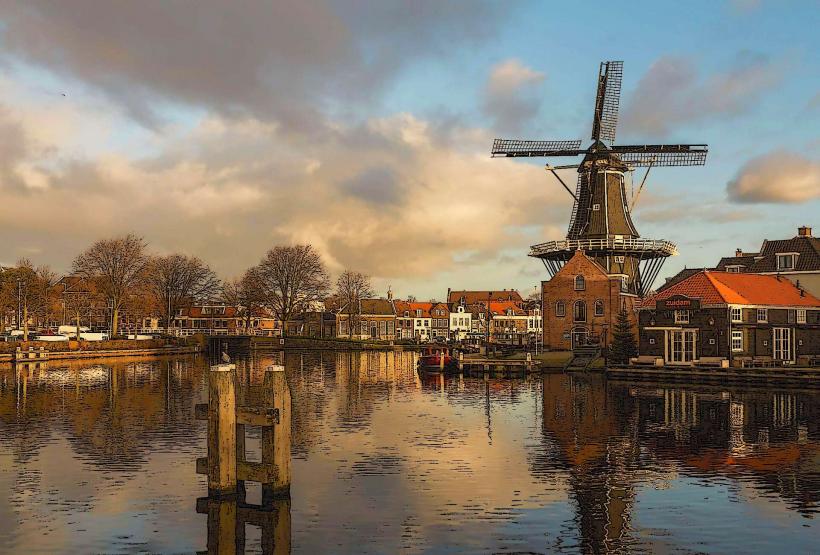
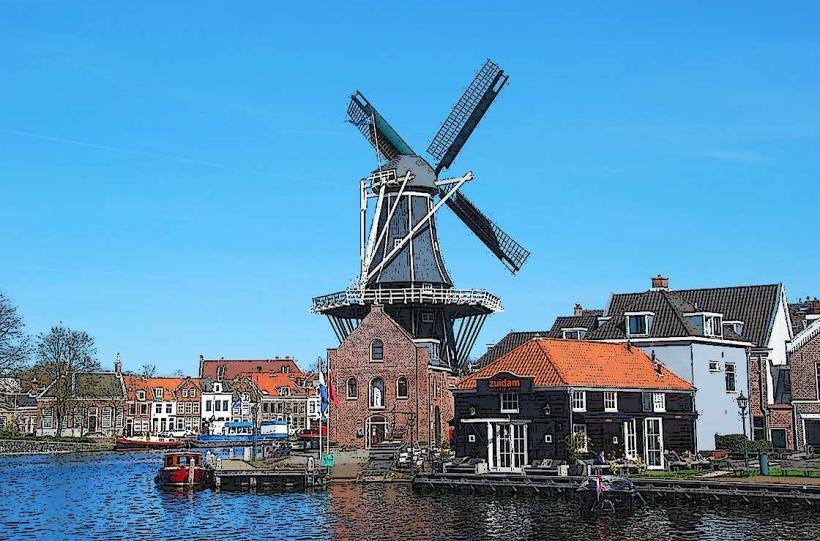
Molen De Adriaan: A specialized reconstruction of an 18th-century windmill on the Spaarne River, serving as a landmark of the city's skyline.
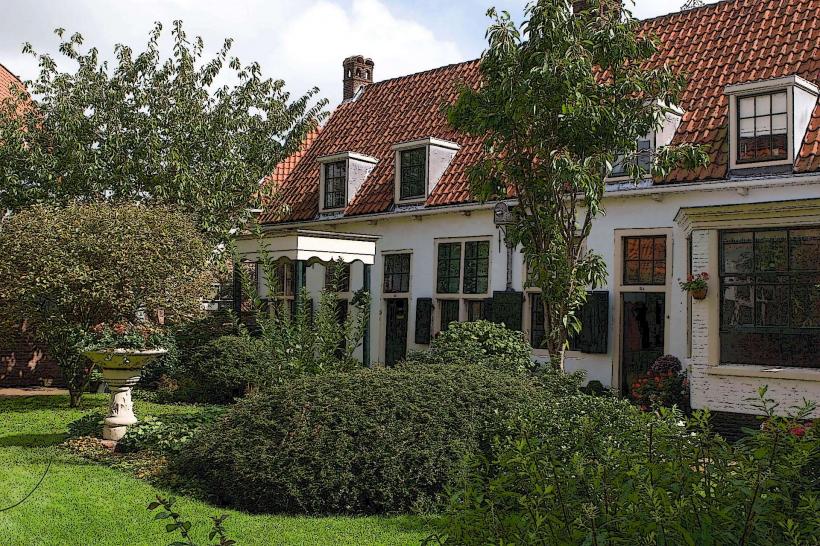
The Hofjes: Haarlem is famous for its 21 specialized "hofjes" (hidden almshouses/courtyards), such as the Hofje van Bakenes (1395).
Transportation Network
Haarlem is a critical node in the Dutch rail and bus network.
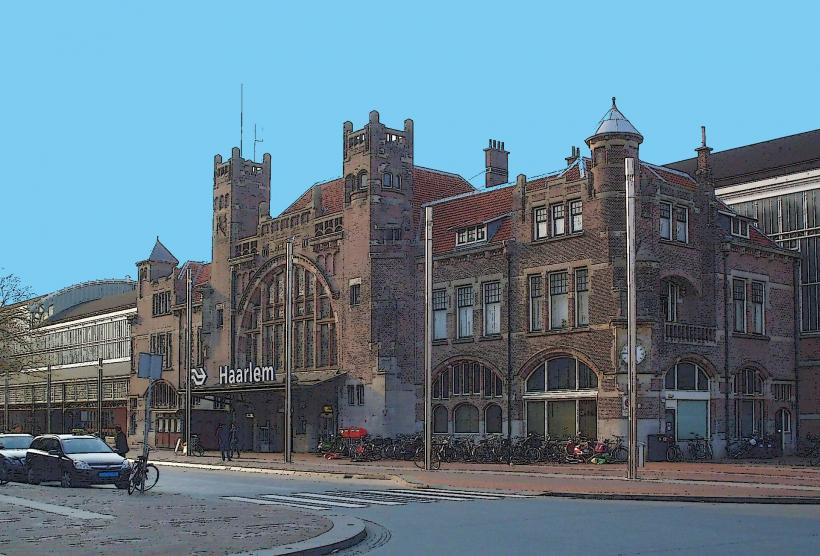
Haarlem Railway Station: A unique Art Nouveau landmark and the site of the first rail link in the country, connecting to Amsterdam (15 mins) and Leiden (20 mins).
R-net Bus: High-frequency, specialized express bus lanes connecting Haarlem to Schiphol Airport (30 mins) and the coast.
Cycling: Haarlem serves as the gateway to the Zuid-Kennemerland National Park via a specialized network of cycle dunes.
Water Transit: The Spaarne River is a primary route for leisure boating and commercial barges.
Safety & "Red Zones"
The general safety level is very high. Crime is statistically minimal, primarily limited to bicycle theft. There are no "red zones." Standard urban awareness is sufficient in the evening hours near the station or the Grote Markt.
Digital & Financial Infrastructure
Internet speeds average 100–1000 Mbps via fiber. 5G coverage is universal. Card and mobile payments are standard; Haarlem was one of the first Dutch cities to see a widespread transition to "Pin Only" (cashless) retail in the center.
Climate & Air Quality
Haarlem has a maritime climate with strong influence from the North Sea. It experiences significant wind, which maintains high air quality. Daytime temperatures range from 5°C in January to 21°C in July.
Culture & Social Norms
Social norms are characterized by a "relaxed provincial" atmosphere compared to Amsterdam. Tipping is not mandatory but 5–10% is customary for table service. Key events include the Bloemencorso (Flower Parade) in April and Haarlem Jazz & More in August.
Accommodation Zones
Center/Grote Markt: Recommended for historic atmosphere and proximity to museums.
Station Area: Recommended for commuters and business travelers.
South (near Haarlemmerhout): Recommended for quiet, upscale residential stays.
Local Cost Index
1 Espresso: €3.20
1 Pint of Beer: €5.50–€7.00
1 Standard Lunch: €15.00–€22.00
Nearby Day Trips
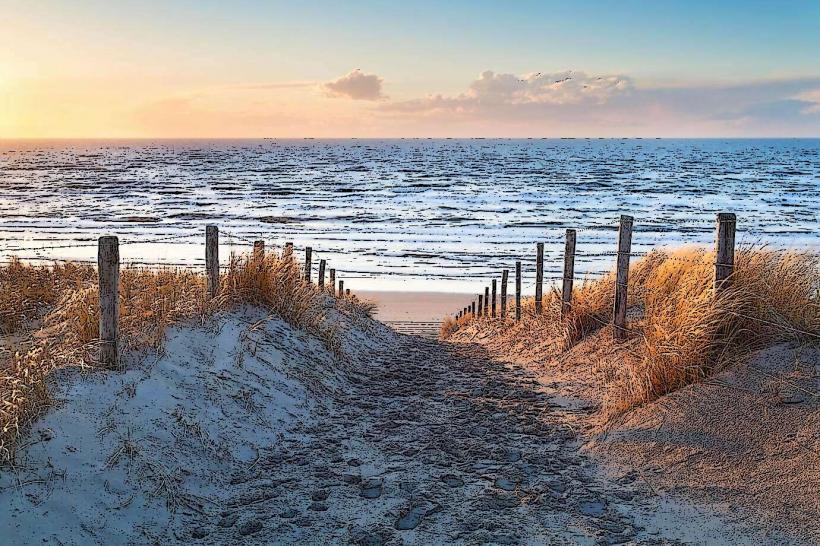
Zandvoort & Bloemendaal: 10 mins by train/bus; major North Sea beach resorts.
Zuid-Kennemerland National Park: A specialized dune landscape for hiking and bison spotting.
Keukenhof: 30 mins south; the world’s largest tulip garden (seasonal).
Facts & Legends
Haarlem is the site where the Tulip Mania of 1637 reached its peak, with single bulbs selling for more than the price of a house. Legend states that the city’s coat of arms features a sword and stars to commemorate the heroism of its citizens during the Crusades. A verified fact is that Haarlem is historically known as "Bloemenstad" (Flower City) due to its role as the center of the world's bulb trade. Historically, Haarlem was one of the most powerful cities in the County of Holland, often rivaling Amsterdam in wealth and influence.