Information
Country: NetherlandsContinent: Europe
Netherlands, Europe
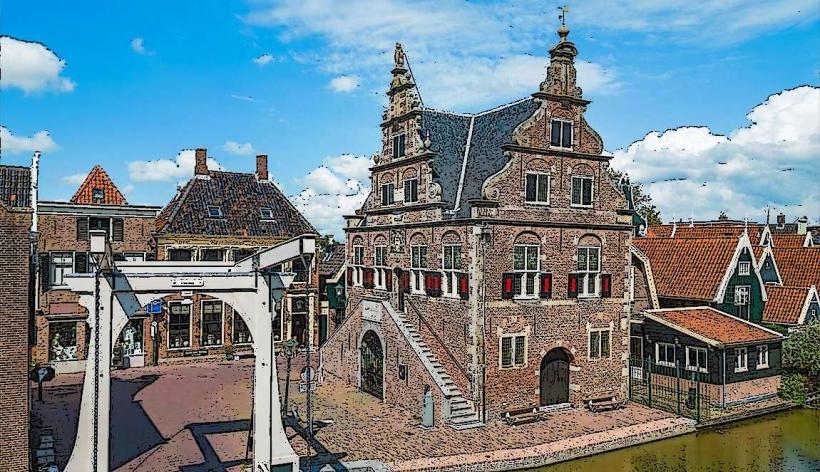
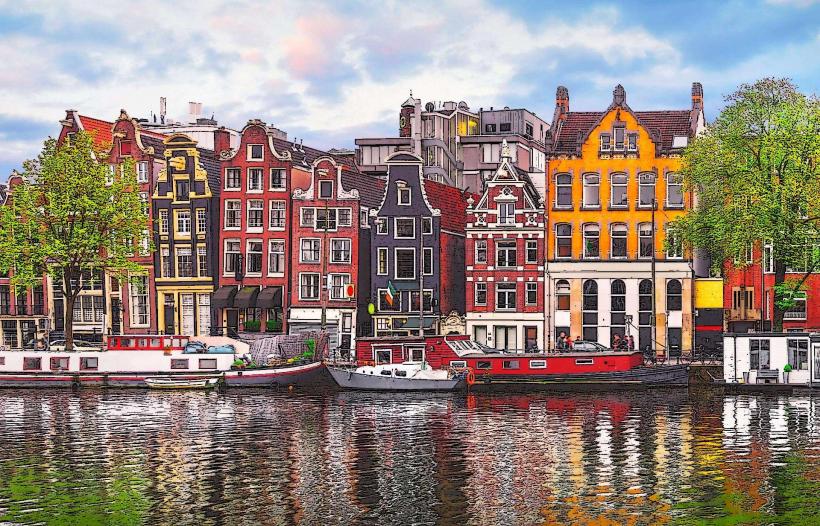
The Netherlands is located in Northwestern Europe, bordering Germany to the east, Belgium to the south, and the North Sea to the north and west. Approximately 26% of the country lies below sea level, a geographical feature managed by an extensive system of dikes, dunes, and pumps; the capital city is Amsterdam.
Visa & Entry Policy
The Netherlands is a member of the Schengen Area. Citizens of the US, UK, and EU do not require a visa for stays up to 90 days. Starting in late 2026, non-EU visa-exempt travelers must obtain an ETIAS (European Travel Information and Authorisation System) before arrival. Border officials require a passport valid for at least three months beyond the intended departure date.
Language & Communication
The official language is Dutch. English proficiency is exceptionally high, with the Netherlands frequently ranking first globally among non-native English-speaking countries. Frisian is a co-official language in the province of Friesland.
Currency & Payment Systems
The currency is the Euro (EUR). The country is highly digitized; debit cards (specifically Maestro and V Pay, transitioning to Mastercard/Visa Debit) are the primary payment method. Since January 2026, a legal ban exists on cash payments exceeding €3,000 to combat money laundering. ATMs are common but becoming less frequent in city centers as "Card Only" establishments proliferate.
National Transport Grid
The national rail operator, NS (Nederlandse Spoorwegen), maintains a high-frequency, dense network connecting all major urban centers. Regional transit is integrated via the OV-chipkaart system, which applies to trains, buses, trams, and metros. Regional bus operators include Arriva, Connexxion, and EBS. Domestic flights do not exist due to the country’s compact size and rail efficiency.
Digital Infrastructure
Primary mobile network providers are KPN, VodafoneZiggo, and Odido. 5G coverage is nearly universal across the country, including rural and reclaimed land (polders). The Netherlands maintains some of the highest fiber-optic and broadband penetration rates in the European Union.
Climate & Seasonality
The climate is temperate maritime. There are no distinct dry months; precipitation is distributed relatively evenly throughout the year. Summers are mild, while winters are cool with frequent wind and overcast conditions. The most stable weather typically occurs between May and September.
Health & Safety
No mandatory vaccinations are required for entry. Ticks in forested and dune areas carry a risk of Lyme disease. The universal emergency number for Police, Ambulance, and Fire is 112. For non-emergency police assistance, the number is 0900-8844.
Top 3 Major Regions & Cities
The Randstad: Primary hub is Amsterdam.
South Holland: Primary hub is Rotterdam.
North Brabant: Primary hub is Eindhoven.
Local Cost Index
1L Water: €0.85 ($0.94 USD)
1 Domestic Beer: €5.50 ($6.10 USD)
1 Sim Card (Data Plan): €20.00 ($22.20 USD)
Facts & Legends
In 1637, the Netherlands experienced "Tulip Mania," often cited as the first recorded speculative asset bubble in history, where the price of a single tulip bulb exceeded the annual income of a skilled worker before the market collapsed. According to local folklore in the province of Zeeland, the "Mermaid of Westenschouwen" was captured by fishermen; her subsequent death resulted in a curse that saw the prosperous village buried under shifting sands as divine retribution.