Information
Landmark: Maastricht UniversityCity: Maastricht
Country: Netherlands
Continent: Europe
Maastricht University, Maastricht, Netherlands, Europe
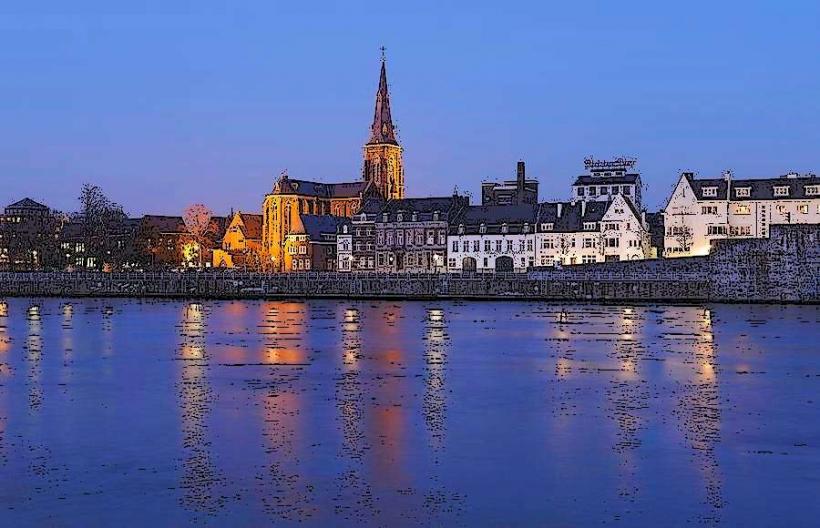
Maastricht University is a public research university decentralized across several historic and modern districts of Maastricht, primarily in the Jekerkwartier and the Randwyck campus. It is recognized as the most international university in the Netherlands, with approximately 50% of its 22,000 students originating from outside the country.
Visual Characteristics
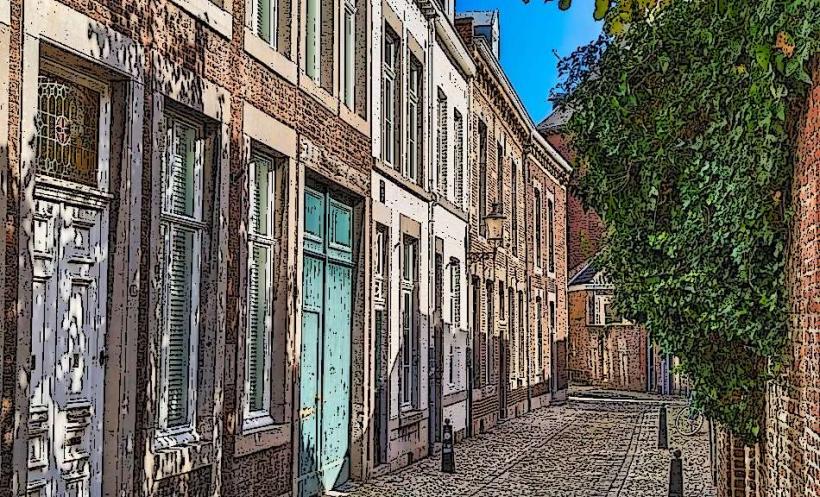
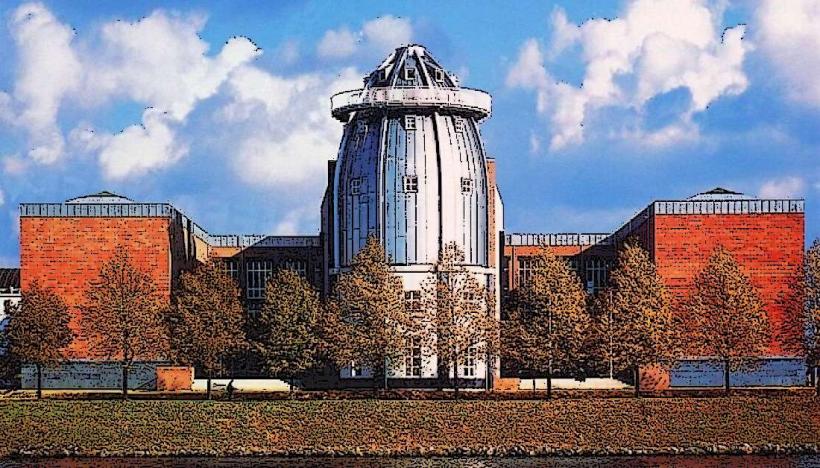
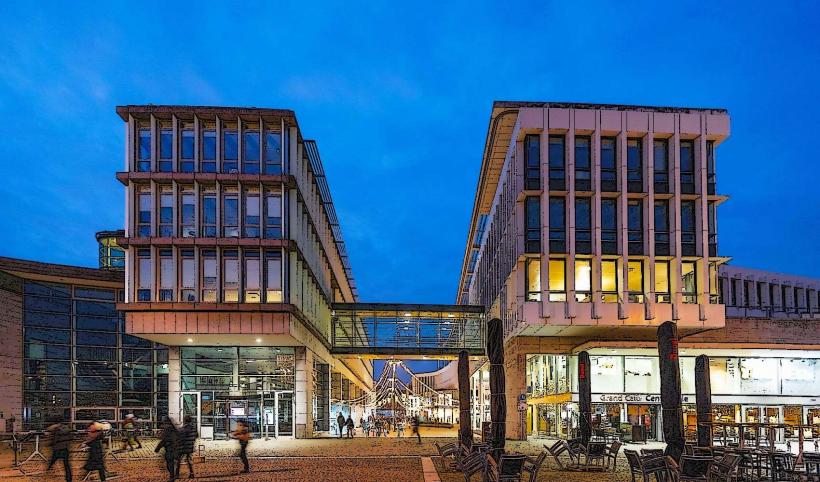
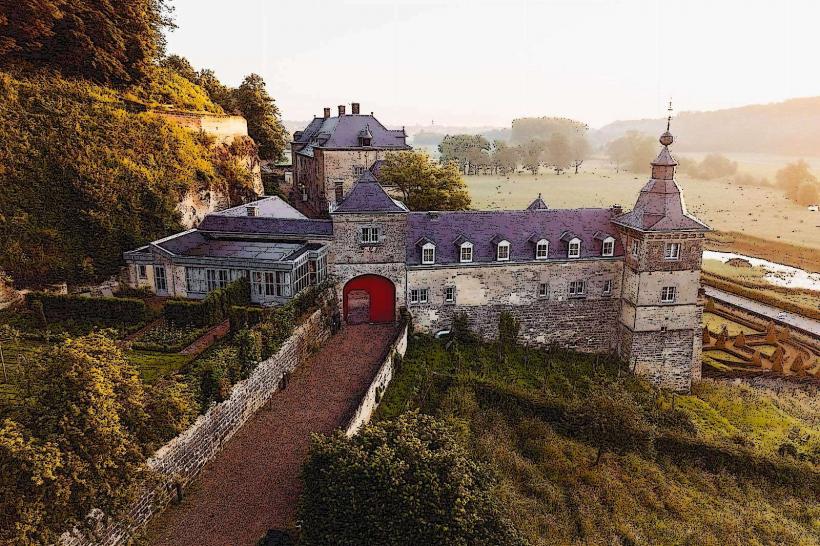
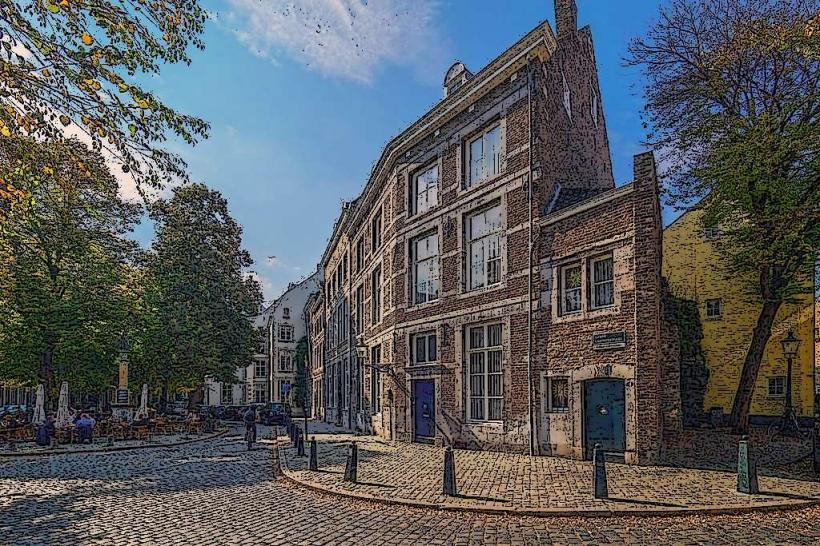
The university lacks a single central campus, instead utilizing repurposed historical buildings such as the Tongersestraat 53 (a former Jesuit monastery) and modern glass-and-steel facilities like the Paul-Henri Spaak building. The inner-city faculties feature limestone and brick masonry, medieval courtyards, and narrow cloisters, while the Randwyck health campus is characterized by Brutalist and contemporary clinical architecture.
Location & Access Logistics
Inner-city faculties are concentrated around the Tongersestraat, Grote Gracht, and Bouillonstraat, all within a 1.5km walk of Maastricht Central Station. The Randwyck campus is located 2.5km southeast of the city center, accessible via the "Maastricht Randwyck" train station or bus lines 1, 2, and 10. Dedicated bicycle parking is provided at all faculty entrances, but car parking is limited to paid underground garages like the Vrijthof or Frontenpark.
Historical & Ecological Origin
Founded in 1976 as the Rijksuniversiteit Limburg, it was established to address the shortage of medical professionals and to revitalize the region following the closure of local coal mines. Most inner-city faculty buildings are housed in structures dating from the 16th to 18th centuries, which were restored and retrofitted for educational use during the university’s expansion in the late 20th century.
Key Highlights & Activities
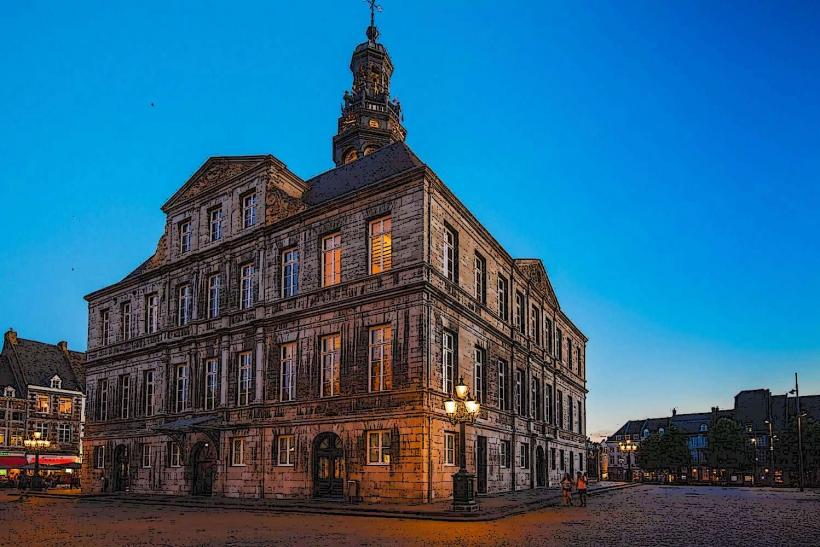
The University Library on Grote Gracht is located in a former municipal building with an extensive collection of Jesuit heritage books. Visitors can observe the Problem-Based Learning (PBL) system in action through public lectures or explore the Tapijnkazerne, a former military barracks converted into a modern learning space and park.
Infrastructure & Amenities
The university facilities include multiple student cafeterias (Mensa), study centers with high-speed Wi-Fi, and public-access gardens at the Tapijn site. 5G cellular coverage is comprehensive across all campus locations. Public restrooms and elevators are available in all faculty buildings, though accessibility varies in the older, historic monastery wings.
Best Time to Visit
The inner-city faculties are most vibrant during the academic semester (September to June). For photography, the courtyards of the Faculty of Law and the School of Business and Economics are best during the morning hours. The Tapijnkazerne park area is optimal during the spring and summer months for outdoor recreation.
Facts & Legends
A unique feature of the university is its commitment to the "International Classroom" and the PBL method, where students lead discussions in small groups rather than attending traditional large-scale lectures. A local "secret" is the basement of the Law Faculty building, which contains remnants of medieval city walls and vaulted storage cellars.
Nearby Landmarks
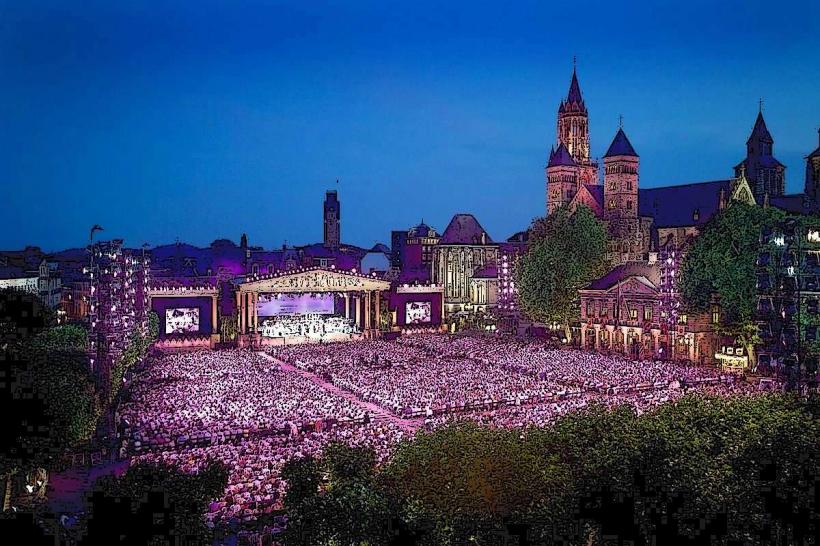
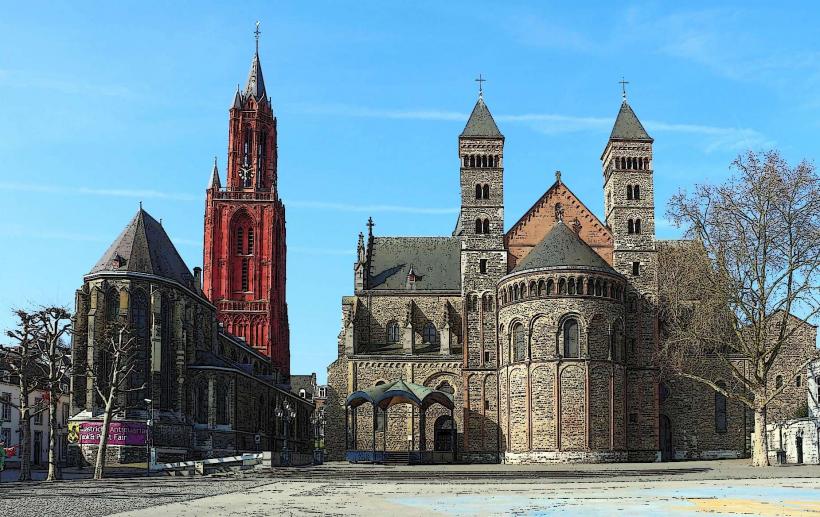
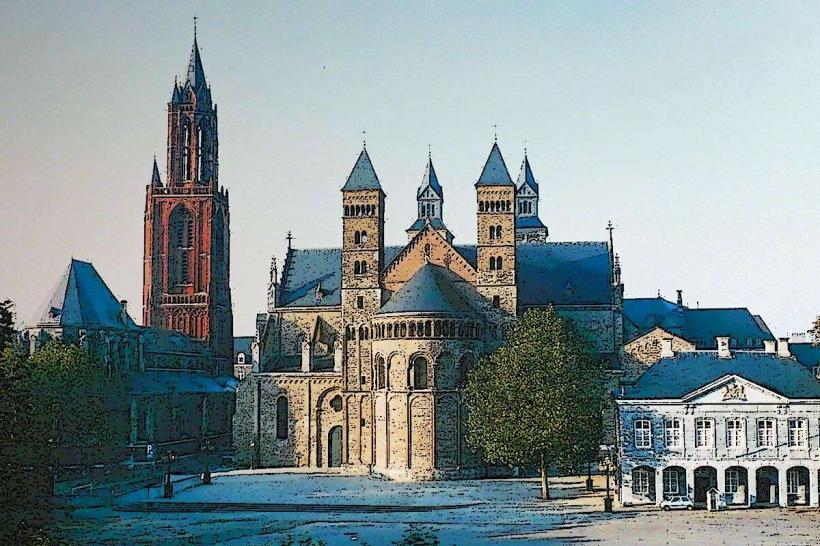
Vrijthof Square (0.3km North)
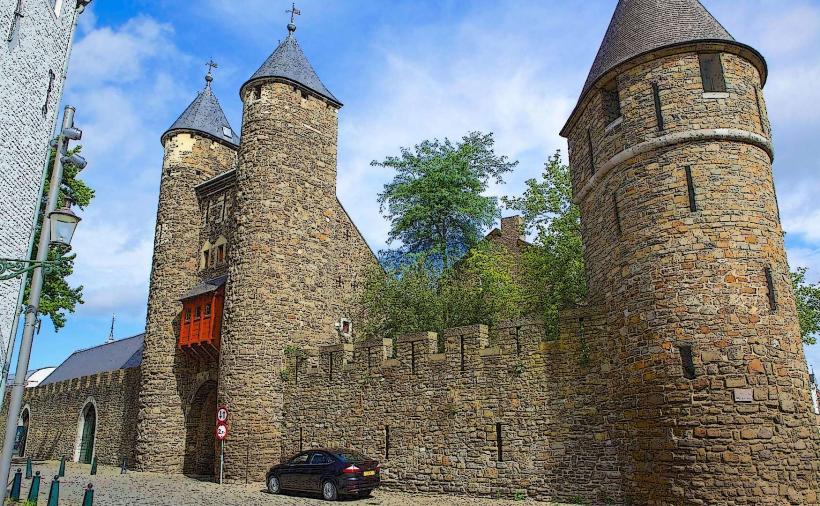
Helpoort (0.5km Southeast)
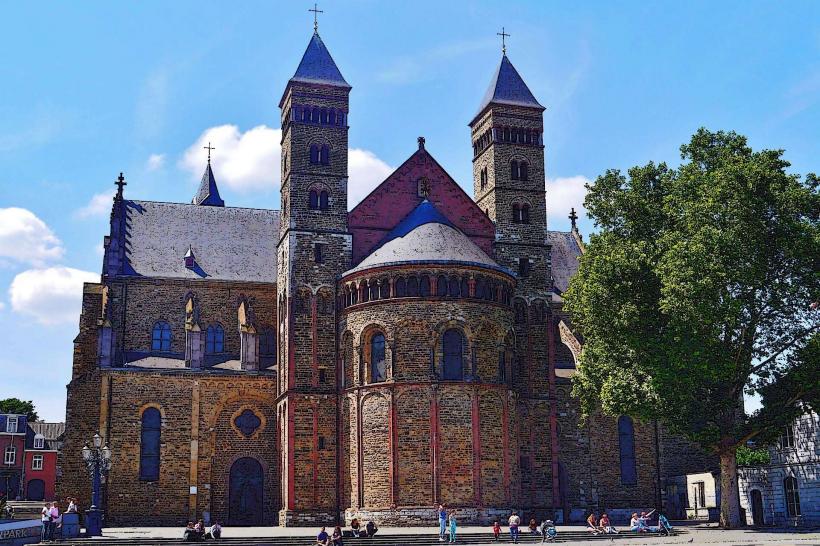
Saint Jan's Church (0.4km North)
Stadspark (0.4km South)
Natural History Museum Maastricht (0.2km East)