Information
Landmark: Château NeercanneCity: Maastricht
Country: Netherlands
Continent: Europe
Château Neercanne, Maastricht, Netherlands, Europe
Château Neercanne is the only terraced castle in the Netherlands, located in the Jeker Valley on the border between Maastricht and Belgium. It serves as a luxury gastronomic destination and is part of the Oostwegel Collection.
Visual Characteristics
The castle is built from yellow marlstone (limestone) and features four levels of baroque terraces with formal gardens. The architecture follows a symmetrical neoclassical design with a central pavilion and flanking wings. Its interior is defined by marlstone walls and subterranean dining rooms carved directly into the adjacent caves.
Location & Access Logistics
The site is located at Von Dopfflaan 10, approximately 4km southwest of Maastricht city center. Access is via the Cannerweg. Public transport is limited; Bus line 10 (stop Cannerweg/Kasteel Neercanne) provides the closest access followed by a uphill walk. On-site parking is available for guests. The castle marks the border between the Netherlands and Belgium, with the border line running through the estate.
Historical & Ecological Origin
The current structure was built in 1698 by Governor Daniël Wolf baron van Dopff on the site of a former Roman fortification. The limestone used for construction was quarried on-site, creating the extensive cave network behind the castle. The estate is situated on the Cannerberg, overlooking the ecologically protected Jeker Valley nature reserve.
Key Highlights & Activities
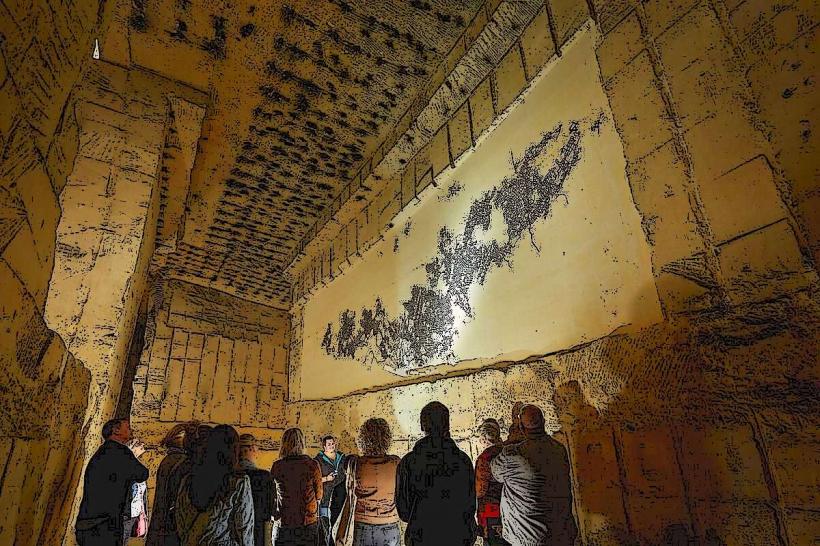
The castle houses a Michelin-starred restaurant and "L'Auberge," a lunch-focused restaurant located in the former stables. The limestone caves serve as a wine cellar and venue for tastings and events. The terrace offers a panoramic view of the Jeker Valley. In 1991, the castle hosted the heads of state during the European Summit for the Maastricht Treaty.
Infrastructure & Amenities
The facility includes fine-dining halls, a subterranean wine cave, and outdoor terrace seating. Public restrooms are available for guests. 5G and 4G cellular signals are stable on the terraces but drop significantly within the limestone caves. The formal gardens are open to visitors, though the castle interior is primarily reserved for restaurant patrons.
Best Time to Visit
The terraces are best visited during late spring and summer for clear views and blooming gardens. For photography, the late afternoon provides the most balanced lighting for the yellow marlstone facade. The restaurant is generally closed on Mondays and Tuesdays; Wednesday through Sunday operating hours for lunch and dinner apply.
Facts & Legends
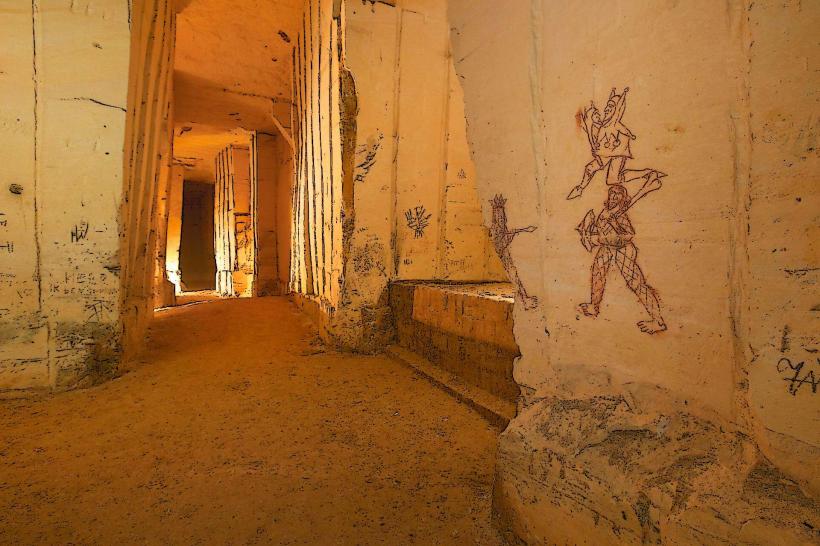
The castle's caves contain a "guestbook" carved and signed directly into the marlstone walls by notable visitors throughout history. A verified historical oddity is that the castle was once a residence for the governor of the Fortress of Maastricht, and its high vantage point was strategically vital for monitoring military movements in the valley.
Nearby Landmarks
Cannerberg Marl Caves (Adjacent)
Jeker Valley Nature Reserve (Adjacent)
Mount Saint Peter (St. Pietersberg) (1.5km East)
Basilica of Saint Servatius (4.2km Northeast)
Fort Sint Pieter (2.5km Northeast)