Information
Landmark: St. Martin's ChurchCity: Maastricht
Country: Netherlands
Continent: Europe
St. Martin's Church, Maastricht, Netherlands, Europe
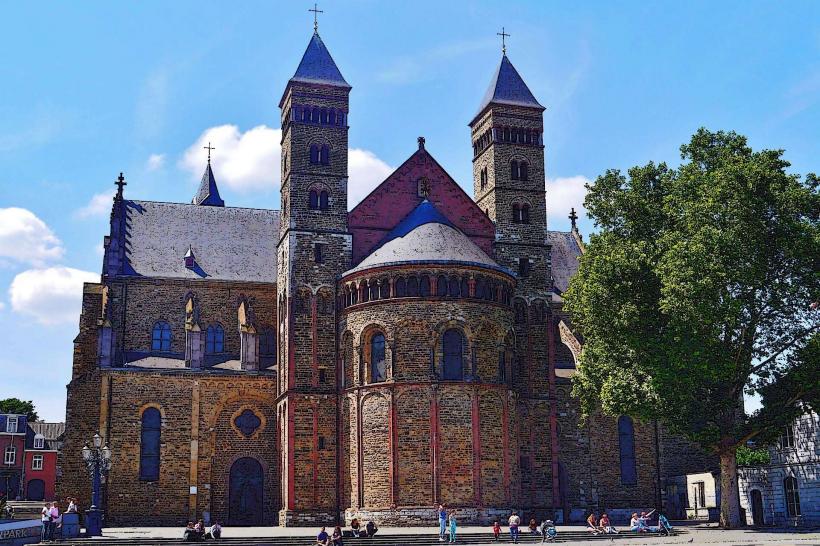
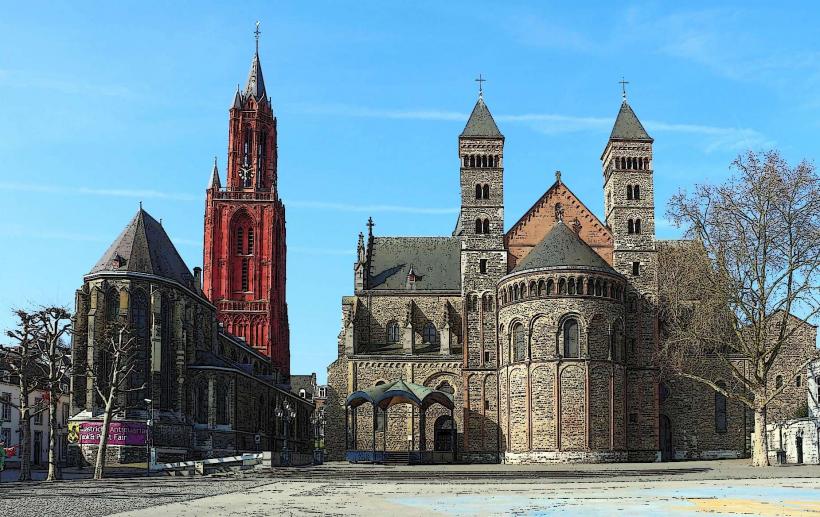
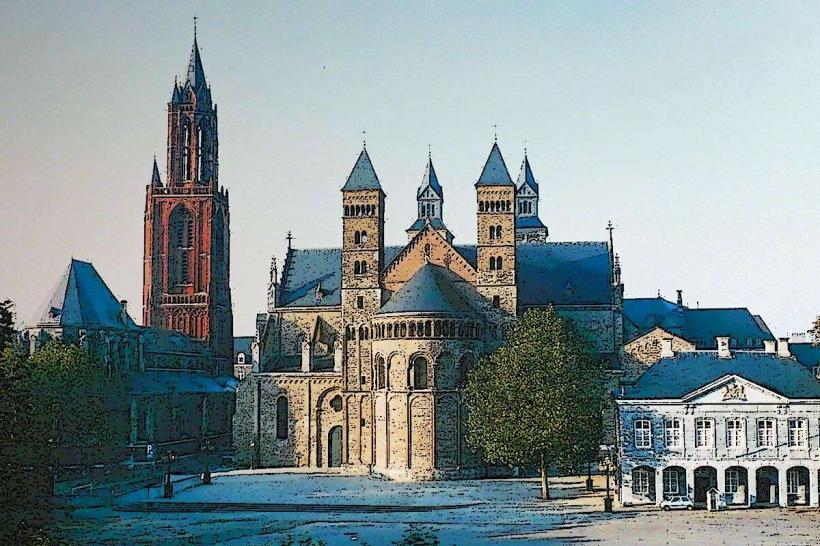
St. Martin's Church (Sint-Maartenskerk) is a prominent neo-Gothic Roman Catholic church located in the Wyck district on the eastern bank of the Meuse river. Built between 1857 and 1858, it stands as one of the first major designs by the architect Pierre Cuypers, who later designed the Rijksmuseum in Amsterdam.
Visual Characteristics
The church is a three-aisled cruciform basilica constructed of red brick with decorative elements in light-colored stone. Its most defining feature is the 70-meter-tall west tower, which features a slender spire and ornate clock faces. The interior is characterized by high ribbed vaults, neo-Gothic stained glass windows, and a collection of 15th-century wood carvings, including a notable "Master of Elsloo" crucifix.
Location & Access Logistics
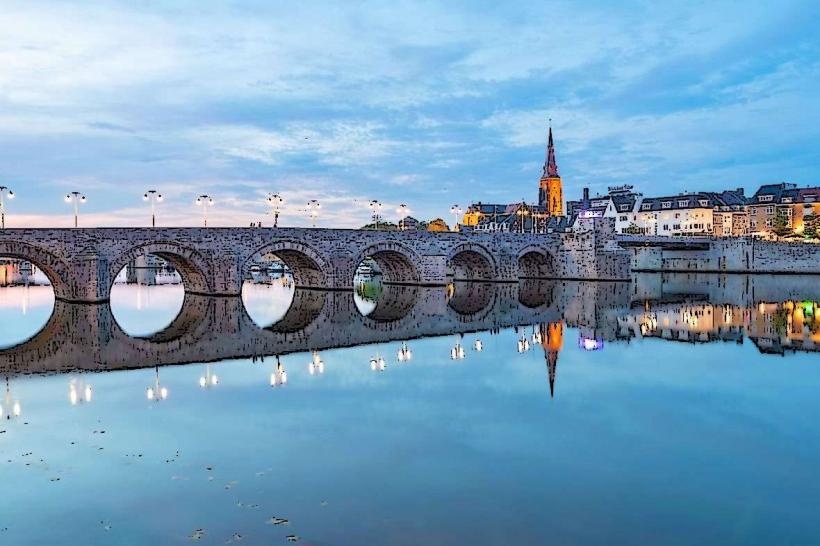
The church is situated at Rechtstraat 2, approximately 0.4km west of Maastricht Central Station. It is easily accessible on foot via the Stationsstraat and is located directly adjacent to the eastern landing of the Sint Servaasbrug (Saint Servatius Bridge). Public transport users can utilize any bus line serving the "Wilhelminasingel" or "Centraal Station" stops. Paid car parking is available at the Q-Park De Colonel or Q-Park Wyck.
Historical & Ecological Origin
The current building replaced a much smaller, dilapidated medieval church on the same site. During the excavations for the 19th-century construction, remains of an early medieval cemetery were discovered, indicating the site’s long-standing religious significance. The church was built to accommodate the growing population of the Wyck district following the industrial expansion of the city in the mid-1800s.
Key Highlights & Activities
Visitors can view the "Black Christ of Wyck," a 13th-century walnut crucifix that has been a focal point of local pilgrimage for centuries. The church frequently hosts classical organ recitals utilizing its historic pipe organ. Photography is permitted in the nave, which offers clear perspectives of the neo-Gothic architectural symmetry.
Infrastructure & Amenities
The church is located in the Rechtstraat, a commercial street with numerous cafes, restrooms, and shops. 5G cellular coverage is excellent in the surrounding plaza and interior. The main entrance is equipped with a ramp for wheelchair accessibility. There are no food vendors inside the church, but the Wyck district offers the highest density of artisanal bakeries in the city.
Best Time to Visit
The church is best viewed from the Sint Servaasbrug during the morning hours when the sun illuminates the eastern brickwork. For interior photography, midday provides the most balanced light through the stained glass. It is generally open to the public daily from 10:00 to 17:00, outside of scheduled liturgical services.
Facts & Legends
A unique historical oddity is that the "Black Christ" statue was allegedly found floating in the Meuse river and was considered a protector against the plague. During the Siege of Maastricht in 1673, the previous church on this site was heavily damaged by French artillery, leading to the eventual decision to commission Cuypers for the modern replacement.
Nearby Landmarks
Sint Servaasbrug (0.1km West)
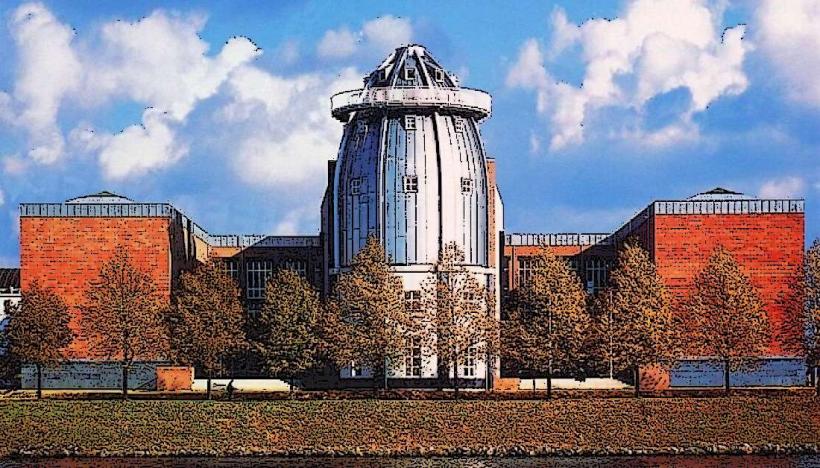
Bonnefanten Museum (0.8km South)
Centre Céramique (0.5km South)
Wycker Brugstraat Shopping District (0.2km East)