Information
City: MaastrichtCountry: Netherlands
Continent: Europe
Maastricht, Netherlands, Europe
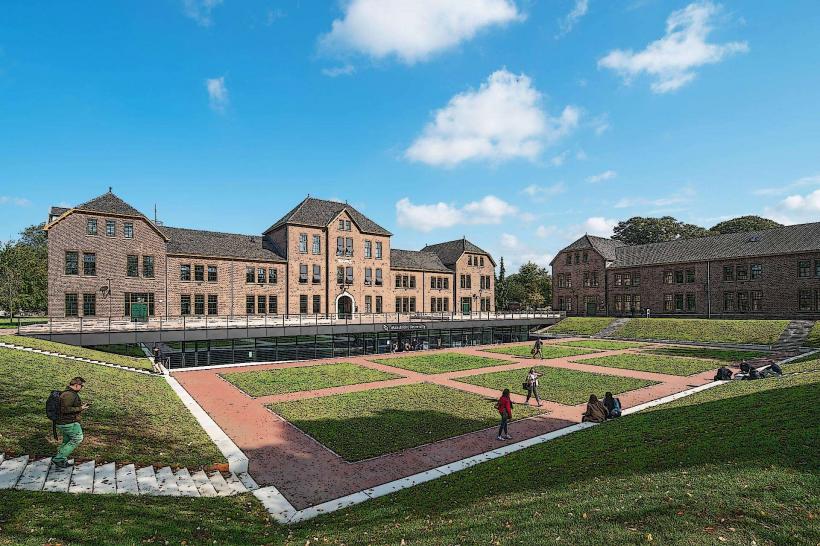
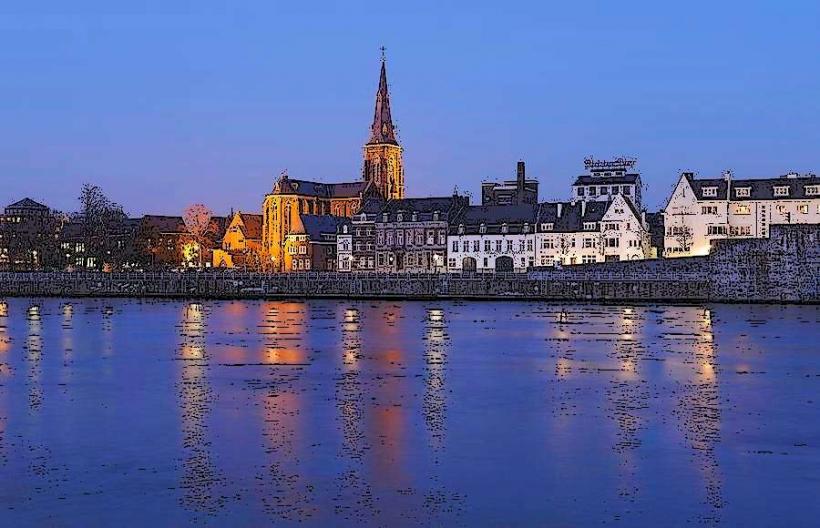
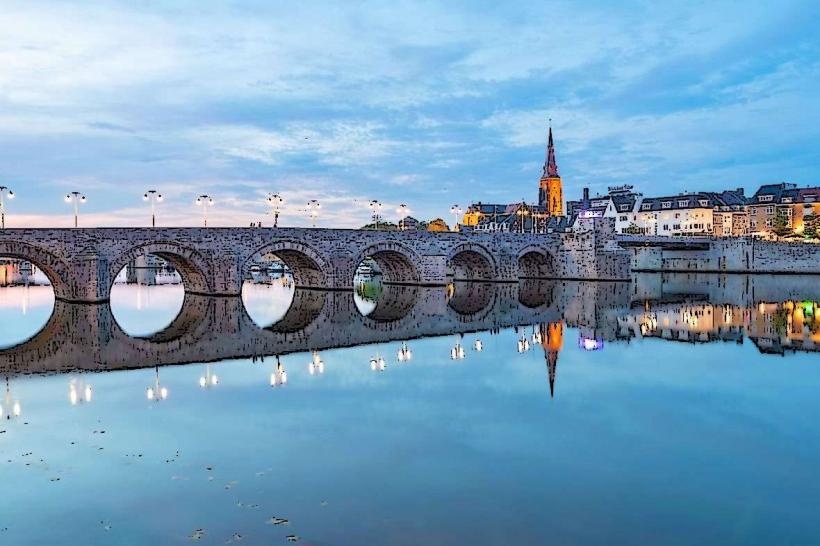
Maastricht functions as the primary cultural and administrative capital of the Limburg province and a major center for European political history. Situated on both sides of the Meuse River at the southernmost tip of the Netherlands, it is defined by its Roman origins, its Burgundian lifestyle, and its status as a hub for international law and medical research.
Historical Timeline
Maastricht originated as the Roman settlement Mosae Trajectum around 50 BC. The primary era of governance was shared between the Duke of Brabant and the Prince-Bishop of Liège for centuries. The primary event shaping its modern identity was the 1992 Maastricht Treaty, which created the European Union and the Euro, followed by the city's transition from an industrial center to a premiere academic and service-based economy.
Demographics & Population
The city population is approximately 123,000. The demographic profile is highly international, driven by Maastricht University, where over 50% of the student body is foreign. Dutch is the official language, but the local Limburgish dialect is widely spoken. English and German proficiency is exceptionally high due to the proximity to the borders of Belgium (3 km) and Germany (30 km). The median age is 40.2 years.
Urban Layout & Key Districts
The city is bisected by the Meuse River and features a layout more characteristic of Central Europe than the northern Netherlands.
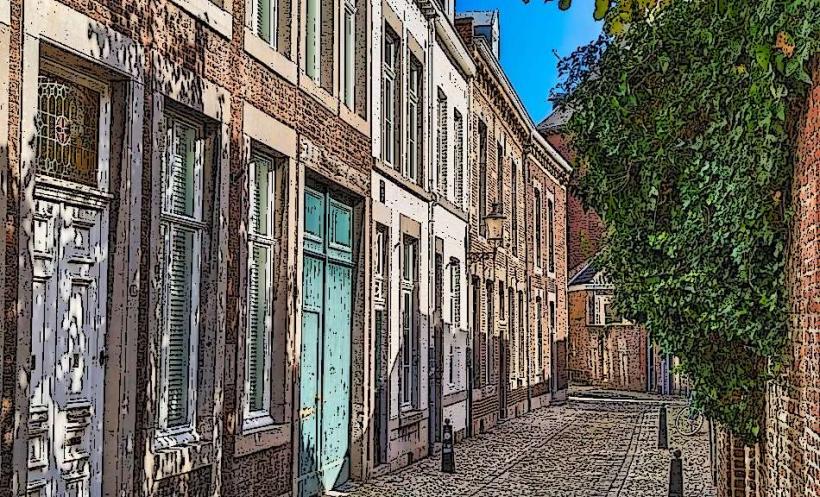
Binnenstad: The historic center on the west bank, featuring the Vrijthof and Onze Lieve Vrouweplein squares.
Wyck: A specialized district on the east bank between the river and the train station, known for boutiques, antique shops, and artisanal food.
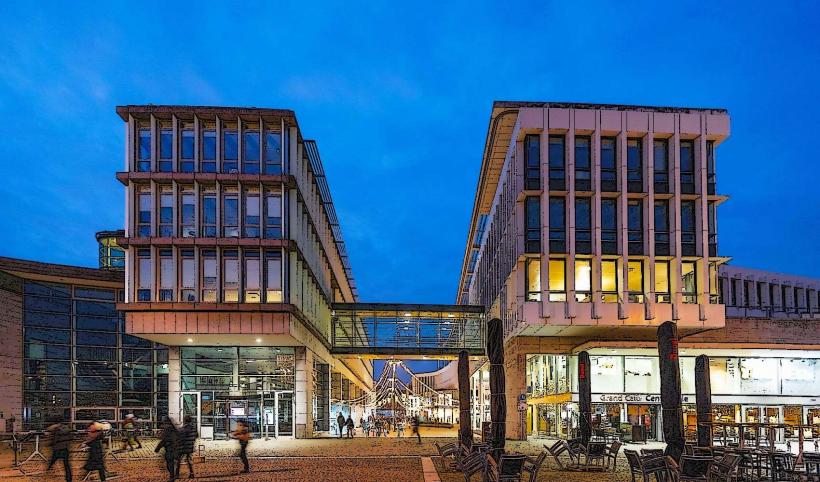
Céramique: A specialized modern district built on a former pottery site, housing the Bonnefanten Museum and the public library.
Jekerkwartier: Often called the "Latin Quarter," a historic area where the Jeker River flows into the Meuse, known for university buildings and old city walls.
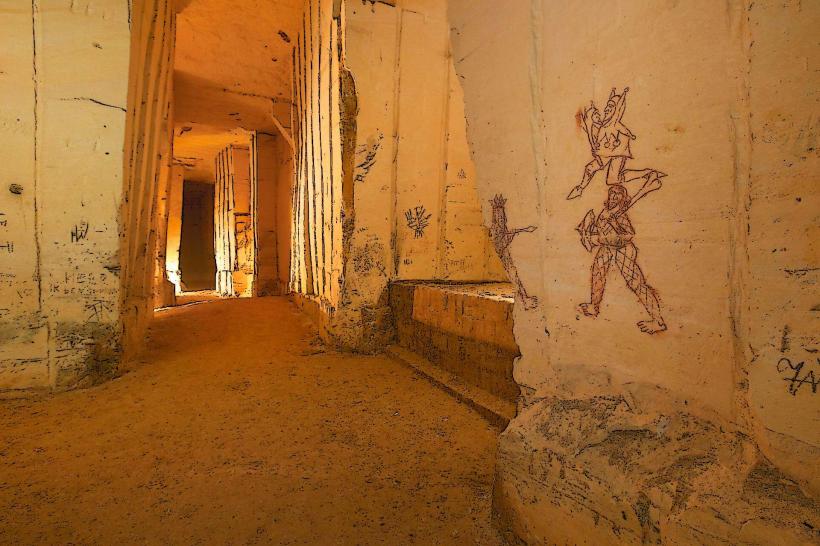
Sint Pieter: A specialized residential and nature district in the south, home to the Fort of St. Pieter and the limestone caves.
Top City Landmarks
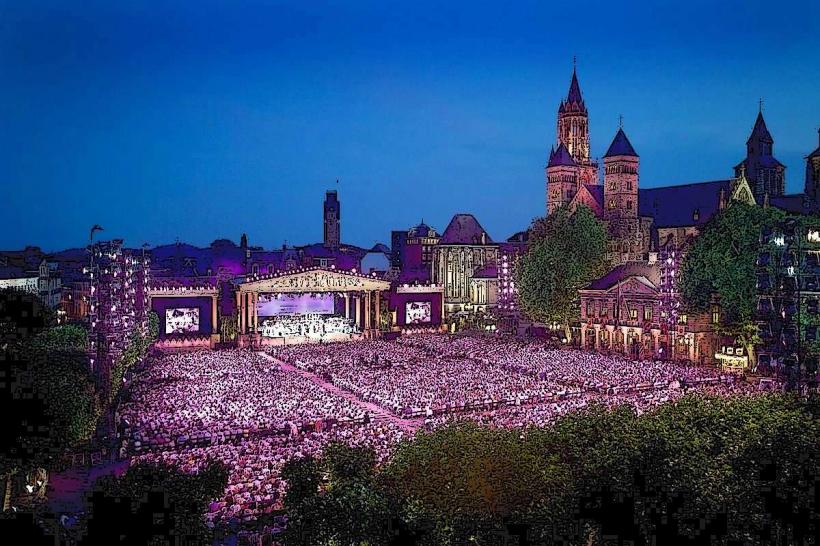
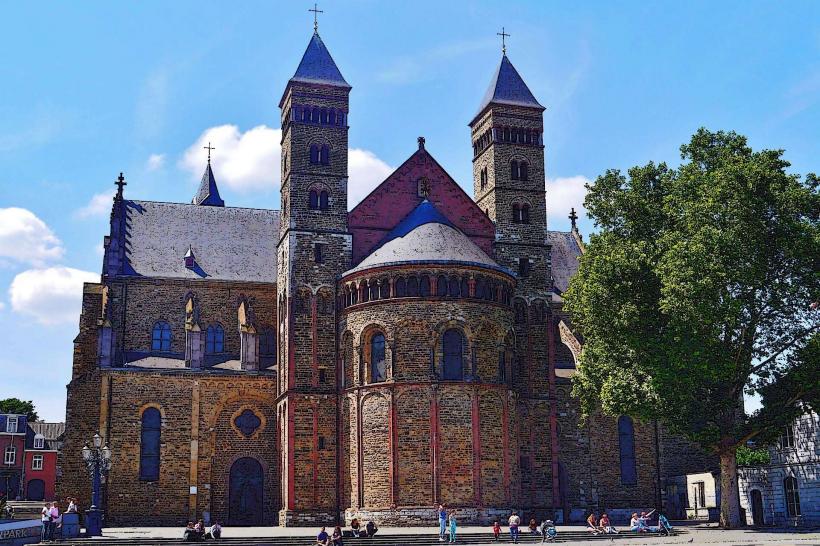
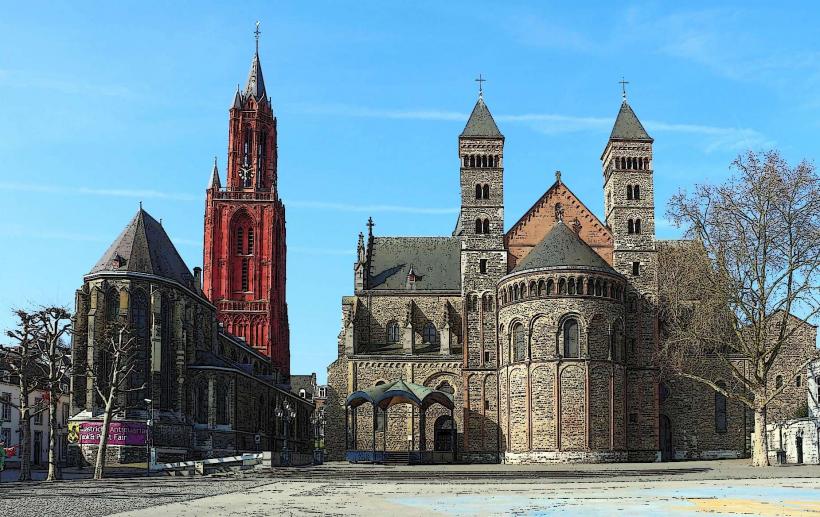
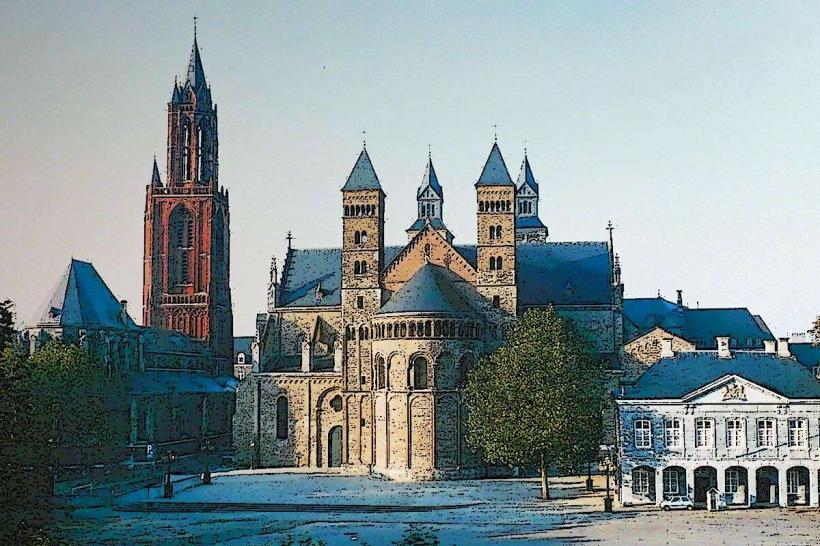
Vrijthof: The city’s main square, flanked by the Basilica of Saint Servatius and the red-towered Saint John's Church.
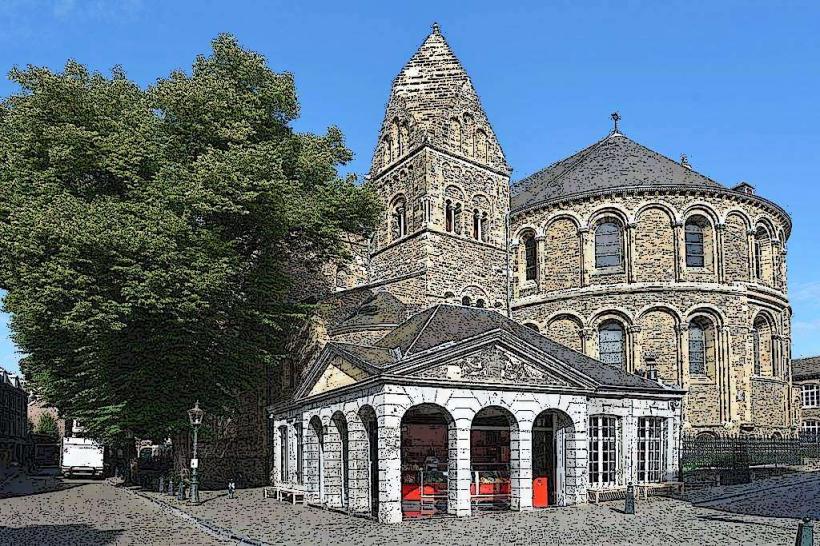
Basilica of Our Lady (Onze-Lieve-Vrouwebasiliek): A Romanesque church known for its fortress-like "westwork" and the Star of the Sea chapel.
Boekhandel Dominicanen: A specialized bookstore housed inside a deconsecrated 13th-century Dominican church.
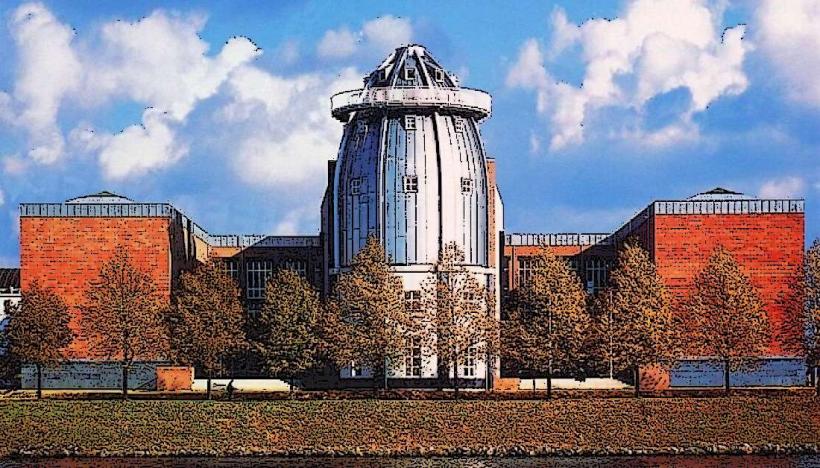
Bonnefanten Museum: An art museum designed by Aldo Rossi, featuring an iconic E-shaped floor plan and a distinctive zinc-domed cupola.
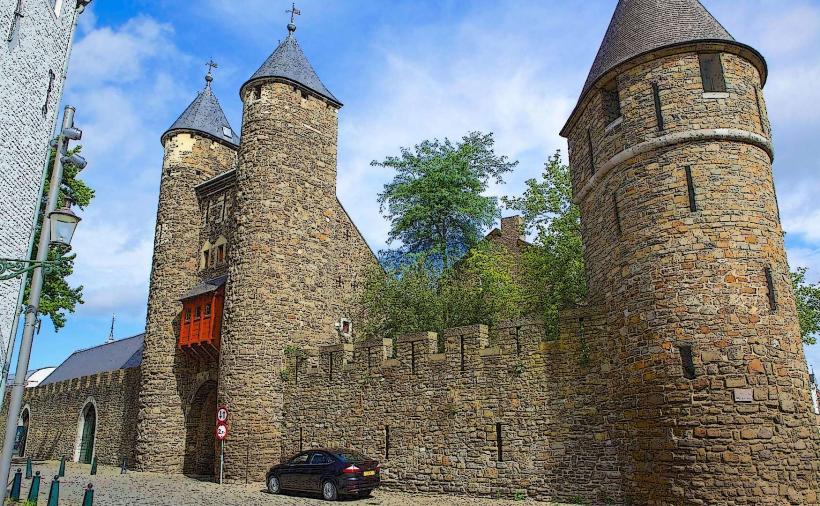
Helpoort: The oldest city gate in the Netherlands, dating back to 1229.
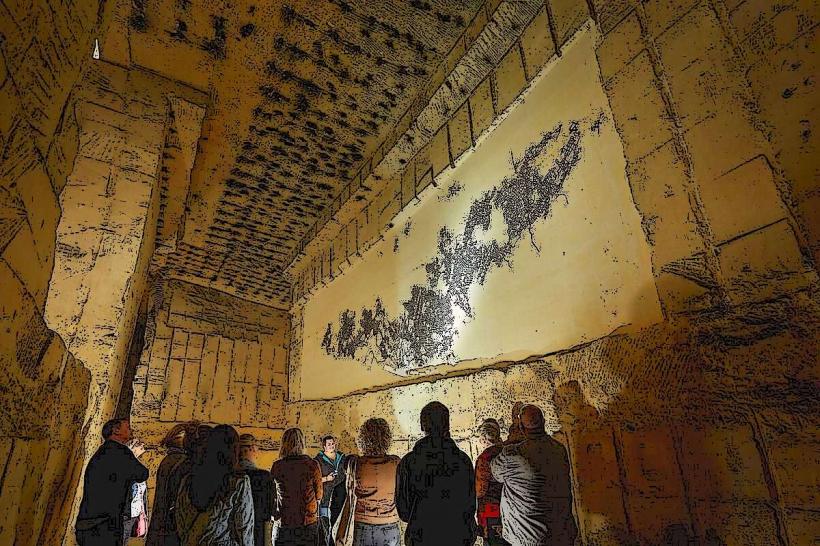
Mount Saint Peter (Sint-Pietersberg): A specialized plateau featuring a network of over 20,000 subterranean limestone tunnels.
Transportation Network
Maastricht is a critical node in the Meuse-Rhine Euroregion.
Maastricht Railway Station: Connects to Eindhoven/Amsterdam and provides cross-border services to Liège (Belgium) and Aachen (Germany).
Arriva: Operates the regional bus and train network; all national "OV-chipkaart" systems are valid.
Maastricht Aachen Airport (MST): Located 9 km north, specializing in cargo and regional European flights.
Bicycles: While hilly by Dutch standards, the city features extensive dedicated cycling paths and high-capacity parking at the station.
Safety & "Red Zones"
The general safety level is very high. Crime is limited to petty theft and bicycle larceny. There are no "red zones." Standard caution is advised late at night in the immediate vicinity of the Markt or the bus station, similar to any urban center. Environmental risks are limited to the Meuse River's water levels, which are strictly managed by locks and barrages.
Digital & Financial Infrastructure
Maastricht is a center for Life Sciences and "Brightlands" innovation. Internet speeds average 100–1000 Mbps via fiber. 5G coverage is universal. Card and mobile payments are the standard; many businesses in the Wyck and Binnenstad districts are "pin-only."
Climate & Air Quality
Maastricht has a temperate maritime climate, but its inland, southern position makes it slightly warmer in summer and colder in winter than coastal Dutch cities. Daytime temperatures range from 5°C in January to 24°C in July. Air quality is high.
Culture & Social Norms
Social norms are defined by "Burgundian" hospitality-a focus on fine dining, cafes, and a slower pace of life than the Randstad. Tipping is not required but 5–10% is customary for table service. The primary cultural event is Carnival (February/March), which shuts down the city for three days of street festivities.
Accommodation Zones
Binnenstad: Recommended for historic atmosphere and proximity to main squares.
Wyck: Recommended for boutique hotels, transit access, and trendy dining.
Céramique: Recommended for modern business hotels and quiet stays.
Local Cost Index
1 Espresso: €3.00
1 Pint of Beer: €5.50–€7.00
1 Standard Lunch: €15.00–€25.00
Nearby Day Trips
Valkenburg: 10 mins by train; a specialized tourist town known for its castle ruins and marlstone caves.
Aachen, Germany: 30 mins by bus; the city of Charlemagne and its UNESCO-listed cathedral.
Liège, Belgium: 30 mins by train; known for its waffles, Sunday market, and architecture.
Drielandenpunt (Vaals): 40 mins away; the point where the borders of the Netherlands, Belgium, and Germany meet.
Facts & Legends
Maastricht is the site where the musketeer d'Artagnan (the inspiration for The Three Musketeers) was killed during the Siege of Maastricht in 1673. Legend states that the "Star of the Sea" statue in the Basilica has performed numerous miracles to protect the city from floods. A verified fact is that Maastricht is the only city in the Netherlands built on hills of significant elevation. Historically, the city has been besieged over 20 times due to its strategic position on the Meuse.