Information
City: UtrechtCountry: Netherlands
Continent: Europe
Utrecht, Netherlands, Europe
Utrecht functions as the primary religious, academic, and logistical heart of the Netherlands. Situated at the crossroads of the country's main rail and canal networks, it is a major center for higher education, sustainable urban design, and the specialized "Healthy Urban Living" sector.
Historical Timeline
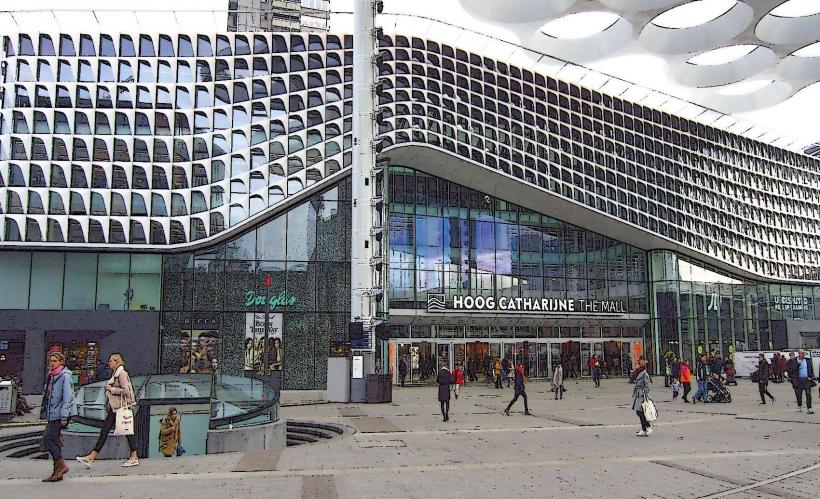
Utrecht originated as the Roman fortress Traiectum on the Rhine border. The primary era of governance was the Middle Ages, when it served as the most important religious and political center in the northern Netherlands. The primary event shaping its modern identity was the 1579 Union of Utrecht, which laid the foundation for the Dutch Republic, followed by the 2010s redevelopment of the Hoog Catharijne area, which integrated the central station with the historic core.
Demographics & Population
The city population is approximately 368,000, with over 670,000 in the metropolitan area. The demographic is characterized by a high concentration of students and highly educated professionals, driven by Utrecht University, the largest in the country. Dutch is official, but English is the primary language of academia and the tech sector. The median age is 34.1 years, making it one of the youngest cities in the Netherlands.
Urban Layout & Key Districts
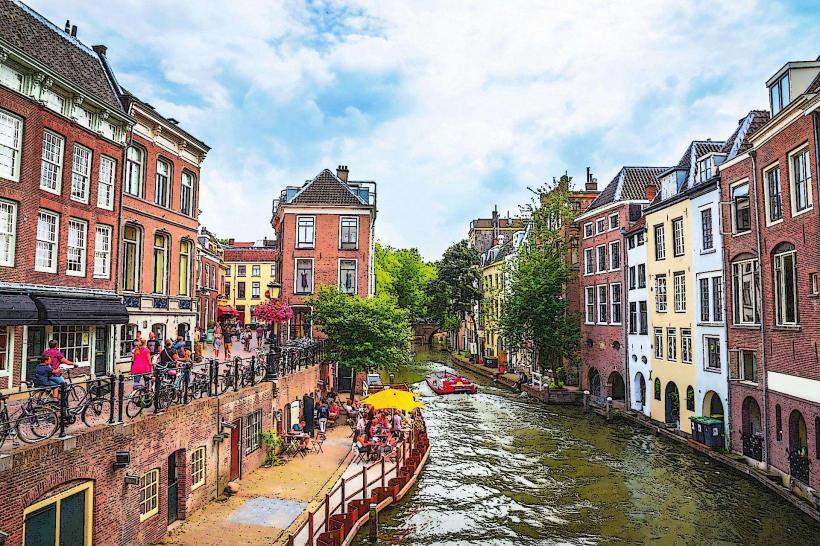
The city is defined by its unique two-tier canal system.
Old Town (Centrum): A specialized medieval district featuring "wharf cellars" (werfkelders)-lower-level warehouses that open directly onto the water.
Museumkwartier: A quiet, specialized heritage district in the southern part of the center, housing the city’s major cultural institutions.
Lombok: A multicultural district west of the station, known for the Kanaalstraat and specialized international food markets.
De Uithof (Science Park): A specialized eastern campus district housing the university, hospitals, and high-tech research centers.
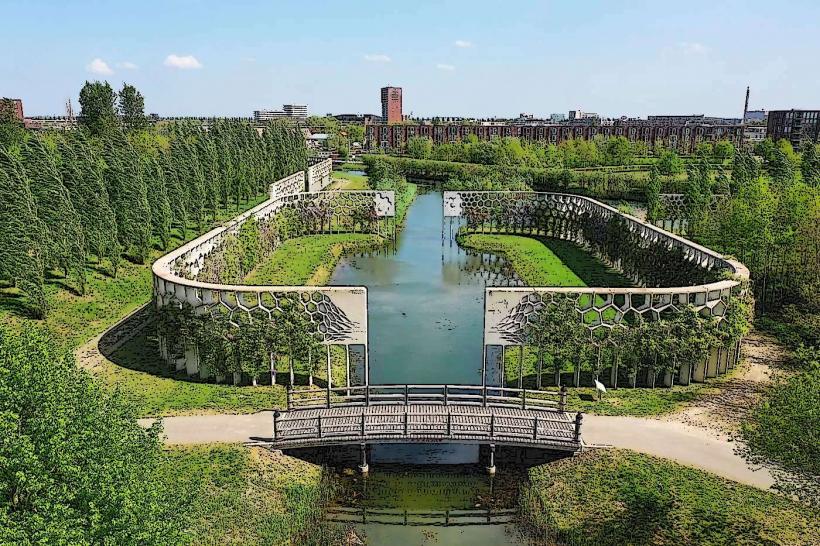
Leidsche Rijn: A massive modern expansion district to the west, representing the largest urban development project in the Netherlands.
Top City Landmarks
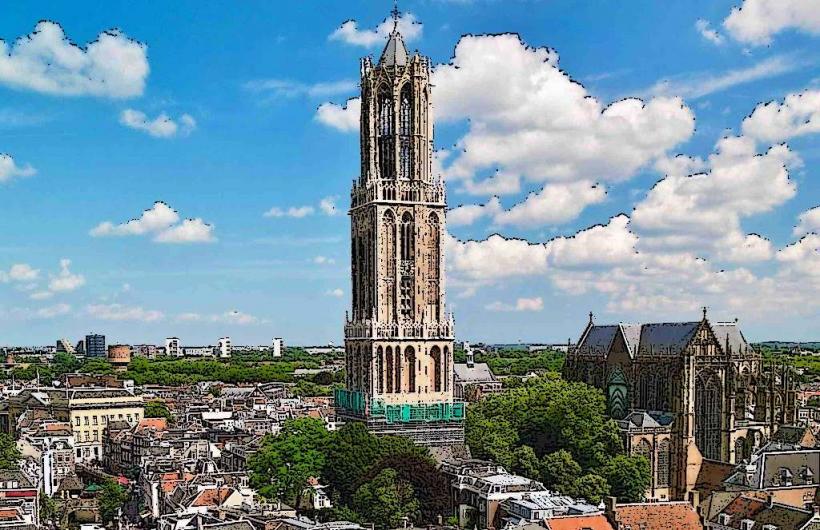
Dom Tower (Domtoren): The tallest church tower in the Netherlands (112 meters); a specialized Gothic landmark separated from the cathedral by a storm in 1674.
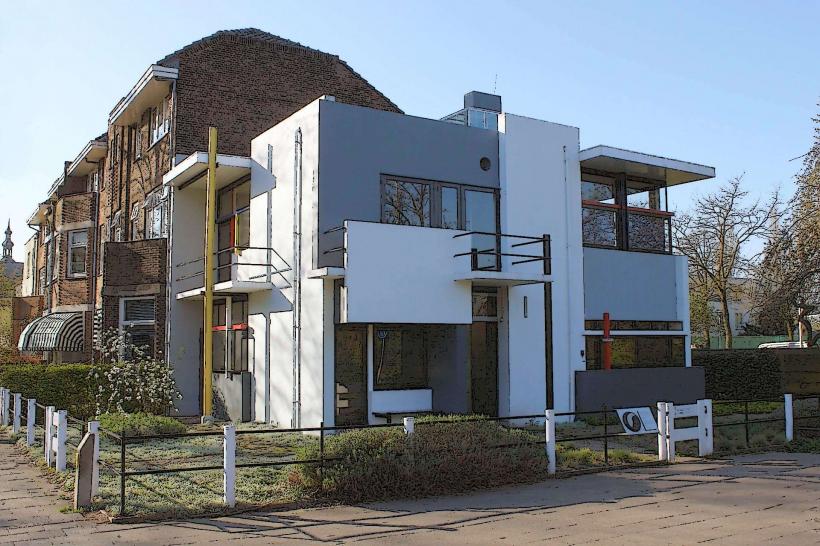
Rietveld Schröder House: A specialized UNESCO site and icon of the De Stijl movement, known for its radical flexible spatial arrangement and primary colors.
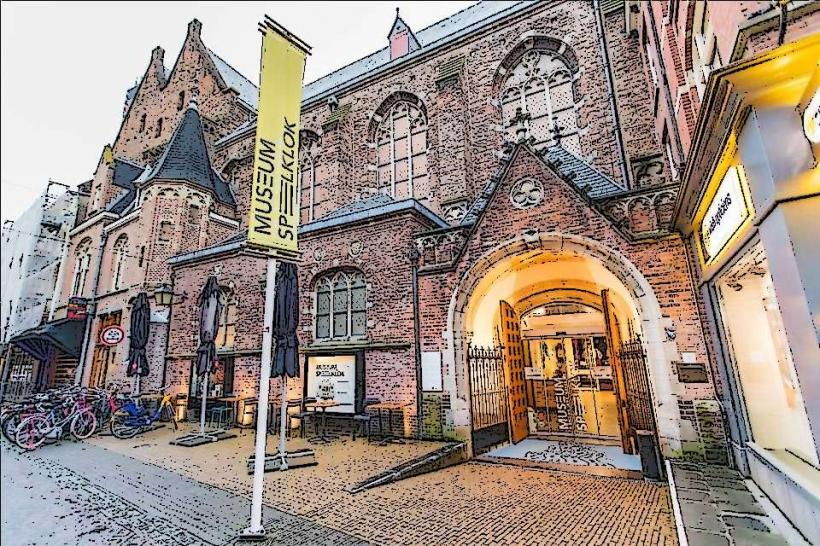
Museum Speelklok: A specialized museum of self-playing musical instruments, including carillons and fairground organs.
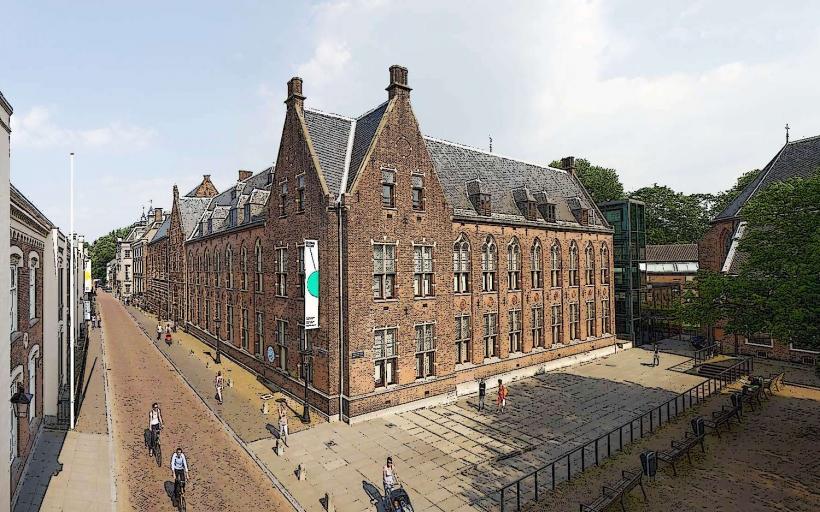
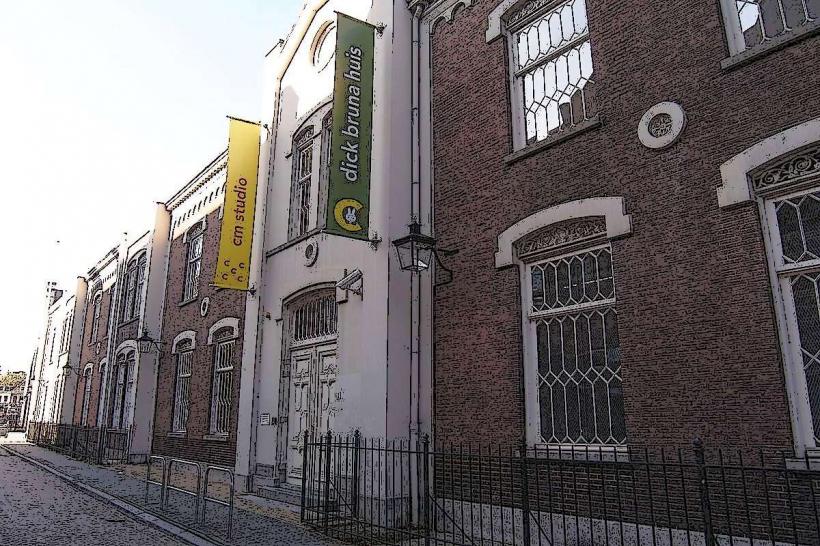
Centraal Museum: The oldest municipal museum in the Netherlands, housing the world's largest collection of Dick Bruna's work (Miffy/Nijntje).
Nijntje Museum: A specialized biographical and interactive museum dedicated to the character Miffy.
Transportation Network
Utrecht serves as the central node of the Dutch railway network (NS).
Utrecht Centraal: The largest and busiest railway station in the Netherlands, serving as the hub for all national intercity lines.
Cycling: Utrecht is consistently ranked among the world's top cycling cities, featuring the Stationsplein Bicycle Parking, the largest in the world with space for 12,500 bikes.
U-OV: An integrated tram and bus network connecting the center to the Science Park and suburbs.
Canal Boats: Specialized electric tour boats and rental kayaks are the primary way to navigate the historic wharf system.
Safety & "Red Zones"
The general safety level is very high. Crime is limited to opportunistic bicycle theft and petty larceny. There are no "red zones." The area around the central station and Hoog Catharijne is heavily monitored and safe 24/7. Standard caution is advised for pedestrians near high-speed cycle lanes.
Digital & Financial Infrastructure
Utrecht is a leader in Smart Grid technology and biogenetic research. Internet speeds average 100–1000 Mbps via fiber. 5G coverage is universal. Card and mobile payments are the standard; many buses and shops are "cashless."
Climate & Air Quality
Utrecht has a temperate maritime climate. Because of its inland position, it experiences slightly less wind than coastal cities. Daytime temperatures range from 5°C in January to 23°C in July. Air quality is a primary policy focus, with the city operating extensive "Low Emission Zones."
Culture & Social Norms
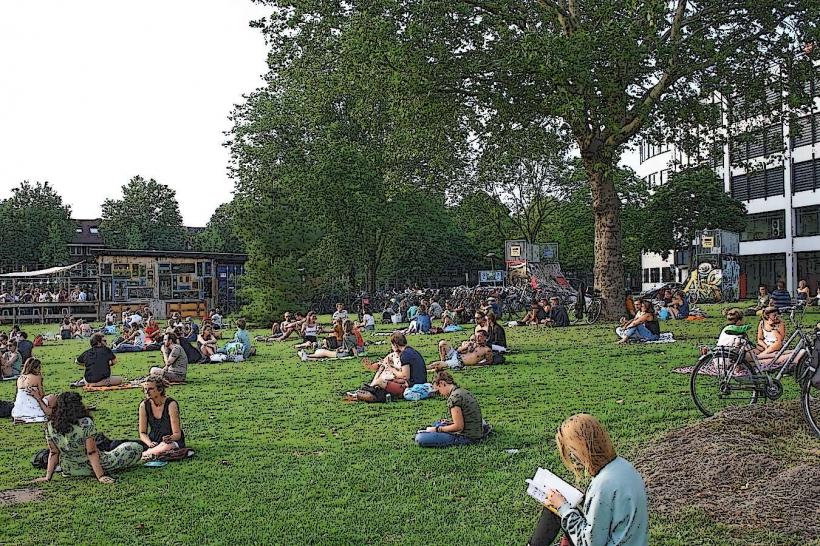
Social norms are characterized by a "student-town" vitality and a high degree of social tolerance. Tipping is not required but 5–10% is customary for table service. Key events include the Netherlands Film Festival and the Early Music Festival.
Accommodation Zones
City Center: Recommended for proximity to the canals, Dom Tower, and dining.
Museumkwartier: Recommended for a quieter, historic stay.
Near Centraal Station: Recommended for business travelers and regional transit.
Local Cost Index
1 Espresso: €3.20
1 Pint of Beer: €5.50–€7.00
1 Standard Lunch: €14.00–€22.00
Nearby Day Trips
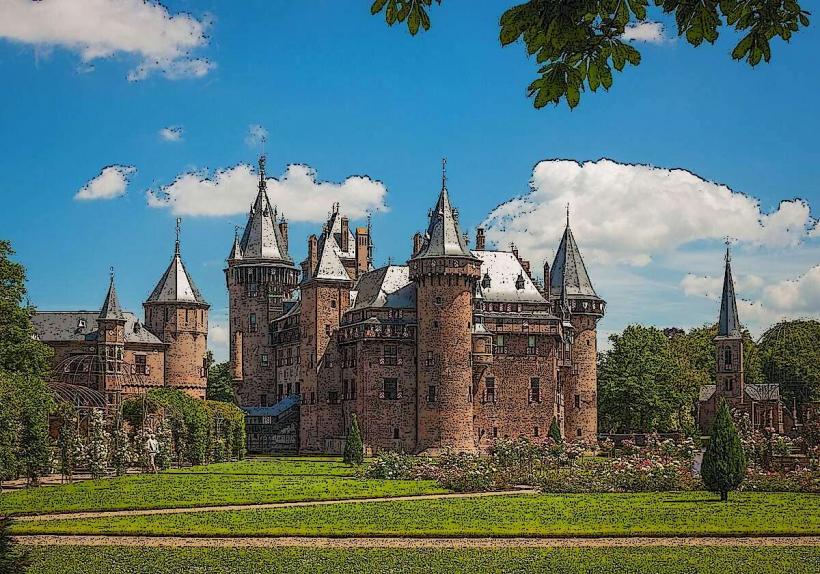
Kasteel de Haar: 25 mins west; the largest and most luxurious castle in the Netherlands.
Amersfoort: 15 mins by train; a medieval city with exceptionally well-preserved city walls and gates.
Hoge Veluwe National Park: 45 mins away; home to the Kröller-Müller Museum and wild deer populations.
Facts & Legends
Utrecht is the site of the Treaty of Utrecht (1713), which ended the War of the Spanish Succession and fundamentally reshaped European borders. Legend states that the Dom Tower remains standing while its nave collapsed because the architect made a deal with the devil. A verified fact is that Utrecht is the only city in the world where the "wharf cellars" create a unique subterranean street level below the main sidewalk. Historically, Utrecht was the only city in the northern Netherlands with a university for over a century.