Information
Landmark: Utrecht University Botanic GardensCity: Utrecht
Country: Netherlands
Continent: Europe
Utrecht University Botanic Gardens, Utrecht, Netherlands, Europe
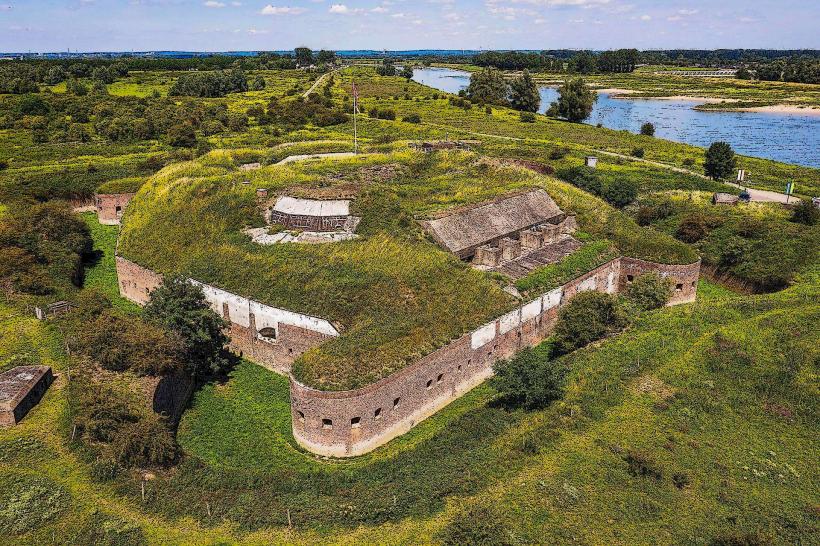
The Utrecht University Botanic Gardens is a 9-hectare scientific garden situated at the Utrecht Science Park in the eastern portion of the city. Established at this location in 1963, it is built around and upon the 19th-century Fort Hoofddijk.
Visual Characteristics
The site features a central rock garden constructed from 2,100 tons of Ardennes boulders, reaching a height of 12 meters. The landscape includes a 100-meter long herbaceous border, multiple ponds, and a complex of climate-controlled glasshouses. Vegetation varies from alpine flora on the fort remains to tropical rainforest species and succulents housed in steel and glass structures.
Location & Access Logistics
The gardens are located at Budapestlaan 17, approximately 5km from Utrecht Central Station. Access is via the Waterlinieweg or the A28 motorway (Exit 2). Public transport is available via the U-link 28 bus or the 22 tram line, stopping at "Padualaan." On-site parking is restricted to permit holders, but the nearby P+R Utrecht Science Park provides public parking within walking distance.
Historical & Ecological Origin
The gardens were originally founded in 1639 in the Utrecht city center, making them among the oldest in the Netherlands. The current site was developed on Fort Hoofddijk, a defensive work of the New Dutch Waterline built between 1877 and 1879. It serves as a conservation center for the Dutch National Plant Collection.
Key Highlights & Activities
Visitors can traverse the Rock Garden via specialized stone paths or observe aquatic plants from the wooden boardwalks in the Discovery Garden. The Tropical Greenhouses allow for the observation of the Victoria amazonica giant water lily during summer months. Educational exhibitions regarding biodiversity and climate change are permanently housed in the entrance pavilion.
Infrastructure & Amenities
The Garden Cafe provides indoor and outdoor seating with food and beverage service. Accessible restrooms are located in the main entrance building. 4G and 5G cellular coverage is consistent throughout the grounds. Limited shade is available in the rock garden, but the arboretum and greenhouses provide shelter from direct sun or rain.
Best Time to Visit
May and June are the peak months for flowering perennials and alpine plants. The Butterfly Greenhouse is best visited between June and September when temperatures remain high. For photography, early morning light provides the best contrast on the rock formations and pond surfaces.
Facts & Legends
The Rock Garden is one of the largest of its kind in Europe, utilizing the height of the decommissioned military fort to simulate alpine altitudes. A specific "secret" is the presence of the Ginkgo biloba tree near the entrance, a species that has remained morphologically unchanged for over 200 million years.
Nearby Landmarks
Fort bij Rijnauwen (2.1km Southeast)
Museum Oud Amelisweerd (2.5km South)
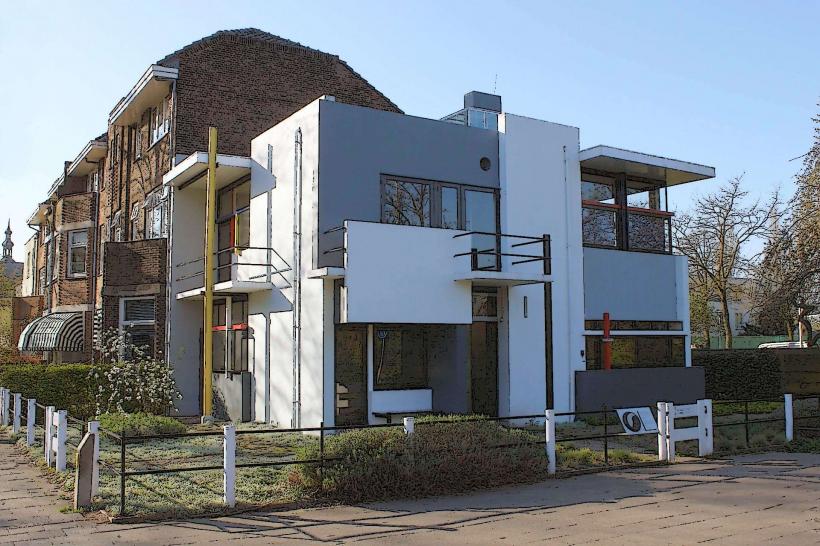
Rietveld Schröder House (2.2km West)
Wilhelminapark (2.8km West)