Information
City: RotterdamCountry: Netherlands
Continent: Europe
Rotterdam, Netherlands, Europe
Rotterdam functions as Europe’s largest maritime gateway and a primary global hub for logistics, architecture, and sustainable urban engineering. Unlike other historic Dutch cities, Rotterdam is defined by its modernist skyline and industrial innovation, serving as a critical center for the international petrochemical industry and the transition to hydrogen-based energy.
Historical Timeline
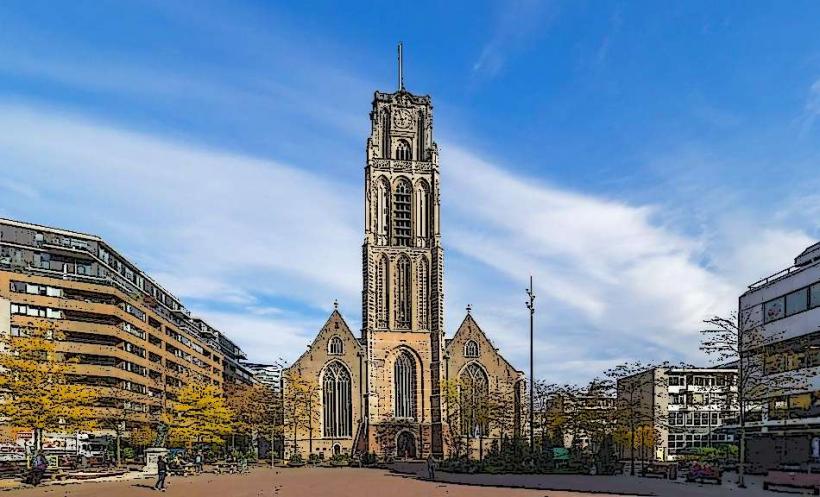
Rotterdam originated as a dam on the Rotte River in the 1290s. The primary era of governance was shaped by the city’s rapid expansion during the 19th-century Industrial Revolution. The primary event shaping its modern identity was the Rotterdam Blitz in May 1940, which completely destroyed the medieval city center. This led to a post-war decision to rebuild as a "City of the Future," prioritizing experimental architecture and functionalist design over reconstruction.
Demographics & Population
The city population is approximately 670,000, with over 2.4 million in the Rotterdam-The Hague metropolitan area. The demographic is exceptionally international, with 50% of residents having a non-Dutch background, representing over 170 nationalities. Dutch is official, but English is the primary language of the maritime and tech sectors. The median age is 37.9 years.
Urban Layout & Key Districts
The city is bisected by the Nieuwe Maas River and characterized by its decentralized, modular structure.
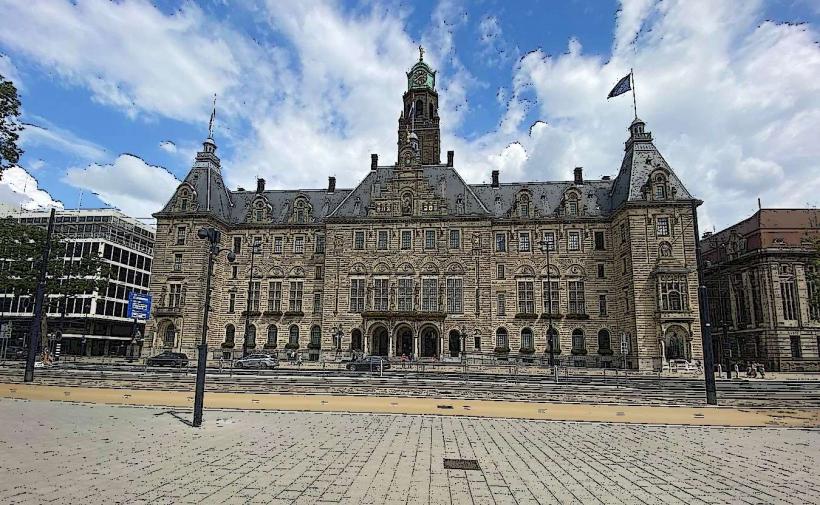
Coolsingel/Stadsdriehoek: The modern commercial core containing the city hall and primary shopping corridors.
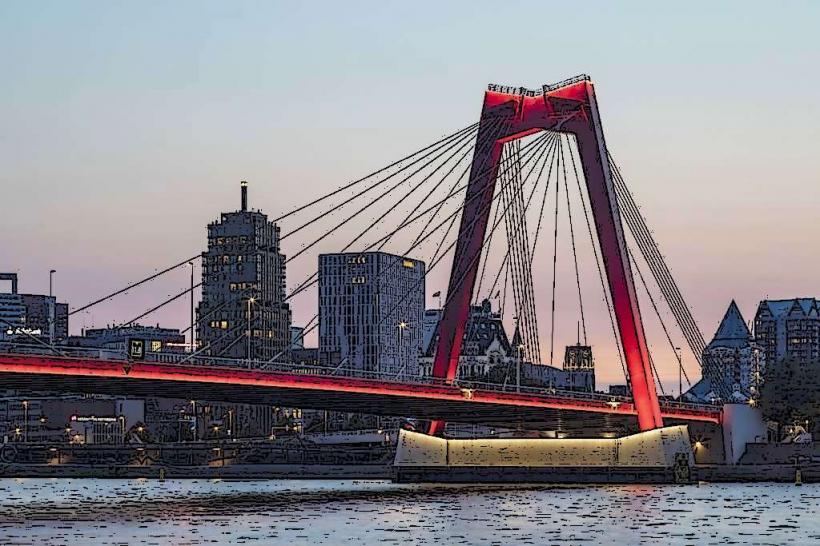
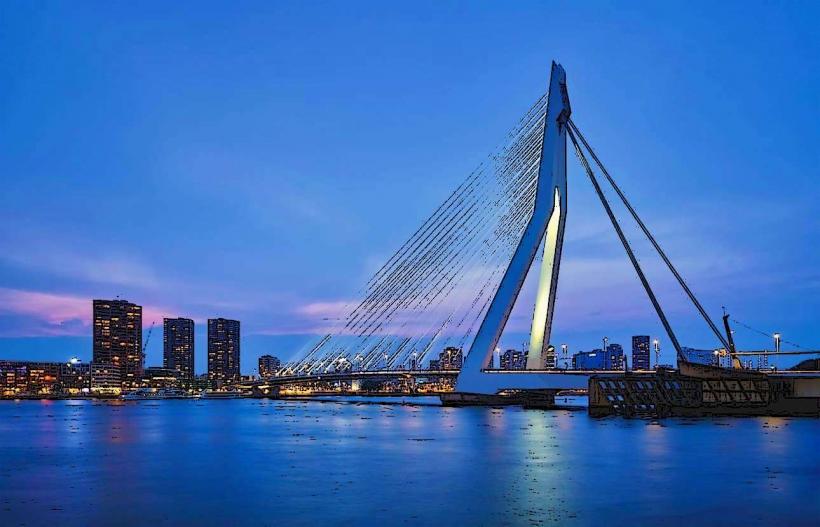
Kop van Zuid: A specialized high-rise district on the south bank, often called "Manhattan on the Maas," housing the Cruise Terminal and the Erasmus Bridge.
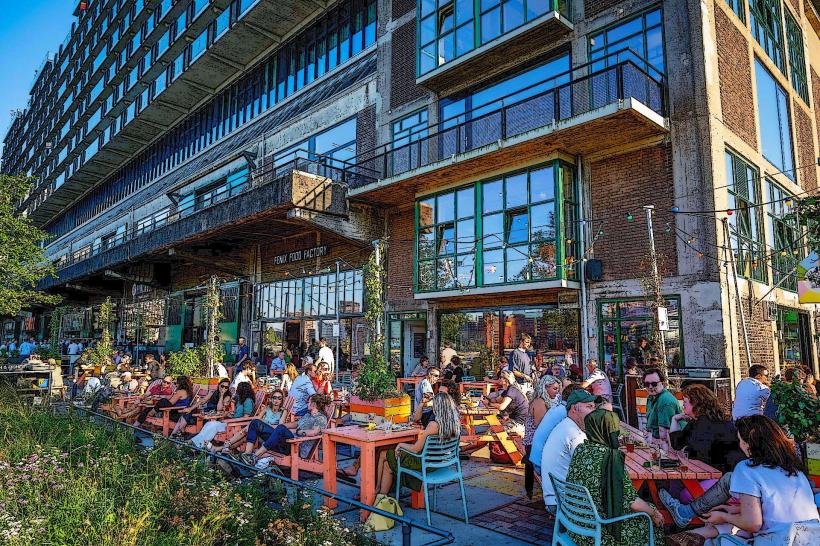
Katendrecht: A former gritty port district transformed into a hub for artisanal food and creative industries.
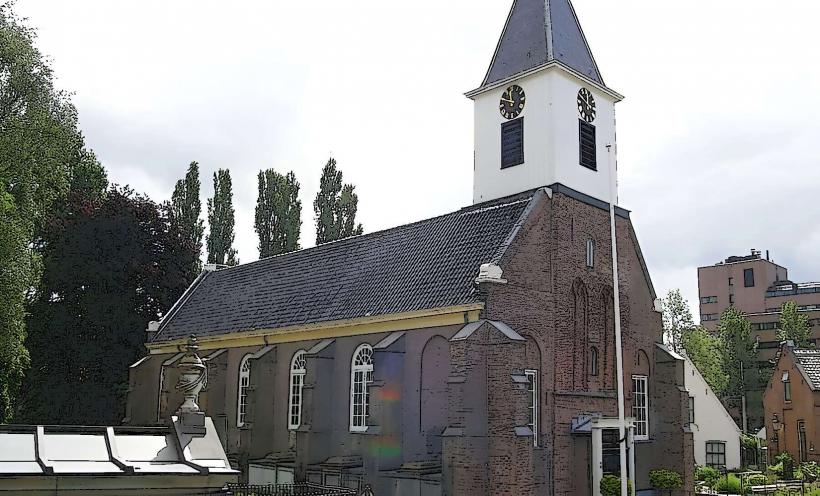
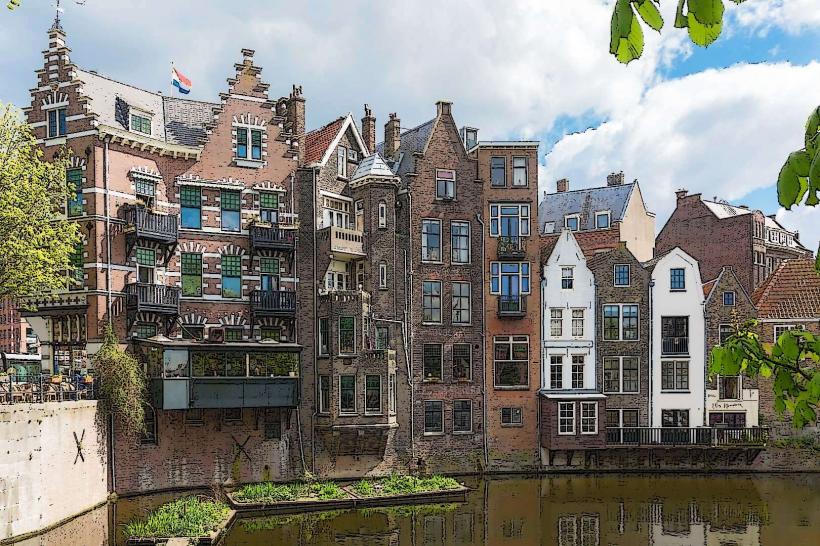
Delfshaven: A specialized historic pocket that survived the 1940 bombings, offering a glimpse of pre-war Dutch architecture.
Europoort: The massive specialized industrial and port zone extending 40 km west toward the North Sea.
Top City Landmarks
Erasmusbrug (Erasmus Bridge): An 800-meter cable-stayed bridge known as "The Swan," connecting the north and south of the city.
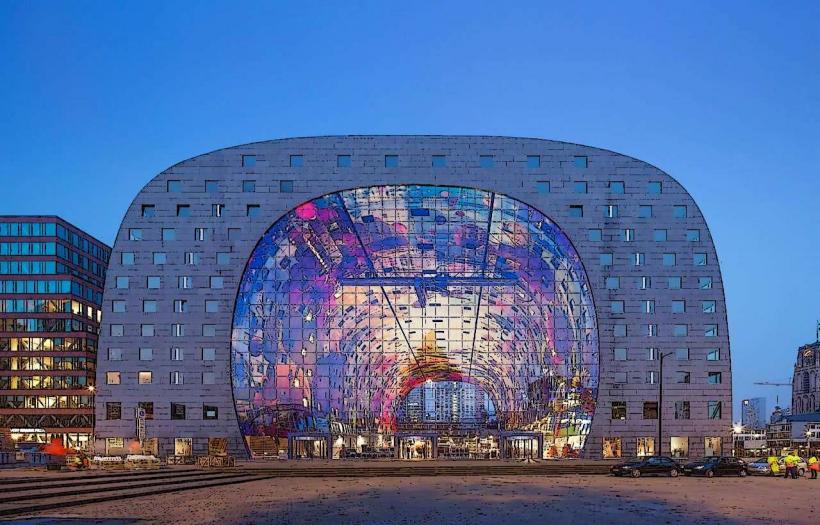
Markthal (Market Hall): A specialized horseshoe-shaped building combining residential units with a massive indoor food market under a digital mural.
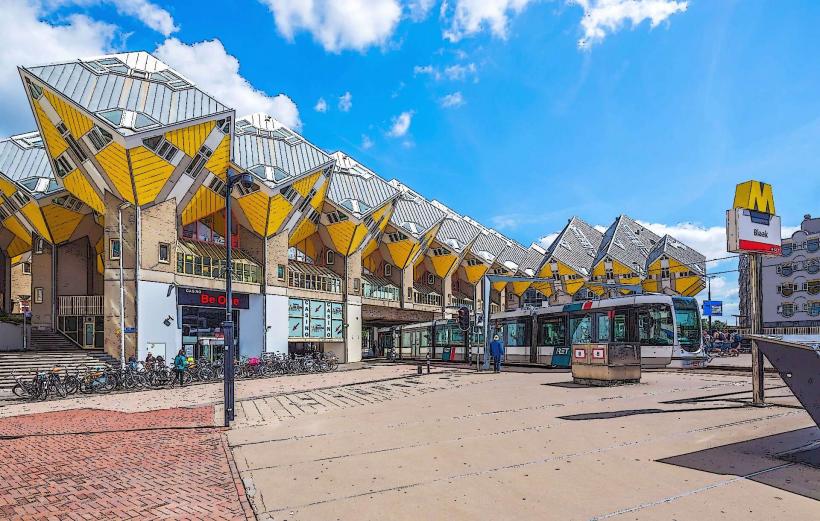
Cube Houses (Kubuswoningen): A set of innovative houses designed by Piet Blom, tilted at a 45-degree angle to maximize urban space.
Euromast: A 185-meter observation tower featuring a rotating glass elevator and panoramic views of the port.
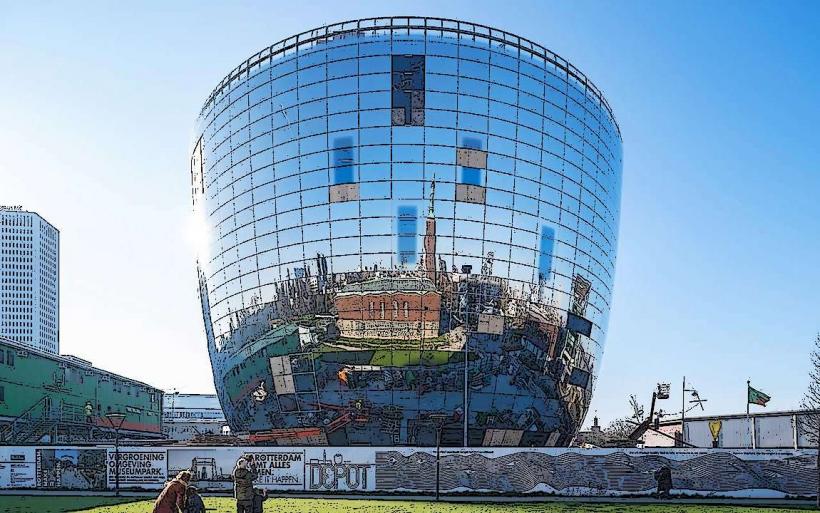
Depot Boijmans Van Beuningen: The world’s first publicly accessible art storage facility, featuring a reflective bowl-shaped exterior.
Transportation Network
Rotterdam is a central node in the European high-speed rail and maritime networks.
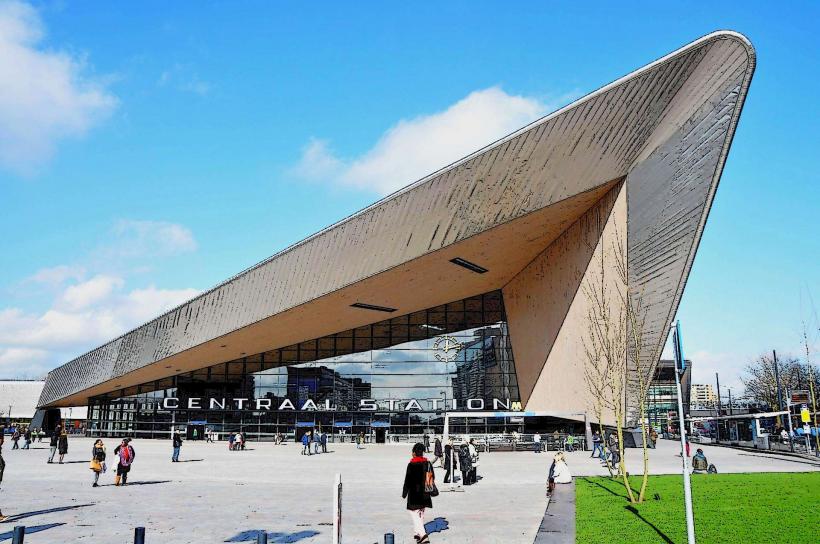
Rotterdam Centraal: A major architectural landmark and transit hub connecting to Amsterdam (35 mins), Paris (TGV), and London.
RET (Rotterdamse Elektrische Tram): An integrated metro, tram, and bus network.
Waterbus: A specialized high-speed ferry system connecting the city center to the port and the UNESCO site of Kinderdijk.
Port of Rotterdam: A specialized automated logistics network utilizing driverless guided vehicles (AGVs) for container transport.
Safety & "Red Zones"
The general safety level is high. Crime is mostly limited to petty theft and bicycle larceny. There are no "red zones," though certain peripheral areas in Rotterdam-Zuid are undergoing long-term social regeneration and require standard urban awareness at night.
Digital & Financial Infrastructure
Rotterdam is a leader in Smart City technology, utilizing "Digital Twin" modeling for urban management. Internet speeds average 100–1000 Mbps via fiber. 5G is universal. Card and mobile payments (Debit/Maestro) are the standard; many stores and parking meters are "pin only" (no cash).
Climate & Air Quality
Rotterdam has a maritime climate with significant wind influence from the North Sea. Daytime temperatures range from 6°C in January to 22°C in July. Air quality is monitored strictly due to industrial proximity, with the city implementing "Zero Emission" zones in the center by 2025–2026.
Culture & Social Norms
Rotterdam social norms emphasize a "no-nonsense" work ethic (niet lullen maar poetsen). Tipping is not mandatory but 5–10% is customary for table service. Key events include the International Film Festival Rotterdam (IFFR) and the World Port Days (September).
Accommodation Zones
Centrum: Recommended for first-time visitors and shopping access.
Kop van Zuid: Recommended for modern luxury hotels and river views.
Delfshaven: Recommended for those seeking a traditional historic atmosphere.
Local Cost Index
1 Espresso: €3.20
1 Pint of Beer: €5.50–€7.00
1 Standard Lunch: €14.00–€22.00
Nearby Day Trips
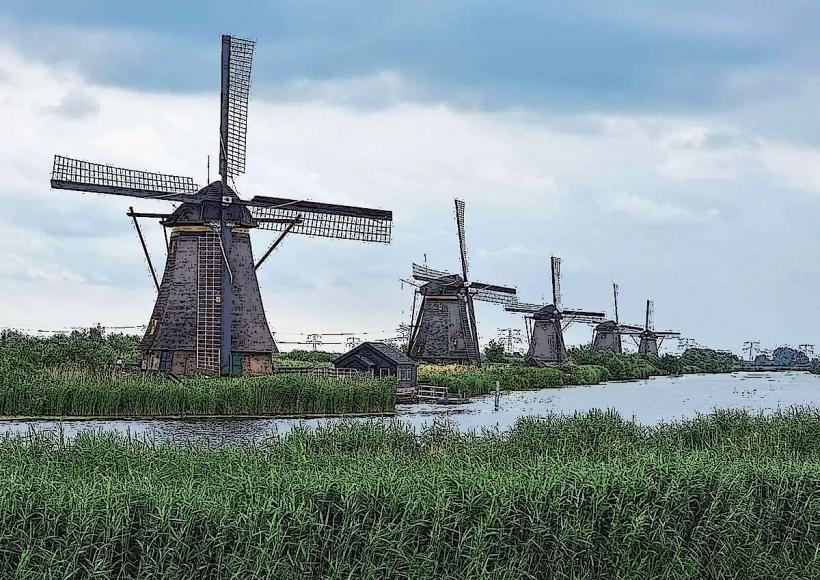
Kinderdijk: 30 mins by waterbus; a specialized UNESCO site featuring 19 historic windmills.
The Hague (Den Haag): 25 mins by train; the seat of the Dutch government.
Delft: 15 mins by train; famous for its blue pottery and historic canals.
Facts & Legends
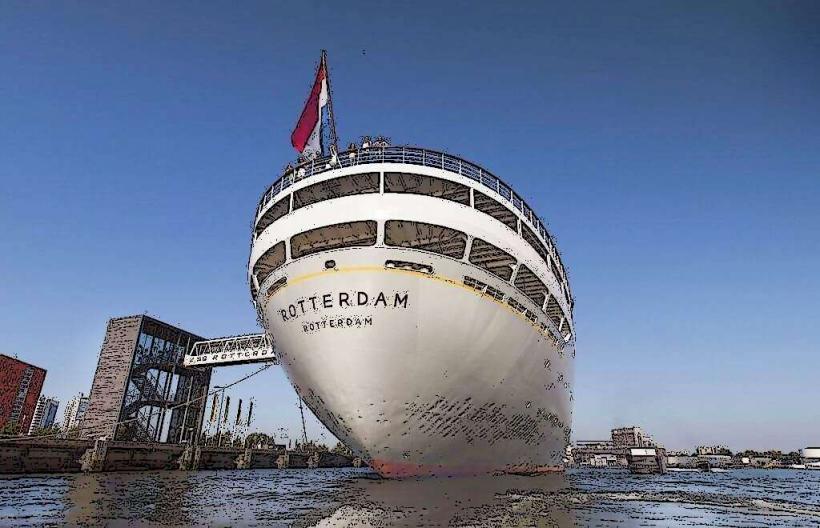
Rotterdam is the site of the Maeslantkering, one of the largest moving structures on Earth, designed to protect the city from storm surges. Legend states that the city’s name comes from a dam built by the giants of the Rotte. A verified fact is that the city is located almost entirely below sea level, with its lowest point at 6.76 meters below. Historically, Rotterdam was the departure point for millions of Europeans emigrating to America via the Holland-America Line.