Information
City: AmsterdamCountry: Netherlands
Continent: Europe
Amsterdam, Netherlands, Europe
Amsterdam functions as the constitutional capital of the Netherlands and a primary global hub for logistics, digital infrastructure, and creative industries. Defined by its 17th-century canal network, it serves as a major center for international finance, semiconductor research, and liberal social policy.
Historical Timeline
Amsterdam originated as a small fishing village behind a dam on the Amstel River. The primary era of governance was the Dutch Golden Age (17th century), when the city became the world's leading center for trade and the site of the first modern stock exchange. The primary event shaping its modern structure was the 19th-century Industrial Revolution and the expansion of the North Sea Canal, which re-established its status as a premier deep-water port.
Demographics & Population
The city population is approximately 921,000, with over 2.4 million in the metropolitan area. The demographic is highly diverse, with over 180 nationalities represented. Dutch is the official language, though English proficiency is near-universal (approx. 90%). The median age is 37.8 years.
Urban Layout & Key Districts
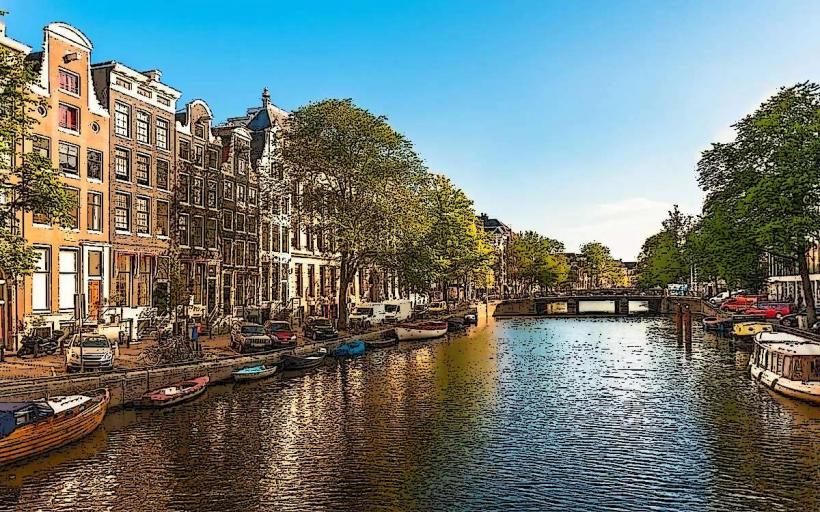
The city is structured around the Grachtengordel (Canal Belt), a UNESCO World Heritage site consisting of concentric semicircular canals.
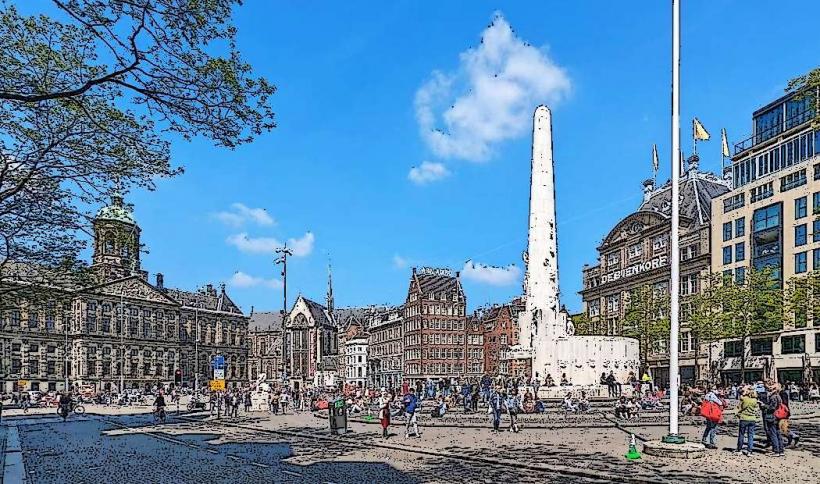
Centrum: The medieval core containing the Royal Palace and the primary retail districts.
Jordaan: A specialized former working-class district turned upscale residential area, known for narrow streets and independent galleries.
Oud-Zuid: A specialized high-end district housing the Museumplein and the Vondelpark.
De Pijp: A multicultural hub known for the Albert Cuyp Market and specialized brunch culture.
Noord: A former industrial sector transformed into a center for media, film, and creative startups, accessible via free ferries.
Top City Landmarks
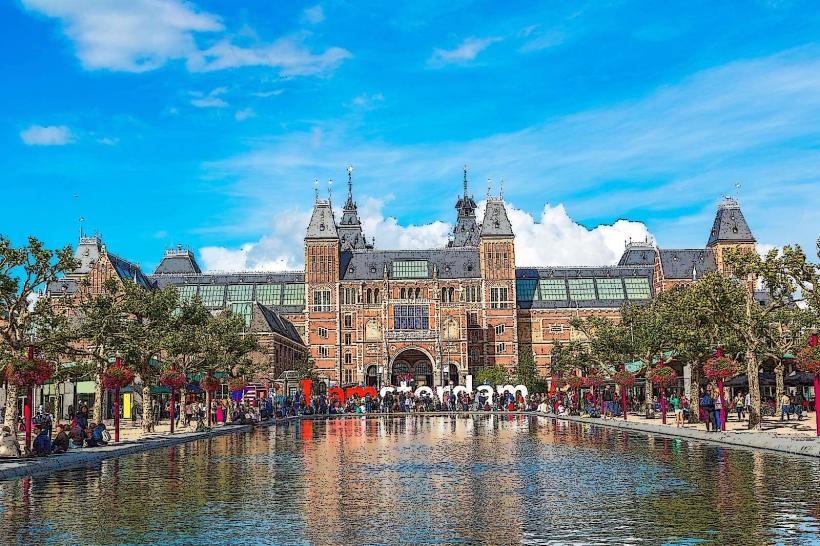
Rijksmuseum: The national museum of the Netherlands, housing masterpieces by Rembrandt and Vermeer.
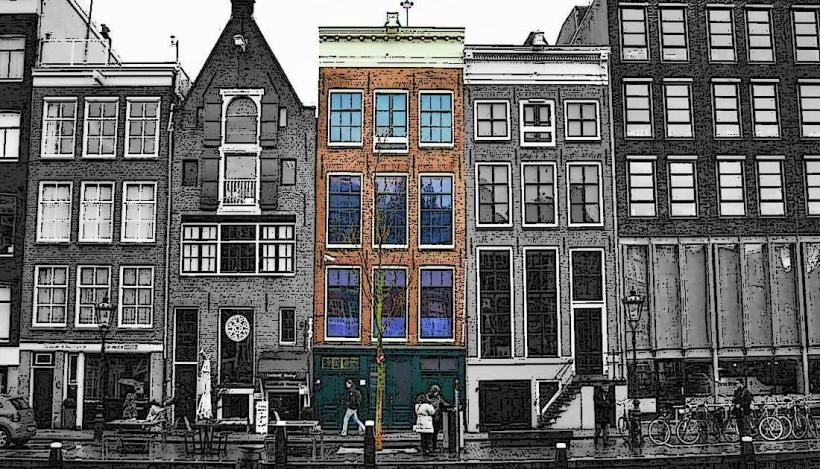
Anne Frank House: The specialized biographical museum dedicated to Jewish wartime diarist Anne Frank.
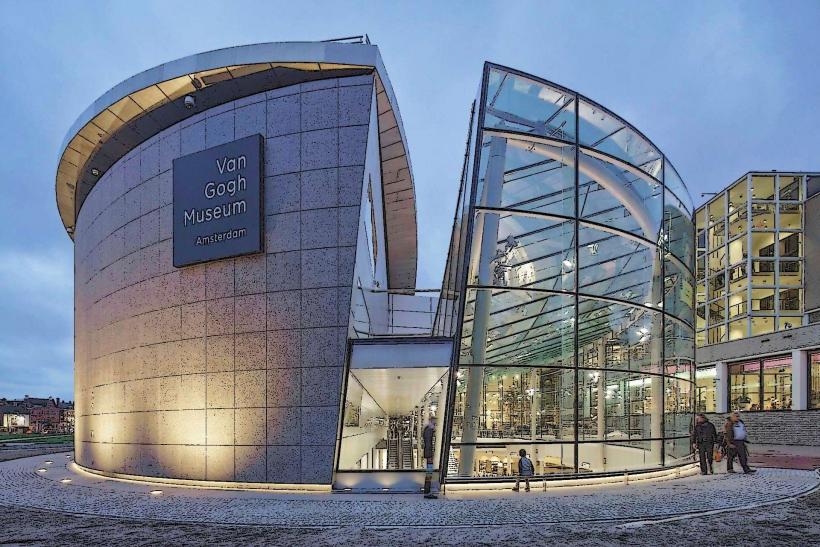
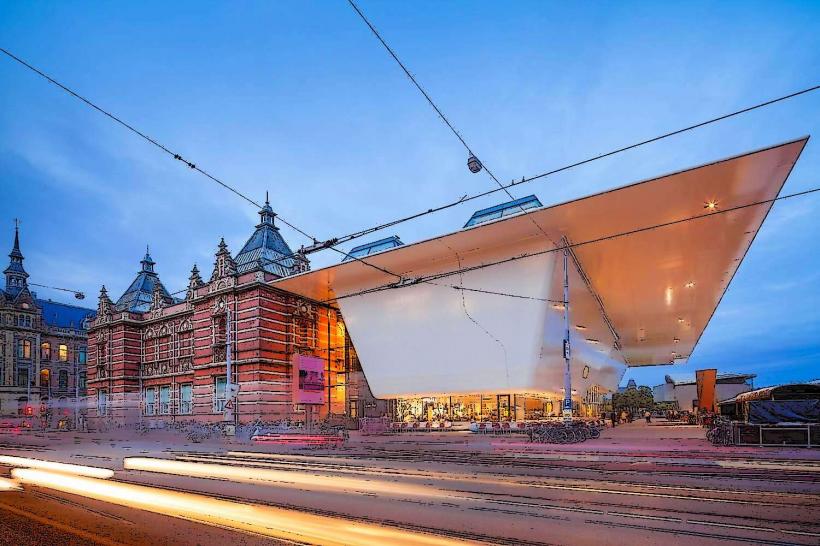
Van Gogh Museum: A specialized institution housing the world's largest collection of artworks by Vincent van Gogh.
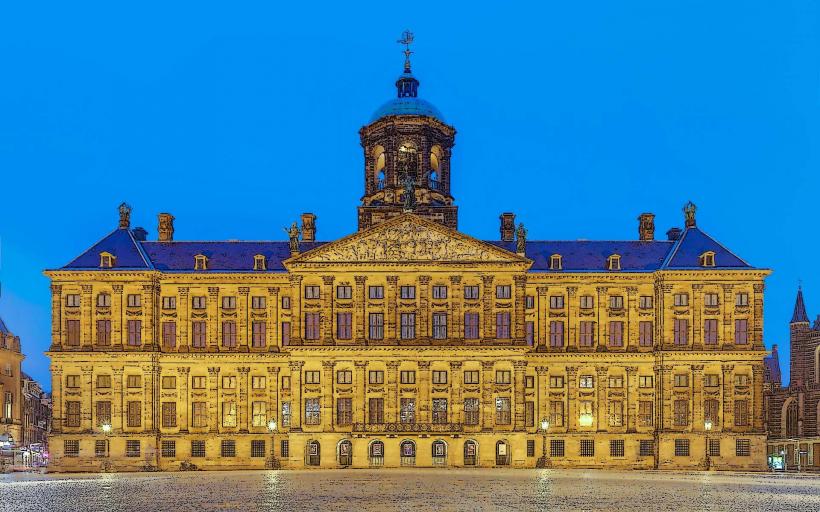
The Royal Palace (Paleis op de Dam): One of three palaces at the disposal of the monarch, built as a city hall during the Golden Age.
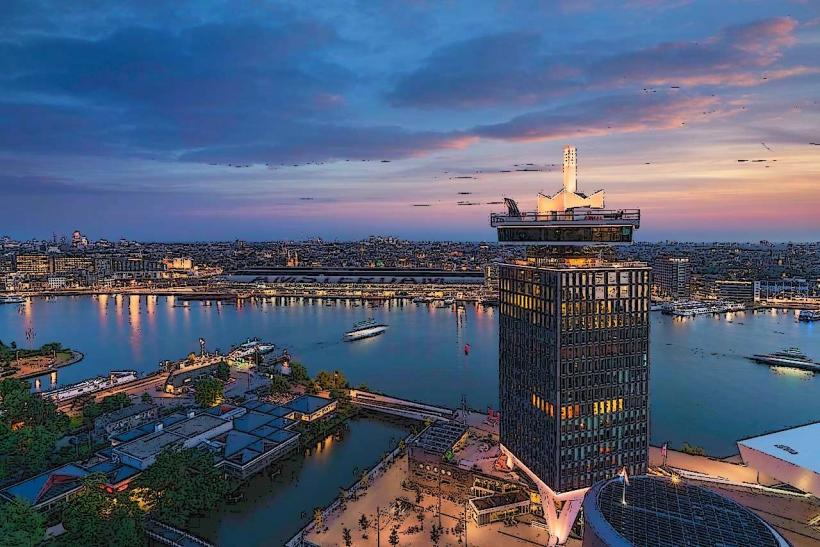
A'DAM Lookout: An observation deck in Amsterdam Noord featuring the "Over the Edge" swing.
Transportation Network
Movement is dominated by cycling and an integrated public transit system (GVB).
Amsterdam Centraal: The primary rail hub connecting to Schiphol Airport (15 mins), Paris, London, and Berlin.
Cycling Infrastructure: A specialized network of over 500 km of dedicated bike lanes; bicycles outnumber residents.
Tram & Metro: The primary modes of intra-city transit; the North-South metro line (M52) connects the city's poles.
Schiphol Airport (AMS): One of Europe's busiest aviation hubs, located 9 km southwest.
Safety & "Red Zones"
The general safety level is high. Crime is largely limited to bicycle theft and pickpocketing in tourist-dense areas. De Wallen (Red Light District) is heavily regulated; while safe, specialized rules apply, including a strict ban on photographing workers and public consumption of alcohol in designated zones.
Digital & Financial Infrastructure
Amsterdam is home to the AMS-IX, one of the world's largest internet exchange points. Internet speeds average 100–1000 Mbps via fiber. 5G coverage is universal. Card and mobile payments (Debit/Maestro/V-Pay) are the standard; many retailers do not accept cash.
Climate & Air Quality
Amsterdam has an oceanic climate influenced by the North Sea. It is characterized by high wind speeds and frequent, brief rain showers. Daytime temperatures range from 6°C in January to 22°C in July. Air quality is generally high, though localized nitrogen levels are monitored.
Culture & Social Norms
Local social norms prioritize directness and the concept of Gezelligheid (cozy social atmosphere). Tipping is not mandatory but 5–10% is customary for good service. The primary national event is King's Day (April 27), characterized by city-wide flea markets and orange-themed celebrations.
Accommodation Zones
Grachtengordel/Jordaan: Recommended for historic atmosphere and luxury boutique stays.
De Pijp: Recommended for a local feel and access to diverse dining.
Zuidas: Recommended for business travelers due to proximity to the financial district and Schiphol.
Local Cost Index
1 Espresso: €3.50
1 Pint of Beer: €6.00–€7.50
1 Standard Lunch: €15.00–€25.00
Nearby Day Trips
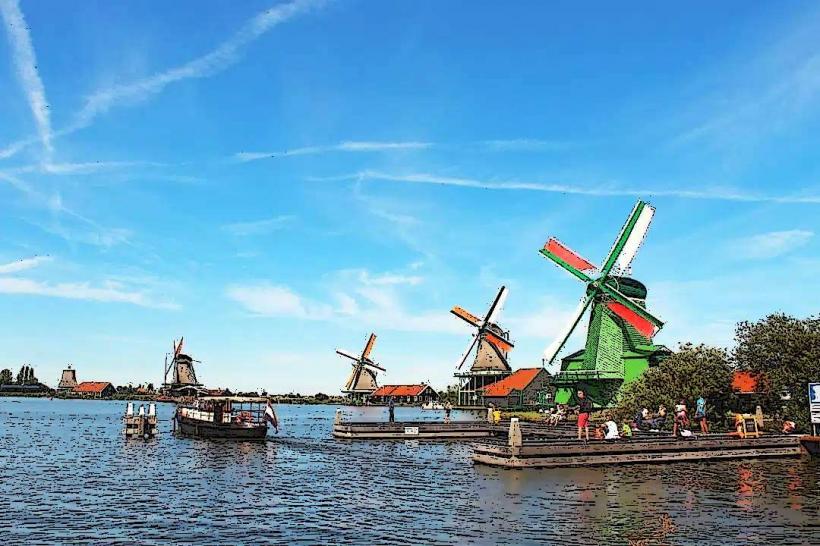
Zaanse Schans: 20 mins north; a specialized heritage park featuring historic windmills.
Haarlem: 15 mins west; a historic city known for its "hofjes" (almshouses).
Keukenhof: The world's largest flower garden (open March–May), 40 mins south.
Facts & Legends
Amsterdam is the site where the Dutch East India Company (VOC) was founded, often cited as the first multinational corporation. Legend states the city was founded by two fishermen and a dog who survived a storm on the Zuiderzee. A verified fact is that the city is built on over 11 million wooden piles driven into the sandy soil. Historically, Amsterdam has more canals than Venice and more bridges than Paris.