Information
City: HalifaxCountry: Canada
Continent: North America
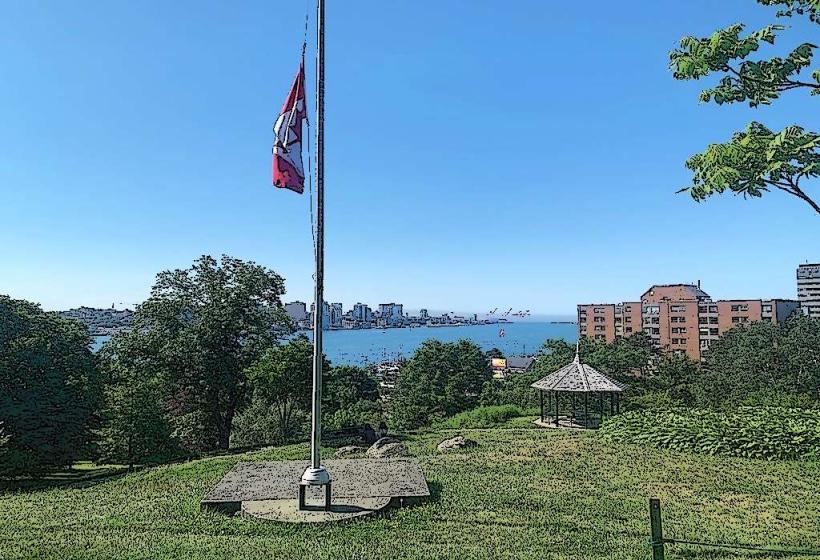
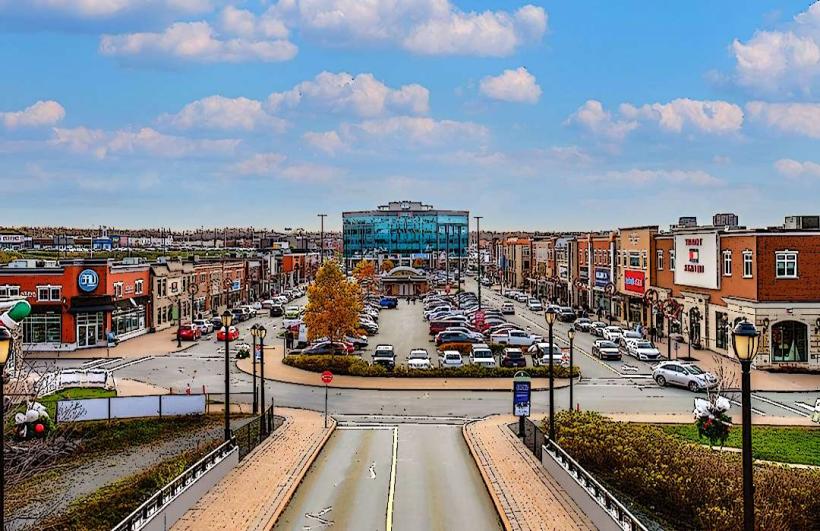
Halifax, Canada, North America
Halifax is the capital of Nova Scotia and the economic hub of Atlantic Canada. Built around one of the world's deepest ice-free natural harbors, it is a strategic naval port and a burgeoning center for ocean technology and healthcare. In 2026, the city is defined by rapid population growth and the implementation of a new five-year strategic plan focused on sustainable energy and housing.
Historical Timeline
Founded by the British in 1749 as a military counterweight to the French fortress of Louisbourg, Halifax is situated on the traditional territory of the Mi'kmaq, known as K'jipuktuk ("Great Harbour").
1917: The Halifax Explosion, the largest man-made explosion prior to atomic weapons, devastated the North End.
1928–1971: Pier 21 served as the gateway for over one million immigrants to Canada.
2026: In January 2026, the city is executing its "Supporting Growth" plan to address a population that has surged past 500,000, with major healthcare expansions like the Halifax Infirmary underway.
Demographics & Population
The Halifax Regional Municipality (HRM) population is approximately 502,000 as of 2026.
Growth Trend: Halifax is currently one of the fastest-growing regions in Canada, with a 2.8% average growth rate since 2020.
Diversity: It receives 80% of all immigrants to Nova Scotia. The city is home to a significant and historic African Nova Scotian community, with dedicated community action plans active in 2026 for districts like Beechville and Upper Hammonds Plains.
Urban Layout & Key Districts
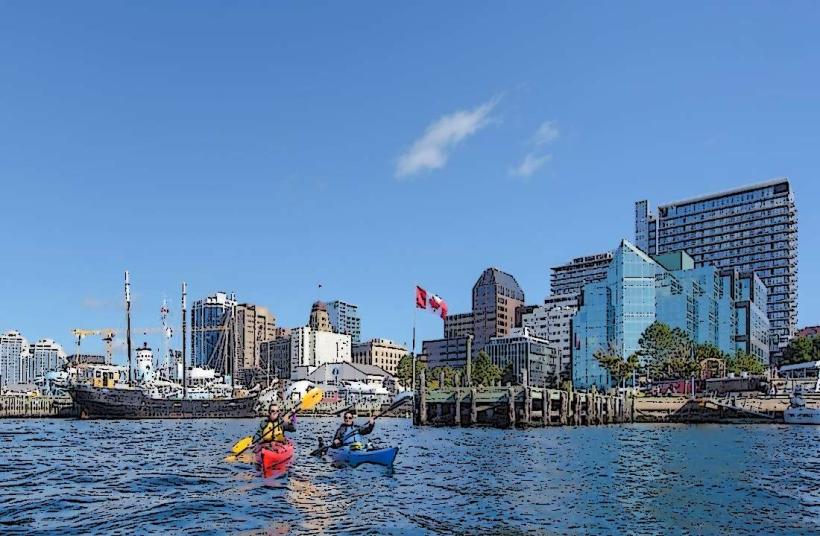
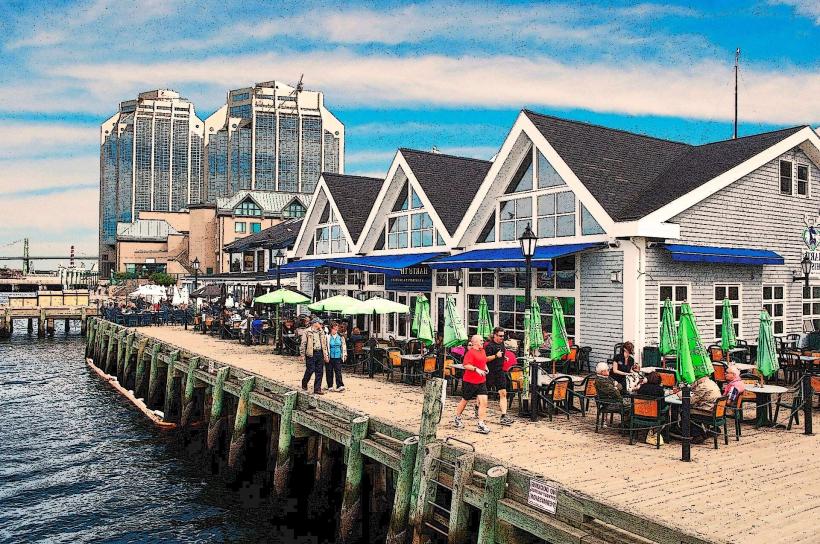
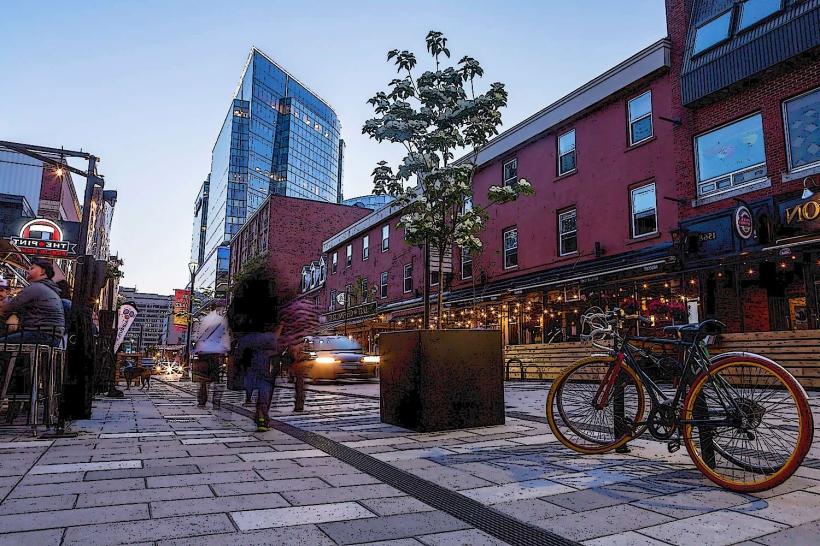
Downtown Halifax: The high-density commercial core featuring the Waterfront Boardwalk, one of the world's longest urban maritime footpaths.
The North End: A trendy, revitalized area known for its independent breweries, the historic Hydrostone Market, and a vibrant arts scene.
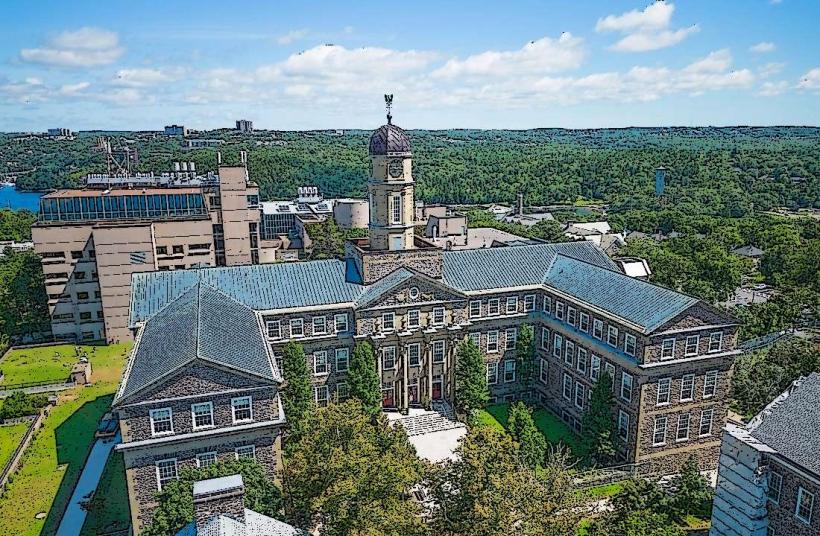
The South End: Home to major universities (Dalhousie, Saint Mary’s) and affluent Victorian-era residential streets.
Downtown Dartmouth: Accessible via a $12$-minute ferry; a more relaxed "City of Lakes" with a growing culinary and boutique scene.
Bedford: A fast-growing, affluent suburb popular with families and professionals.
Top City Landmarks
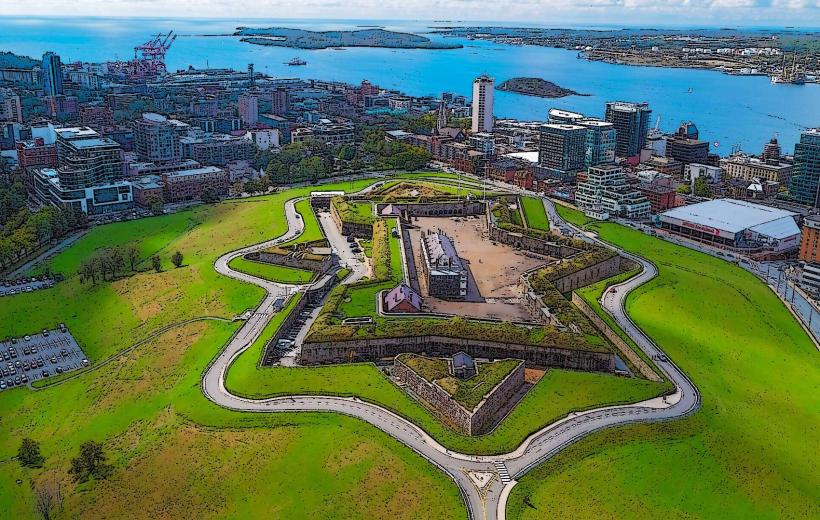
Halifax Citadel National Historic Site: A star-shaped fort overlooking the city; the "Noon Gun" is still fired daily at 12:00 PM.
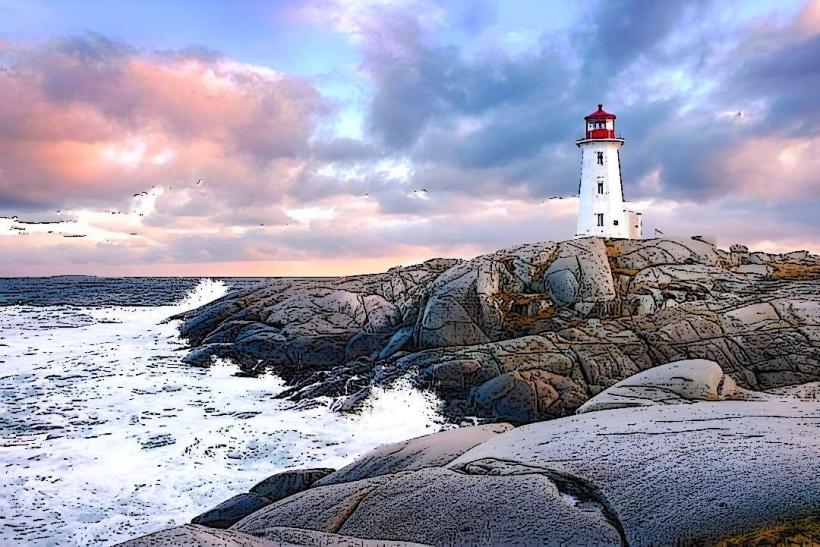
Peggy’s Cove: Located 45 minutes south; iconic lighthouse perched on massive granite rocks (essential safety note: stay off the "black rocks").
Canadian Museum of Immigration at Pier 21: Canada's equivalent to Ellis Island.
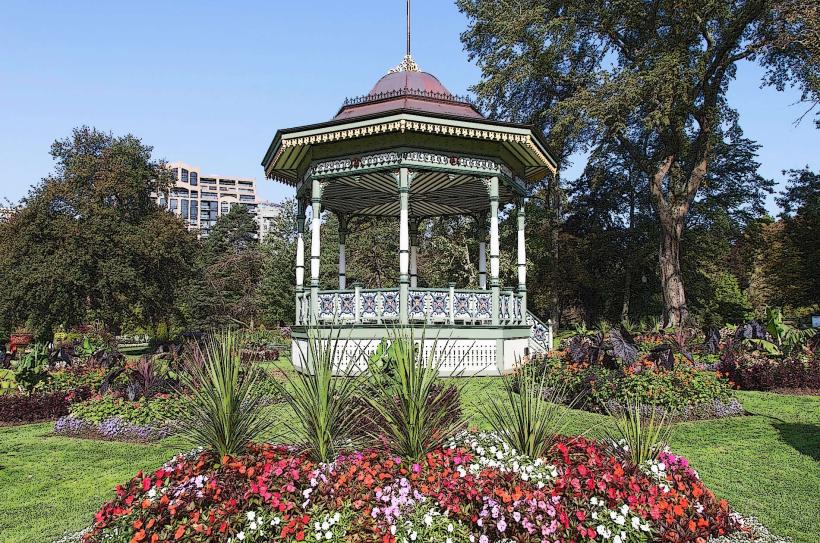
Public Gardens: A rare, intact example of a Victorian formal garden in the heart of the city.
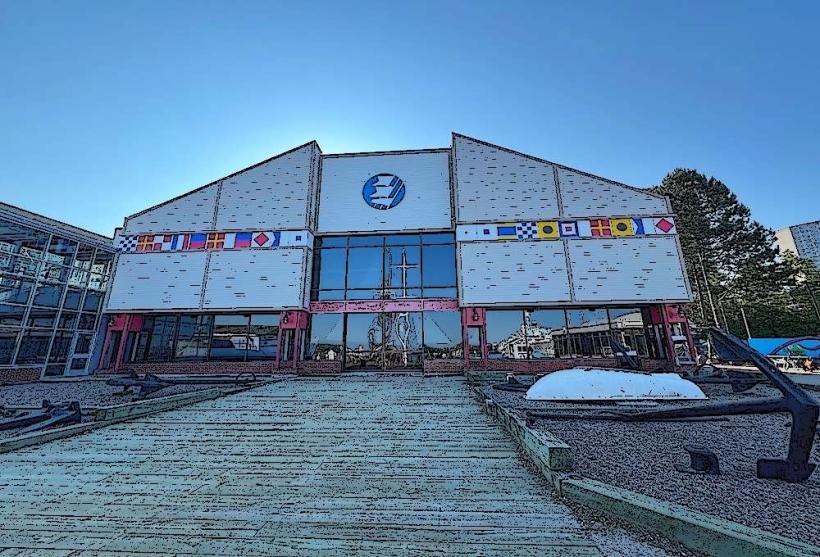
Maritime Museum of the Atlantic: Features a significant collection of artifacts from the Titanic (Halifax was the primary recovery base).
CECU (Halifax Central Library): An award-winning architectural landmark on Spring Garden Road.
Transportation & Infrastructure
Halifax Transit: In 2026, adult single fares are $3.00 CAD and monthly passes are $90.00.
The Ferry: A signature part of the transit system, connecting Halifax and Dartmouth. It remains one of the most cost-effective "tours" of the harbor.
Aviation: Halifax Stanfield (YHZ) is the Atlantic hub. In 2026, the Highway 102 Aerotech Connector is a major multi-year infrastructure project currently in progress.
Infrastructure: The city is currently investing $750 million into the Halifax Infirmary Expansion and modernizing the harbor bridges (Macdonald and MacKay).
Safety & Health
Halifax is generally considered very safe, with a Safety Index of 79/100.
Safety Note: Avoid Uniacke Square and specific parts of Gottingen Street late at night.
Winter Hazards: Due to its coastal location, Halifax experiences frequent "freeze-thaw" cycles. Black ice on the city's steep hills (e.g., Duke St) is a major hazard for pedestrians and drivers in January.
Health: In early 2026, the city is establishing a new North End health center and implementing "One Person One Record" electronic health tracking.
Digital & Financial Infrastructure
Economy: Driven by the Royal Canadian Navy, Irving Shipbuilding, and a growing video game/tech sector (though Ubisoft closed its local studio in early 2026).
Connectivity: 5G is universal. The city is a hub for subsea fiber optic cables connecting North America to Europe.
Payments: Highly digitized. Mobile and "tap" payments are the default across all sectors.
Climate & Environment
Climate: Humid continental/Oceanic. Winters are milder than inland Canada but very wet and windy.
Current Status (Jan 22, 2026): Winter conditions. Daytime highs average $1^{\circ}\text{C}$ to $-4^{\circ}\text{C}$, often accompanied by freezing rain or heavy "wet" snow.
Ocean Playground: In 2026, the city is expanding EV charging infrastructure as part of its carbon reduction goals.
Local Cost Index (2026 Estimates)
1 Espresso: $4.50–$6.00 CAD
1 Monthly 1-Bedroom Rent (Downtown): $2,100–$2,400 CAD
1 Mid-range Dinner for Two: $90–$140 CAD
1 Halifax Donair (Official city food): $12.00–$16.00 CAD
Facts & Legends
A verified historical oddity is that the Halifax Donair-spiced beef with a sweet condensed milk sauce-is the city's official food and can be found nowhere else in its authentic form. A prominent local legend involves the "Face in the Window" at St. Paul’s Church; it is said that the silhouette of a deacon was permanently etched into the glass by the heat of the 1917 explosion and remains visible today despite attempts to clean it.