Information
City: HaridwarCountry: India
Continent: Asia
Haridwar, India, Asia
Haridwar is an incorporated city and the seat of Haridwar district in Uttarakhand. Situated where the Ganges River leaves the Shivalik Hills and enters the Indo-Gangetic Plain, it is defined as one of the Sapta Puri (seven holiest cities) in Hinduism and a primary site for the Kumbh Mela. In 2026, it serves as a critical transport and industrial node for northern India.
Historical Timeline
Inhabited since the prehistoric era; mentioned in ancient texts as Mayapuri and Gangadwara. A critical historical event occurred in the 16th century when the Mughal Emperor Akbar, a proponent of the river's purity, insisted on drinking only Ganges water from Haridwar. The city became a major rail hub under the British Raj in 1886. In 2021, Haridwar hosted the Kumbh Mela under extreme pandemic restrictions. In 2026, the city is a centerpiece of the Integrated Manufacturing Cluster (IMC), balancing heavy industry at SIDCUL with mass religious tourism.
Demographics & Population
The 2026 population is approximately 365,000. The demographics are predominantly Hindu (83%) and Muslim (15.7%). The economy is driven by Religious Tourism, Ayurvedic Manufacturing (headquarters of Patanjali Ayurved), and Heavy Engineering (Bharat Heavy Electricals Limited - BHEL).
Urban Layout & Key Districts
Haridwar is a linear city stretched along the western bank of the Ganges.
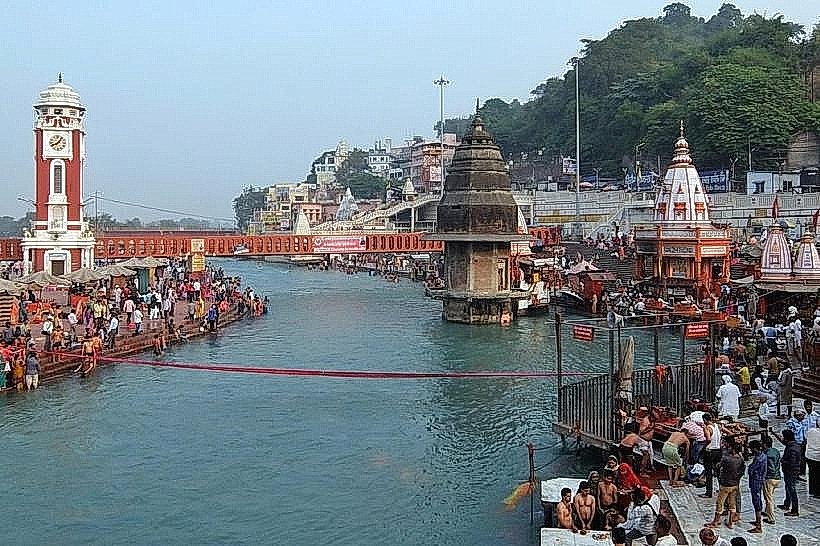
Har Ki Pauri: The spiritual epicenter; a pedestrianized riverfront area containing the most sacred ghats and temples.
Moti Bazar & Jwalaapur: The historic commercial core featuring narrow lanes, traditional spice markets, and brassware shops.
SIDCUL (State Industrial Development Corporation of Uttarakhand Ltd): A modern industrial township on the outskirts housing over 600 factories.
BHEL Township: A planned, green residential and industrial district south of the main city.
Top City Landmarks
Har Ki Pauri: The "Footstep of God"; the site of the nightly Ganga Aarti and the spot where the Amrit (nectar) is believed to have fallen.
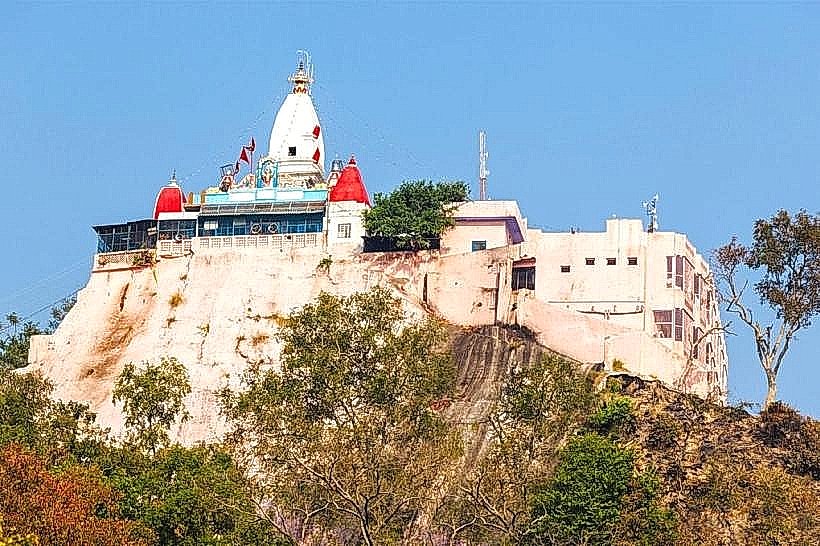
Mansa Devi Temple: Situated atop the Bilwa Parvat; accessible by a cable car (Udan Khatola) offering views of the Ganges.
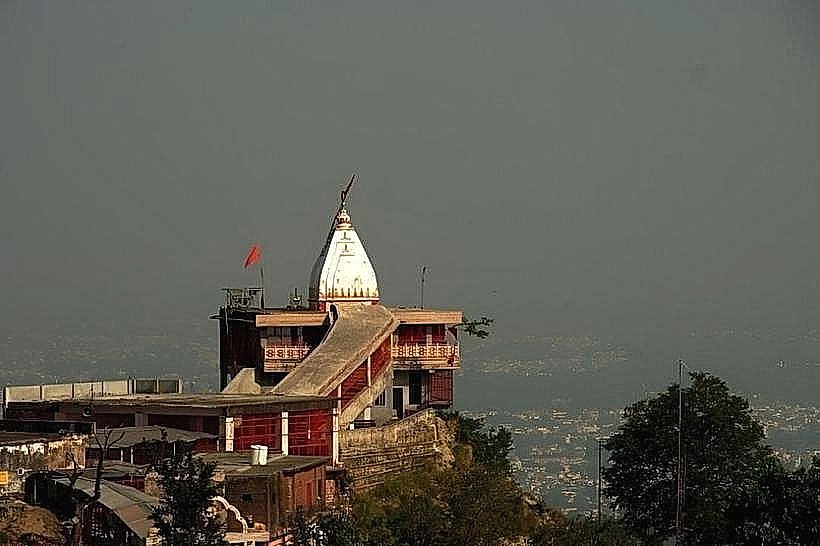
Chandi Devi Temple: Located on the Neel Parvat on the eastern bank, built by the King of Kashmir in 1929.
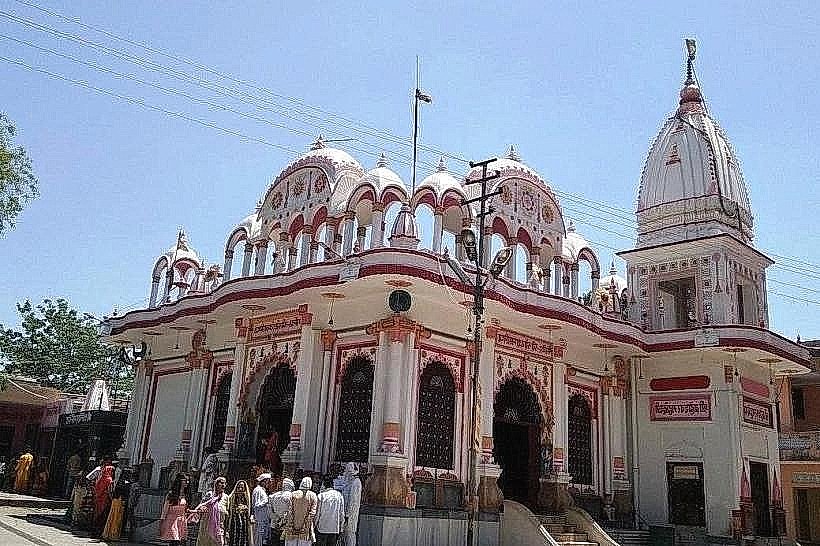
Daksheswara Mahadev Temple: (Located in Kankhal); an ancient temple dedicated to Lord Shiva, cited in the Puranas as the site of Daksha's sacrifice.
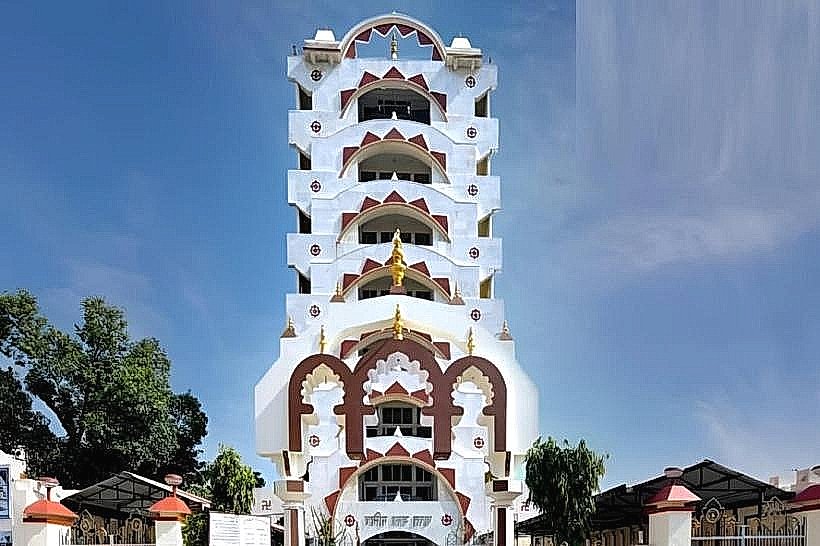
Patanjali Yogpeeth: One of the world’s largest Yoga and Ayurveda institutes, located on the Delhi-Haridwar Highway.
Maya Devi Temple: The 11th-century temple of the city's patron goddess, a Shakti Peeth.
Transportation Network
Movement is facilitated by auto-rickshaws and a developing e-bus network. Haridwar Junction (HW) is a major rail head on the Northern Railway. Jolly Grant Airport (DED) (35 km north) is the nearest air hub. In 2026, the Delhi-Dehradun Expressway has reduced travel time from the capital to under 3 hours. Local transit within the temple zone is restricted to foot traffic and cycle-rickshaws.
Safety & "Red Zones"
General safety is high. Standard awareness is advised against pickpockets in the Har Ki Pauri crowds. Environmental hazards include monsoon flooding and monkeys that are notoriously aggressive towards tourists carrying food. "Red Zones" include the Ganges river currents near the main ghats; iron chains are provided for safety during ritual bathing.
Digital & Financial Infrastructure
5G connectivity is robust across the city. UPI payments are universal. As a holy city, the sale of meat and alcohol is strictly prohibited within city limits. Uttarakhand state GST applies to all commercial services.
Climate & Air Quality
Temperatures range from 6°C to 22°C in winter and 26°C to 41°C in summer. Air quality is generally "Moderate," though dust from the industrial zones and highway construction can occasionally lower visibility.
Culture & Social Norms
The standard tipping percentage is 10%. A "Devotional-Humble" greeting is standard. Dress codes are "Conservative"; modest attire (covering shoulders and legs) is mandatory for temple visits and ghat rituals. The city is culturally defined by Vegetarianism, Asceticism, and Ritual Purity.
Local Cost Index
1 Espresso: ₹130 ($1.60 USD)
1 Standard Meal (Thali): ₹200 ($2.40 USD)
1 Cable Car Round Trip: ₹130–₹160.
Nearby Day Trips
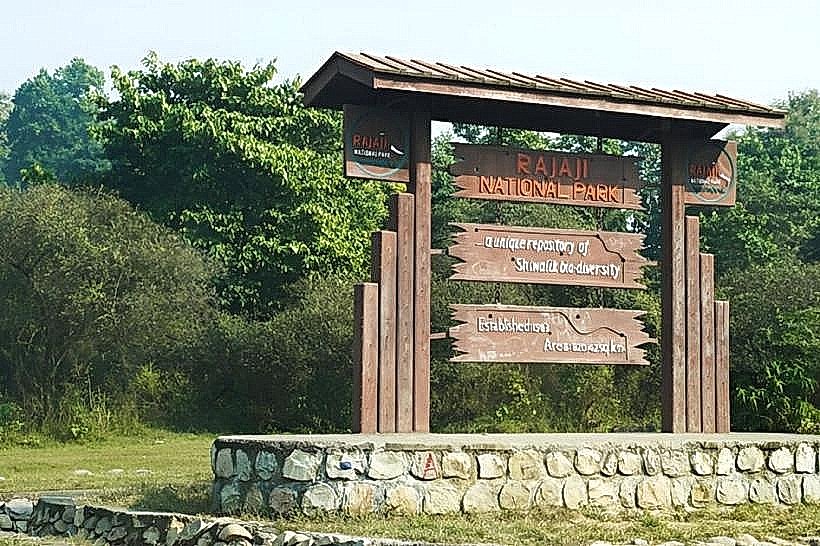
Rajaji National Park: (10 km east; famous for its wild elephant population).
Rishikesh: (25 km north; for white-water rafting and yoga retreats).
Dehradun: (52 km north; the capital of Uttarakhand).
Facts & Legends
Haridwar is the point where the Ganges leaves the mountains to fertilize the plains of India. Historically, it is one of the four places where the Kumbh Mela is held every 12 years. A local legend claims that the footprint of Lord Vishnu is imprinted on a stone wall at Har Ki Pauri. Another legend tells of the King Bhagiratha, who performed penance here to bring the Ganges down from heaven to provide salvation for his ancestors.