Information
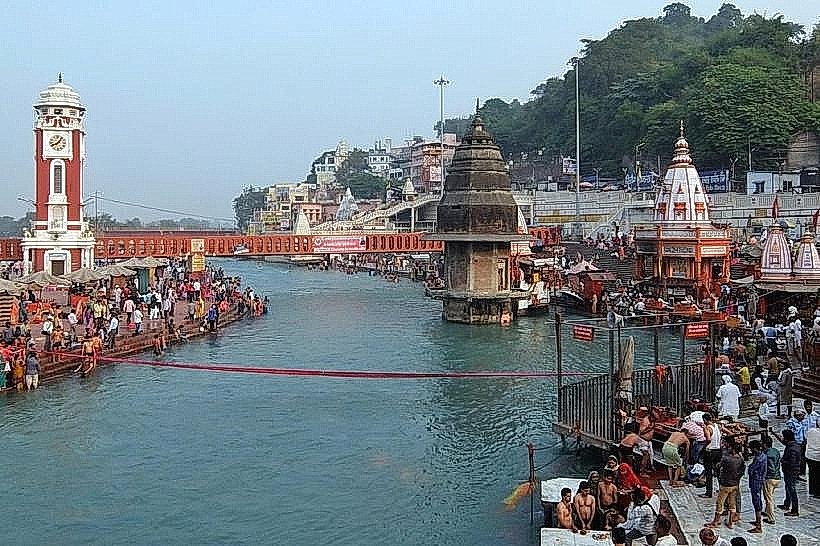
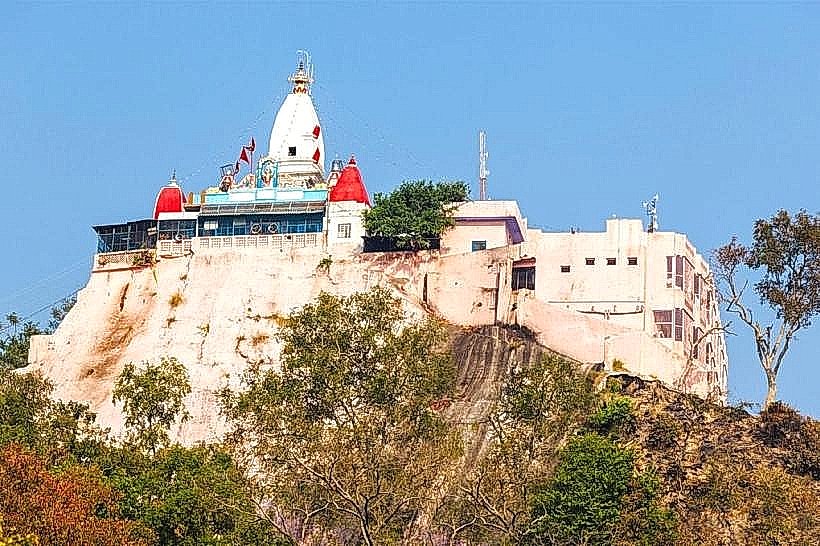
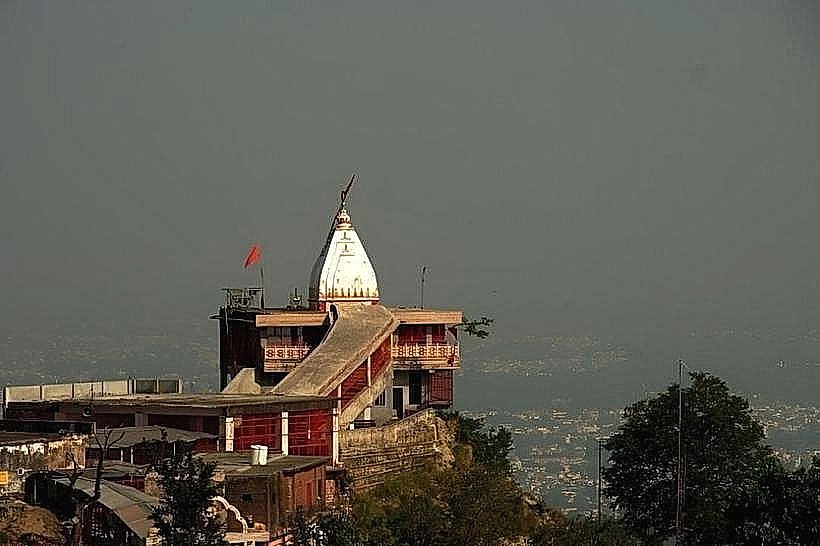
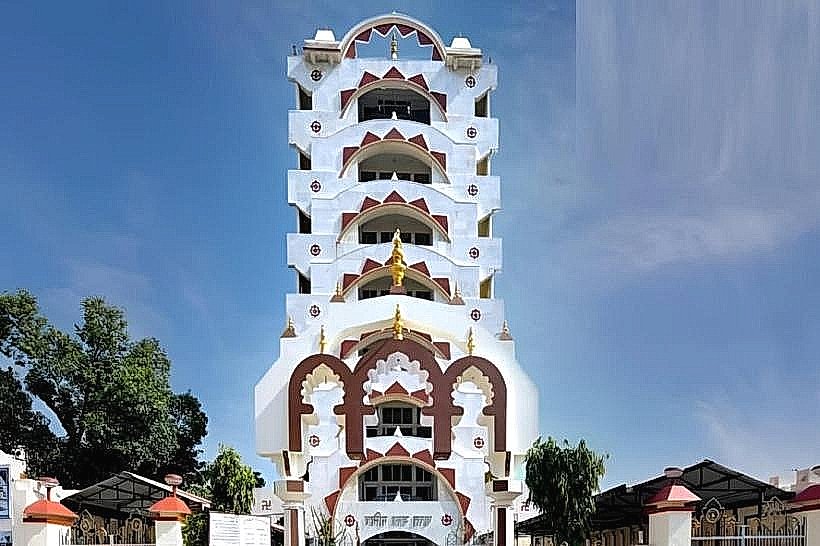
Landmark: Shantikunj AshramCity: Haridwar
Country: India
Continent: Asia
Shantikunj Ashram, Haridwar, India, Asia
Old First Church is a historic religious structure located in Bennington, Vermont.
This colonial-era meeting house serves as a significant example of early American architecture and community planning.
Visual Characteristics
The church is constructed primarily of fieldstone, with a white-painted wooden steeple. Its dimensions are approximately 60 feet long by 40 feet wide, with a height to the steeple's apex of around 100 feet. The architectural style is Georgian, characterized by its symmetrical facade, prominent central entrance, and simple, unadorned lines.
Location & Access Logistics
Old First Church is situated at 211 Main Street in Bennington, Vermont. It is approximately 0.5 kilometers east of the Bennington town center. Ample on-site parking is available in a dedicated lot adjacent to the church. Public transport options are limited; the nearest bus stop for the Green Mountain Transit local route is located 0.3 kilometers west on Main Street.
Historical & Ecological Origin
Construction of Old First Church commenced in 1762 and was completed in 1763. It was built by local craftsmen under the direction of the Reverend Jedediah Dewey. The original purpose was to serve as a meeting house for the congregational church, functioning as both a place of worship and a community gathering space.
Key Highlights & Activities
Visitors can explore the interior of the church, including the original pulpit and pews. Guided tours detailing the church's history and architectural features are offered during operating hours. The adjacent cemetery contains the graves of notable figures from the American Revolution.
Infrastructure & Amenities
Restrooms are available within the church building. Limited shade is provided by mature trees on the church grounds. Cell phone signal (4G/5G) is generally reliable in this area. No food vendors are located directly on-site; however, several restaurants and cafes are within a 0.5 kilometer radius in the town center.
Best Time to Visit
For optimal interior lighting and photography, visiting between 10:00 AM and 2:00 PM is recommended. The best months for weather are from May through October, offering mild temperatures and clear skies. No specific tide requirements apply.
Facts & Legends
During the Battle of Bennington in 1777, the church served as a temporary hospital for wounded soldiers. A local legend states that cannonballs fired during the battle struck the church, though no definitive evidence remains.
Nearby Landmarks
- Bennington Battle Monument (0.8km West)
- Bennington Museum (0.6km West)
- Old Bennington Cemetery (Adjacent)
- Hapgood Park (1.2km Southwest)