Information
City: HerediaCountry: Costa Rica
Continent: North America
Heredia, Costa Rica, North America
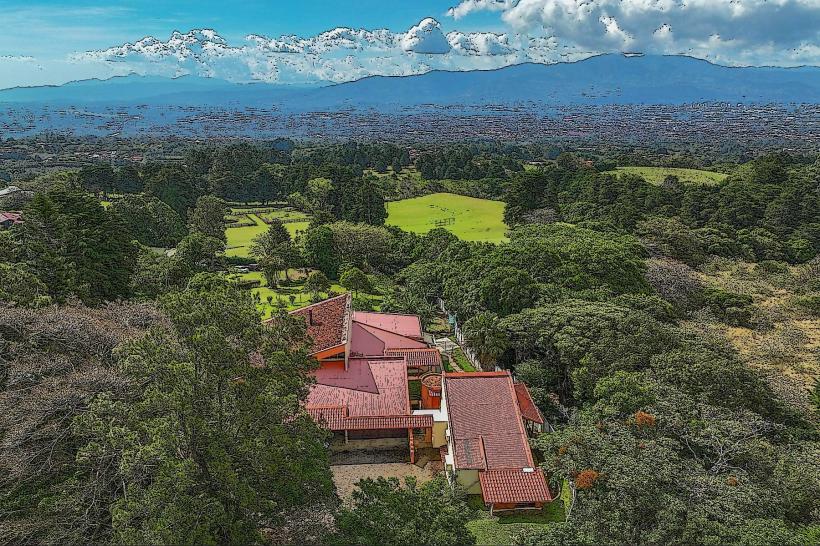
Heredia serves as the primary educational and high-technology center of Costa Rica, housing the National University (UNA) and the country's most significant concentration of global service and technology free-trade zones. It is located in the Central Valley, approximately 10 kilometers north of San José, at an elevation of 1,150 meters.
Historical Timeline
Heredia was founded in 1706 by settlers from Cartago and was originally known as Cubujuquí. It was renamed Heredia in 1763 in honor of the President of the Real Audiencia of Guatemala. The city briefly served as the capital of Costa Rica from 1835 to 1838. The primary event shaping the current urban form was the late 20th-century transition from a coffee-dominant agrarian economy to a service-based economy, catalyzed by the establishment of the Universidad Nacional in 1973 and the subsequent development of the Global Park and Ultrapark free-trade zones.
Demographics & Population
The city has a population of approximately 140,000 within its urban districts, while the broader Heredia province population exceeds 500,000. The demographic is predominantly White/Mestizo (91%), with a significant expatriate and international student population. The median age is 32.2 years.
Urban Layout & Key Districts
The city is organized on a standard Spanish colonial grid centered on Central Park. El Centro is the administrative and commercial core. Barrio Mercedes (West) serves as the primary industrial and tech hub. San Pablo and San Rafael (North) are affluent residential districts situated on the slopes of the Barva Volcano. Lagunilla (South) is a major logistics and corporate corridor.
Top City Landmarks
El Fortín (The Fort – an iconic 19th-century brick observation tower)
Immaculate Conception Church (Parroquia de la Inmaculada Concepción)
Central Park (Parque Nicolás Ulloa)
Casa de la Cultura (Historic house of President Alfredo González Flores)
National University (UNA) Campus
Transportation Network
Internal movement is facilitated by an extensive local bus network and the Incofer commuter train, which connects Heredia to San José and Alajuela. There is no metro. Uber and DiDi are the dominant ride-sharing platforms. Official taxis are red with a yellow triangle. Traffic density is extreme during peak hours, particularly on the "Pirro" bridge entrance and the General Cañas Highway.
Safety & "Red Zones"
Heredia is generally considered the safest of the four provincial capitals in the Central Valley. Petty theft is the primary concern in crowded market areas. Avoid the Guararí and La Milpa neighborhoods at night due to higher rates of localized crime. Common scams involve "papi-fútbol" bets or unauthorized street vendors near the university campus.
Digital & Financial Infrastructure
Internet speeds average 150–350 Mbps via fiber optics, with the highest density of high-speed nodes in the country due to the tech sector. Main carriers are Liberty, Kölbi, and Claro. Card acceptance is universal; contactless payment is standard. ATMs are abundant in the city center and the Paseo de las Flores mall.
Climate & Air Quality
Temperatures range from 15°C to 26°C. Heredia is known for "pelo de gato" (constant light drizzle) during the transitions between seasons. Air quality is fair to good, though humidity levels are higher than in San José or Alajuela.
Culture & Social Norms
A 10% service charge is included in restaurant bills. Heredia is known as "The City of Flowers," and social life centers around the university and the central park. Handshakes or a single cheek kiss are the standard greetings. Dress is casual-formal; the university influence makes the city more progressive in attire than Cartago. Smoking is prohibited in all public parks.
Accommodation Zones
City Center: Stay here for walking access to the university, historic sites, and the train station.
Cariari/Belén: Stay here for proximity to the tech zones, golf courses, and high-end international business hotels.
Local Cost Index
1 Espresso: 1,450 CRC ($2.85 USD)
1 Standard Lunch (Casado): 4,200 CRC ($8.25 USD)
1 Bus Ticket (Local): 420 CRC ($0.82 USD)
Nearby Day Trips
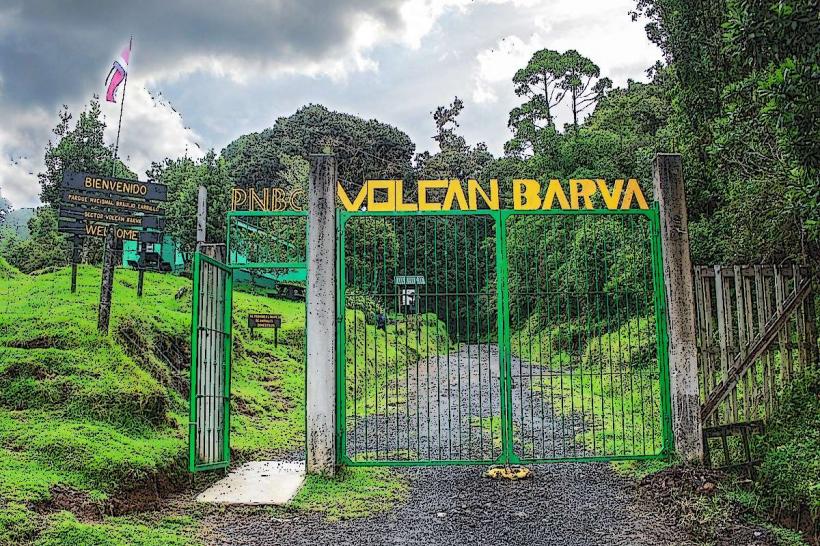
Barva Volcano: 20 km (1 hour), featuring high-altitude hiking and crater lagoons.
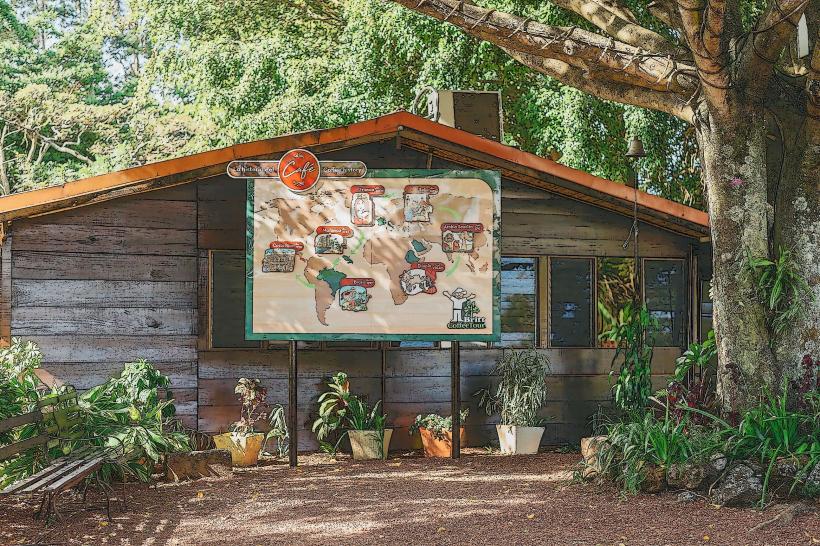
Café Britt Coffee Tour: 3 km (10 minutes), a major educational coffee estate.
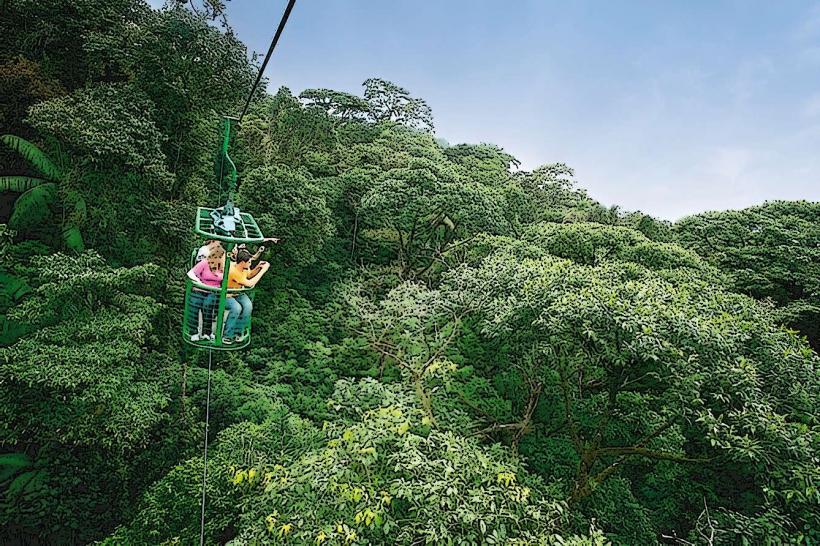
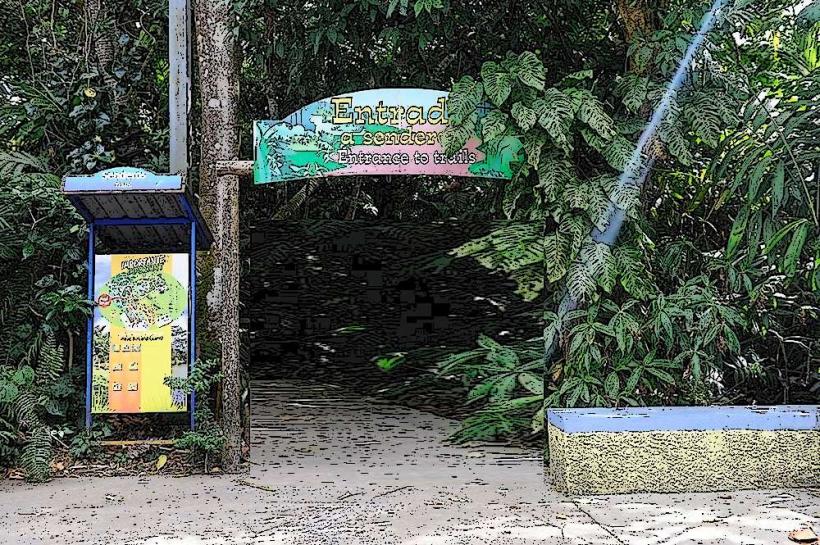
Braulio Carrillo National Park: 25 km (45 minutes), a massive primary rainforest reserve.
Facts & Legends
The iconic "El Fortín" tower has its gun slits designed incorrectly; they are wider on the outside than the inside, making it a poor defensive structure but a unique architectural oddity. A local legend tells of "La Mona," a witch who transforms into a giant, long-haired monkey and travels across the rooftops of Heredia at night, emitting a chilling whistle that signifies an impending death in the neighborhood.