Information
City: Ibiza IslandCountry: Balearic Islands
Continent: Europe
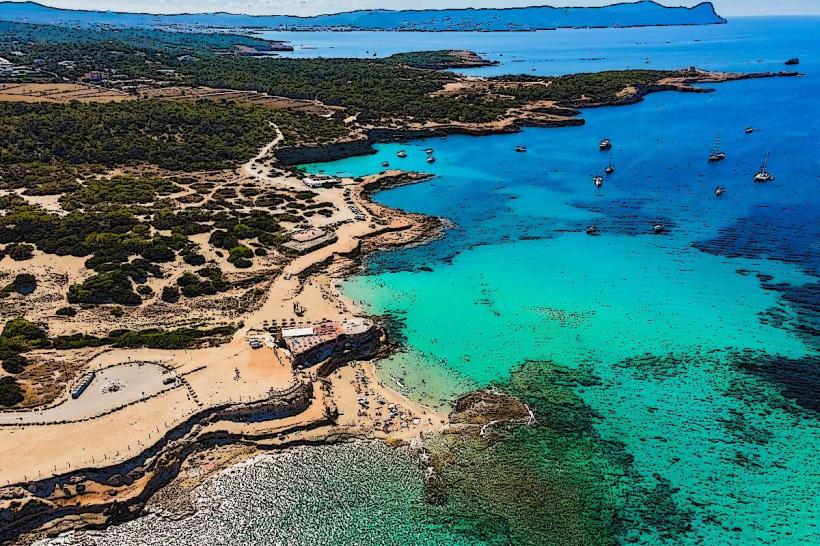
Ibiza Island, Balearic Islands, Europe
Ibiza (Eivissa) is the westernmost of the major Balearic Islands, located in the Mediterranean Sea. It is a global epicenter for electronic music and nightlife, yet it is also a UNESCO World Heritage site recognized for its biodiversity and culture.
Historical Timeline
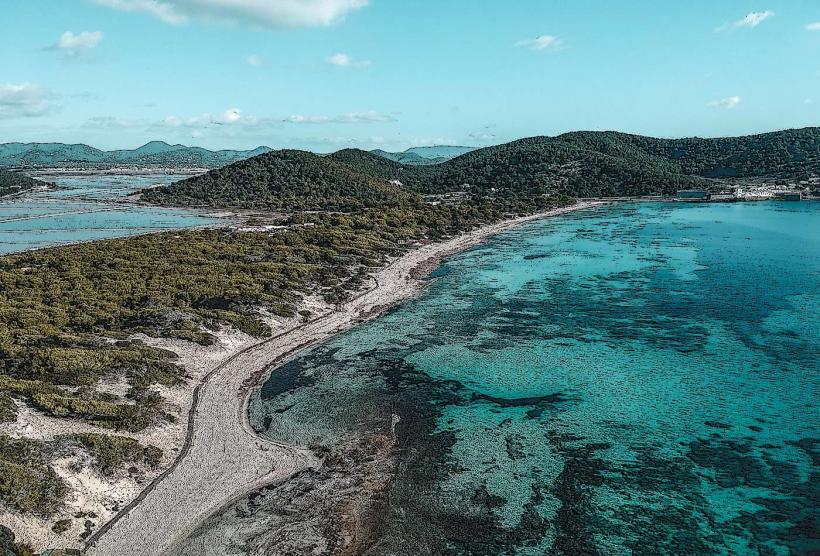
Inhabited since the Bronze Age, Ibiza became a major Phoenician trading post in 654 BC due to its natural salt pans (Las Salinas). It passed through Carthaginian, Roman, and Moorish control before the Aragonese conquest in 1235. The island's modern identity was forged in the 1960s by the hippie movement, which transitioned into the global clubbing phenomenon of the 1980s and 90s.
Demographics & Population
The permanent population is approximately 160,000, though this surges to several million during the summer season. The population is highly diverse, with roughly 25% being foreign nationals (primarily British, German, and Italian). The economy is overwhelmingly driven by the tourism and service sectors.
Major Municipalities
Ibiza Town (Eivissa): The historic and administrative capital.
Sant Antoni de Portmany: Famous for sunsets and intensive nightlife.
Santa Eulària des Riu: A family-oriented, quieter cultural hub.
Sant Josep de sa Talaia: Home to the island's highest peaks and most iconic beaches.
Sant Joan de Labritja: The rural, ecologically preserved north.
Top Landmarks
Dalt Vila: The fortified old town of Eivissa with 16th-century walls.
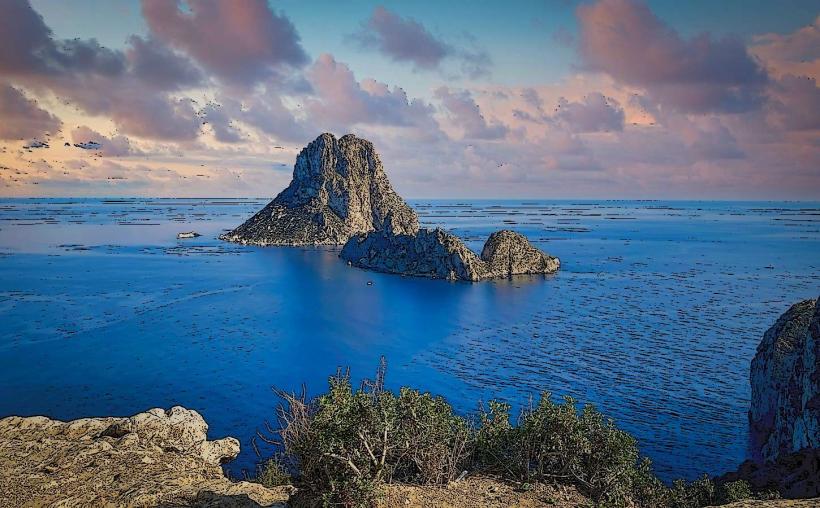
Es Vedrà: A monolithic limestone rock island off the southwest coast, the subject of many local myths.
Ses Salines Natural Park: Ancient salt flats and a critical habitat for flamingos and migratory birds.
Punta Arabí & Las Dalias: The island's iconic hippy markets.
Benirràs: A beach famous for its communal drumming rituals at sunset.
Transportation Network
Air: Ibiza Airport (IBZ) handles massive seasonal traffic.
Sea: Ferries connect the island to Formentera, Mallorca, Barcelona, Valencia, and Dénia.
Road: The EI-20 and EI-300 are the main arteries. Discobuses provide 24-hour transit between towns and major clubs during summer.
Car/Scooter Rental: Essential for accessing remote northern coves.
Safety & "Red Zones"
Nightlife Districts: High frequency of pickpocketing and alcohol-related incidents in the West End (Sant Antoni) and Playa d'en Bossa.
Road Safety: Narrow, winding rural roads (caminos) lack lighting; exercise extreme caution at night.
Forest Fires: The island's pine forests are at extreme risk during the dry summer months.
Digital & Financial Infrastructure
5G and fiber-optic coverage are excellent in urban centers but can be non-existent in the rural north and certain coastal valleys. The currency is the Euro (€). Contactless payment is the standard island-wide.
Climate & Air Quality
Mediterranean climate. Extremely high humidity (often $>80\%$) during summer. Air quality is generally high, though localized pollution occurs near the Port of Ibiza and the airport during peak season.
Culture & Social Norms
Clubbing Culture: Home to world-famous venues like Pacha, Amnesia, and Ushuaïa.
The "Slow" North: A distinct cultural contrast where yoga, meditation, and organic farming predominate.
Cuisine: Key items include Sofrit Pagès, Bullit de Peix, and Hierbas Ibicencas.
Local Cost Index (EUR)
1 Espresso: €2.00–€3.50
1 Club Entry: €40.00–€100.00+
1 Large Water (inside club): €10.00–€15.00
Facts & Legends
Legend says Es Vedrà is the third most magnetic point on Earth and was the home of the Sirens in Greek mythology. A geographic fact: The Posidonia Oceanica (seagrass) meadows surrounding Ibiza and Formentera are among the oldest and largest living organisms on Earth, responsible for the water's legendary clarity. Historically, Ibiza was known as the "Isle of Bes" after the Egyptian protector-god of dance and music.