Information
City: InvernessCountry: United Kingdom
Continent: Europe
Inverness, United Kingdom, Europe
Inverness is the northernmost city in the United Kingdom and the administrative center of the Scottish Highlands, situated where the River Ness meets the Moray Firth. It serves as the primary gateway to the North Highlands and the Great Glen.
Visual Characteristics
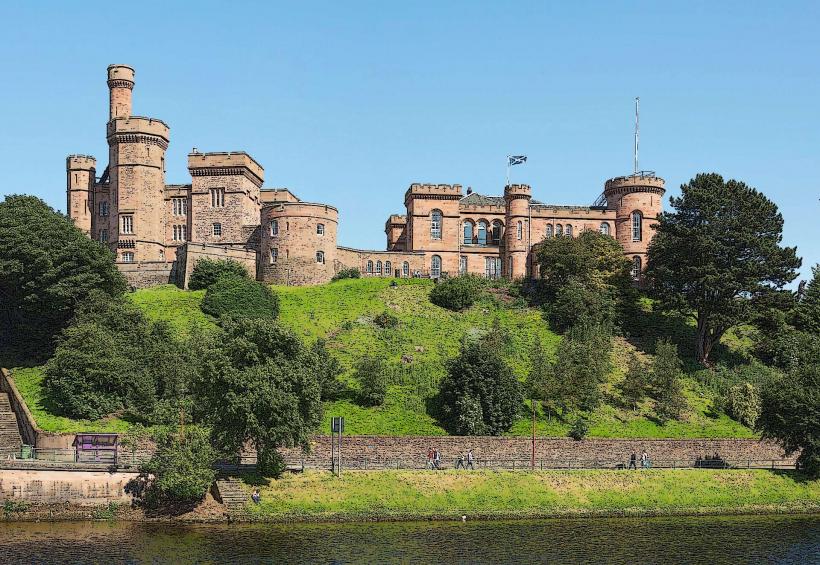
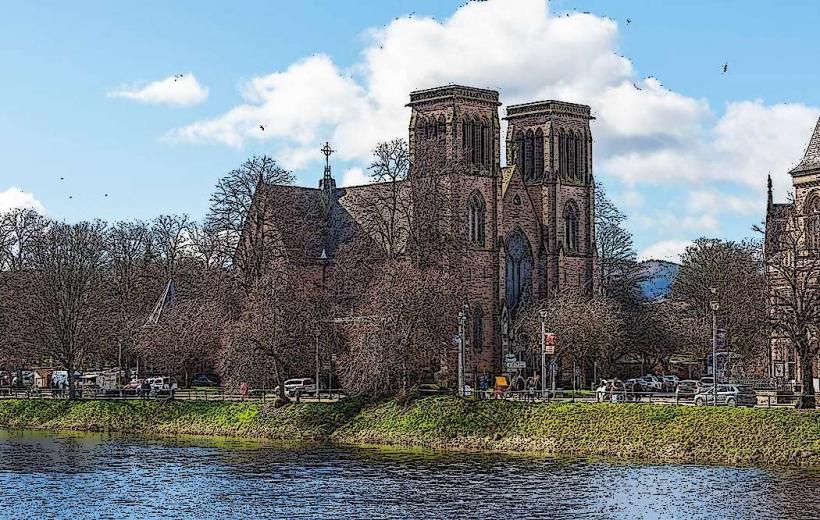
The urban landscape is defined by its riverside setting and 19th-century red sandstone architecture. Key visual anchors include Inverness Castle, a Victorian reconstruction situated on a high-elevation basalt outcrop, and the Gothic Revival St Andrew's Cathedral. The skyline is framed by the surrounding Highlands and the Moray Firth. The "Ness Islands"-a series of wooded islands in the middle of the River Ness connected by Victorian footbridges-provide a high-density green space within the city core.
Location & Access Logistics
Inverness is located 250 kilometers north of Edinburgh and 270 kilometers north of Glasgow. It is served by Inverness Airport (INV), 13 kilometers northeast, which has a dedicated rail station (Inverness Airport Station) providing 10-minute links to the city center. Inverness Railway Station is the northern terminus for the Highland Main Line and the West Highland Line, offering direct sleeper and day services to London (8 hours) and Edinburgh/Glasgow (3 hours). Vehicle access is primarily via the A9 trunk road. Public parking is concentrated at the Eastgate Shopping Centre and Rose Street.
Historical & Ecological Origin
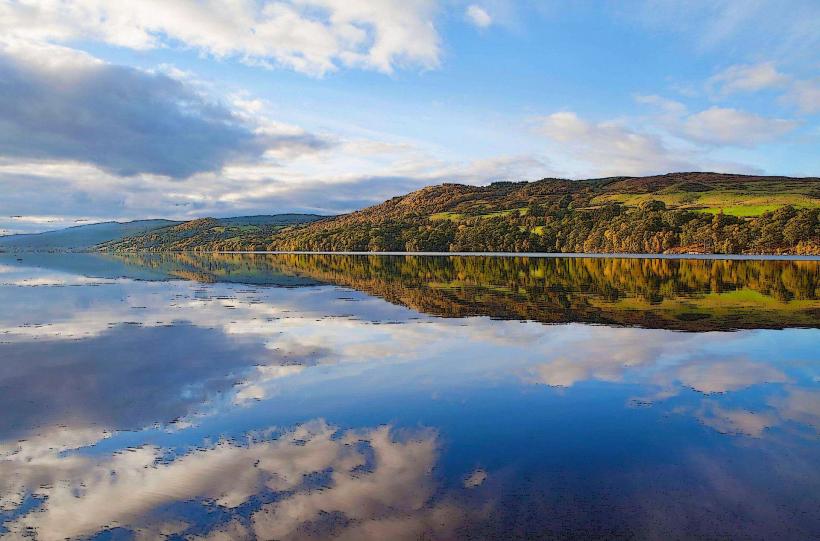
Settled since the 6th century as a Pictish capital, Inverness was the site where St. Columba reportedly converted King Bridei to Christianity. Geologically, it sits directly on the Great Glen Fault, a major tectonic boundary that separates the Northwest Highlands from the Grampian Mountains. The city was shaped by glacial erosion that created the deep trench of Loch Ness and the Moray Firth. The Kessock Bridge is engineered specifically to withstand potential seismic activity from the fault line.
Key Highlights & Activities
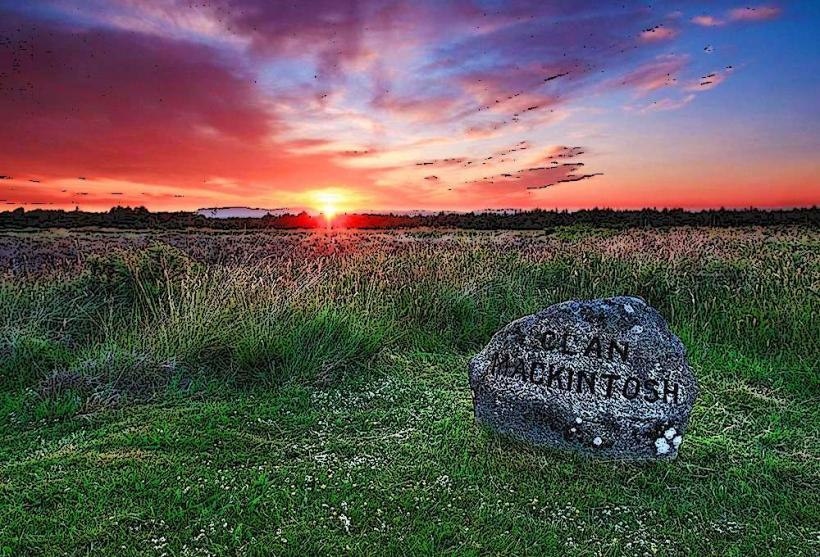
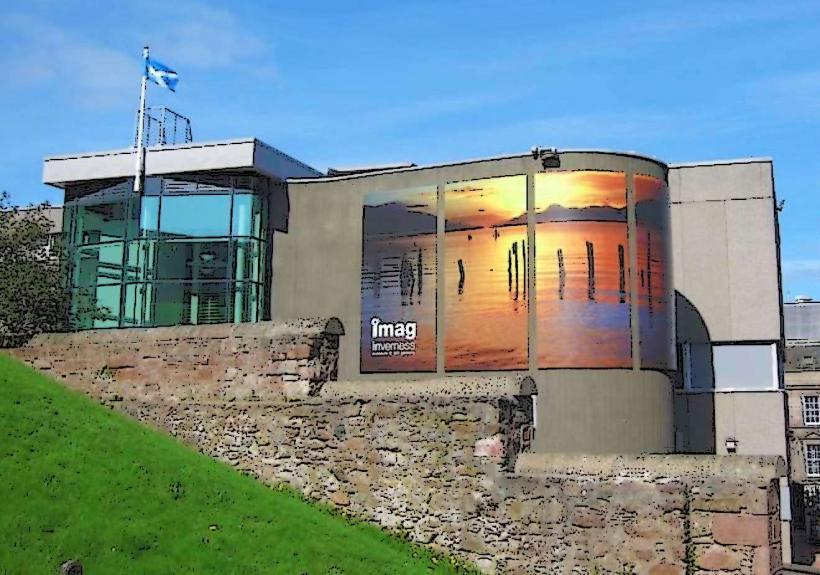
Inverness Museum and Art Gallery houses high-density collections of Pictish stones and Jacobite memorabilia. The Victorian Market is a primary indoor retail destination featuring original 19th-century ironwork and independent shops. Culloden Battlefield, 8 kilometers east, is the site of the final Jacobite Rising of 1745. Leakey’s Bookshop, the largest second-hand bookstore in Scotland, is housed in a converted Gaelic church. Dolphin watching in the Moray Firth and cruises to Loch Ness are central maritime activities.
Infrastructure & Amenities
The city center is compact and walkable, equipped with public restrooms in the Victorian Market and Eastgate Centre. 5G cellular coverage is universal. While the city does not have a large-scale automated bike-share system, private bike hire is concentrated at the Great Glen Way trailheads. Drinking water top-up stations are located along the High Street and riverfront. Retail is centered on the Eastgate Shopping Centre, while dining is densest along the River Ness, specializing in Highland venison and salmon.
Best Time to Visit
The climate is temperate oceanic; Inverness is one of the driest cities in Scotland due to the rain shadow of the western mountains. May to mid-June is optimal to avoid midges and experience 18+ hours of daylight. August is the peak period for Highland games and festivals. Photography of the castle and river is best at sunset from the Greig Street Bridge. Winters are cold ($1^{\circ}\text{C}$ to $6^{\circ}\text{C}$) but provide high-fidelity opportunities for viewing the Aurora Borealis (Northern Lights) from peripheral dark-sky sites.
Facts & Legends
Inverness is the "capital" of the world-famous Loch Ness Monster legend; the first recorded sighting was by St. Columba in 565 CE. A local historical oddity: the "Falconer Museum" (in nearby Forres) and local archives house "Felicity," a puma captured in the Highlands in 1980, fueling local legends of "ABC" (Alien Big Cats). Legend holds that the Brahan Seer, a 17th-century prophet, predicted the construction of the Caledonian Canal and the eventual decline of the Highland way of life.
Nearby Landmarks
Inverness Castle: Central hub (currently undergoing renovation into a visitor center)
Victorian Market: 0.2km North of Castle
Ness Islands: 1.5km South of center (River walk)
Culloden Battlefield: 8km East of center
Clava Cairns: 9km East of center (Bronze Age cemetery)