Information
City: JaffnaCountry: Sri Lanka
Continent: Asia
Jaffna, Sri Lanka, Asia
Jaffna is the capital city of the Northern Province of Sri Lanka, situated on a peninsula at the northernmost tip of the island. It serves as the cultural, political, and spiritual heartland of the Sri Lankan Tamil people.
Historical Timeline
Jaffna was the center of the independent Jaffna Kingdom from the 13th to the 17th century. It was subsequently colonized by the Portuguese (1619), the Dutch (1658), and the British (1796). For much of the late 20th century, the city was a central theater of the Sri Lankan Civil War (1983–2009). Following the war’s end, Jaffna has undergone significant reconstruction and is re-emerging as a major commercial and educational hub.
Demographics & Population
The city has a population of approximately 90,000. The demographic is overwhelmingly Sri Lankan Tamil, with a predominantly Hindu population and a significant Christian minority. The culture is distinct from southern Sri Lanka, characterized by a unique dialect of Tamil and a social structure deeply influenced by historical scholarship and agriculture.
Urban Layout & Key Districts
City Center: The area around the main bus stand and hospital, characterized by busy markets and colonial-era architecture.
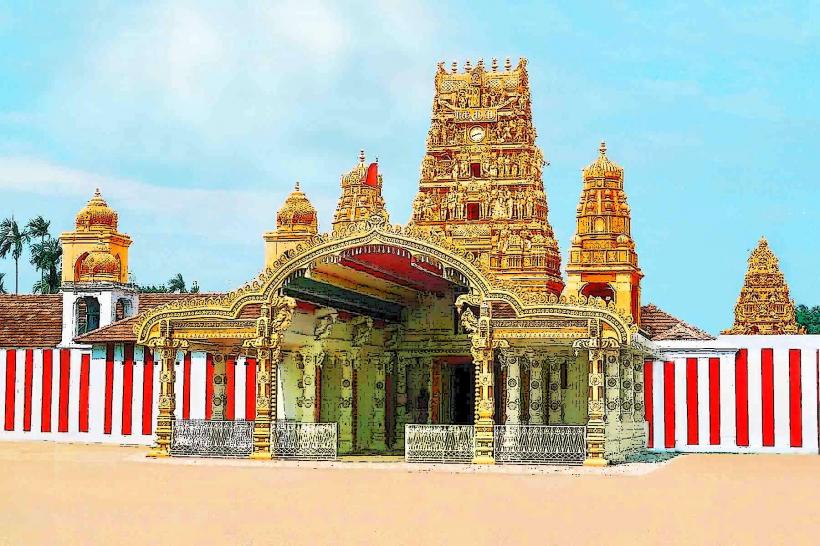
Nallur: A prestigious residential and religious suburb east of the center, home to the Nallur Kandaswamy Kovil.
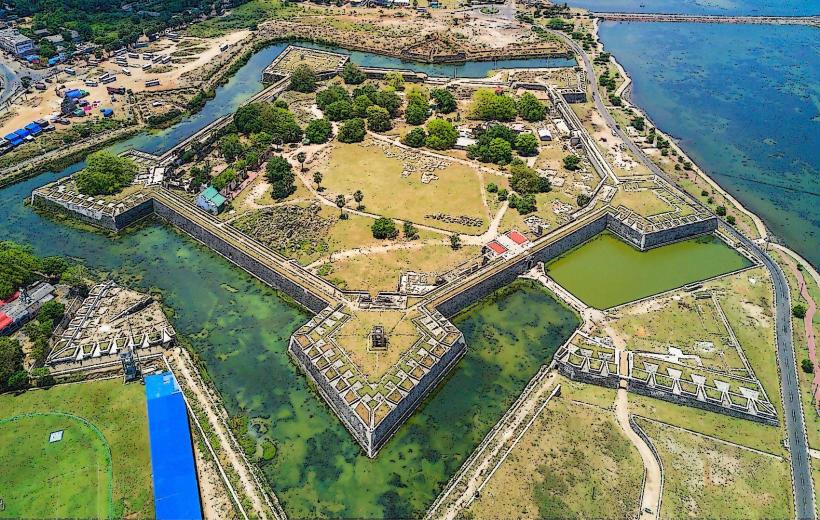
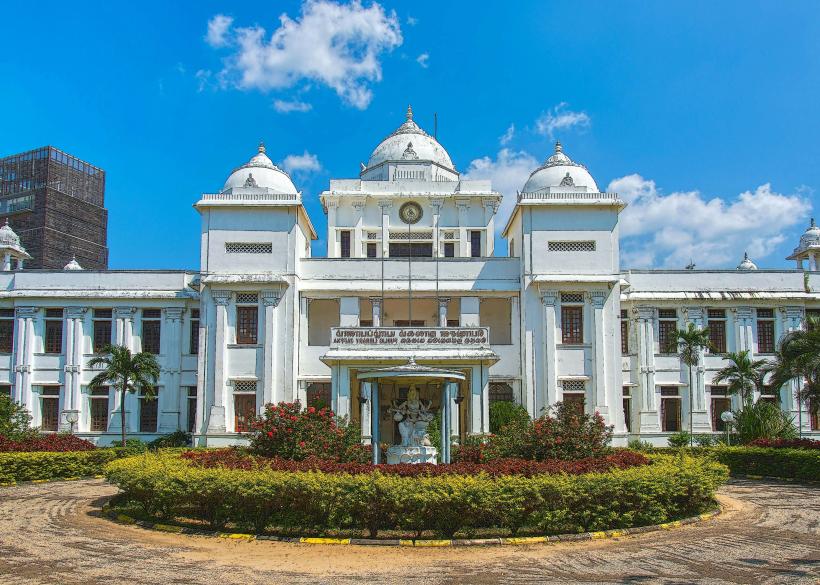
The Fort Area: Located on the southern waterfront, containing the historic Dutch Fort and public library.
Chundikuli: An area known for its elite schools and quiet, leafy streets.
Top Landmarks
Nallur Kandaswamy Kovil: A massive, gold-hued Hindu temple dedicated to Lord Murugan; it is the most sacred site in the North.
Jaffna Public Library: Once one of the finest libraries in Asia, it was burned in 1981 and has since been rebuilt as a symbol of the city's intellectual resilience.
Jaffna Fort: A star-shaped fortification built by the Portuguese and expanded by the Dutch, offering views over the Jaffna Lagoon.
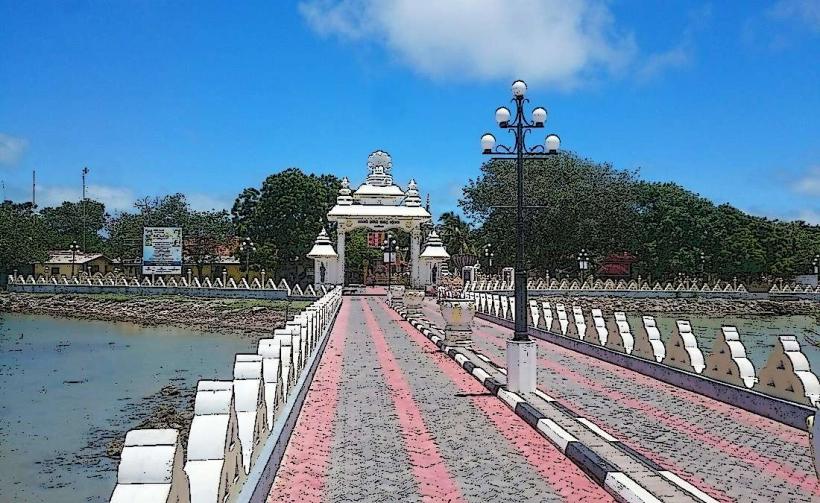
Nagadeepa Purana Viharaya: An ancient Buddhist temple on a nearby island, believed to be visited by the Buddha.
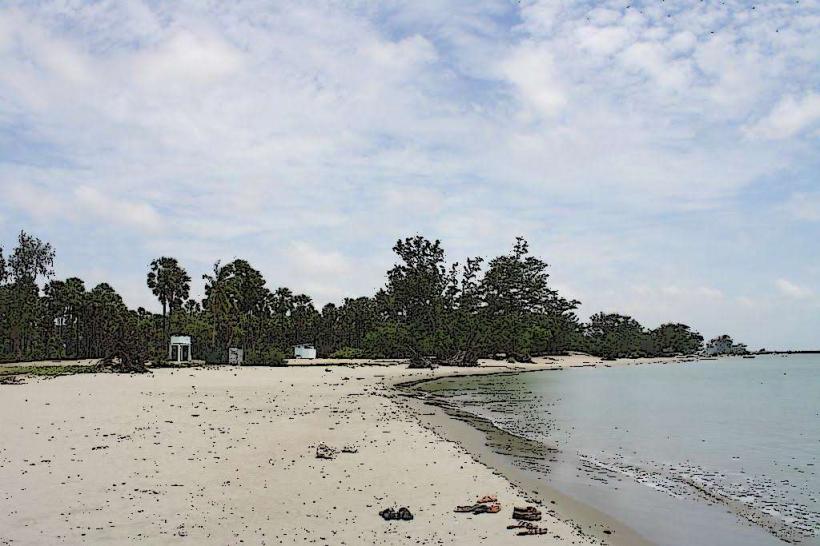
Casuarina Beach: Located on Karainagar Island, known for its shallow waters and unique casuarina trees.
Transportation Network
Rail: The Yal Devi and other express trains connect Jaffna to Colombo (approx. 6–8 hours) via the northern line.
Road: The A9 highway is the primary artery connecting the North to the rest of the island.
Public Transit: Extensive bus networks operate from the central stand. Bicycles are the most common and culturally iconic mode of local transit.
Air: Jaffna International Airport (JAF) in Palaly operates limited domestic flights and regional flights to Chennai, India.
Safety & "Red Zones"
Jaffna is safe for visitors. Violent crime is rare.
Landmines: While major towns are cleared, do not wander into unmarked, overgrown rural areas or abandoned buildings in the peninsula's outskirts.
Photography: Military presence remains higher than in the south; avoid photographing military installations, checkpoints, or high-security zones.
Sea Conditions: Currents in the lagoons and near the islands can be strong; swim only in designated areas.
Digital & Financial Infrastructure
4G/LTE coverage is robust throughout the city. The currency is the Sri Lankan Rupee (LKR). ATMs are abundant (Bank of Ceylon, People’s Bank, Seylan). Credit cards are accepted in newer hotels and supermarkets, but cash remains the primary medium for local markets and small vendors.
Climate & Air Quality
Tropical savanna climate. Jaffna is significantly hotter and drier than southern Sri Lanka. Air quality is generally good due to the flat landscape and maritime breezes.
Culture & Social Norms
The city is socially conservative.
Hindu Temple Etiquette: Men must remove their shirts to enter the inner sanctum of the Nallur Kovil. Women must cover their shoulders and knees. Footwear must be left at the entrance.
Alcohol: Public consumption is frowned upon, and there are fewer licensed bars than in the south.
Diet: Vegetarianism is common. The city is famous for its "Jaffna Crab Curry" and unique palmyra-based products.
Local Cost Index (LKR)
1 Espresso: 600–900 LKR (Rare; local tea/coffee is standard)
1 Standard Lunch (Thali/Rice & Curry): 400–1,000 LKR
1 Tuk-Tuk Ride (within city): 300–500 LKR
Nearby Day Trips
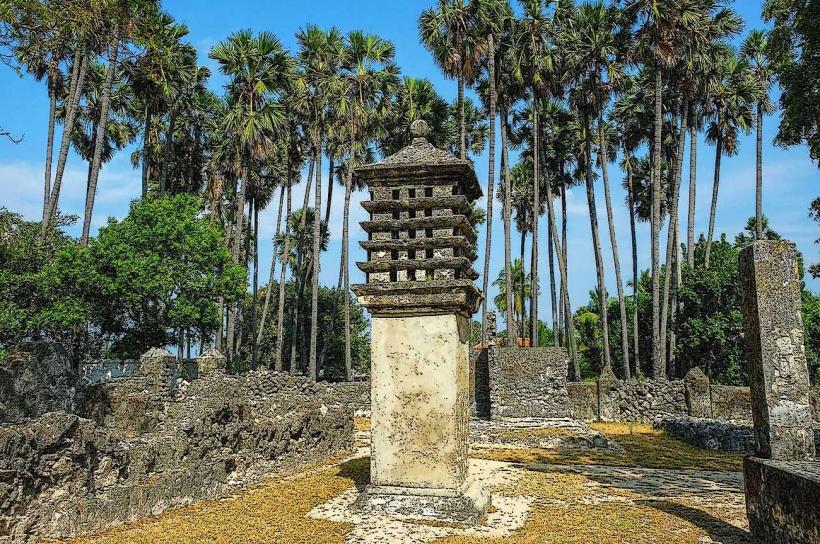
Delft Island (Neduntheevu): A remote island featuring wild ponies, coral-stone walls, and Dutch ruins.
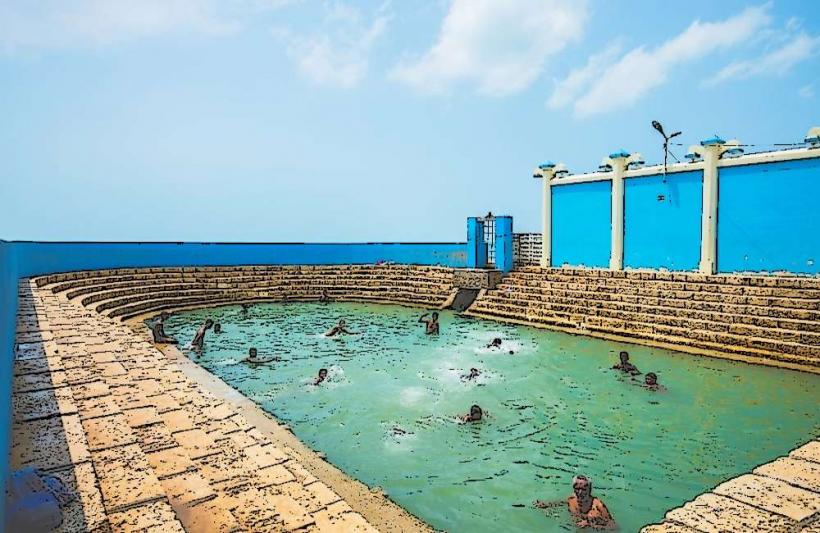
Keerimalai Springs: A natural freshwater pool on the coast believed to have healing properties.
Point Pedro: The northernmost point of Sri Lanka.
Facts & Legends
Legend says the city was founded after a blind lute player (Paanan) received the land as a gift from a king, leading to the name Yalpanam (Land of the Harpist). A geographic fact: The Jaffna Peninsula is a limestone platform, unlike the rest of the island, resulting in a unique landscape of sinkholes and underground caverns. Historically, the city was once the primary link between Sri Lanka and the South Indian kingdoms across the Palk Strait.