Information
Landmark: Nallur Kandaswamy TempleCity: Jaffna
Country: Sri Lanka
Continent: Asia
Nallur Kandaswamy Temple, Jaffna, Sri Lanka, Asia
The Nallur Kandaswamy Temple is one of the most significant and revered Hindu temples in Sri Lanka, particularly for the Tamil Hindu community. Located in Jaffna, the temple is dedicated to Lord Murugan (also known as Kandaswamy), the Hindu god of war and victory. The temple is not only a place of worship but also an important cultural and historical landmark in the Jaffna Peninsula.
1. Overview
- Location: In Nallur, a suburb of Jaffna city, Sri Lanka.
- Deity: The temple is dedicated to Lord Murugan (known as Kandaswamy in Tamil), the son of Lord Shiva and Goddess Parvati.
- Importance: The Nallur Kandaswamy Temple is a major center of Tamil Hinduism in Sri Lanka, known for its annual festivals, religious significance, and historical value.
2. History
- The temple has a long and rich history, believed to have been founded in A.D. 1000. Over the centuries, the temple has been rebuilt and renovated several times, with the most significant restoration occurring in the 19th century.
Early History:
- The original temple is said to have been constructed by the Chola Dynasty around A.D. 1000, marking the beginning of the worship of Lord Murugan in the region.
Colonial Influence:
- During the Portuguese colonial era (16th to 17th centuries), the temple faced significant challenges, including the destruction of many Hindu temples in the north of Sri Lanka. The Nallur Kandaswamy Temple was no exception, though it was later rebuilt and restored after the Dutch colonial rule in the 18th century.
Modern Restoration:
- The temple underwent substantial restoration in the 19th century, during the rule of the British in Sri Lanka. This included the construction of the grand entrance tower (known as the Rajagopuram), a distinctive feature of Dravidian-style temples.
- The temple has continued to grow in prominence, with extensive renovations in recent decades, particularly after the end of the Sri Lankan Civil War.
3. Architecture
The temple is an excellent example of Dravidian temple architecture, which is common in South India and among Tamil communities.
Key Architectural Features:
Rajagopuram (Main Entrance Tower): The towering entrance to the temple, known as the Rajagopuram, is an elaborate and intricate structure adorned with sculptures of gods, goddesses, and mythological figures. This is a prominent feature of South Indian temples, symbolizing the temple's grandeur.
Sanctum (Garbhagriha): The main sanctum houses a statue of Lord Murugan. The deity is depicted in his traditional form as a young, handsome warrior, holding a spear (Vel). This inner chamber is the focal point of worship and the most sacred part of the temple.
Vimanam: The shrine above the sanctum, known as the Vimanam, is decorated with intricate carvings and sculptures of various Hindu deities.
Mandapams (Pillared Halls): The temple features several pillared halls or mandapams where worshippers gather during religious ceremonies and rituals. These halls are adorned with sculptures and reliefs depicting scenes from Hindu mythology.
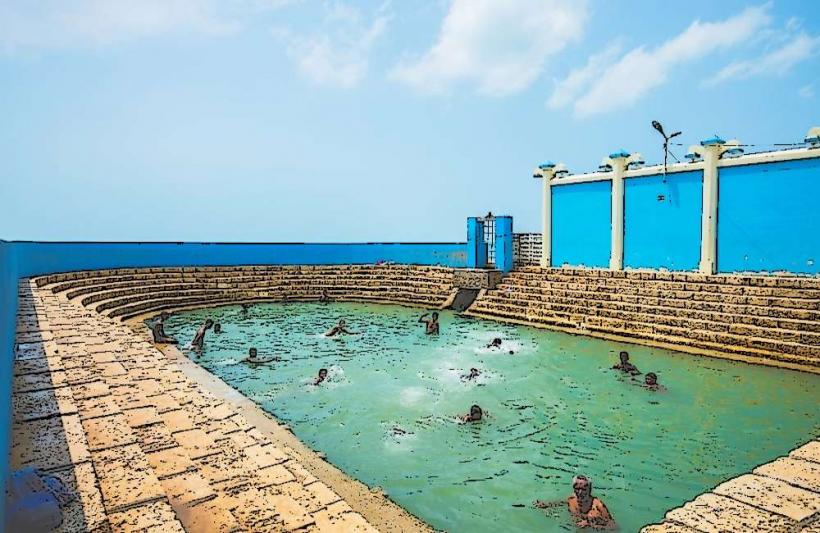
Kovil (Temple Courtyard): The temple’s courtyard is spacious and open, with a large tank (water reservoir) used for ritual purposes. Devotees often gather here before and after rituals to partake in prayers and offerings.
4. Festivals and Rituals
The Nallur Kandaswamy Temple is known for its vibrant and elaborate festivals, especially the Annual Festival, which attracts thousands of devotees each year.
Annual Festival (Aadi Festival):
- This is the most significant festival at the temple and is held in August. It is a month-long celebration that culminates in a grand procession.
- The procession of Lord Murugan takes place around the temple and through the streets of Jaffna, where devotees carry offerings such as milk pots and kavadi (a ceremonial burden) to demonstrate their devotion. The festival is marked by music, dancing, and rituals that attract both local worshippers and visitors from abroad.
Other Festivals:
- The temple also celebrates other important Hindu festivals such as Thaipusam, Thai Pongal, and Deepavali, which draw large crowds of worshippers.
Rituals and Pujas:
- Daily worship services (pujas) are conducted at the temple, with specific rituals for morning, noon, and evening. Devotees participate in prayers, offer flowers, and light lamps to seek blessings from Lord Murugan.
5. Religious and Cultural Importance
The Nallur Kandaswamy Temple serves as a spiritual center for the Tamil Hindu community in Sri Lanka and for Tamils living abroad. It plays a vital role in preserving Tamil culture, traditions, and religious practices.
The temple is considered a symbol of spiritual unity for the Tamil people, particularly in the north of Sri Lanka, where it is deeply embedded in the cultural and religious life of the local population.
Lord Murugan is widely worshipped as a deity who protects his devotees and provides victory over challenges. His significance in Sri Lankan Tamil Hinduism can be seen through the numerous temples dedicated to him throughout the island.
6. Visiting Nallur Kandaswamy Temple
Opening Hours: The temple is open daily, and visitors can attend prayers and ceremonies. It is best to visit during one of the many festivals when the temple is alive with activity.
Dress Code: As with most Hindu temples, visitors are expected to dress modestly. Women should wear covered shoulders and knees, and men should avoid wearing shorts. Shoes must be removed before entering the temple premises.
Accessibility: The temple is located in the heart of Jaffna, easily accessible by foot, tuk-tuk, or vehicle. It is a major point of interest for both religious pilgrims and tourists in the region.
7. Why Visit Nallur Kandaswamy Temple?
Cultural Significance: The temple offers a deep connection to the Tamil Hindu culture of Sri Lanka, and visiting it provides a unique experience of the region's traditions, rituals, and festivals.
Historical Value: The Nallur Kandaswamy Temple has been a part of Jaffna’s history for over a millennium, and visiting it allows you to witness a historical religious site that has shaped the culture of the Northern Province.
Architectural Beauty: The temple's Dravidian architecture, with its towering Rajagopuram and intricate carvings, is a treat for those interested in religious architecture and art.
Festivals and Spiritual Experience: The festivals, especially the Aadi Festival, provide a lively and colorful experience for visitors, while also offering an opportunity for spiritual reflection and connection with the Hindu faith.
8. Nearby Attractions
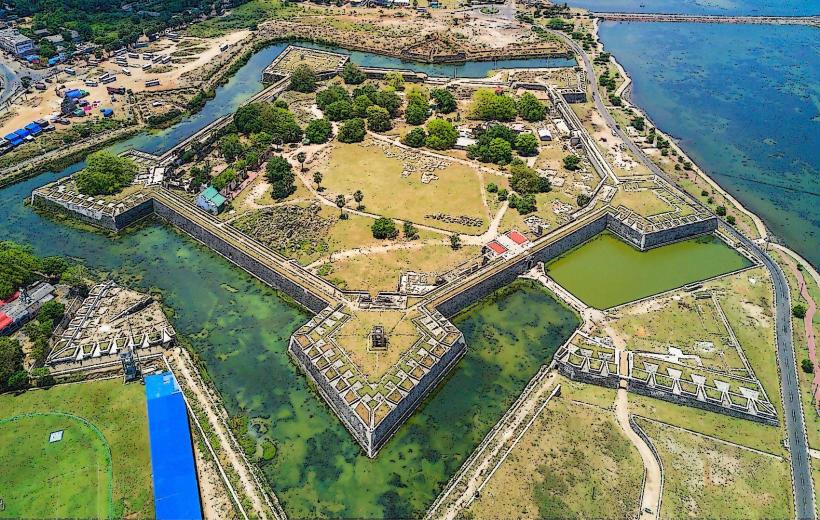
- Jaffna Fort: A historic fort built by the Portuguese and later expanded by the Dutch, located near the temple.
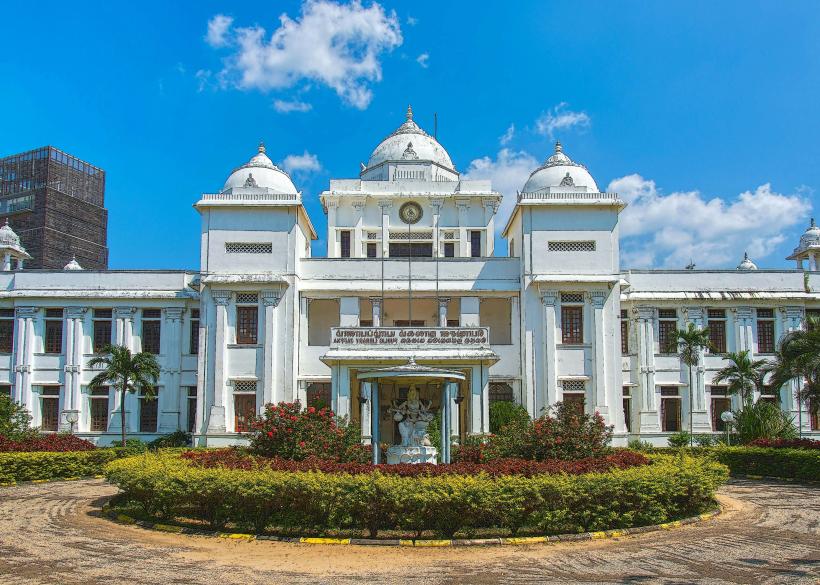
- Jaffna Library: A cultural landmark and one of the largest libraries in Sri Lanka, which holds great historical and cultural significance for the Tamil community.
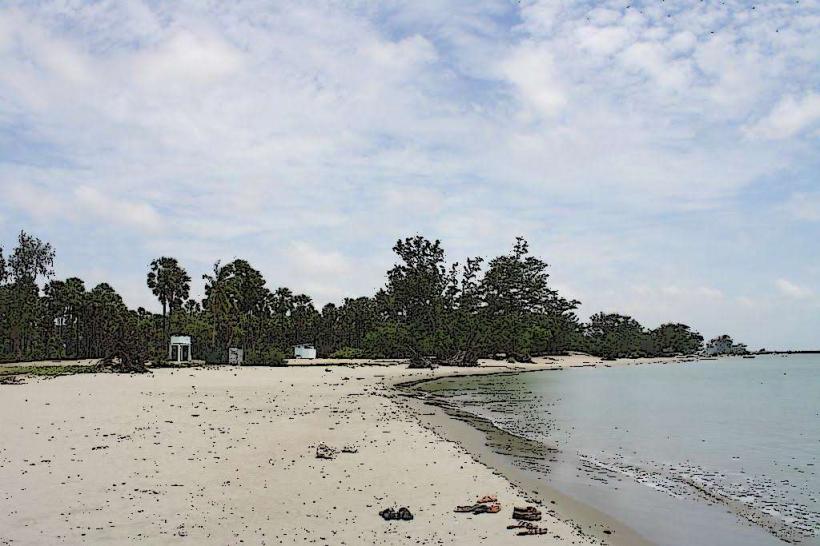
- Casuarina Beach: A tranquil beach located in the northernmost part of the Jaffna Peninsula, ideal for relaxation.
9. Tips for Visiting
- Plan Around Festivals: Visiting the temple during one of its major festivals can provide a more vibrant and culturally immersive experience.
- Respect Religious Practices: As a functioning temple, it is important to show respect during prayers and rituals.
- Photography: While photography is allowed in certain areas of the temple, it is important to be discreet and avoid taking photos during sacred rituals.
- Stay Hydrated: The climate in Jaffna can be quite hot, especially during the dry season, so be sure to bring water and wear sun protection.
10. Conclusion
The Nallur Kandaswamy Temple is a vital part of Jaffna's cultural and religious landscape. With its rich history, stunning architecture, and vibrant festivals, it offers a unique opportunity to explore the deep-rooted Tamil Hindu traditions of Sri Lanka. Whether you're seeking spiritual reflection, cultural insight, or a connection to the island's rich heritage, this temple is a must-visit destination.