Information
Landmark: Paco ParkCity: Manila
Country: Philippines
Continent: Asia
Paco Park, Manila, Philippines, Asia
Paco Park is a historic recreational garden and former municipal cemetery located in the district of Paco, Manila. Originally built by the Spanish in the early 19th century, it is known for its serene atmosphere and circular architectural layout.
Visual Characteristics
The park is defined by two concentric circular stone walls. The space between the inner and outer walls formerly served as niches for burials. At the center of the park stands the St. Pancratius Chapel, a small, elegant stone dome. The grounds are heavily landscaped with lush gardens, century-old trees, and paved walkways that follow the circular footprint of the walls.
Location & Access Logistics
Address: Belen, Paco, Manila, 1007 Metro Manila.
Access: The main entrance is located along General Luna Street.
Transport: Accessible via the LRT-1 (United Nations Station) followed by a 10-minute walk or short tricycle ride. It is also near the Paco Station of the PNR (Philippine National Railways).
Entry: A nominal entrance fee is required for visitors.
Historical & Ecological Origin
Built in 1822, the park was originally the Cementerio de General de Dilao, intended for victims of a cholera epidemic. It eventually became the primary cemetery for Manila's Spanish elite. Historically, it is significant as the initial burial site of the Philippine national hero, Dr. José Rizal, following his execution in 1896 (his remains were later moved to the Rizal Monument). It was declared a National Park in 1966. Ecologically, it serves as a critical green space in the dense Paco district, providing a shaded habitat for local urban flora.
Key Highlights & Activities
St. Pancratius Chapel: A popular venue for weddings, known for its intimate setting and classical architecture.
Rizal’s Empty Tomb: A marker indicates the original spot where Rizal was buried in secret by the Spanish authorities.
Paco Park Presents: A long-running weekly sunset concert series featuring classical music and cultural performances held at the open-air amphitheater.
The Ramparts: Visitors can walk along the top of the outer stone walls, offering an elevated view of the park's symmetrical design.
Infrastructure & Amenities
The park features well-maintained public restrooms, benches, and a small administrative office. The paved paths are suitable for light walking or photography. Due to its status as a heritage site, activities like loud music or active sports are prohibited. 5G cellular coverage is reliable within the grounds.
Best Time to Visit
The park is generally open daily from 06:00 to 17:00. The late afternoon (16:00–17:00) is the most favorable time to visit, as the temperature drops and the lighting enhances the stone textures for photography. Weekdays offer a quiet, contemplative experience compared to the busier weekends.
Facts & Legends
The niches in the walls were once leased for three years at a time; if families failed to renew the lease, the remains were moved to a communal vault. Local legends often associate the park with ghost sightings, particularly near the old niches and the chapel, a common characteristic of former burial grounds in Manila.
Nearby Landmarks
Rizal Park (Luneta): 1.2 km Northwest
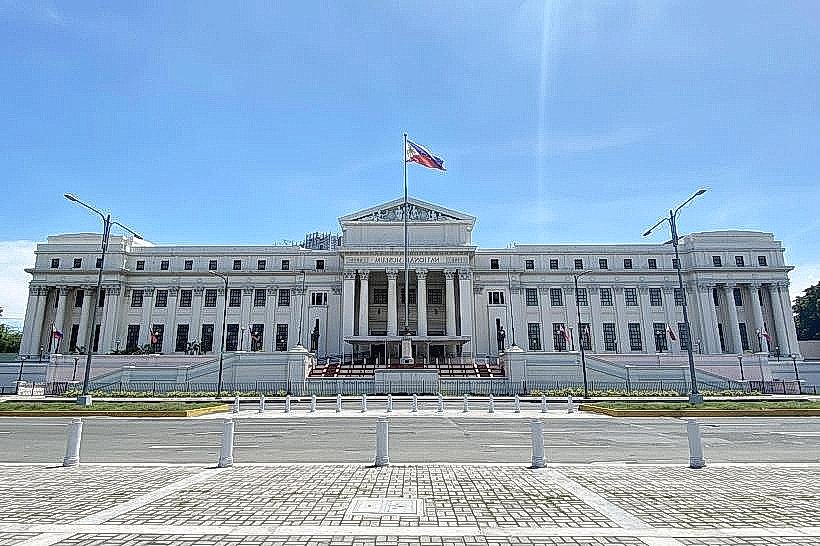
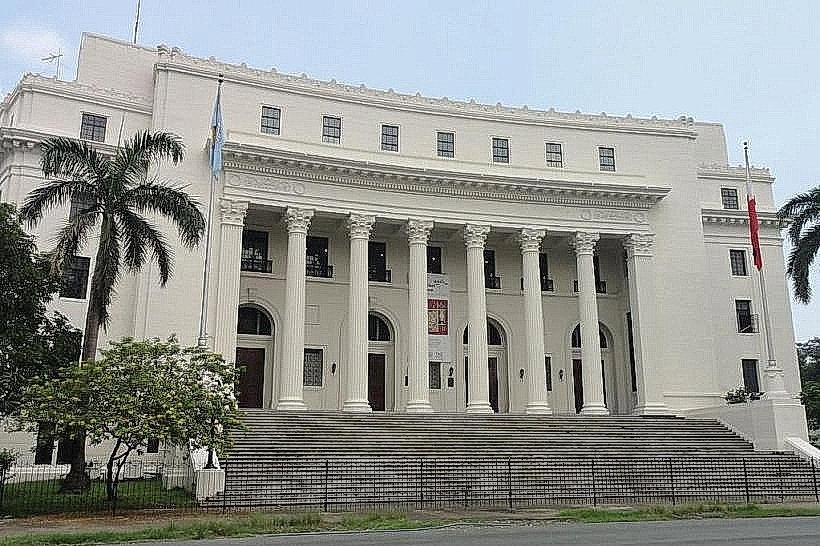
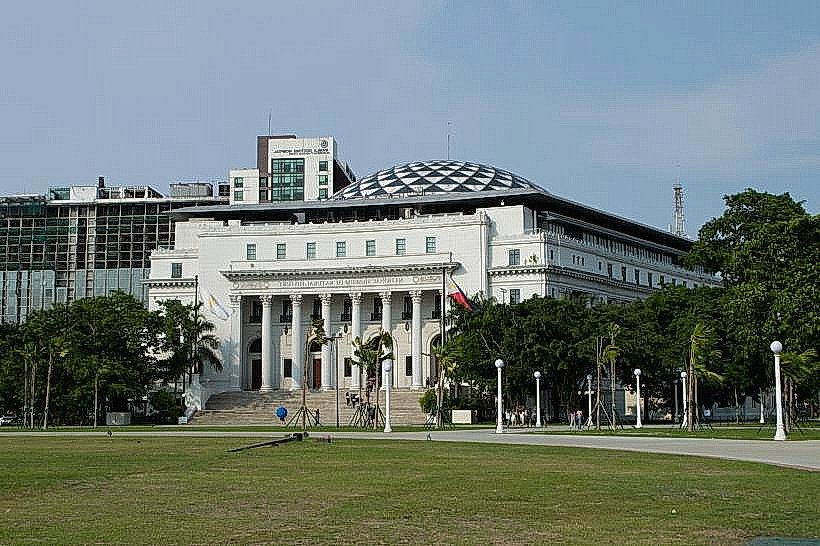
National Museum of Natural History: 1.0 km Northwest
Philippine General Hospital: 0.8 km West
Paco Market: 0.6 km East