Information
Landmark: IntramurosCity: Manila
Country: Philippines
Continent: Asia
Intramuros, Manila, Philippines, Asia
Intramuros is a 67-hectare historic walled area and the oldest district of Manila. Known as the "Walled City," it served as the seat of government during the Spanish colonial period.
Visual Characteristics
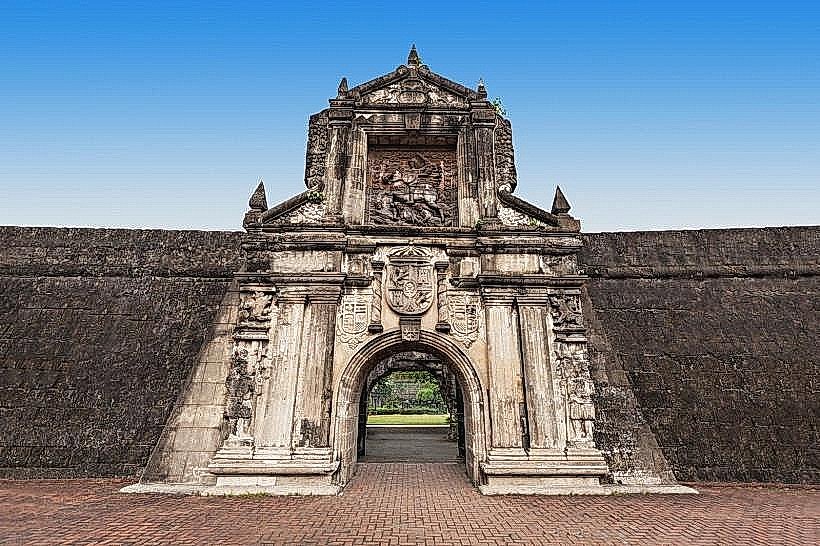
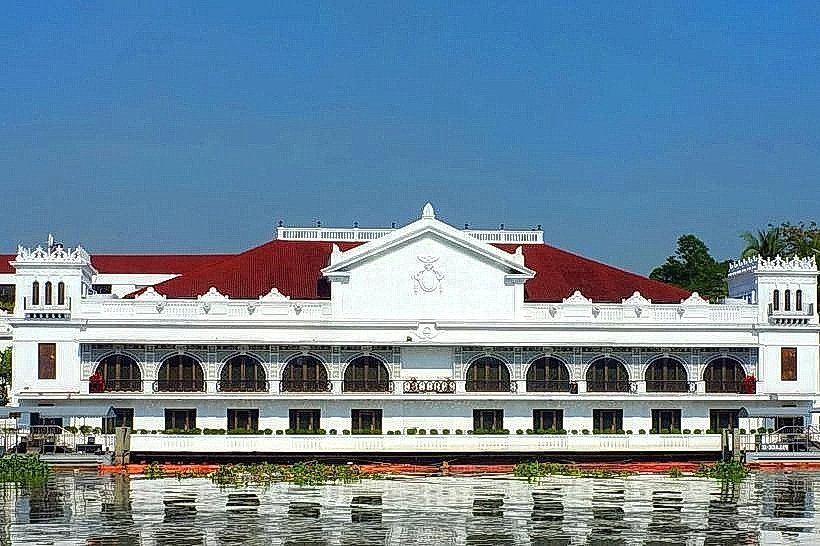
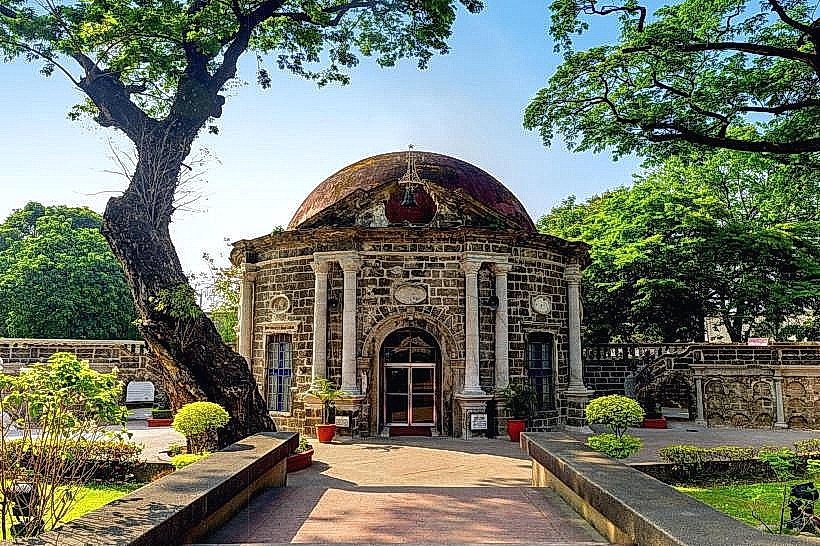
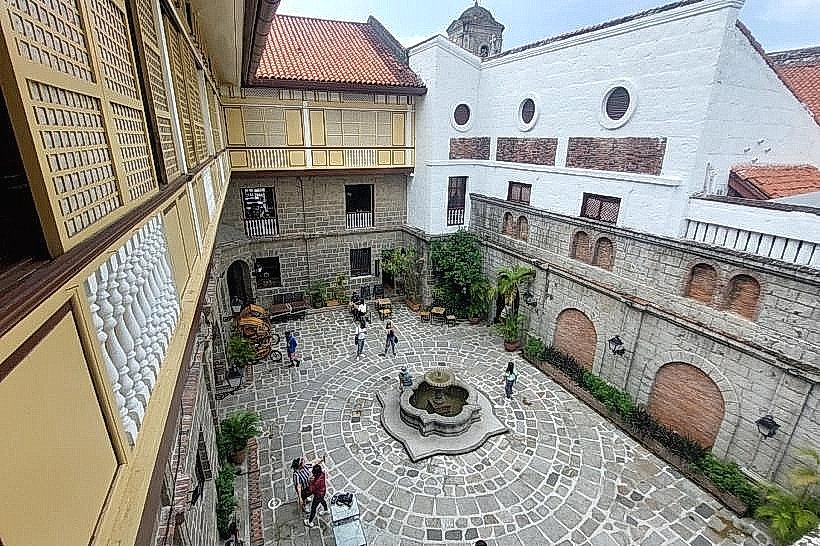
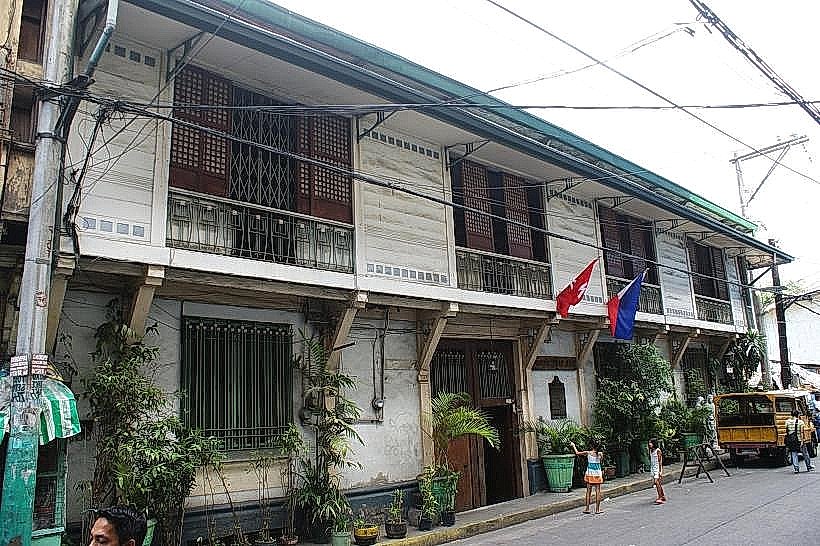
The district is defined by 4.5 kilometers of massive stone defensive walls, bastions, and moats. The architecture within is primarily Spanish Colonial and Baroque, featuring cobblestone streets, ornate plazas, and heavy wooden gates. Prominent structures include massive limestone churches and government buildings with internal courtyards and red-tiled roofs.
Location & Access Logistics
Intramuros is located on the southern bank of the Pasig River, near the mouth of Manila Bay.
Public Transport: Accessible via the LRT-1 (Central Terminal Station). From the station, the district is a 10-minute walk through underpasses or a short pedicab ride.
Entry Points: Major gates include Puerta Real, Puerta de Isabel II, and Puerta de Santa Lucia.
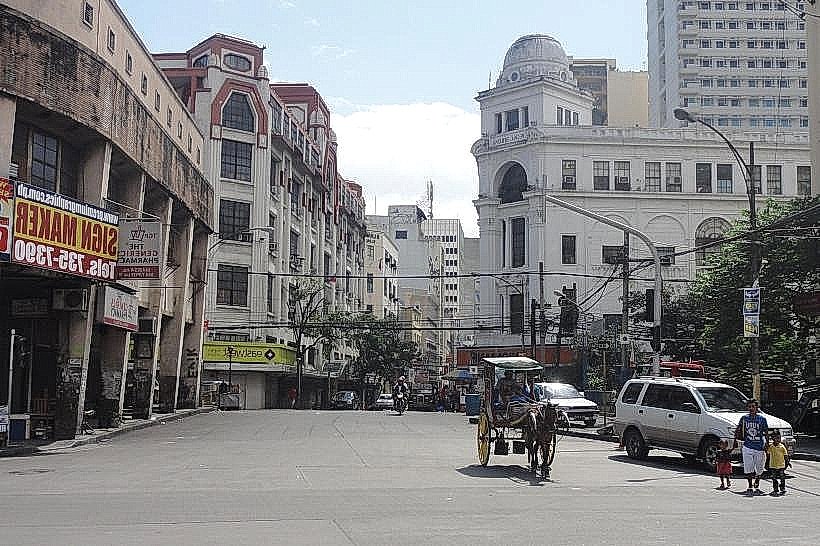
Internal Transport: The area is best explored on foot, though traditional horse-drawn carriages (Kalesas) and eco-friendly electric "Bambikes" are available for hire.
Historical & Ecological Origin
Constructed by the Spanish in the late 16th century, the walls were built to protect the city from foreign invasions and pirate attacks. It remained the center of Spanish political, religious, and military power in the Philippines for over 300 years. During the Battle of Manila in 1945, the city was almost entirely destroyed; reconstruction efforts began in the 1950s to restore its original colonial layout.
Key Highlights & Activities
Fort Santiago: A 16th-century citadel and former prison where national hero José Rizal was held before his execution. It features a manicured park and the Rizal Shrine museum.
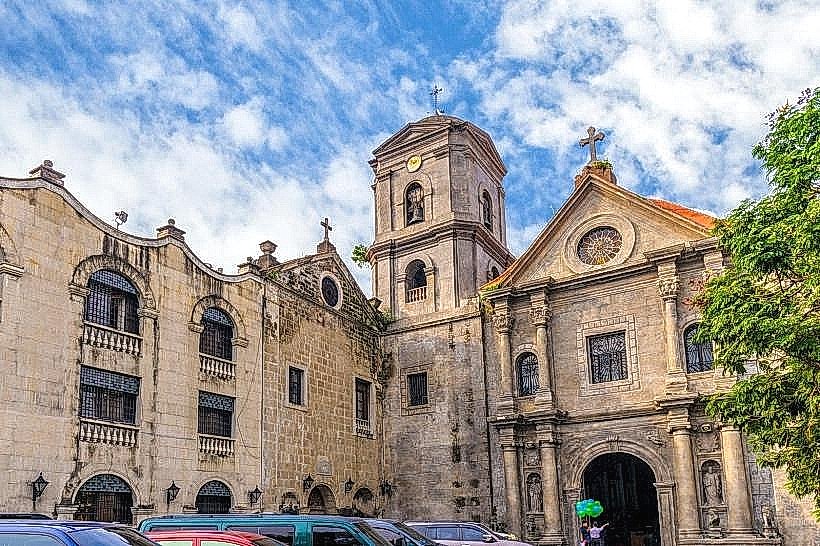
San Agustin Church: A UNESCO World Heritage site and the only building left standing after the 1945 destruction. It showcases high-Baroque style and a museum of religious art.
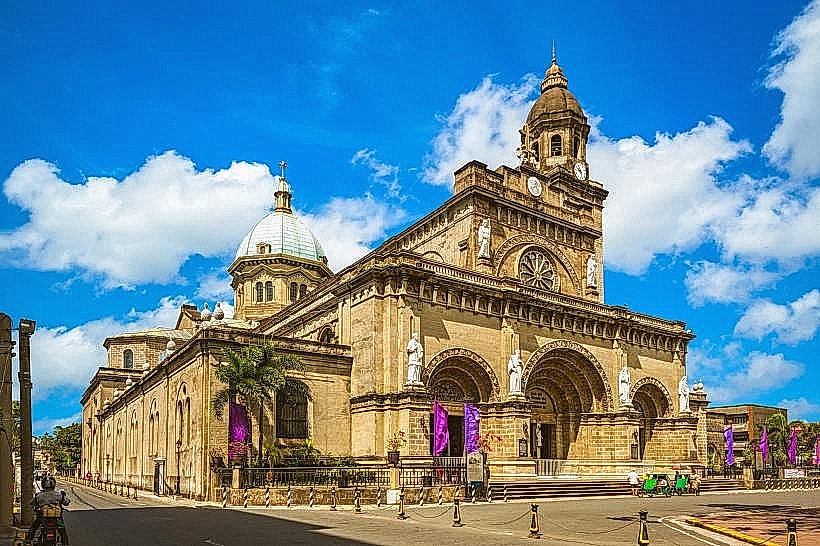
Manila Cathedral: The seat of the Roman Catholic Archdiocese of Manila, known for its neo-Romanesque architecture and stained-glass windows.
Baluerte de San Diego: A former bastion turned into an archaeological park with circular stone structures.
Casa Manila: A museum depicting the lifestyle of an upper-class Filipino family during the 19th-century Spanish colonial period.
Infrastructure & Amenities
The district houses several universities, government offices, and boutique hotels. Public restrooms are located within major tourist sites like Fort Santiago and Casa Manila. There are numerous themed restaurants and cafes, such as Barbara's and The Bayleaf Sky Deck, which offer panoramic views of the city. 5G cellular signal is strong throughout the area.
Best Time to Visit
The optimal time for exploration is during the cooler months from December to February. Visiting early in the morning (08:00–10:00) avoids the midday tropical heat and the largest tourist crowds. Weekend evenings are popular for cultural performances and illuminated views of the walls.
Facts & Legends
Intramuros was strictly "within the walls," and only Spanish citizens and those of Spanish descent were permitted to live inside during the early colonial era. A local legend speaks of secret underground tunnels connecting the various churches and bastions, though many were actually drainage systems or military magazines.
Nearby Landmarks
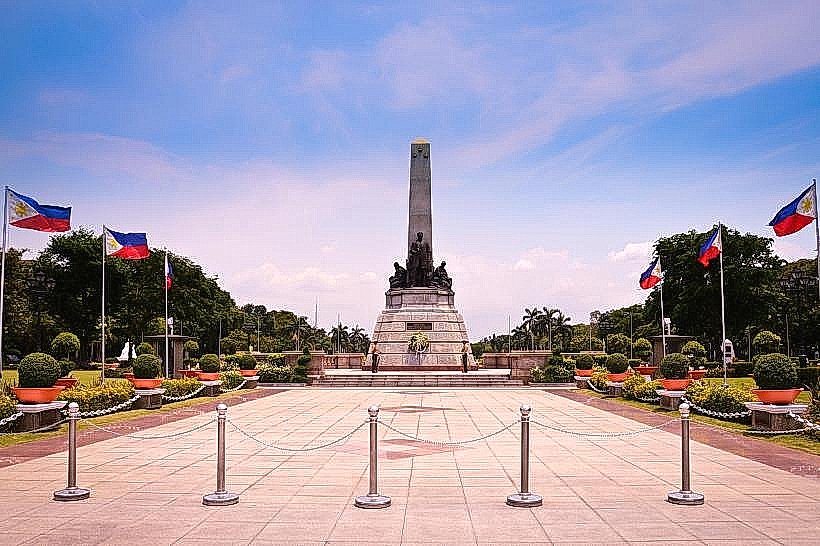
Rizal Park (Luneta): 0.5 km South
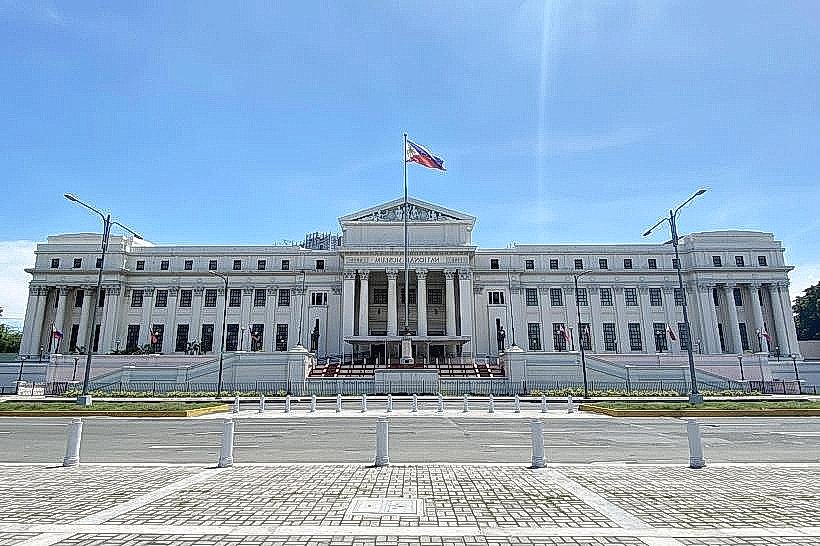
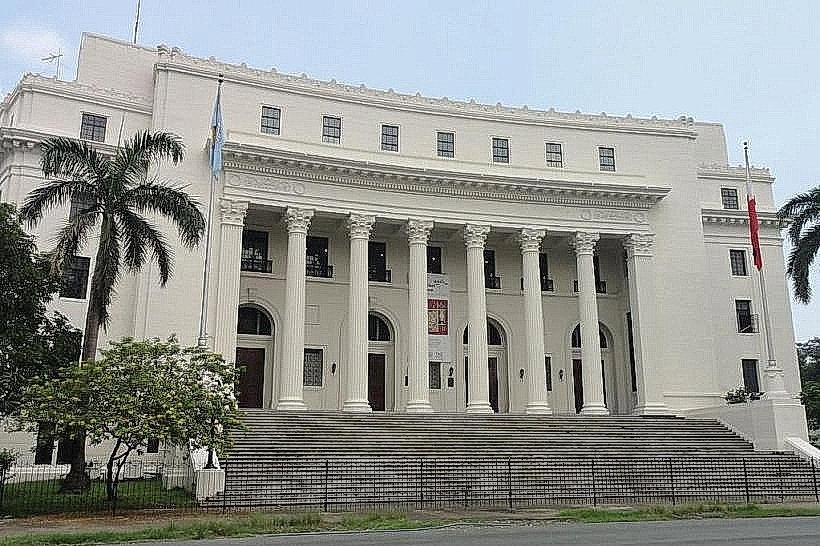
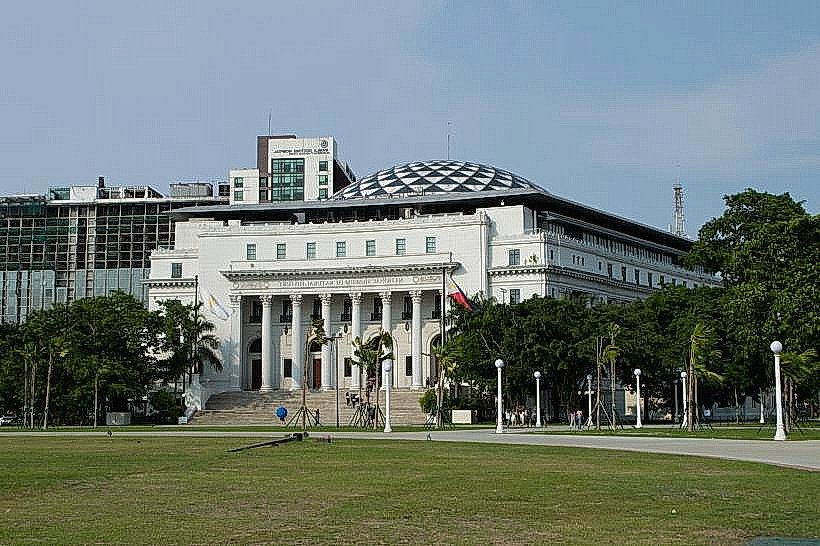
National Museum of Fine Arts: 0.6 km Southeast
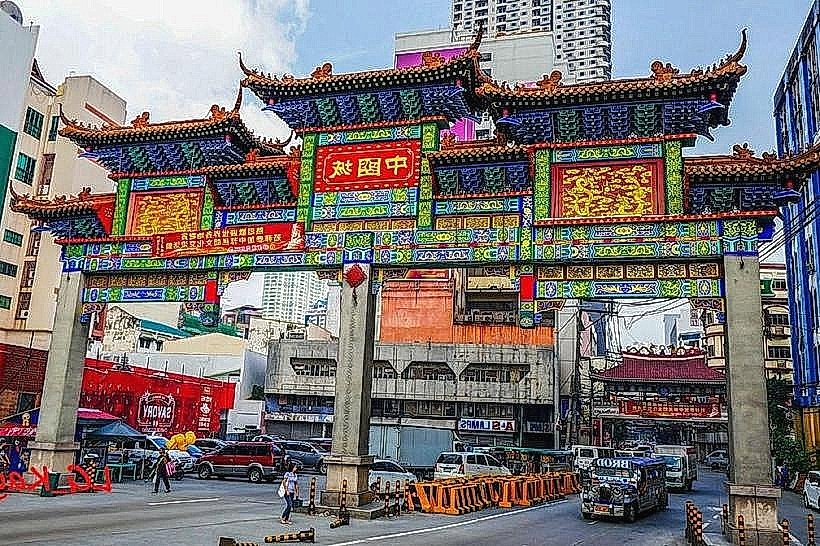
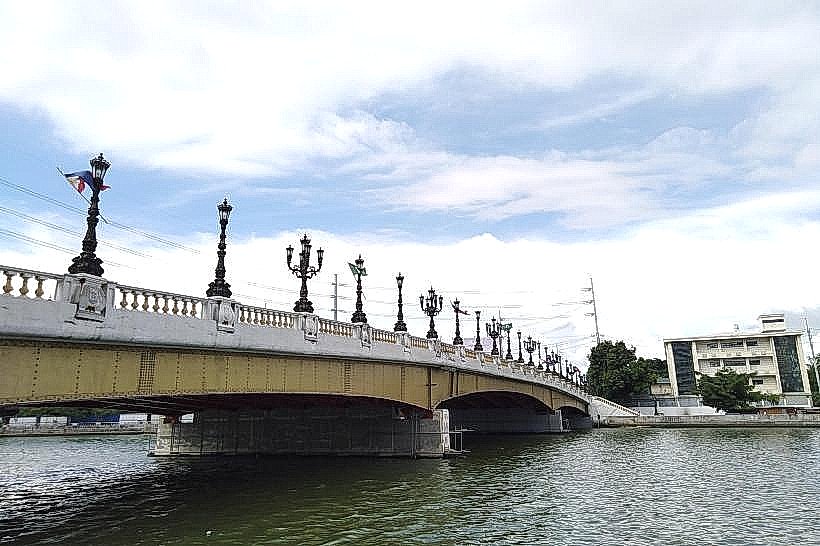
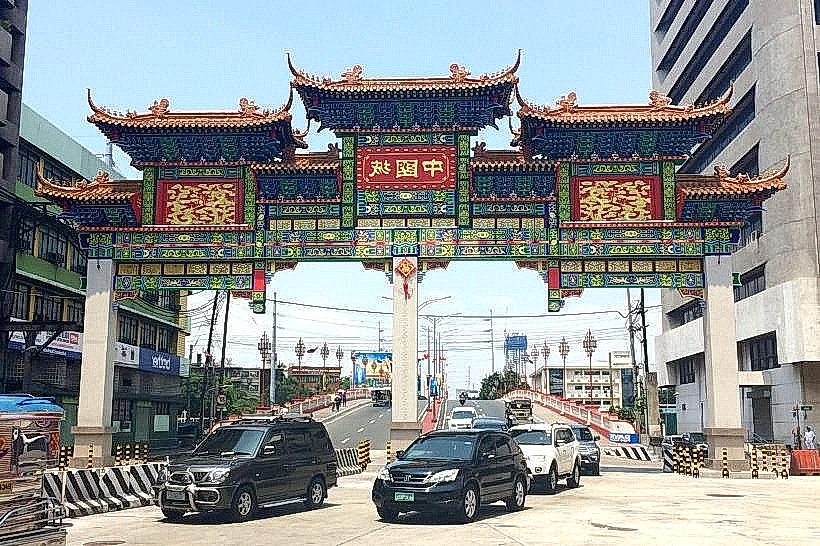
Binondo (Chinatown): 0.8 km North (across Jones Bridge)
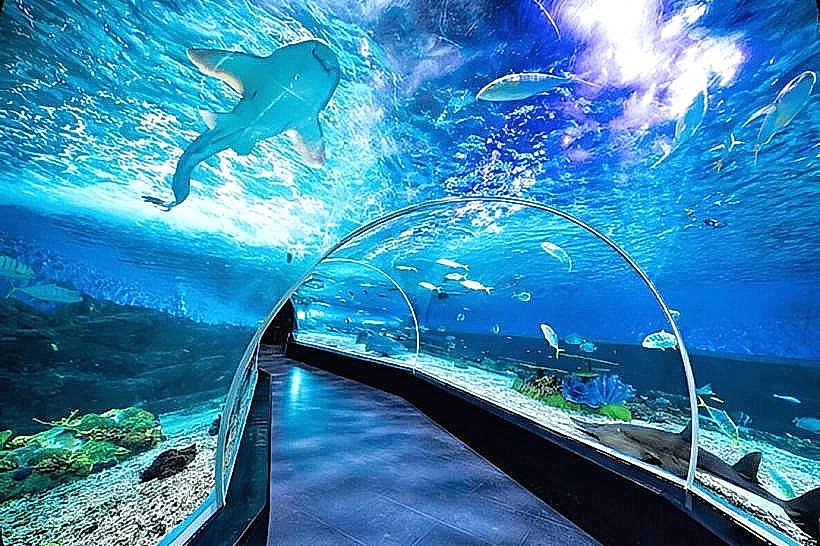
Manila Ocean Park: 1.5 km Southwest