Information
Landmark: Escolta StreetCity: Manila
Country: Philippines
Continent: Asia
Escolta Street, Manila, Philippines, Asia
Escolta Street is a historic thoroughfare located in the Binondo district of Manila. Established in 1594, it was the Philippines' premier commercial hub and "Wall Street" from the Spanish colonial period until the 1960s.
Visual Characteristics
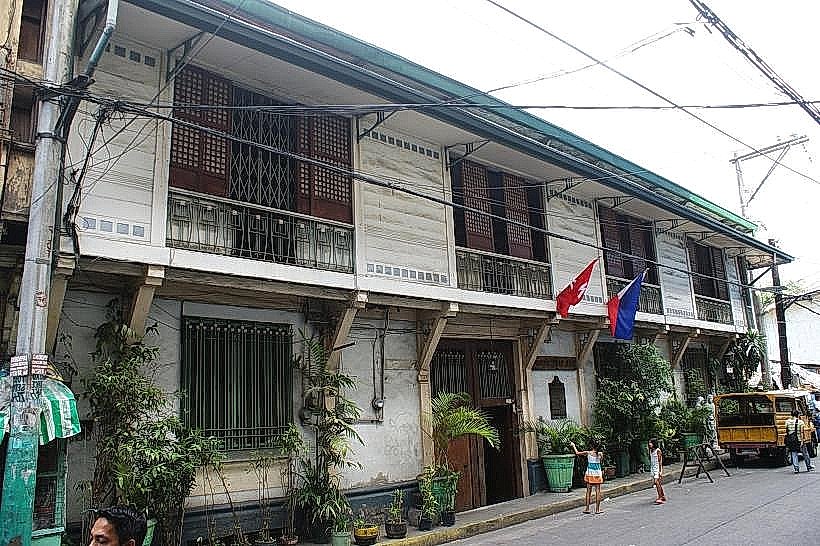
The street is a gallery of early 20th-century architecture, featuring a concentrated collection of Art Deco, Beaux-Arts, and Neoclassical buildings. It is characterized by narrow sidewalks, ornate facades, and its proximity to the Pasig River. The area has a "distressed vintage" aesthetic, with many historic buildings undergoing adaptive reuse into creative hubs and galleries.
Location & Access Logistics
Address: Escolta Street, Binondo, Manila.
Access: Runs parallel to the Pasig River, connecting Plaza Santa Cruz to Plaza Moraga.
Transport: * LRT-1: Get off at Carriedo Station; the street is a 5-minute walk away.
Pasig River Ferry: The Escolta Station provides direct water access.
Jeepneys: Numerous routes passing through Santa Cruz or Binondo stop nearby.
Walking: The street is pedestrian-friendly, though vehicular traffic remains heavy during business hours.
Historical & Ecological Origin
Escolta derives its name from the Spanish word for "escort," referring to the Governor-General’s entourage that frequently passed through. It was the site of many "firsts" in the Philippines, including the first ice cream parlor, the first movie house, and the first elevator. Ecologically, it sits on reclaimed land and volcanic tuff near the riverbank, making it susceptible to the tidal changes of the Pasig River.
Key Highlights & Activities
First United Building: An Art Deco landmark that now houses the HUB | Make Lab, a community for local artisans, vintage shops, and a specialty coffee bar (The Den).
Calvo Building: Built in 1938, it houses the Escolta Museum, which displays memorabilia from the street's golden era.
Regina Building: A prominent example of Neoclassical and Beaux-Arts architecture at the corner of Escolta and Burke streets.
El Hogar Filipino Building: A grand 1914 Beaux-Arts structure overlooking the river, noted for its historical and architectural significance.
Heritage Walks: Frequent community-led tours focus on architectural preservation and the street's commercial history.
Infrastructure & Amenities
The street features several repurposed buildings containing art galleries, coworking spaces, and cafes. Public restrooms are available in nearby commercial establishments and the First United Building. While it lacks large modern parking lots, street parking is available but highly congested. 5G cellular coverage is excellent.
Best Time to Visit
The best time to visit is on Saturdays when the HUB | Make Lab is most active and community events often take place. Early mornings provide the best lighting for architectural photography before the heavy mid-day traffic.
Facts & Legends
Escolta was the home of the Crystal Arcade, the country's first air-conditioned building and most modern shopping center before WWII. Local legends often highlight the "spirit of resilience" of the street, as it has survived numerous fires, the 1945 Battle of Manila, and decades of urban decay.
Nearby Landmarks
Binondo Church: 0.4 km West
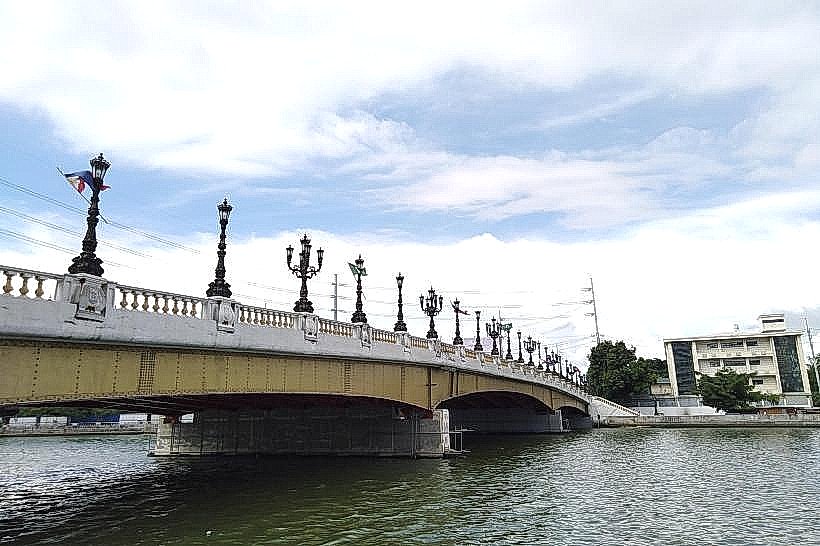
Jones Bridge: 0.1 km South
Santa Cruz Church: 0.2 km East
Lucky Chinatown Mall: 0.9 km Northwest