Information
Landmark: Manila BaywalkCity: Manila
Country: Philippines
Continent: Asia
Manila Baywalk, Manila, Philippines, Asia
Manila Baywalk is a prominent seaside promenade stretching along Roxas Boulevard in the districts of Malate and Ermita, Manila. It overlooks Manila Bay and is a major public recreational space.
Visual Characteristics
The Baywalk is a two-kilometer paved walkway lined with palm trees and stone benches. The visual landscape is dominated by the expansive view of the sea to the west and the busy Roxas Boulevard to the east. Following recent rehabilitation efforts, sections of the promenade now feature the "Manila Bay Beach" area, composed of crushed dolomite sand, and updated solar-powered lamp posts.
Location & Access Logistics
Address: Roxas Blvd, Malate/Ermita, Manila, 1004 Metro Manila.
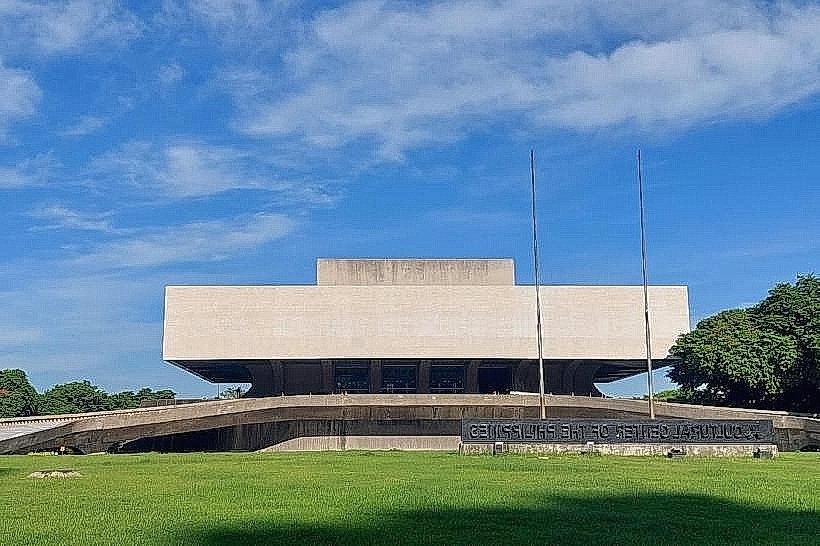
Access: The promenade is open to the public and accessible at multiple points along Roxas Boulevard, primarily between the US Embassy and the Cultural Center of the Philippines.
Transport: Accessible via LRT-1 (Quirino or Vito Cruz Stations) followed by a short walk or tricycle ride. Public buses and jeepneys traveling along Roxas Boulevard stop directly at various points along the walkway.
Entry: Free of charge.
Historical & Ecological Origin
Historically, the area served as the city’s primary harbor front. It became a social hub in the mid-20th century, famous for its open-air cafes and nightlife. Ecologically, it sits on reclaimed land. The area has been the focus of the "Battle for Manila Bay" rehabilitation project aimed at cleaning the heavily polluted waters and restoring the coastal ecosystem.
Key Highlights & Activities
Sunset Viewing: Widely considered the best spot in the city to view the world-famous Manila Bay sunset.
Dolomite Beach: An artificial beach area that has become a popular, though controversial, tourist attraction.
Al Fresco Dining: Numerous stalls and restaurants are located across the road or in nearby plazas.
Jogging and Exercise: A primary venue for morning runners and group aerobics.
Public Art: Features various statues and monuments, including those dedicated to Filipino historical figures.
Infrastructure & Amenities
The Baywalk includes wide paved paths, public benches, and designated areas for viewing. Street lighting has been modernized for safety. Public restrooms are available in nearby commercial establishments and the Manila Yacht Club area. 5G cellular coverage is excellent throughout the promenade.
Best Time to Visit
The most popular time is late afternoon, specifically from 17:00 to 18:30, to witness the sunset. Early mornings (05:00 to 08:00) are preferred for exercise to avoid the midday heat.
Facts & Legends
The "Manila Bay Beach" is not natural; it is made from crushed dolomite boulders from Cebu. The project generated significant debate regarding environmental impact and urban aesthetics. Local lore often cites the Baywalk as a site of historical resilience, surviving numerous typhoons and storm surges that have battered the city's coastline.
Nearby Landmarks
Manila Yacht Club: 0.5 km South
US Embassy: 0.6 km North
Cultural Center of the Philippines: 1.0 km South
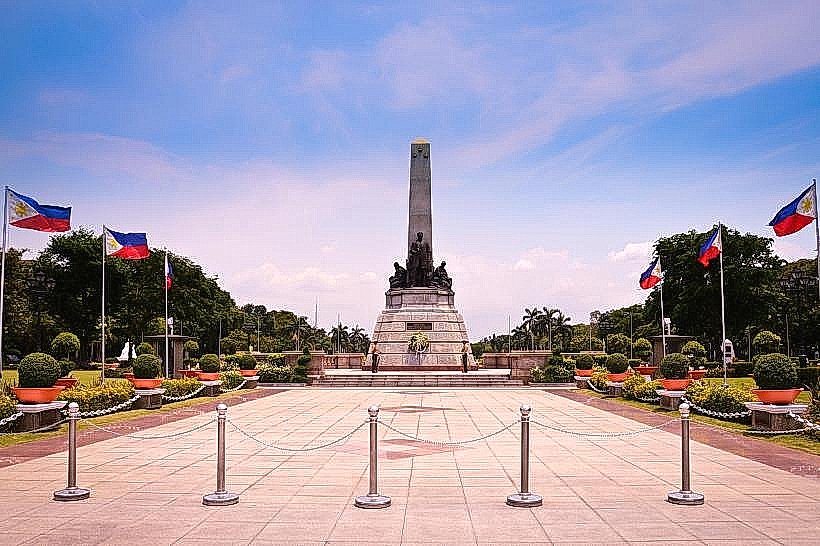
Rizal Park: 1.2 km North