Information
Landmark: National Museum of Natural HistoryCity: Manila
Country: Philippines
Continent: Asia
National Museum of Natural History, Manila, Philippines, Asia
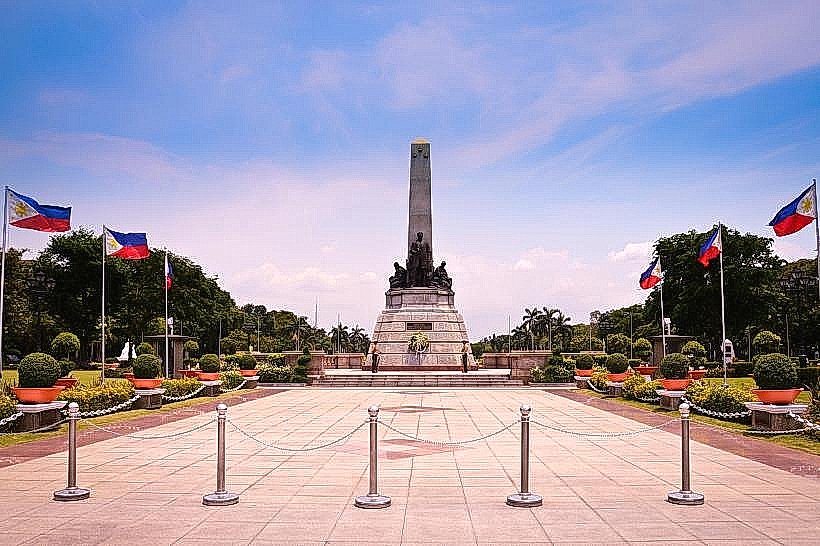
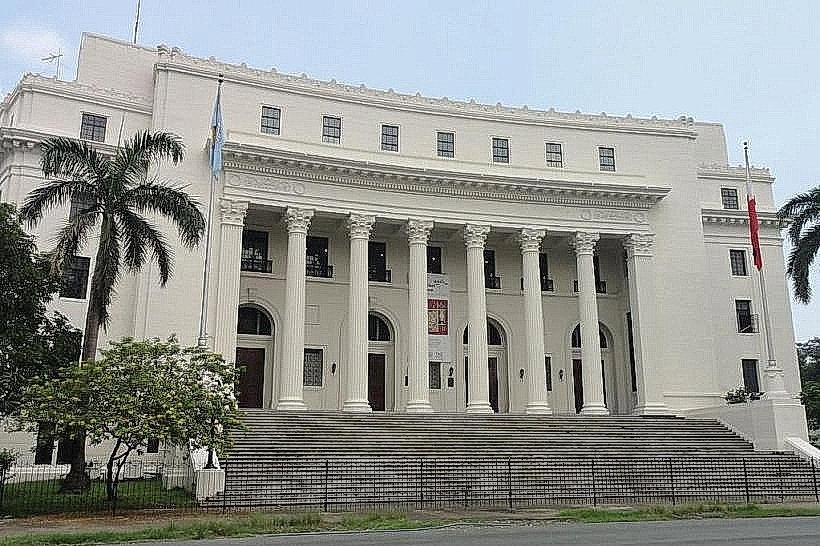
The National Museum of Natural History is the newest addition to the National Museum complex in Manila. It is housed in the former Department of Tourism building (originally the Agriculture and Commerce Building) located at the Agrifina Circle in Rizal Park.
Visual Characteristics
The building is a neoclassical structure distinguished by its revolutionary architectural centerpiece: the "Tree of Life." This central structure consists of a massive steel and glass dome supported by a trunk-like elevator shaft, which filters natural light into the vast six-story courtyard. The galleries radiate from this central atrium, showcasing the biological and geological diversity of the Philippine archipelago.
Location & Access Logistics
Address: Teodoro F. Valencia Circle, Ermita, Manila, 1000 Metro Manila.
Access: It occupies the northern half of the Agrifina Circle, directly opposite the National Museum of Anthropology.
Transport: Accessible via the LRT-1 (United Nations Station). It is situated on the eastern side of Rizal Park.
Entry: Admission is free for all visitors. Walk-in registration is required.
Historical & Ecological Origin
The building was designed by Antonio Toledo in the late 1930s and was nearly destroyed during the 1945 Battle of Manila. It underwent a massive adaptive reuse renovation led by Dominic Galicia Architects, completed in 2017. Ecologically, the museum serves as the primary repository for the Philippines' flora and fauna records, emphasizing the country's status as one of the world's 17 megadiverse nations.
Key Highlights & Activities
Tree of Life: The central architectural feature that connects all floors and provides a panoramic view of the courtyard.
Lolong’s Skeleton: The preserved remains of the world's largest salt-water crocodile (Crocodylus porosus) caught in captivity.
The Biodiversity Galleries: Exhibits detailing the Philippine rainforests, marine life, and unique endemic species like the Philippine Eagle.
Geology Gallery: Showcases the volcanic origins of the islands and the various mineral resources found in the archipelago.
The Mangrove Ecosystem: An immersive walk-through gallery depicting the importance of coastal forests.
Infrastructure & Amenities
The museum is fully air-conditioned and highly accessible, with elevators serving all levels via the Tree of Life structure. It features modern restrooms, a gift shop, and breastfeeding rooms. High-speed 5G coverage is available. Photography is permitted without flash; however, video recording and the use of tripods are prohibited.
Best Time to Visit
The museum is open Tuesday to Sunday, 09:00 to 18:00. It is frequently crowded on weekends and during school field trip seasons (October–February). Visiting on a Wednesday or Thursday morning provides the most tranquil experience.
Facts & Legends
The "Tree of Life" dome is designed to mimic the canopy of a tropical forest, using geometric patterns that manage heat while maximizing light. The building’s renovation is considered a landmark project in the Philippines for "adaptive reuse," proving that historic government buildings can be transformed into world-class modern facilities.
Nearby Landmarks
National Museum of Anthropology: 0.1 km South
National Museum of Fine Arts: 0.4 km North
Rizal Park (Luneta): 0.1 km West
Manila City Hall: 0.6 km North