Information
Landmark: Bahay Nakpil-BautistaCity: Manila
Country: Philippines
Continent: Asia
Bahay Nakpil-Bautista, Manila, Philippines, Asia
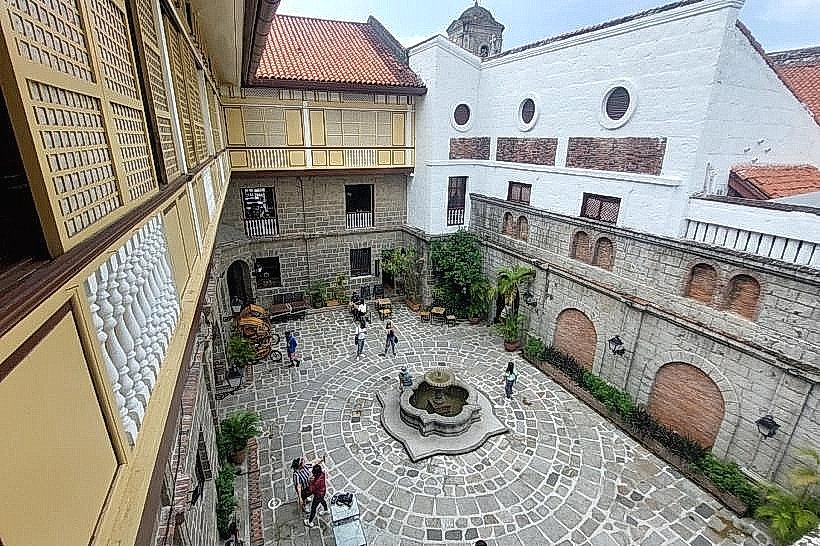
Bahay Nakpil-Bautista is a historic ancestral house located in the district of Quiapo, Manila. Built in 1914, it is a premier example of the Bahay na Bato architecture evolved into the Art Nouveau style.
Visual Characteristics
The house is a two-story structure featuring a ground floor of stone and an upper floor of wood. Its most distinctive visual feature is the extensive use of Viennese Secession (Art Nouveau) motifs in its woodwork and window lattices. The interior is defined by high ceilings, ventanillas (small windows under the main windows), and ornate floral carvings. The structure is integrated into the dense urban fabric of Quiapo, maintaining its original facade amidst modern commercial developments.
Location & Access Logistics
Address: 432 Ariston Bautista St (formerly Barbosa St), Quiapo, Manila.
Access: Located near the historic Quiapo Church and the Hidalgo street camera market.
Transport: Reachable via the LRT-1 (Carriedo Station) or LRT-2 (Recto Station) followed by a short walk. Numerous jeepneys passing through Quezon Boulevard stop within walking distance.
Entry: The house operates as a museum; a nominal entrance fee is required for maintenance.
Historical & Ecological Origin
The house was designed by Architect Arcadio Arellano. It was the residence of Dr. Ariston Bautista and his wife, Petrona Nakpil. Historically, the house is significant for its association with the Katipunan; Gregoria de Jesus, the "Lakambini of the Katipunan" and widow of Andres Bonifacio, lived here after marrying Julio Nakpil. The house served as a center for the Filipino intelligentsia and revolutionaries during the early 20th century.
Key Highlights & Activities
Architecture Exhibit: The house itself is the primary exhibit, showcasing the transition from Spanish colonial to early American era design.
Katipunan Memorabilia: Displays related to Gregoria de Jesus and Julio Nakpil, including musical compositions and historical documents.
Traditional "Zaguan": The ground floor entrance area, which historically housed carriages, now serves as a gallery space.
Viennese Secession Details: Close-up views of the unique geometric and floral wood carvings that are rare in Philippine ancestral homes.
Infrastructure & Amenities
The museum is managed by the Bahay Nakpil-Bautista Foundation. It offers guided tours (often requiring prior arrangement). Public restrooms are available for visitors. Due to its location in a busy district, parking is extremely limited; public transport is advised. 5G cellular coverage is excellent.
Best Time to Visit
The museum is typically open Tuesday, Thursday, and Saturday, from 09:00 to 16:00. Arriving in the morning allows visitors to explore the house before the Quiapo district reaches its peak congestion in the afternoon.
Facts & Legends
The house is often referred to as "The House of the Heroes" due to the prominent revolutionary figures who resided there. It is one of the few remaining ancestral houses in Quiapo that survived the rapid urbanization and fires that destroyed much of the district's historical heritage.
Nearby Landmarks
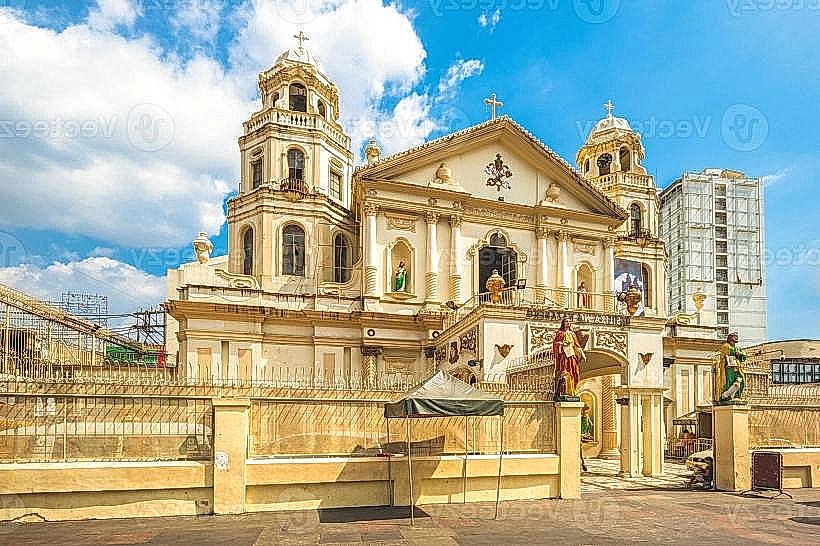
Quiapo Church: 0.3 km West
Golden Mosque: 0.5 km East
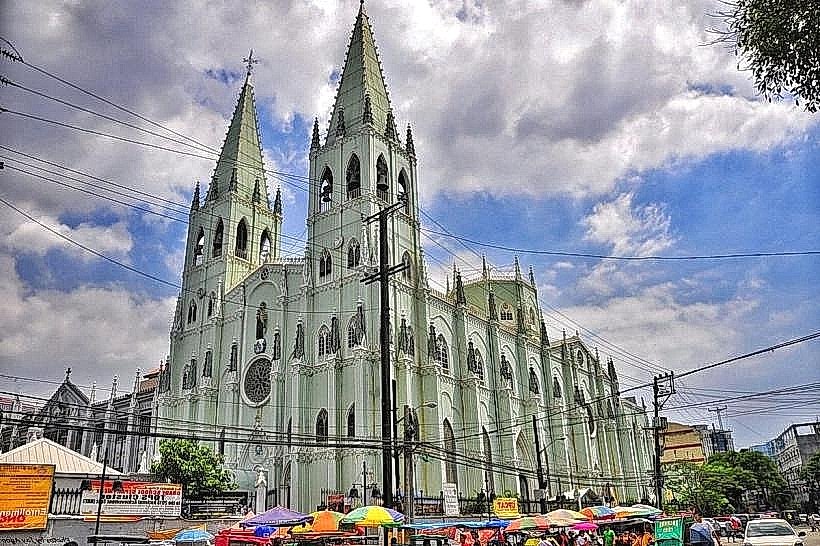
San Sebastian Church: 0.6 km East
Escolta Street: 0.8 km Southwest