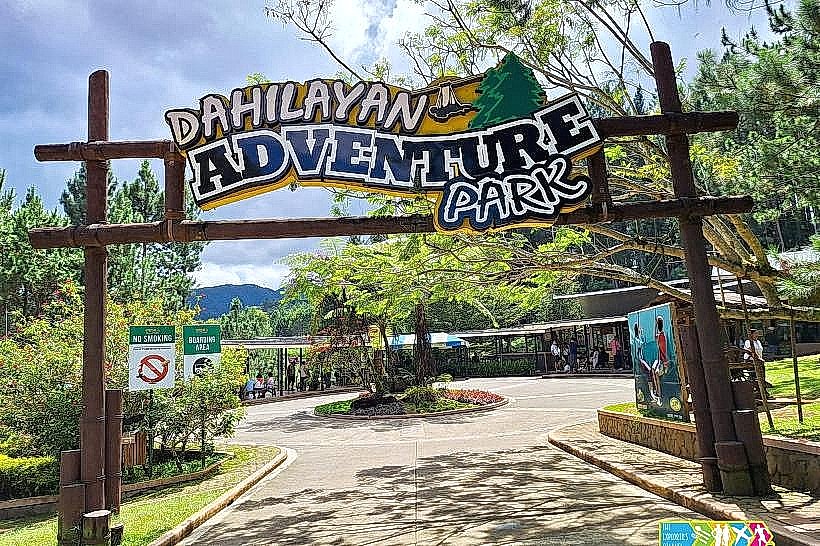
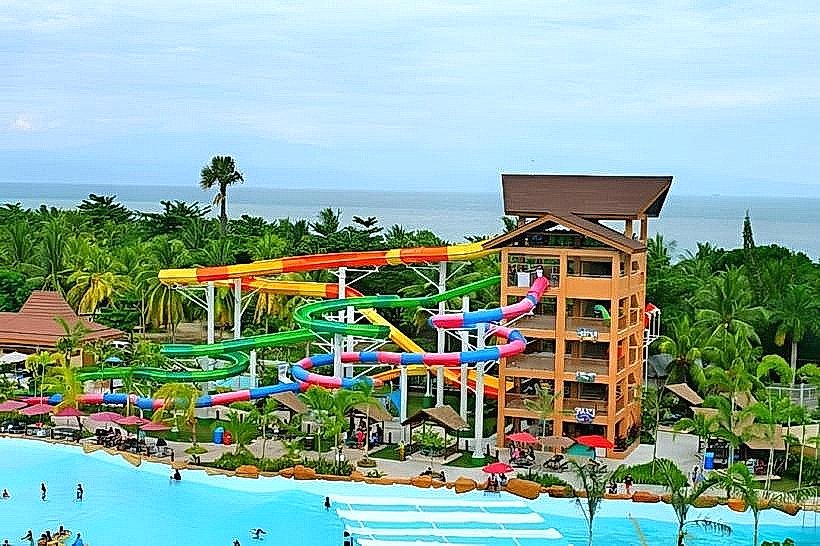
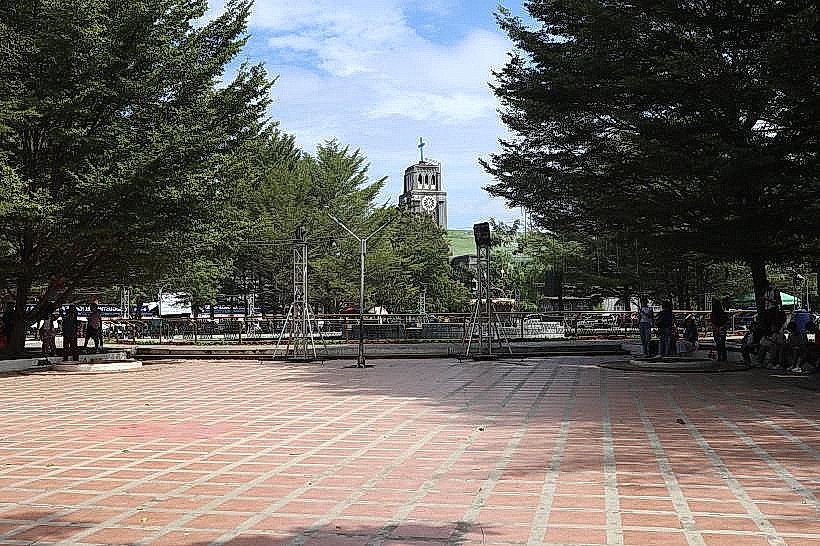
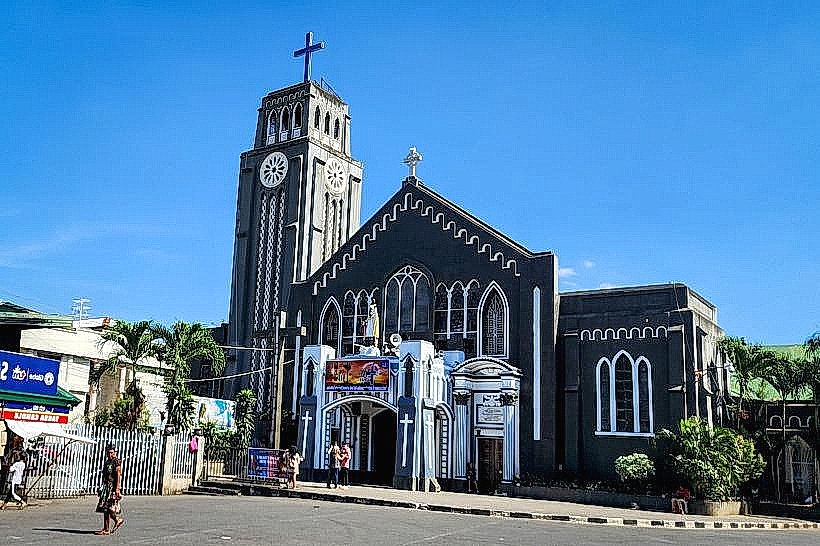
Information
Country: PhilippinesContinent: Asia
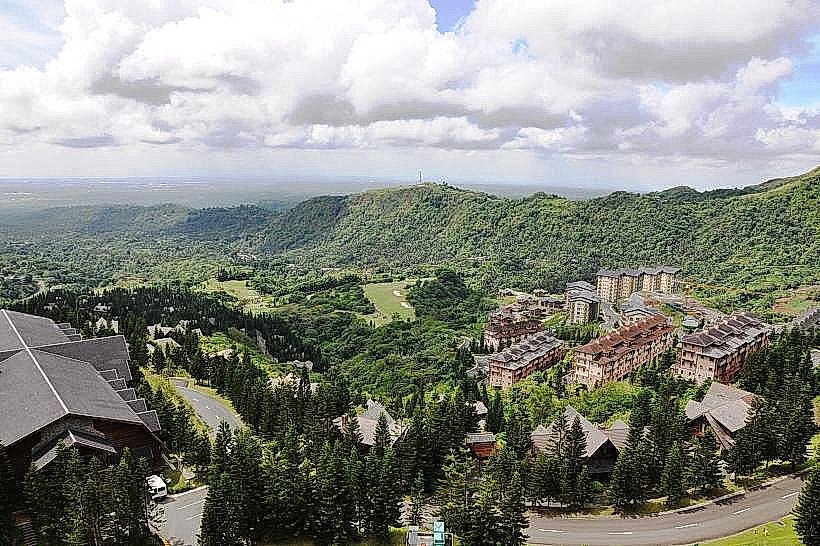
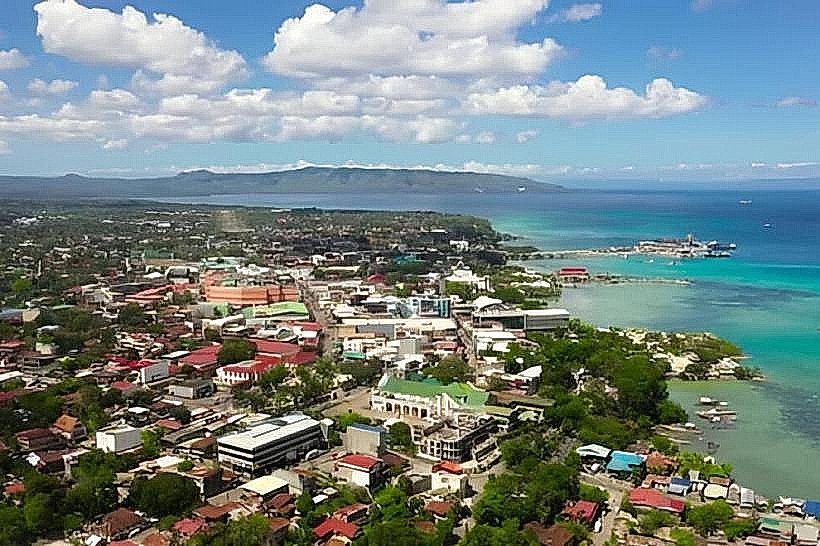
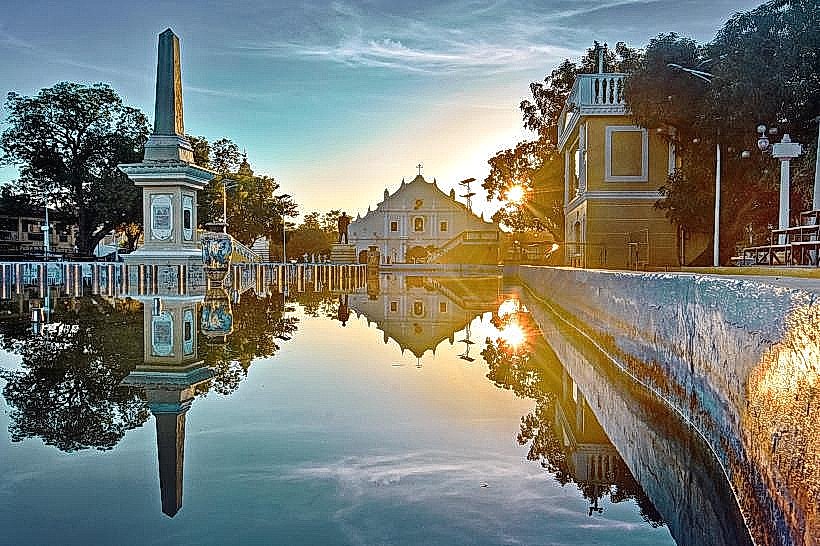
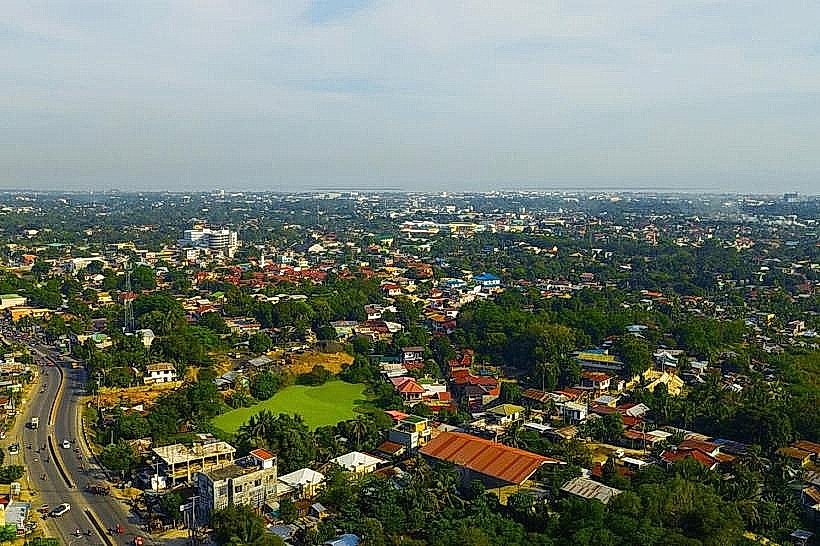
Philippines, Asia
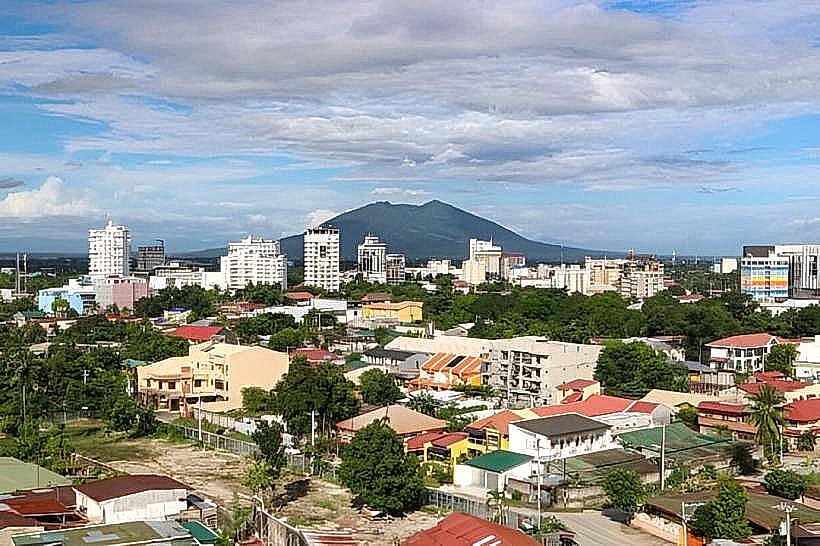
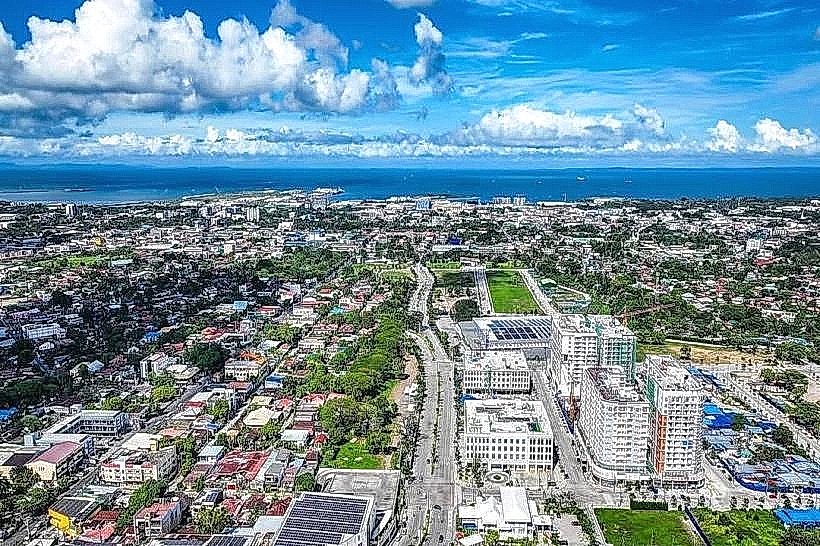
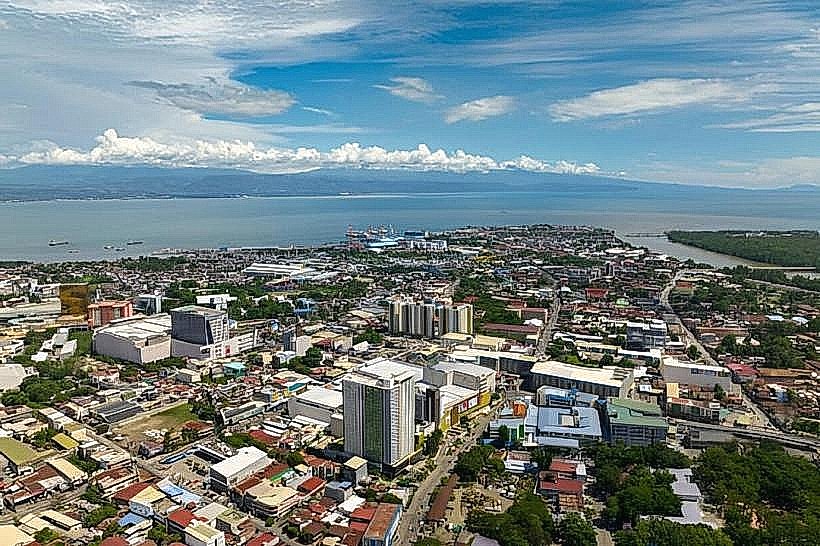
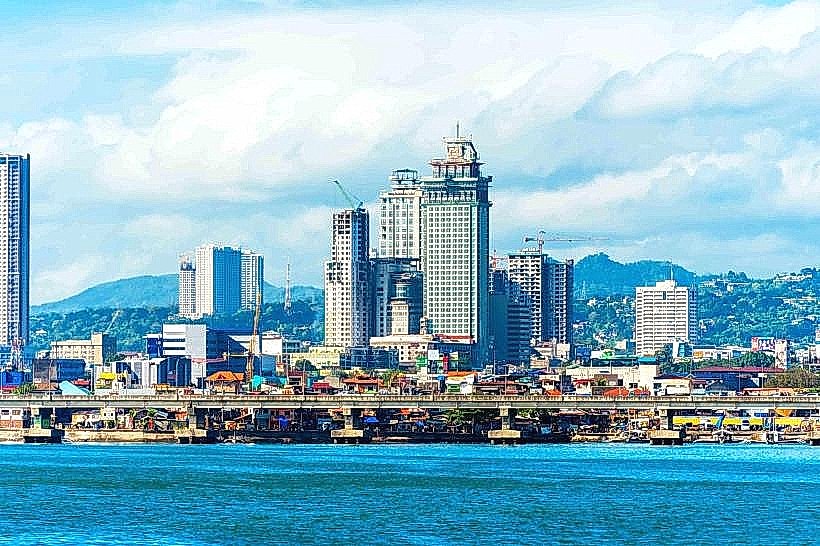
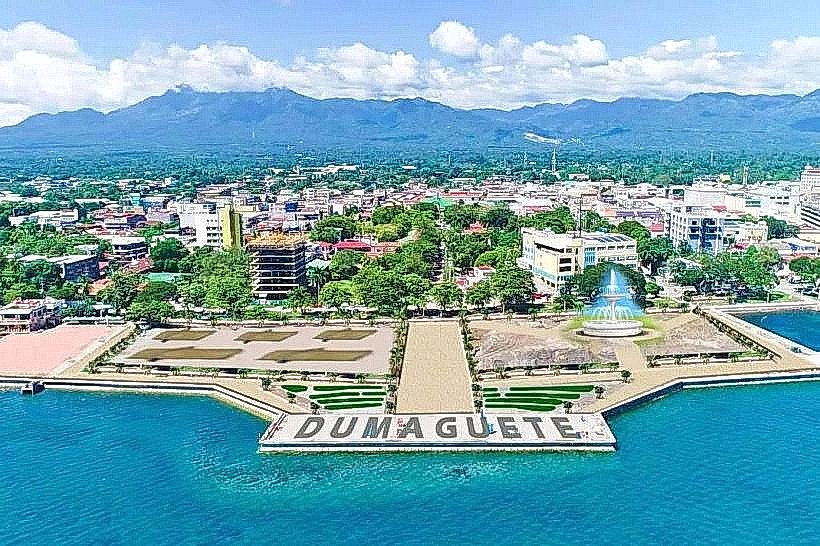
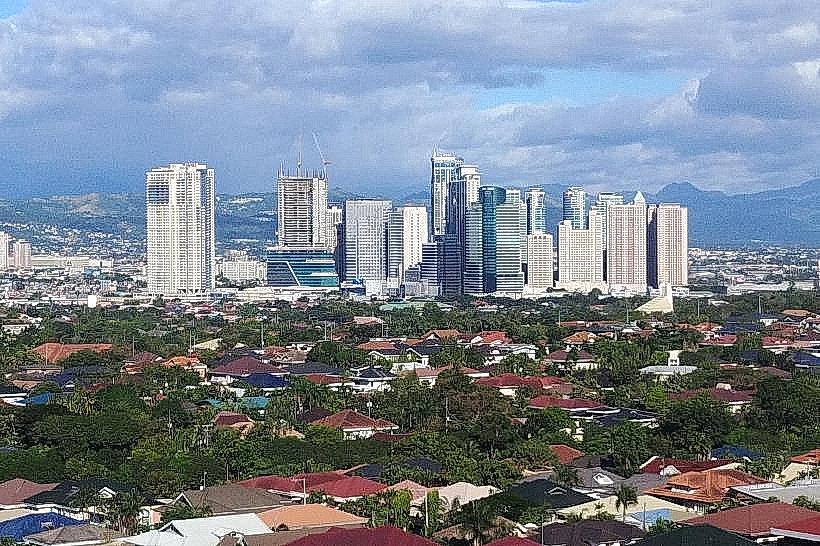
The Philippines is an archipelagic sovereign state in Southeast Asia consisting of 7,641 islands. Its economy is among the fastest-growing in the region, driven by semiconductors, business process outsourcing (BPO), and a robust service sector; the capital is Manila, while Cebu City and Davao City are the major regional economic hubs.
Visa & Entry Policy
As of January 18, 2026, the Philippines continues its visa-free policy for most Western nations:
Visa-Free: Citizens of the US, UK, and all EU member states are exempt from visas for tourism or business stays of up to 30 days.
eTravel Portal: All travelers must register via the eTravel online portal within 72 hours of arrival. This replaces paper arrival and customs cards. Registration is free; a QR code is generated for immigration clearance.
Extensions: Tourists can apply for an extension of stay at the Bureau of Immigration (BI) for up to 59 days, and further extensions are possible for up to two years.
Requirements: A passport valid for at least six months beyond the period of stay and proof of onward or return travel.
Language & Communication
Filipino (based on Tagalog) and English are the official languages.
English: The primary medium of instruction, law, and business. The Philippines is one of the world's largest English-speaking nations by population, making it highly accessible for Western travelers.
Regional Dialects: Over 170 languages are spoken, including Cebuano (widely spoken in the Visayas and Mindanao) and Ilocano (Northern Luzon).
Currency & Payment Systems
The official currency is the Philippine Peso (PHP).
Digital Transformation: As of 2026, the share of digital payments in retail transactions has reached 56%.
E-Wallets: GCash and Maya are the de facto standard for daily transactions, widely accepted by street vendors, "sari-sari" stores, and major retailers.
InstaPay & PESONet: These real-time electronic fund transfer services are integrated into almost all local banking apps for instant P2P and P2M payments.
Cash: Still essential in remote islands and for traditional transport like tricycles and jeepneys.
National Transport Grid
"Build Better More" (2026): Significant infrastructure projects are hitting milestones this year:
Davao City Bypass Road: Contract Package II-1, featuring the country's first long-distance mountain road tunnel, is targeted for completion in Q1 2026.
Bataan-Cavite Interlink Bridge: Marine works for this 32km bridge system-destined to be one of the world's longest-are scheduled to begin in February 2026.
Metro Manila Subway: Tunneling operations are active in 2026 to link the business districts of Valenzuela and Pasay.
Aviation: Ninoy Aquino International Airport (MNL) remains the primary hub, though international traffic is increasingly diverted to Clark (CRK) and Mactan-Cebu (CEB).
Nautical Highway: A system of Ro-Ro (Roll-on/Roll-off) ferries remains critical for inter-island logistics.
Digital Infrastructure
5G Standalone (SA): 5G is ubiquitous in Metro Manila, Metro Cebu, and Metro Davao. In 2026, service providers are focusing on "5G-Advanced" for industrial zones.
Connectivity: Fixed broadband penetration is projected to reach 35% of households by the end of 2026, supported by the Philippine Digital Infrastructure Project.
Satellite Internet: Starlink is widely used for high-speed access in remote surf and dive resorts where fiber-optic cables have not yet reached.
Climate & Seasonality
Dry Season (Nov–Apr): Best time for travel. March and April are the "hot dry" months with temperatures often exceeding $34°C$.
Wet Season (May–Oct): Characterized by heavy rainfall and high humidity.
Typhoons: Peak typhoon activity occurs between July and October. In 2026, travelers are advised to monitor PAGASA advisories, as late-season storms can occur into January.
Health & Safety
As of January 2026, international advisories suggest Exercise a High Degree of Caution.
Safety: Avoid all travel to the Sulu Archipelago and Central/Western Mindanao due to a high threat of terrorism and kidnapping.
Crime: Petty theft and "tanim-bala" (scams) have decreased with digital surveillance, but vigilance in crowded Metro Manila areas is required. Use ridesharing apps like Grab for safer transit.
Health: Dengue fever is a year-round risk. Tap water is generally not potable; stick to sealed bottled water or filtered sources.
Emergency: National Emergency Hotline 911.
Top 3 Major Regions & Cities
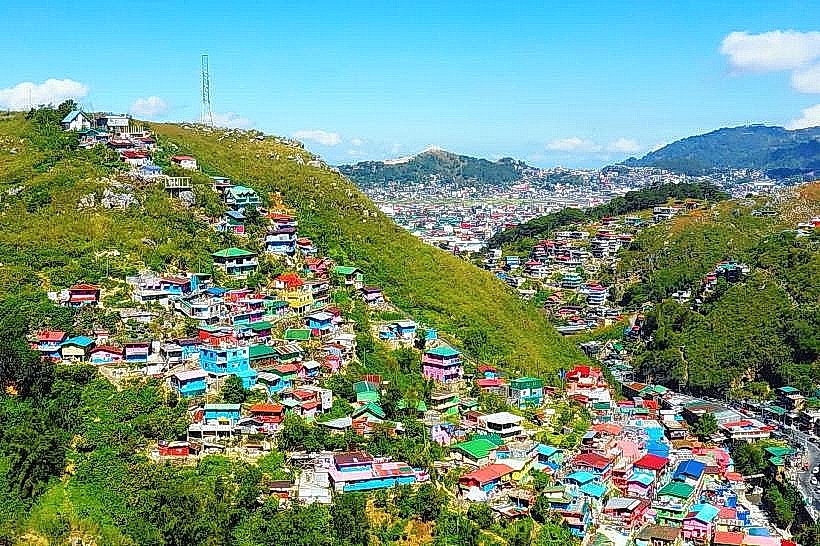
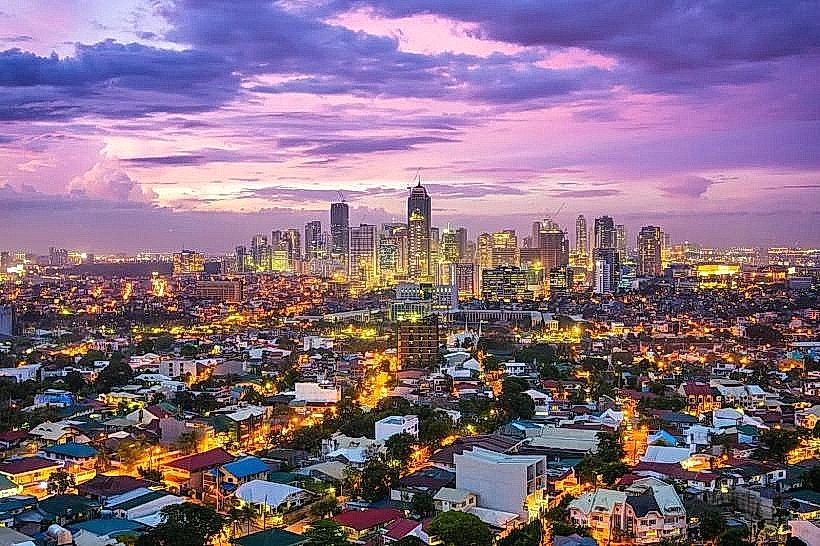
Luzon: Hub: Manila (Culture/Politics) and the Cordillera mountains (Banaue Rice Terraces).
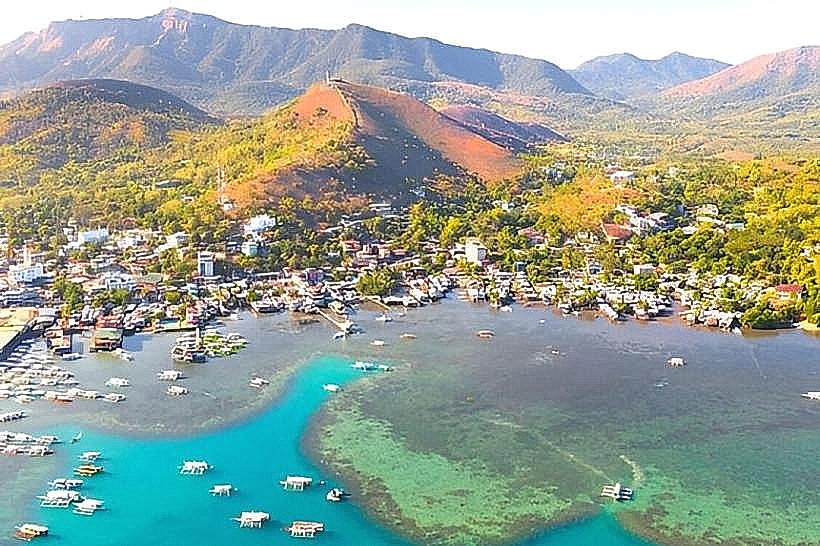
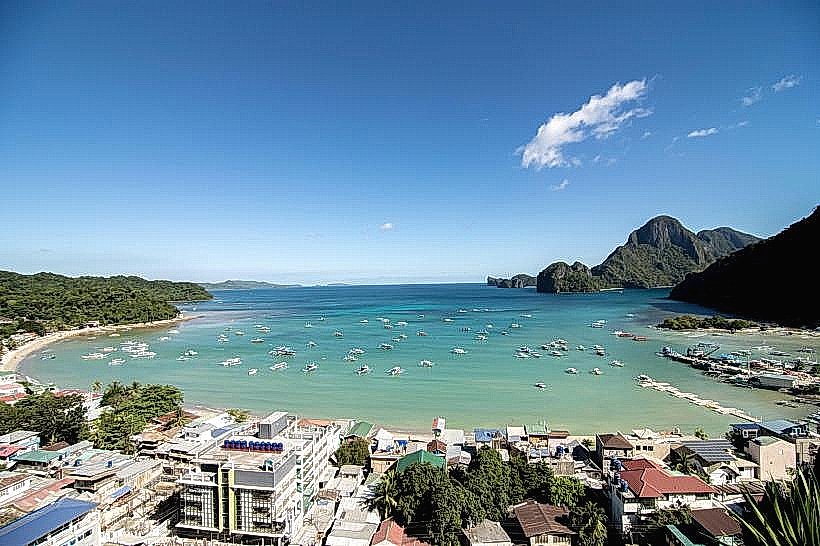
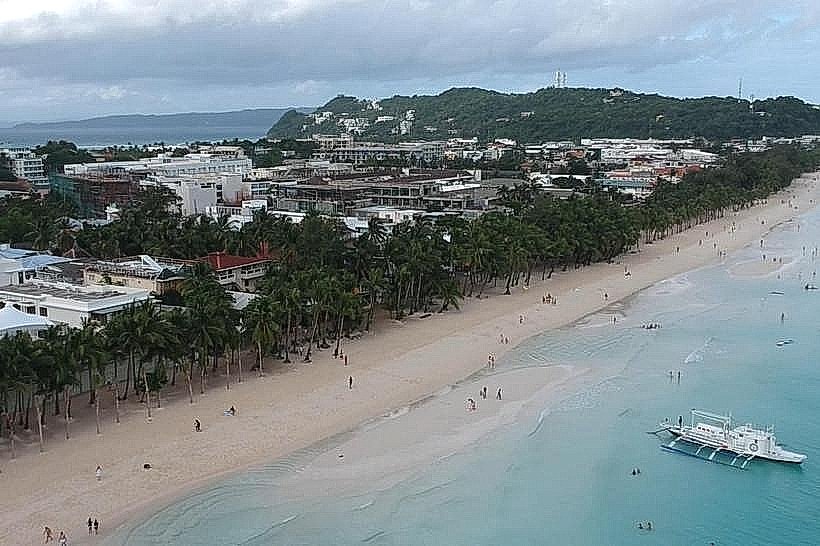
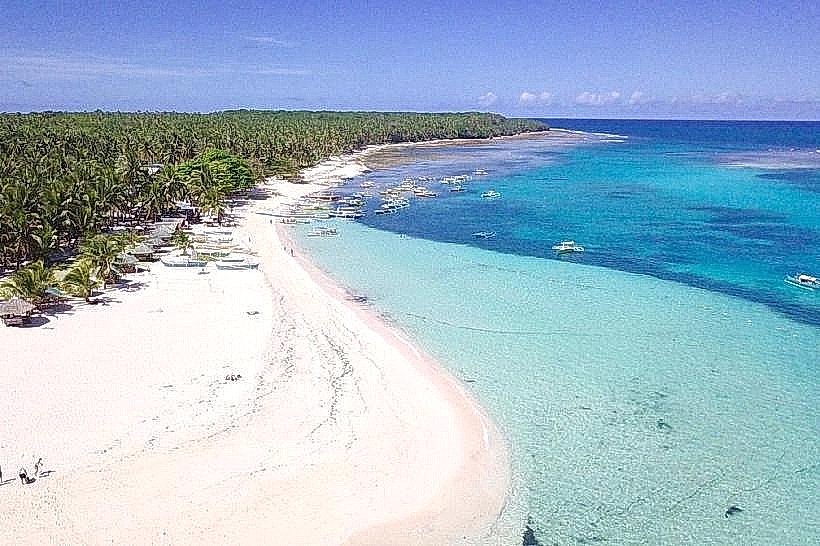
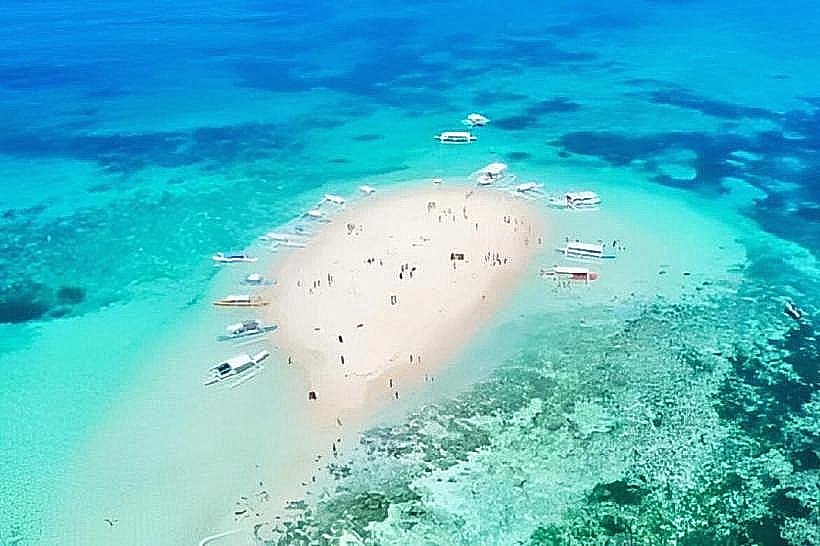
Visayas: Hub: Cebu City (Business/Beaches) and the islands of Boracay and Palawan (El Nido/Coron).
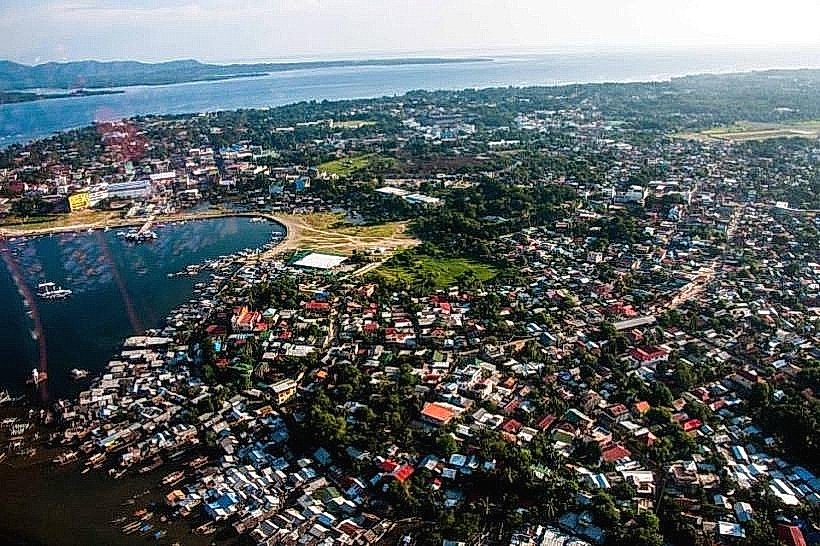
Mindanao: Hub: Davao City (Agriculture/Mount Apo) and Siargao (Surfing).
Local Cost Index
1L Water: 40 PHP ($0.70 USD)
1 Domestic Beer (0.5L): 70 PHP ($1.25 USD)
1 SIM Card (20GB Data): 1,000 PHP ($18.00 USD)
Facts & Legends
The Philippines is home to the Puerto Princesa Subterranean River, one of the "New 7 Wonders of Nature." Local folklore features the Aswang (shape-shifting monsters) and the Manananggal. Historically, it was a Spanish colony for over 300 years before becoming a US territory and eventually gaining independence in 1946. In 2026, the country continues to transition its energy grid toward renewables, specifically targeting geothermal and solar expansion in the Visayas.