Information
City: ViganCountry: Philippines
Continent: Asia
Vigan, Philippines, Asia
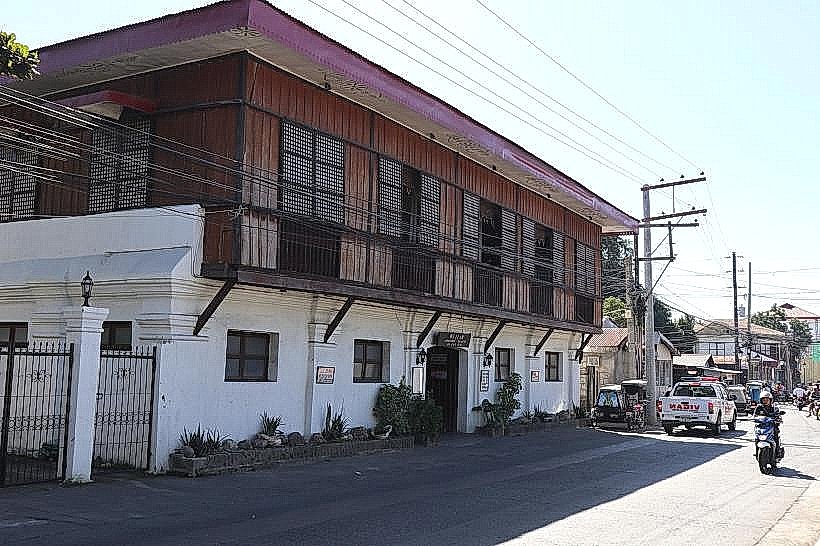
Vigan serves as the capital of Ilocos Sur and is the best-preserved example of a Spanish colonial planned town in Asia. It functions as a UNESCO World Heritage site and a regional center for Ilocano culture, characterized by its fusion of European, Chinese, and native Philippine architectural and social influences.
Historical Timeline
Established in 1572 by Juan de Salcedo, the city was originally named Villa Fernandina. It became a vital link in the Galleon Trade, specializing in the export of indigo, forest products, and Ilocano textiles (Abel). The primary event shaping its current urban form was its inclusion in the UNESCO World Heritage list in 1999, which catalyzed the preservation of its 18th-century grid system and "Bahay na Bato" structures. Unlike many Philippine cities, Vigan avoided destruction during WWII due to a negotiated Japanese retreat.
Demographics & Population
The population is approximately 54,500 (2024 estimate). The demographic is predominantly Ilocano, with a strong historic lineage of Chinese-Ilocano mestizos. The median age is approximately 28 years.
Urban Layout & Key Districts
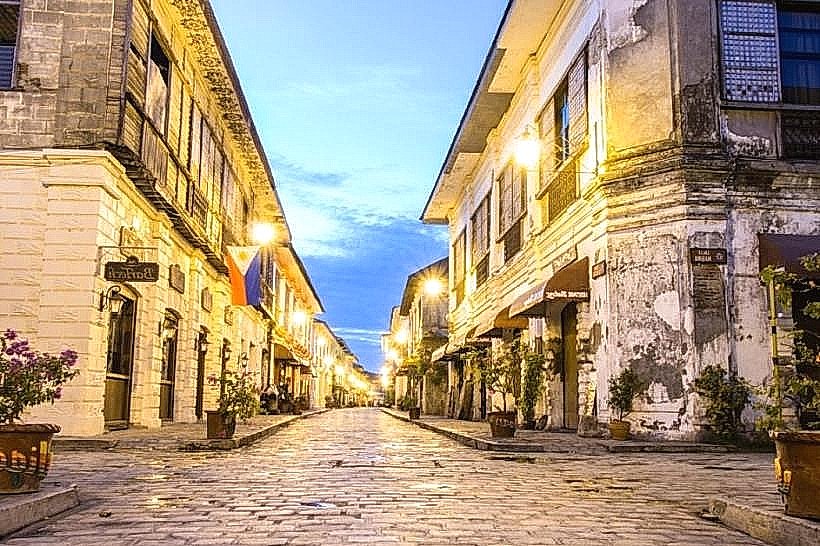
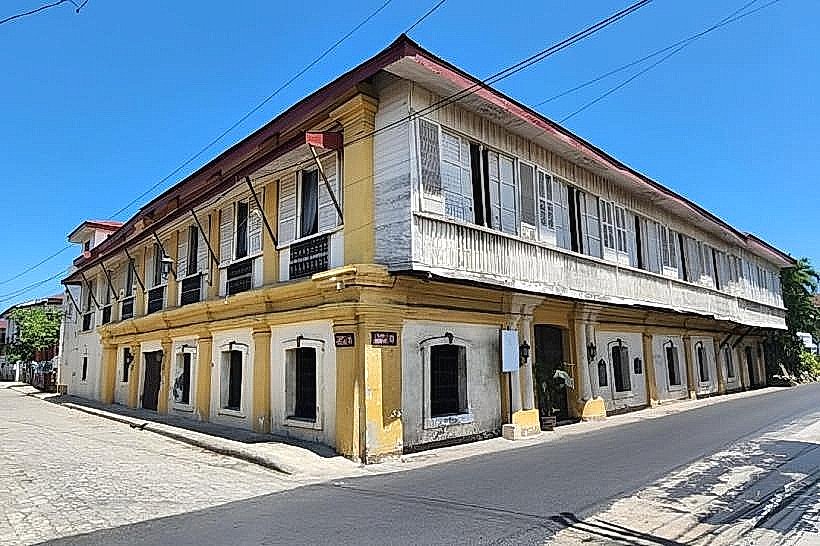
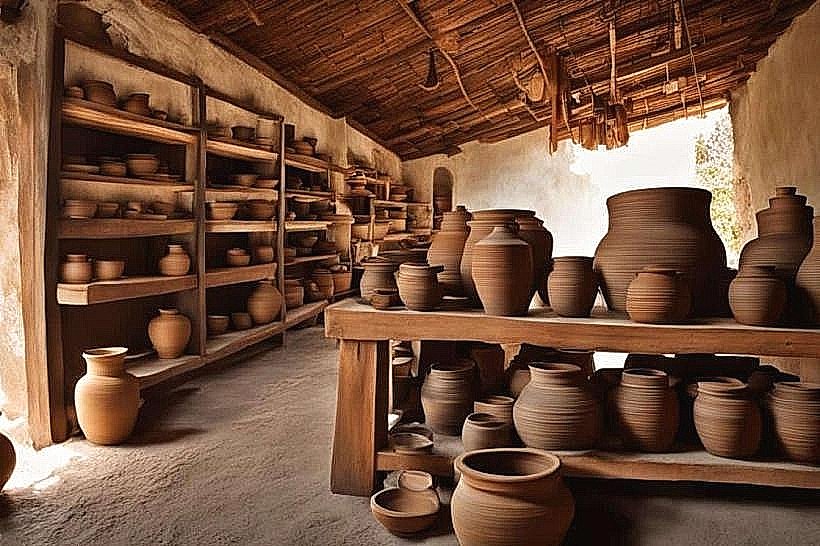
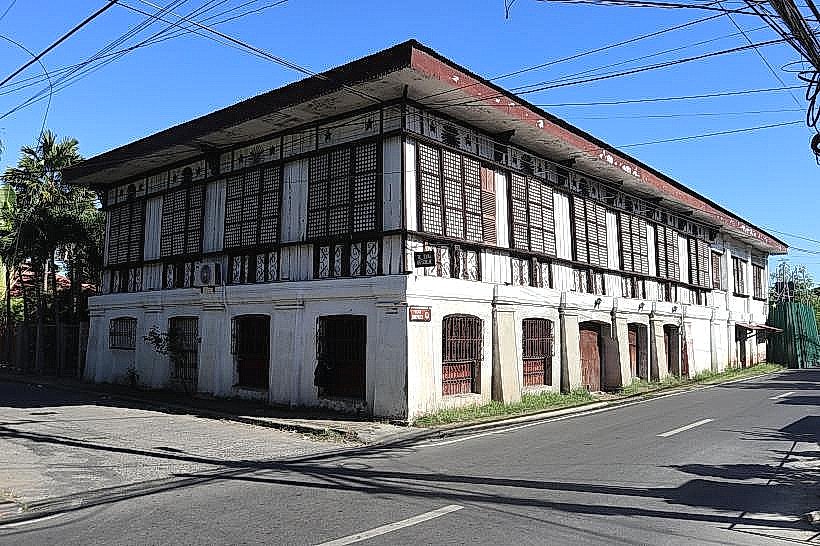
The city is famous for its rigid gridiron street pattern. Key districts include the Mestizo District (Calle Crisologo), the historic heart containing 233 ancestral houses; the Poblacion, the central administrative core around the dual plazas; and the Pagburnayan, the pottery district on the western outskirts.
Top City Landmarks
Calle Crisologo (Heritage street)
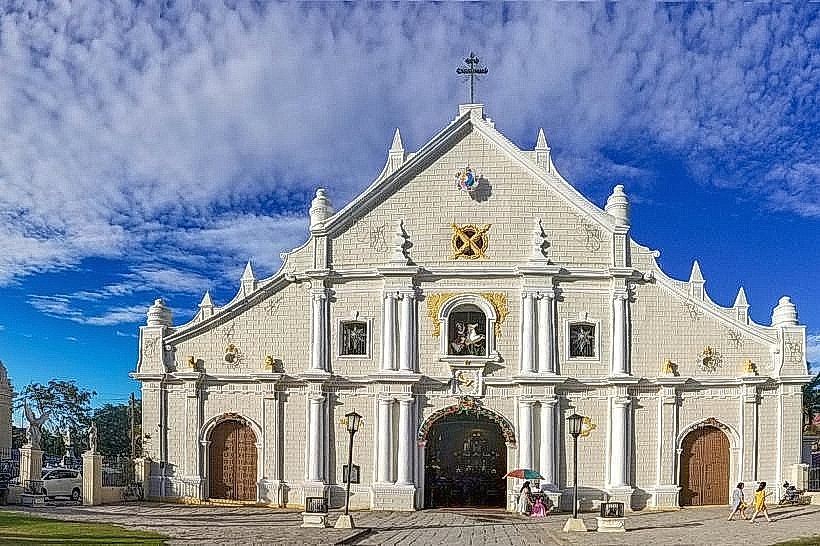
St. Paul’s Metropolitan Cathedral (Earthquake Baroque)
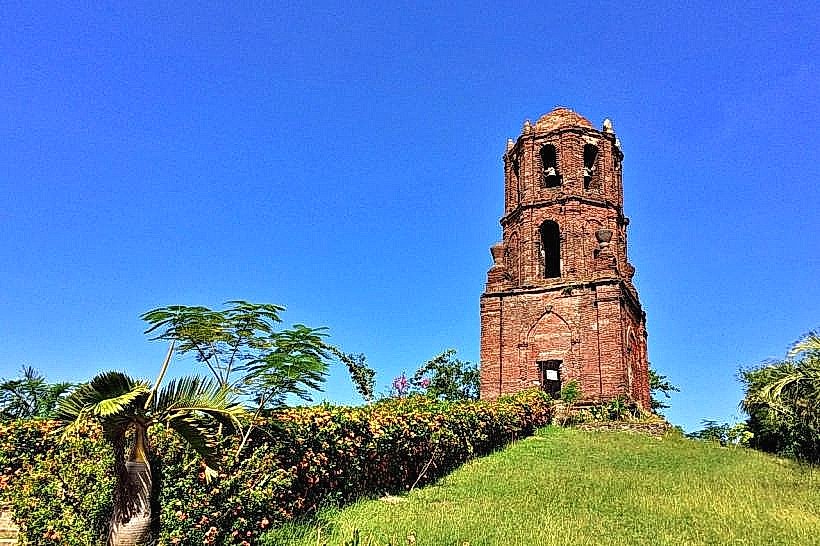
Bantay Bell Tower (Lookout tower on a hill)
Syquia Mansion (Museum of President Elpidio Quirino)
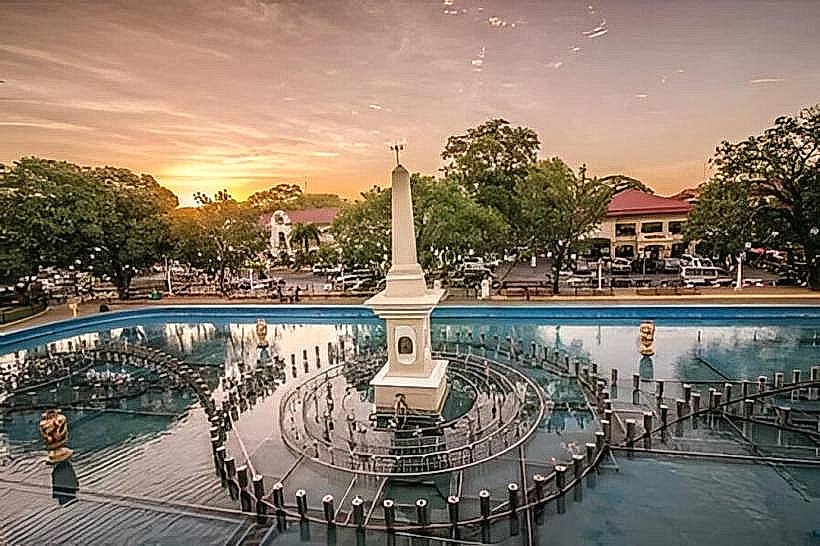
Plaza Salcedo (Dancing Fountain show)
Transportation Network
Movement is facilitated by tricycles and calesas (horse-drawn carriages). Calesas are the only public transport permitted on the cobblestones of Calle Crisologo. Long-haul buses (Partas, Viron, Dominion) connect Vigan to Manila (8–10 hours) and Laoag. There is no rail service. The nearest major airport is Laoag International Airport (LAO), 80 km north. Traffic is minimal but restricted in heritage zones.
Safety & "Red Zones"
The safety level is very high; Vigan is considered one of the safest urban centers in Luzon. There are no "red zones." Minor vigilance is required at the Public Market for pickpockets. Visitors should be aware that some historic structures are still undergoing structural reinforcement following the 2022 Luzon earthquake.
Digital & Financial Infrastructure
Average internet speed is 20–40 Mbps. Main carriers are Globe and Smart. Card acceptance is limited to larger hotels and established restaurants like Cafe Leona; cash is mandatory for calesa rides, street food, and the market. ATMs are concentrated around Plaza Burgos and the city hall.
Climate & Air Quality
Temperatures range from 21°C to 32°C. The city is notably hot and humid during the dry season (March–May). Air quality is generally high, though the narrow streets of the Mestizo District can trap heat. The region is highly prone to seismic activity.
Culture & Social Norms
Tipping of 10% is standard. The culture is defined by "Ilocano Frugality" and craftsmanship. Dress code is casual, but modest attire is required for the Cathedral. It is socially appropriate to ask permission before entering the courtyards of private ancestral homes. Public smoking is strictly prohibited in the heritage district.
Accommodation Zones
Stay in the Mestizo District (Poblacion) for heritage hotels and immediate access to Calle Crisologo.
Stay in the Bantay Area (adjacent) for quieter, more modern lodgings at a lower cost.
Local Cost Index
1 Espresso: 140–180 PHP ($2.45 – $3.15 USD)
1 Standard Lunch (Vigan Empanada/Bagnet): 150–250 PHP ($2.60 – $4.40 USD)
1 Calesa Ride (Tour): 150–200 PHP per hour ($2.60 – $3.50 USD)
Nearby Day Trips
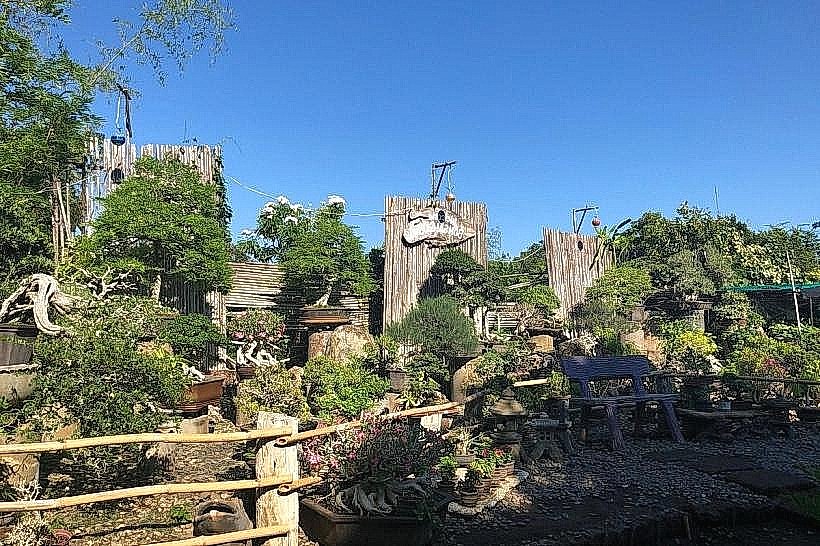
Hidden Garden: 3 km (10 minutes)
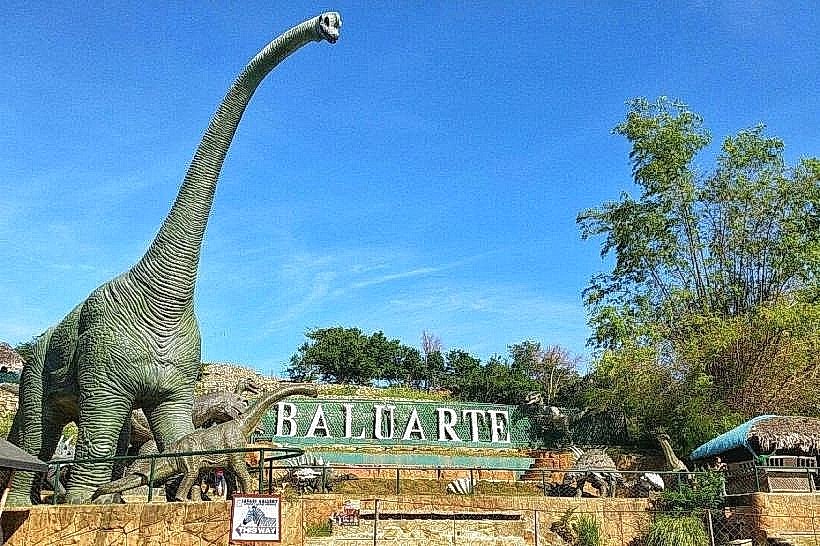
Baluarte Resort and Mini Zoo: 4 km (15 minutes)
Juan Luna Shrine (Badoc): 40 km (1 hour)
Paoay Church (UNESCO site): 70 km (1.5 hours)
Facts & Legends
Vigan is the birthplace of Fr. José Burgos, one of the three martyred priests (Gomburza) who sparked the Philippine Revolution. Local legend claims the city was saved from WWII fires because a Japanese commander fell in love with a local woman and promised to protect the town, while a verified historical fact is that the city’s bell tower was built separately from the cathedral specifically to prevent it from falling on the main structure during earthquakes.