Information
City: MalayCountry: Philippines
Continent: Asia
Malay, Philippines, Asia
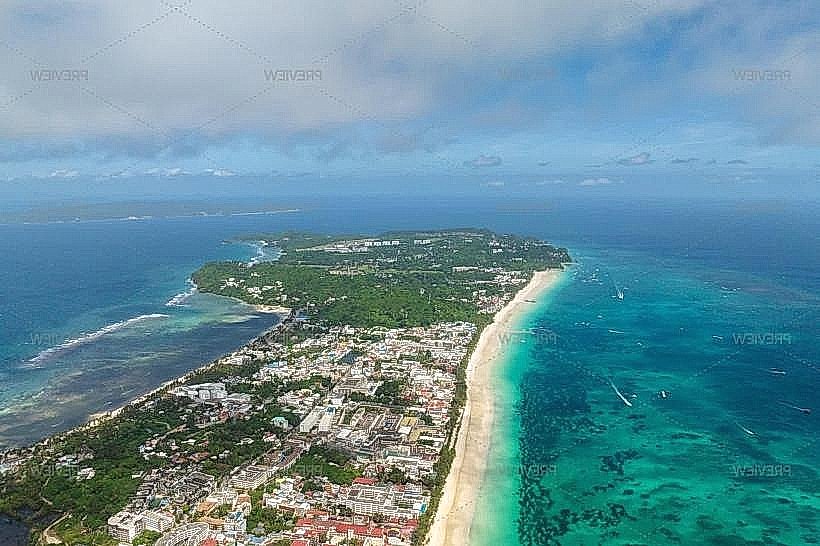
Malay serves as the primary tourism gateway of the Aklan province and the administrative home of Boracay Island. It functions as a critical maritime and aviation hub, characterized by its dual identity as a quiet mainland agricultural municipality and a high-density international resort destination.
Historical Timeline
The municipality was officially created in 1949, separating from the town of Buruanga. The primary event shaping its current urban form was the 2018 Boracay Rehabilitation, a six-month total closure ordered by the national government to overhaul the island's sewage and drainage systems. This led to a strict implementation of building setbacks and a shift toward sustainable "carrying capacity" tourism.
Demographics & Population
The population is approximately 60,000 (2024 estimate). The demographic is predominantly Akeanon-speaking, supplemented by a massive seasonal workforce and an expatriate community. The median age is 24 years.
Urban Layout & Key Districts
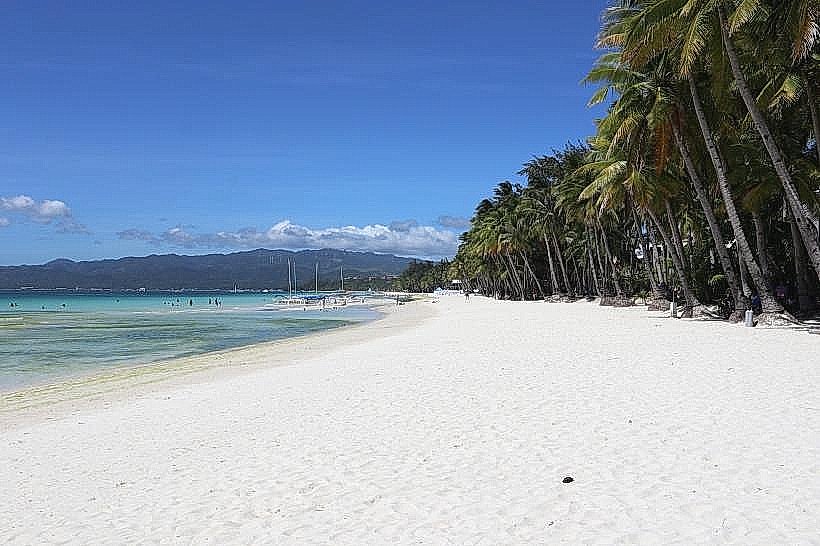
The municipality is split into two distinct zones. Malay Mainland houses the administrative offices and the Caticlan transport hubs. Boracay Island is divided into three barangays: Yapak (North/Upscale), Balabag (Center/Commercial), and Manoc-Manoc (South/Transport). The island's famous White Beach is traditionally referenced by its boat access points: Station 1 (High-end), Station 2 (Social core), and Station 3 (Budget/Quiet).
Top City Landmarks
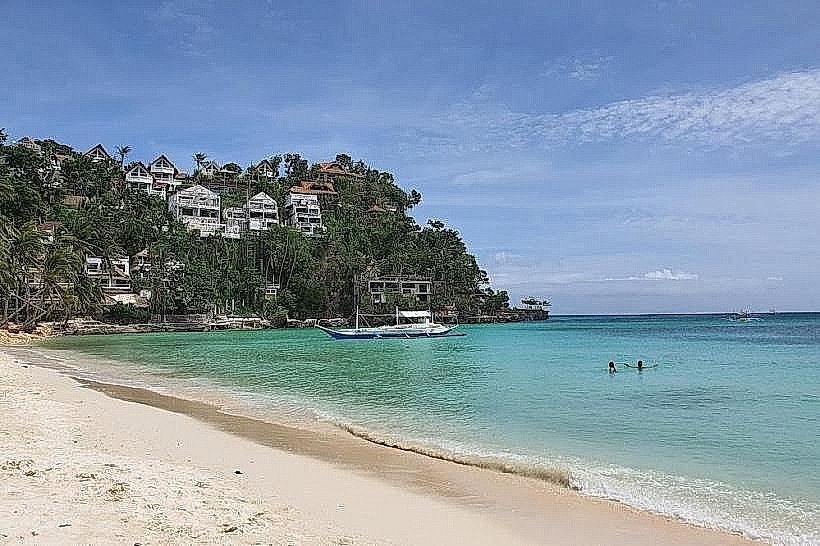
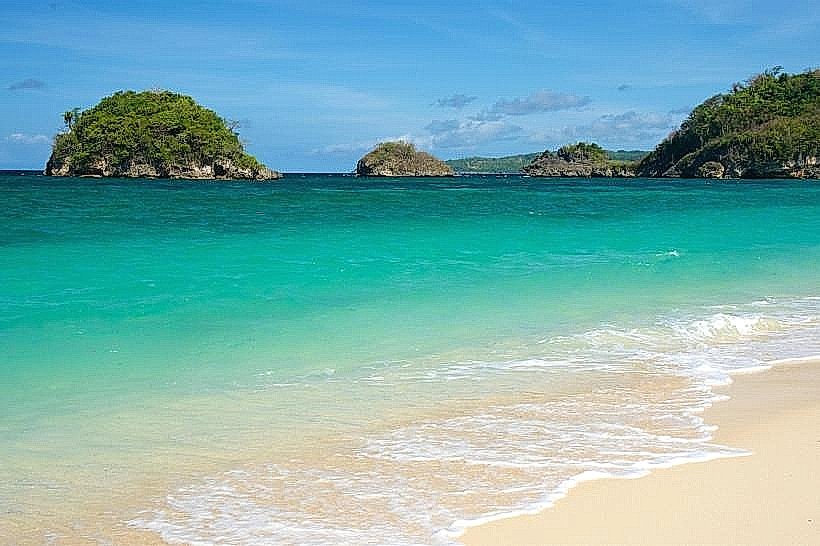
White Beach (Boracay)
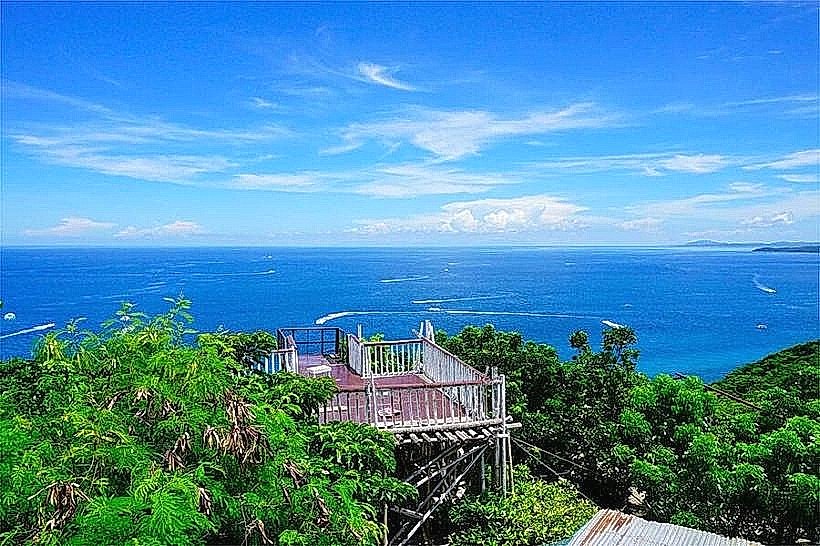
Mount Luho (Highest point on the island)
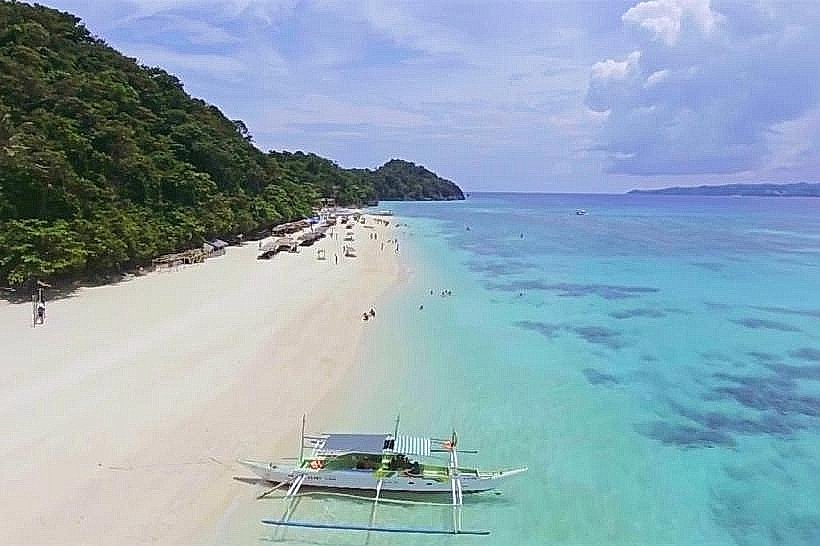
Bulabog Beach (Kitesurfing hub)
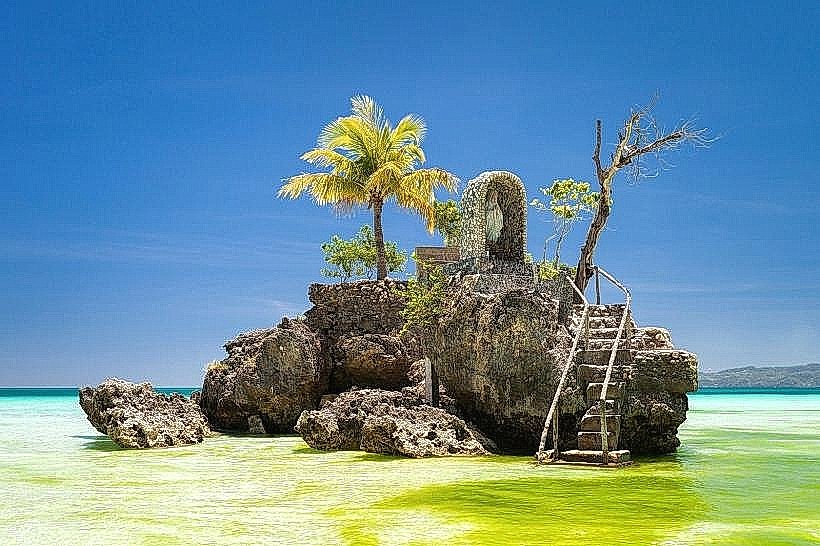
Willy’s Rock
Transportation Network
Movement is facilitated by e-trikes (electric tricycles), which replaced traditional gasoline units on the island. There is no rail transit. Air travel is serviced by Godofredo P. Ramos Airport (MPH) in Caticlan for direct access, or Kalibo International Airport (KLO) for long-haul flights (requiring a 1.5-hour bus transfer). The Caticlan Jetty Port serves as the mandatory processing point for all island entries. Traffic density is high on the Boracay Main Road during peak afternoon hours.
Safety & "Red Zones"
The safety level is high. There are no "red zones." The primary risks are environmental: swimming is strictly prohibited at certain beaches during the Habagat (Southwest Monsoon) due to strong riptides. Visitors must present a valid hotel booking at the Caticlan Jetty Port to enter the island. Only use authorized e-trikes to avoid "unofficial" transport scams.
Digital & Financial Infrastructure
Average internet speed is 30–60 Mbps; 5G is available across most of Boracay. Main carriers are Globe and Smart. Card acceptance is universal in island hotels and major restaurants; GCash is the primary mobile wallet. ATMs are abundant in D'Mall (Station 2) and the Caticlan airport area, though they occasionally experience network lag during peak holidays.
Climate & Air Quality
Temperatures range from 25°C to 33°C. The region follows two seasons: Amihan (November–May), characterized by offshore winds and calm seas on White Beach, and Habagat (June–October), bringing wind and rain to the western side. Air quality is exceptional on the island following the 2018 ban on non-electric public transport.
Culture & Social Norms
Tipping of 10% is standard. The culture is a mix of Akeanon traditions and global "Island-Resort" norms. Smoking, drinking, and dining on the actual White Beach sand are strictly prohibited and subject to heavy fines. Dress code is beach-casual, but swimwear is discouraged in public markets and the mainland municipal hall.
Accommodation Zones
Stay in Station 1 for luxury, wider beachfronts, and privacy.
Stay in Station 2 for nightlife, proximity to D'Mall, and central access.
Stay in Bulabog for water sports and windsurfing-centric lodgings.
Local Cost Index
1 Espresso: 160 PHP ($2.80 USD)
1 Standard Lunch (Chori Burger/Seafood): 350–600 PHP ($6.15 – $10.50 USD)
1 E-trike Ride (Chartered): 100–150 PHP ($1.75 – $2.60 USD)
Nearby Day Trips
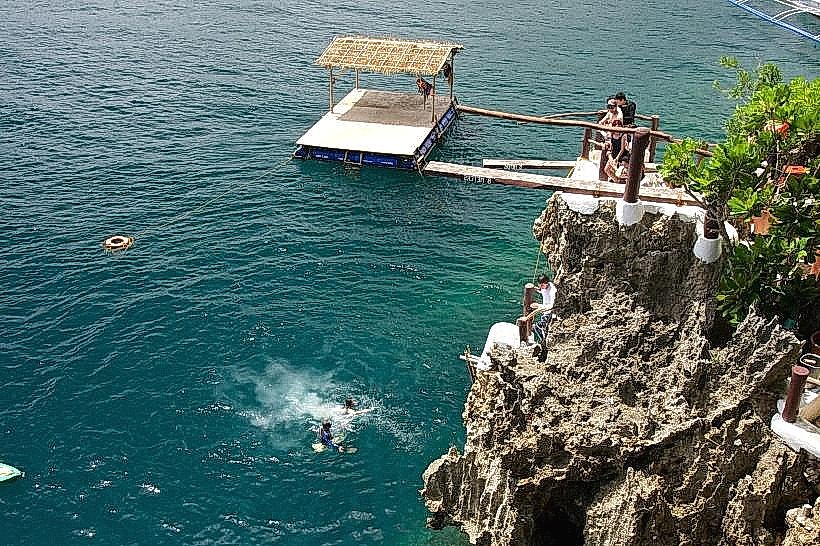
Ariel’s Point (Cliff diving): 30-minute boat ride
Motag Living Museum (Mainland): 5 km (15 minutes)
Hinugtan Beach (Buruanga): 15 km (45 minutes)
Nabaoy River: 10 km (20 minutes)
Facts & Legends
Boracay's sand is world-renowned because it does not retain heat even under the noon sun. Local legend tells of the "Lupa" or forest spirits that protect the island's caves, while a verified historical fact is that Malay is the first municipality in the Philippines to implement a comprehensive island-wide ban on single-use plastics in the hospitality sector.