Information
City: Zamboanga CityCountry: Philippines
Continent: Asia
Zamboanga City, Philippines, Asia
Zamboanga City serves as the "City of Flowers" and the flagship commercial and industrial hub of the Zamboanga Peninsula. It functions as an independent, highly urbanized city and a critical maritime gateway between the Philippine archipelago and the BIMP-EAGA (Brunei-Indonesia-Malaysia-Philippines East ASEAN Growth Area) sub-region.
Historical Timeline
The area was a center of Subanen and Sama-Bajau culture before the Spanish established Fort Pilar in 1635 as a military bastion against Moro pirates and European rivals. The primary event shaping its current urban form was its 1936 incorporation as a city, followed by the development of the Zamboanga City Special Economic Zone (Zamboecozone). Culturally, it is defined by its resistance to colonial linguistic shifts, maintaining Chavacano-the world’s only Spanish-based creole in Asia.
Demographics & Population
The population is approximately 977,000 (2024 estimate). The demographic is highly diverse, consisting of Chavacano speakers, Tausūg, Samal, Badjao, and Subanen peoples. It is the only city in the Philippines where a Spanish-based creole is the primary lingua franca. The median age is 24 years.
Urban Layout & Key Districts
The city is one of the largest in the world by land area. Key districts include the City Proper (Poblacion), the historic and administrative core; Canelar, the primary trading and "barter" hub; Baliwasan, the educational and transport node; and Ayala/Recodo, the center of the massive sardine-canning industry.
Top City Landmarks
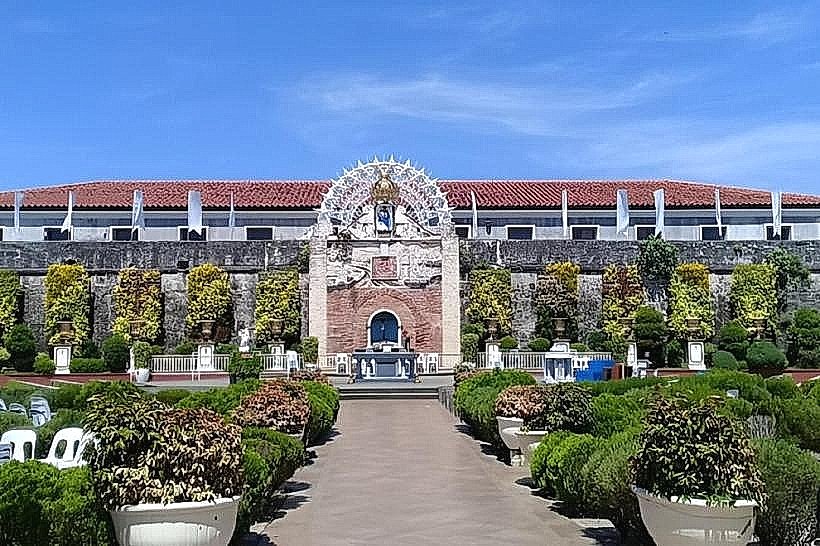
Fort Pilar Shrine and Museum
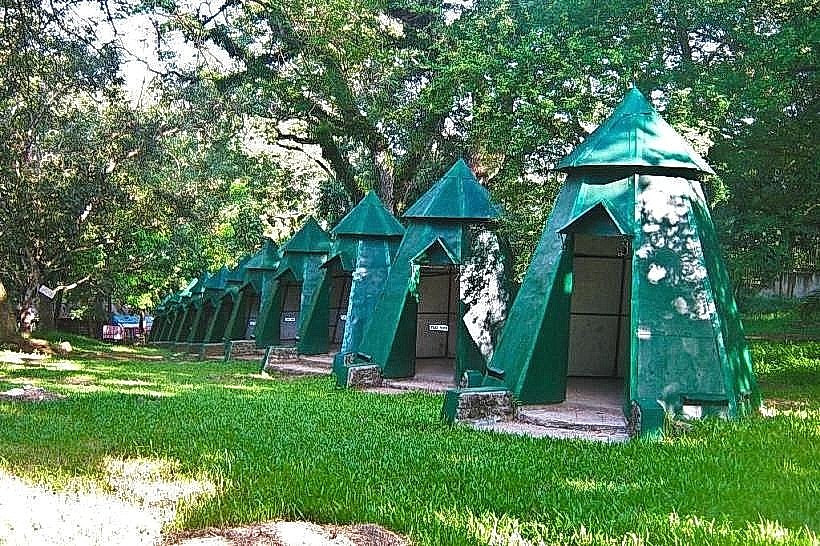
Pasonanca Park (Tree House and Butterfly Park)
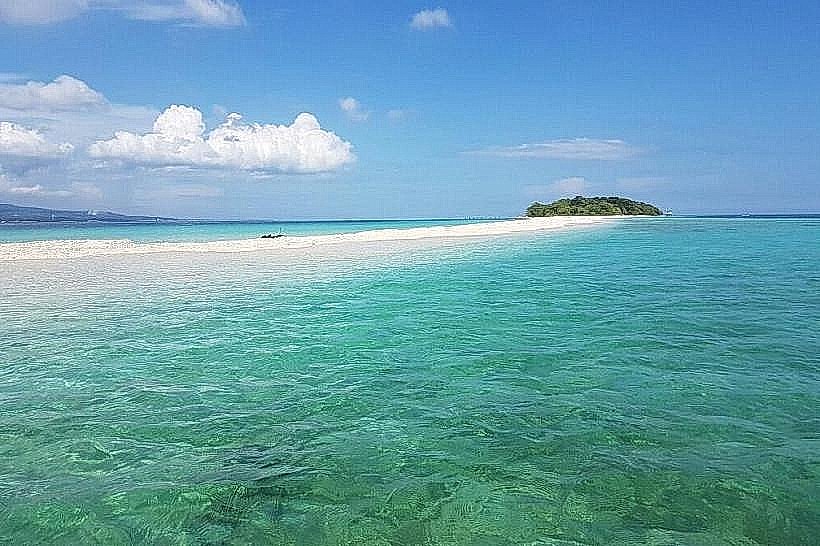
Santa Cruz Island (Pink Sand Beach)
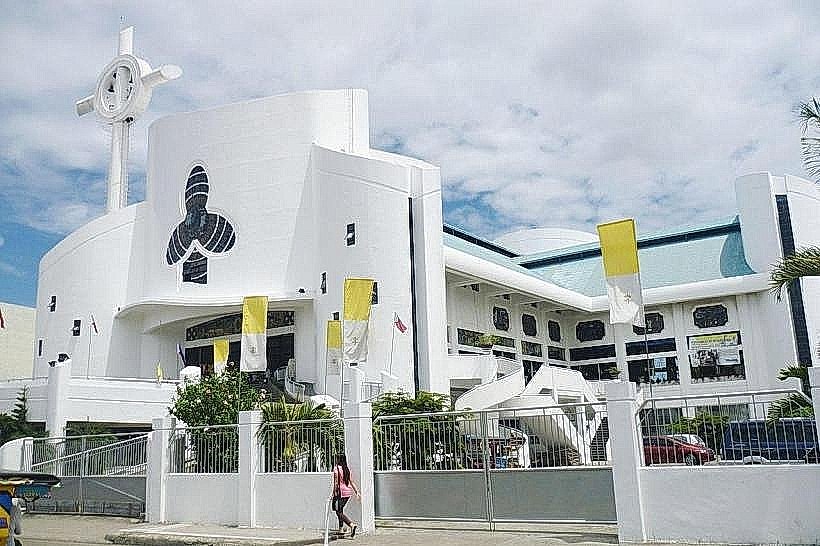
Metropolitan Cathedral of Immaculate Conception
Pettit Barracks
Transportation Network
Movement is facilitated by Jeepneys and tricycles. There is no rail transit. Public transit includes the distinctive "Zamboanga white" metered taxis. Air travel is serviced by Zamboanga International Airport (ZAM). The Port of Zamboanga is a major hub for inter-island ferries and international shipping. Traffic density is high in the downtown grid, particularly near the public market and Pershing Park.
Safety & "Red Zones"
Safety levels are monitored closely due to regional geopolitical sensitivities. The City Proper and primary tourist zones are heavily secured and generally safe. Avoid the remote mountainous interiors and the coastal outskirts of the far western and eastern barangays after dark. Visitors should remain aware of travel advisories from their respective embassies regarding the Sulu Archipelago, though the city itself maintains a separate security perimeter.
Digital & Financial Infrastructure
Average internet speed is 20–40 Mbps. Main carriers are Globe and Smart. Card acceptance is standard in malls (KCC Mall de Zamboanga, SM City Mindpro); cash or GCash is mandatory for the Barter Trade markets and tricycles. ATMs are abundant in the city center and along Governor Camins Avenue.
Climate & Air Quality
Temperatures range from 24°C to 33°C. The city is located outside the typhoon belt, providing stable weather year-round, though the "Intertropical Convergence Zone" brings frequent rain from June to November. Air quality is generally high due to its coastal position and the massive green belt of the Pasonanca watershed.
Culture & Social Norms
Tipping of 10% is standard. The Hermosa Festival in October is the premier cultural event. The social code is a blend of Hispanic-Catholic traditions and Islamic customs; modest dress and respectful conduct in religious sites (both churches and mosques) are mandatory. Public smoking is strictly prohibited in government and heritage zones.
Accommodation Zones
Stay in the City Proper for proximity to historical sites, the port, and traditional markets.
Stay near Governor Camins Avenue for access to the airport and modern shopping malls.
Local Cost Index
1 Espresso: 120 PHP ($2.10 USD)
1 Standard Lunch (Curacha/Knickerbocker): 250–500 PHP ($4.40 – $8.75 USD)
1 Tricycle Ride: 20–60 PHP ($0.35 – $1.05 USD)
Nearby Day Trips
Once Islas (Island hopping): 15 km (30 minutes to wharf)
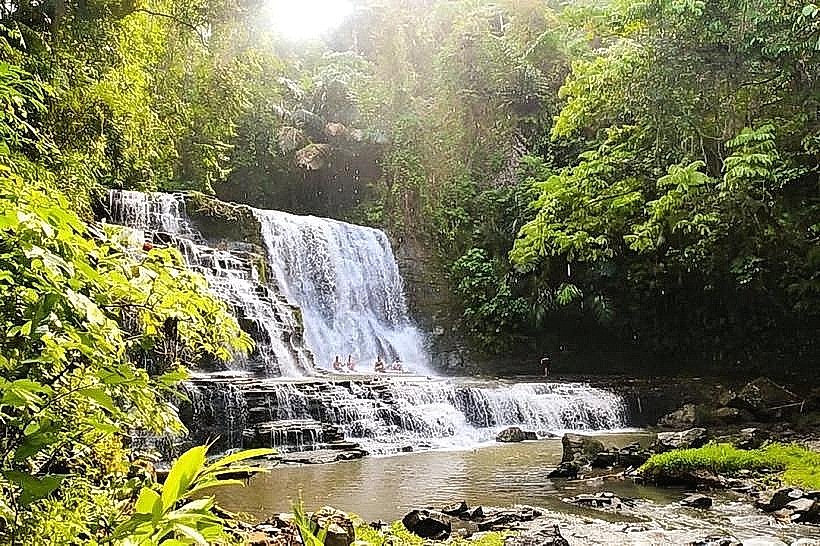
Merloquet Falls: 70 km (2 hours)
Yakan Weaving Village: 7 km (20 minutes)
Taluksangay Mosque: 12 km (30 minutes)
Facts & Legends
Zamboanga City is the "Sardines Capital of the Philippines," producing approximately 70% of the country's canned sardines. Local legend suggests the city’s name comes from the Bajau word Sambuang, referring to the pole used to paddle outrigger boats, while a verified historical fact is that Zamboanga was a sovereign republic (The Republic of Zamboanga) for a short period in 1899 following the collapse of Spanish rule.