Information
City: CoronCountry: Philippines
Continent: Asia
Coron, Philippines, Asia
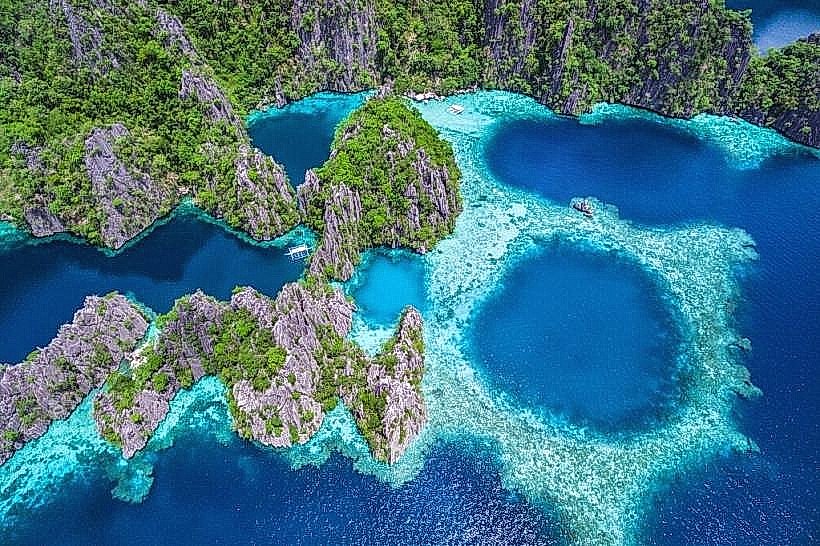
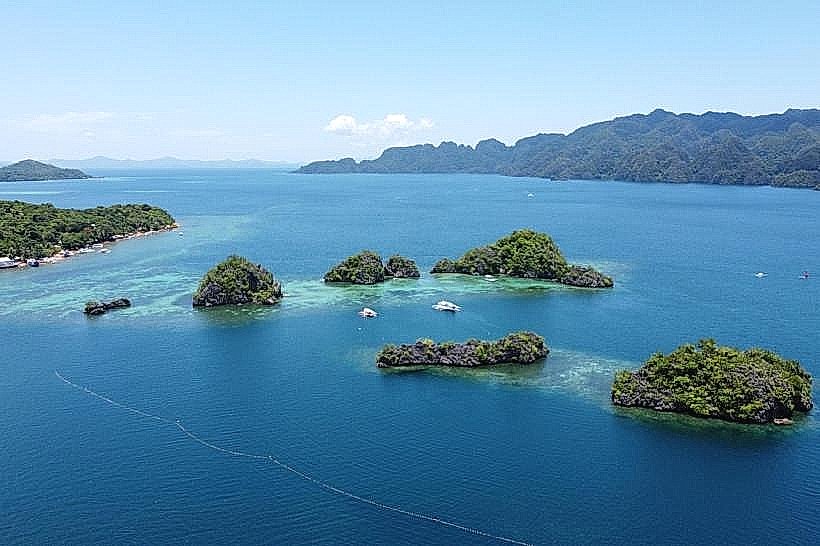
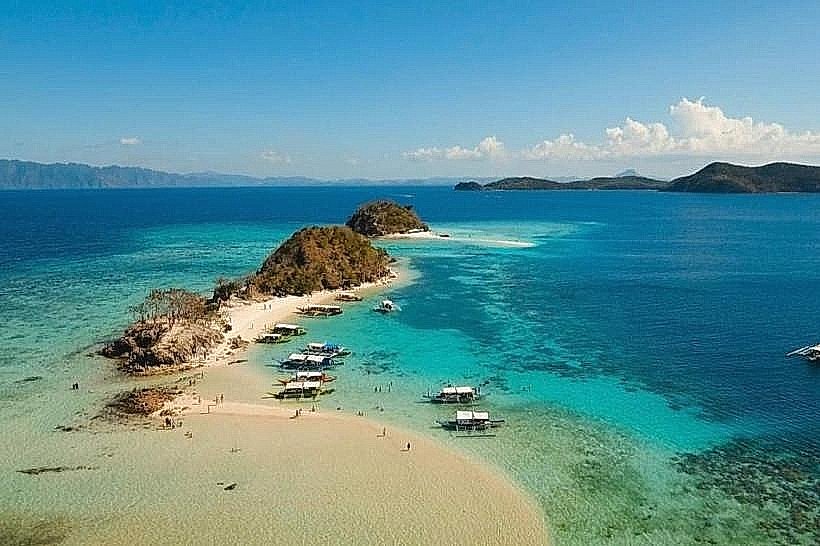
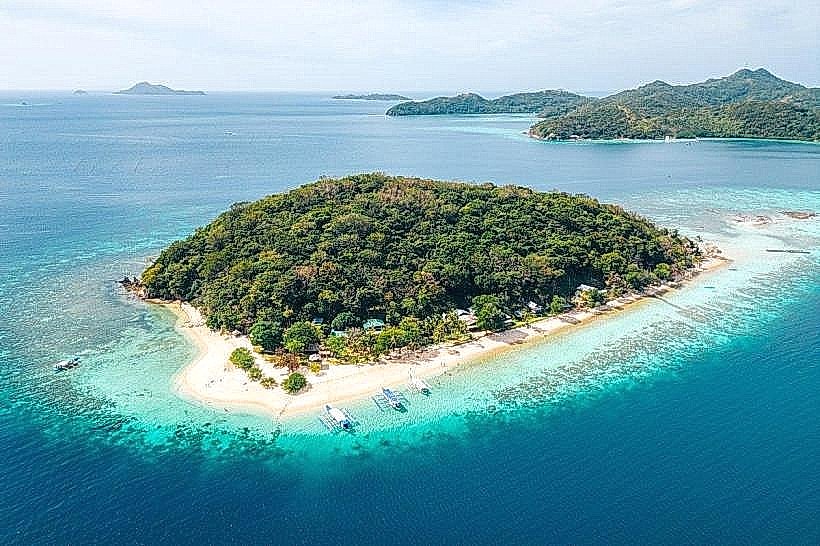
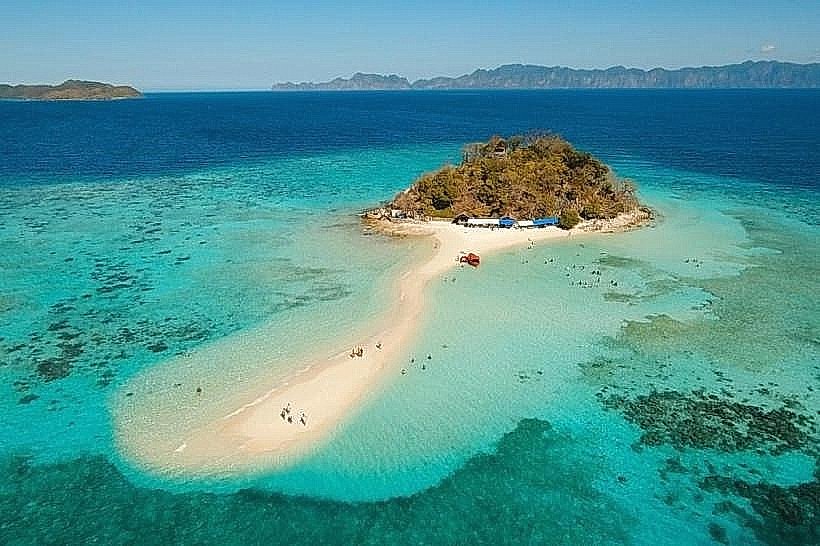
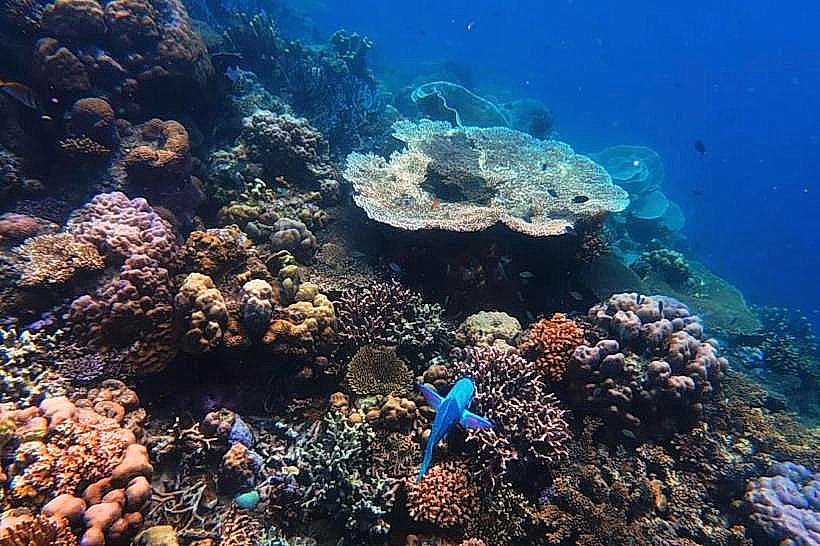
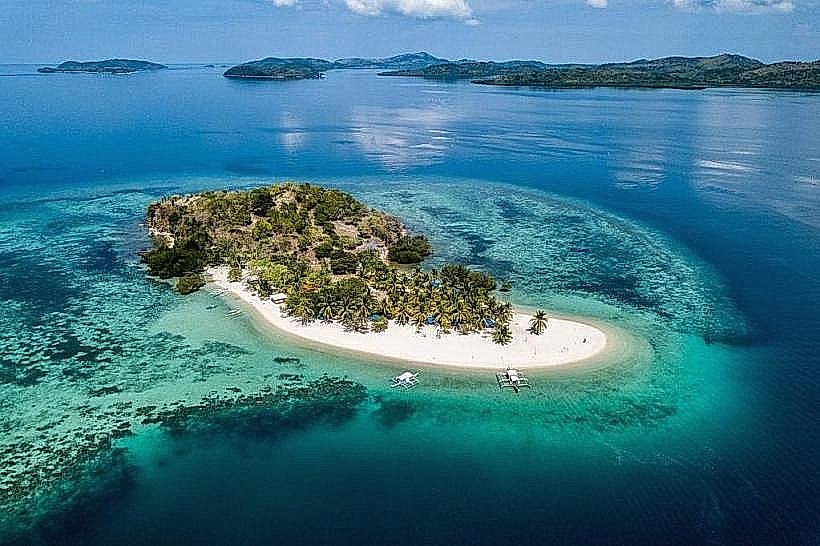
Coron serves as the primary maritime and eco-tourism hub of the Calamian Islands in northern Palawan. It functions as a global center for wreck diving and limestone karst exploration, characterized by its proximity to the ancestral domain of the indigenous Tagbanua people.
Historical Timeline
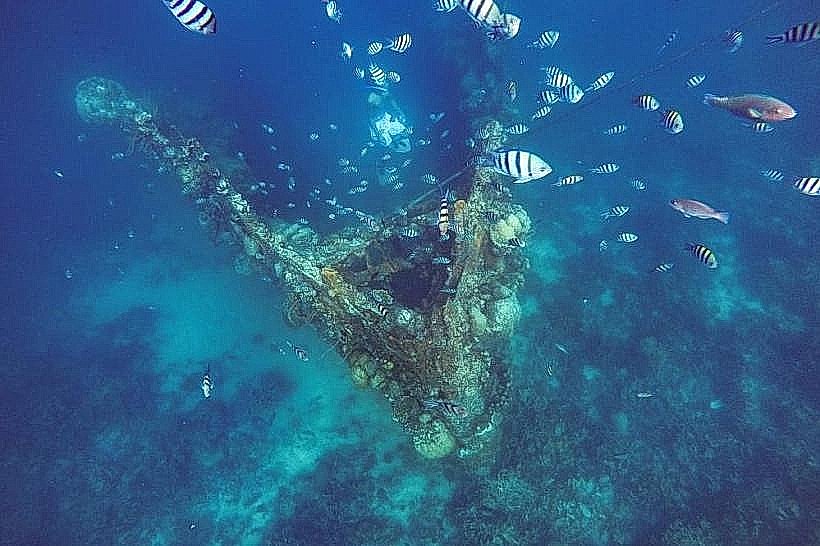
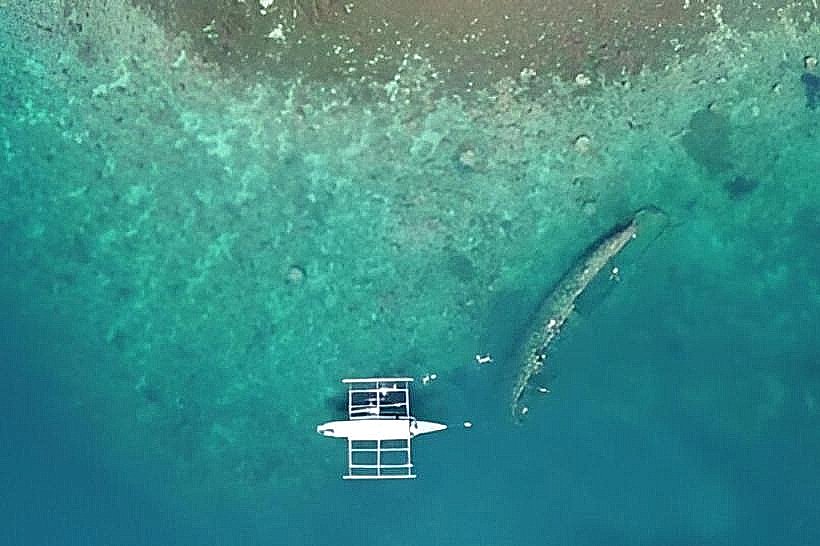
The area was a traditional fishing and gathering ground for the Tagbanua for centuries. The primary event shaping its global identity occurred on September 24, 1944, when a US Navy airstrike sank a fleet of Japanese supply ships in the bay, creating one of the world’s densest concentrations of accessible WWII shipwrecks. The town was officially separated from Busuanga in 1950 and transitioned from a manganese mining and fishing economy to an international tourism destination in the late 1990s.
Demographics & Population
The municipality has a population of approximately 65,000. The demographic is composed of native Tagbanua, Cuyonon settlers, and a significant transient population of dive professionals and expatriates. The median age is 24 years.
Urban Layout & Key Districts
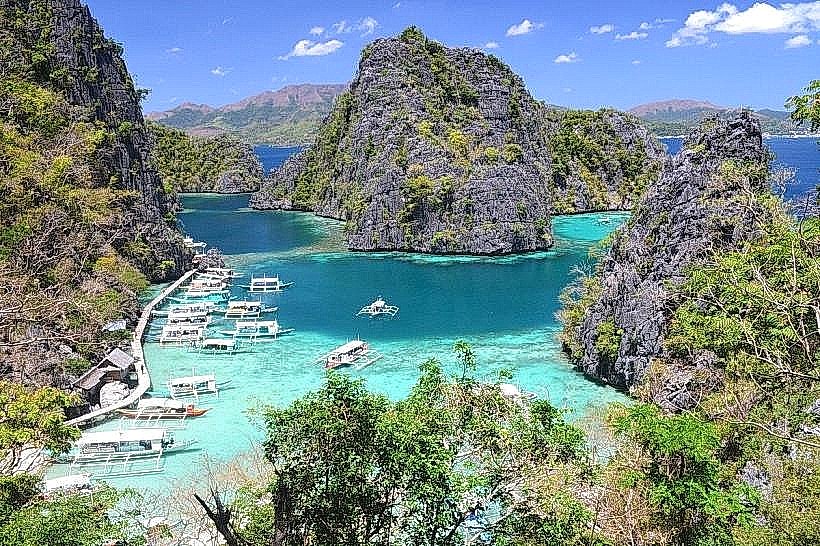
The municipality covers the eastern half of Busuanga Island and the entirety of Coron Island. Key districts include Coron Town Proper (Poblacion), the high-density commercial and residential hub; Coron Island, a protected ancestral domain containing the primary lagoons and lakes; and Busuanga, the rural agricultural and airport zone.
Top City Landmarks
Kayangan Lake (Reputedly the cleanest lake in the Philippines)
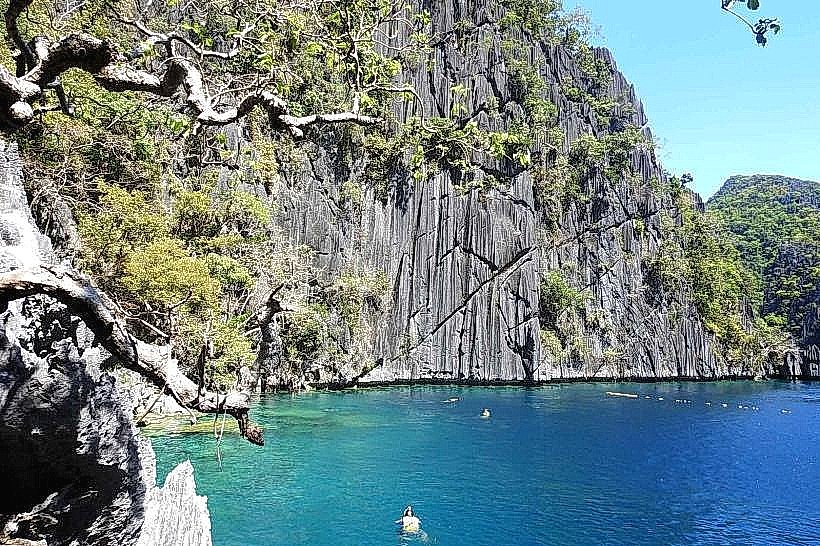
Barracuda Lake (Known for its thermocline layers)
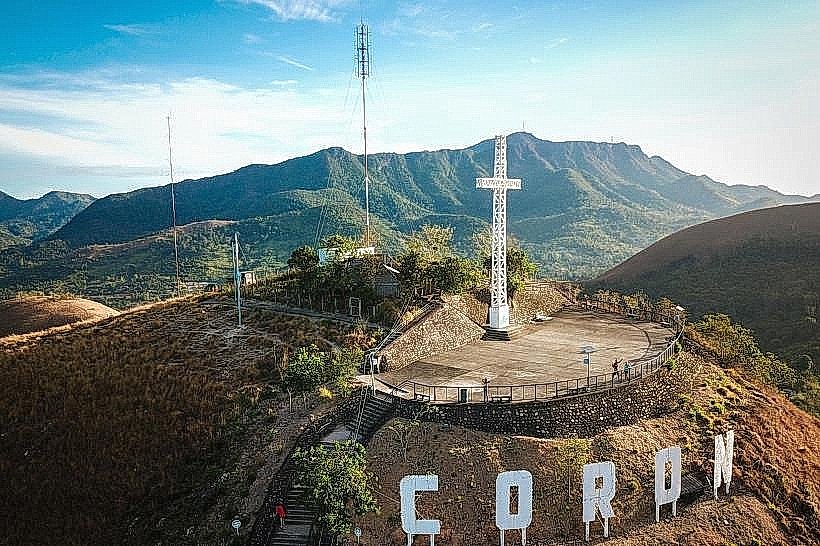
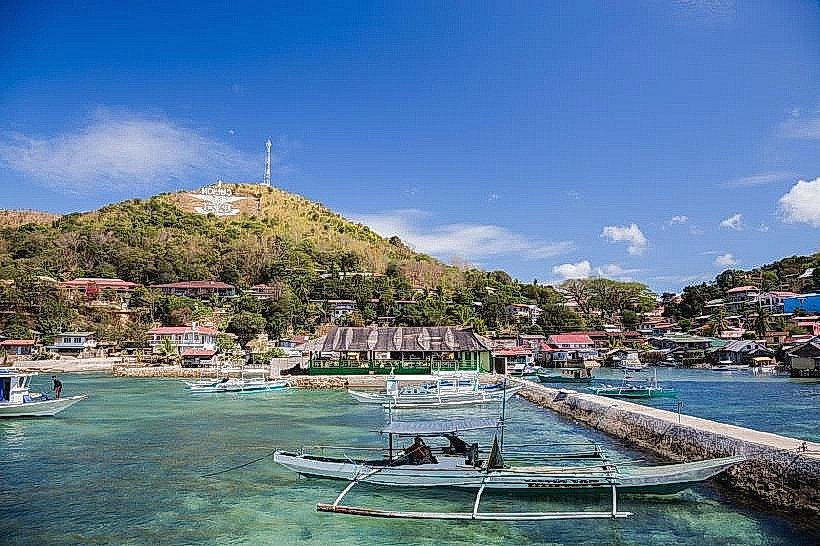
Mount Tapyas (Viewpoint with 700+ steps)
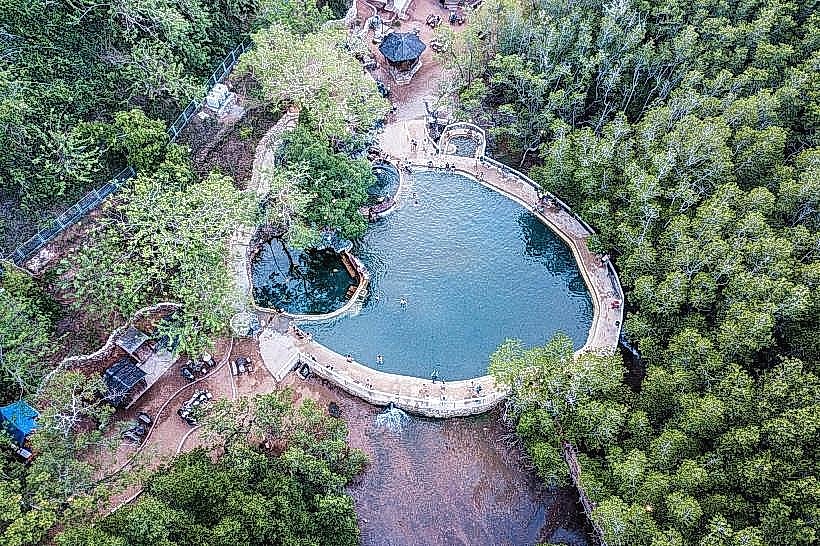
Maquinit Hot Springs (One of the few saltwater hot springs globally)
Transportation Network
Movement is facilitated by tricycles and rented motorcycles. There is no rail transit. Air travel is serviced by Francisco B. Reyes Airport (USU) in Busuanga, followed by a 30-45 minute van transfer to the town. Ferries and "fast crafts" connect the town to El Nido and Manila. Traffic is dense in the Poblacion during the 08:00 boat departure window.
Safety & "Red Zones"
The safety level is high. Avoid unlit coastal paths at night. The primary risks are environmental: jellyfish (Box and Sea Wasp) are seasonal hazards in certain lagoons, and the shipwrecks involve technical hazards (sharp metal, silt, overhead environments) requiring certified dive guides. Common scams are limited to "overpriced" private boat hires; always use the regulated rates set by the local tourism office.
Digital & Financial Infrastructure
Average internet speed is 10–25 Mbps, with frequent stability issues during the monsoon season. Main carriers are Globe and Smart. Card acceptance is limited to high-end resorts and dive shops; the town center is heavily cash-dependent. ATMs are available but frequently malfunction or deplete their cash reserves; carrying excess PHP is mandatory.
Climate & Air Quality
Temperatures range from 24°C to 33°C. The region has a distinct dry season (December–May) and a wet season (June–November). Air quality is excellent due to the lack of heavy industry and the protective mountainous topography of Busuanga.
Culture & Social Norms
Tipping of 10% is standard. The Tagbanua people maintain sovereign rights over Coron Island; visitors must respect restricted zones marked as sacred burial grounds or private dwellings. A strict "No Plastic" policy is enforced for all boat tours. Dress code is beach-casual, but modest clothing is required for the municipal hall and churches.
Accommodation Zones
Stay in the Poblacion for proximity to the pier, dive shops, and budget-to-midrange dining.
Stay on the Periphery/Busuanga Road for quiet, high-end eco-resorts with integrated amenities.
Local Cost Index
1 Espresso: 140 PHP ($2.45 USD)
1 Standard Lunch (Cashew-based dishes/Seafood): 300–600 PHP ($5.25 – $10.50 USD)
1 Tricycle Ride (within town): 20–50 PHP ($0.35 – $0.85 USD)
Nearby Day Trips
Calauit Safari Park: 70 km (2.5 hours by land/boat)
Pass Island and Lusong Coral Garden: 25 km (1.5 hours by boat)
Culion Island (Former leper colony/Museum): 15 km (1 hour by boat)
Black Island (Île Noire): 35 km (2 hours by boat)
Facts & Legends
Coron is the "Cashew Capital of the Philippines," with local processing centers producing a variety of flavored nuts. Local legend states that a giant octopus guards the depths of Kayangan Lake, while a verified historical fact is that the Tagbanua of Coron were the first indigenous group in the Philippines to be granted a Certificate of Ancestral Domain Title (CADT) over both land and sea.