Information
City: ManilaCountry: Philippines
Continent: Asia
Manila, Philippines, Asia
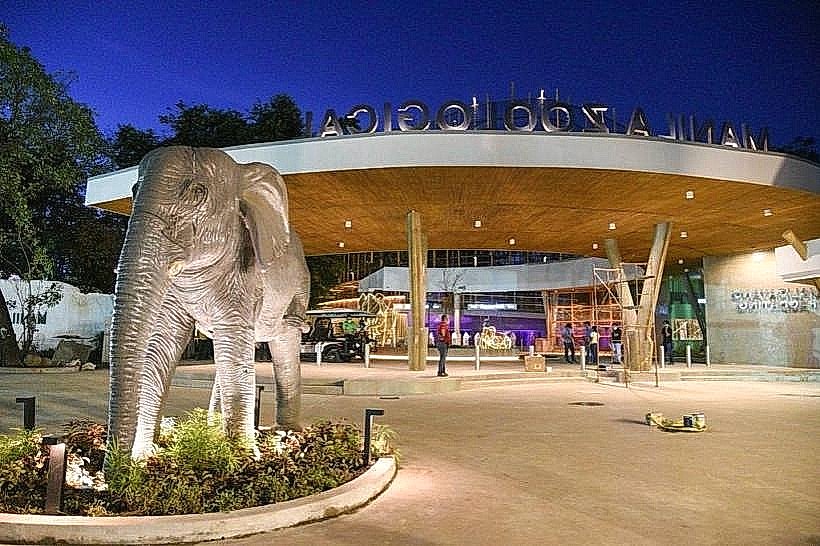
Manila serves as the capital of the Philippines and the center of the country's economic, political, and cultural life. It is one of the most densely populated cities globally, situated on the eastern shore of Manila Bay on the island of Luzon.
Historical Timeline
The city was a fortified Muslim settlement before Spanish conquest in 1571, after which it became the seat of Spanish colonial government for 333 years. It transitioned to American rule in 1898 and was the site of catastrophic destruction during the Battle of Manila in 1945. The primary event shaping its current urban form was the post-WWII reconstruction and the 1975 creation of Metropolitan Manila (NCR), which integrated 16 cities into a single megacity.
Demographics & Population
The City of Manila has a population of approximately 1.85 million, while the greater Metropolitan Manila area exceeds 14 million. The demographic is predominantly Tagalog-speaking Filipinos, with significant Chinese-Filipino (Binondo) and expat communities. The median age is approximately 25 years.
Urban Layout & Key Districts
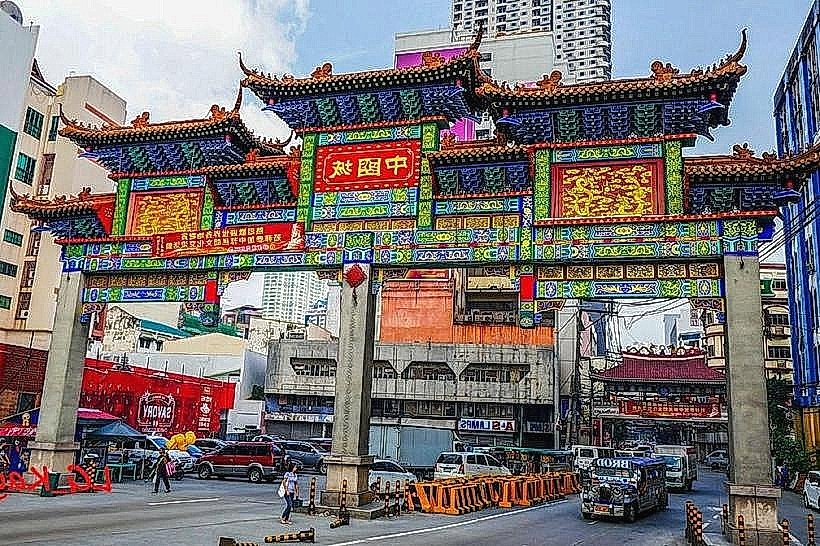
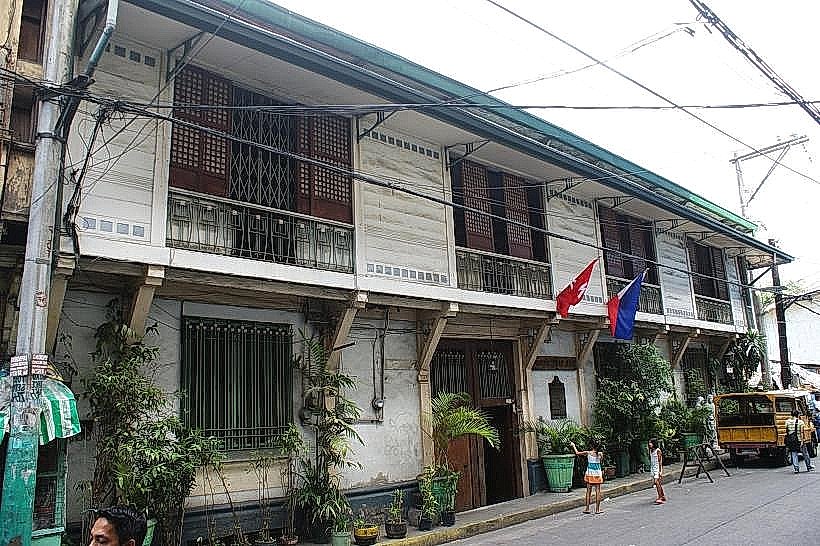
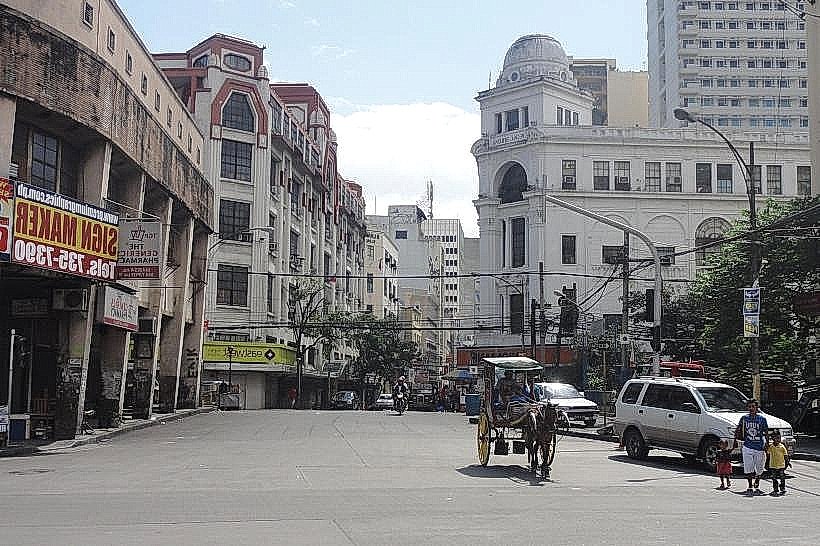
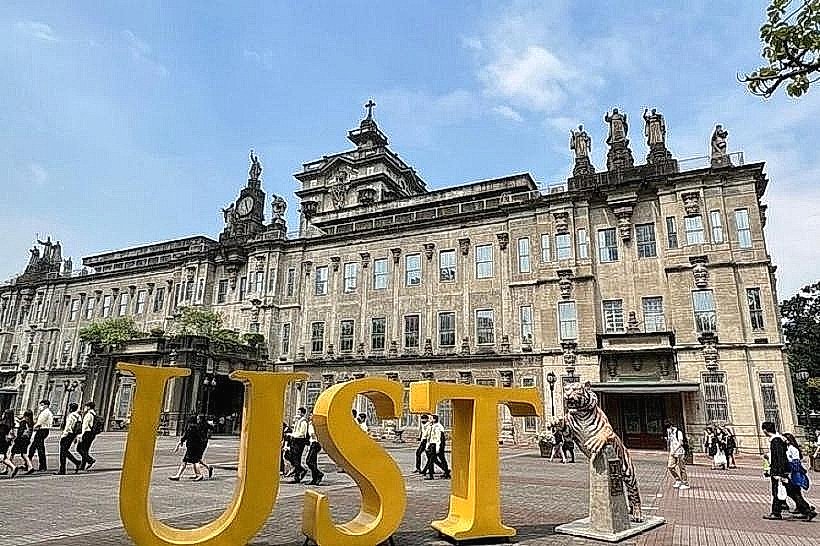
Manila is a patchwork of distinct zones. Key districts include Intramuros, the historic walled city; Binondo, the world’s oldest Chinatown; Ermita and Malate, the traditional tourism and nightlife hubs; and Port Area, the primary maritime gateway. Note that modern financial centers like Makati and BGC are separate cities within the metro area, not districts of Manila proper.
Top City Landmarks
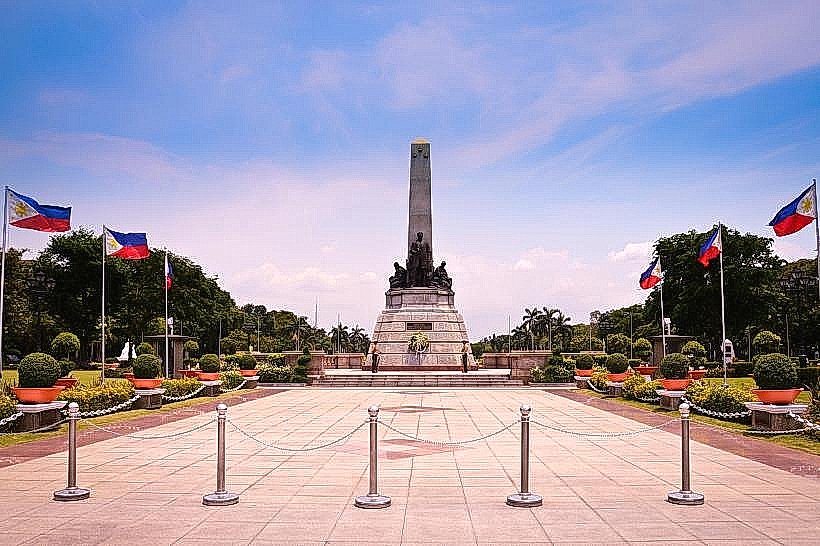
Rizal Park (Luneta)
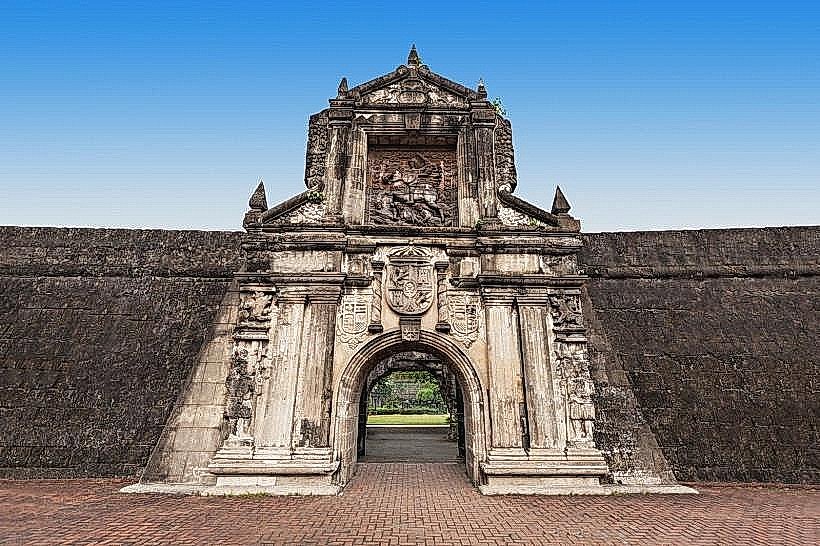
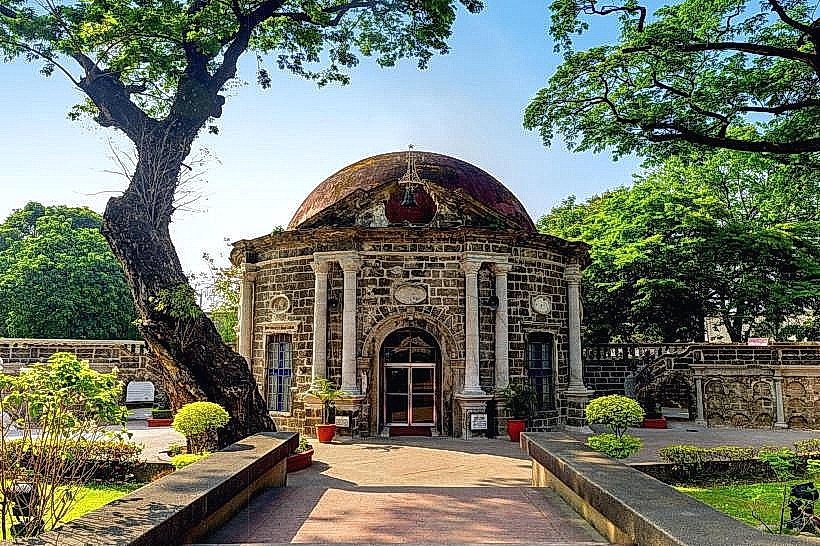
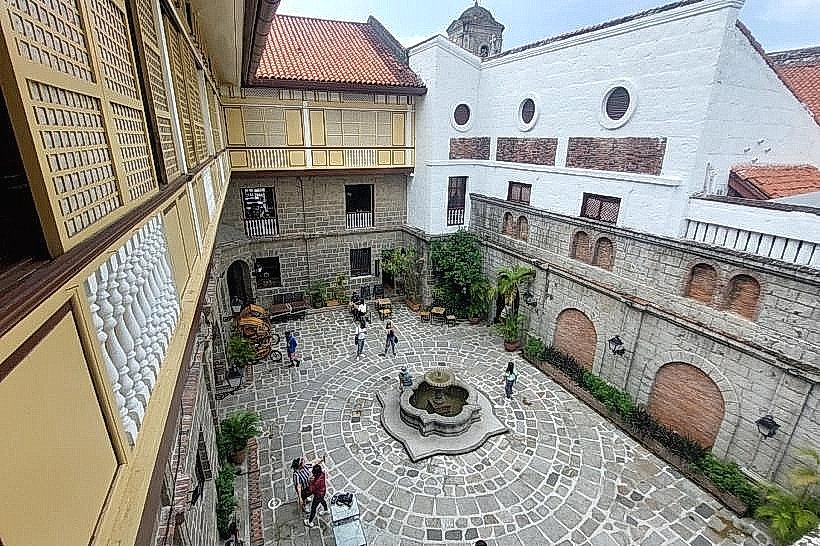
Fort Santiago and Intramuros
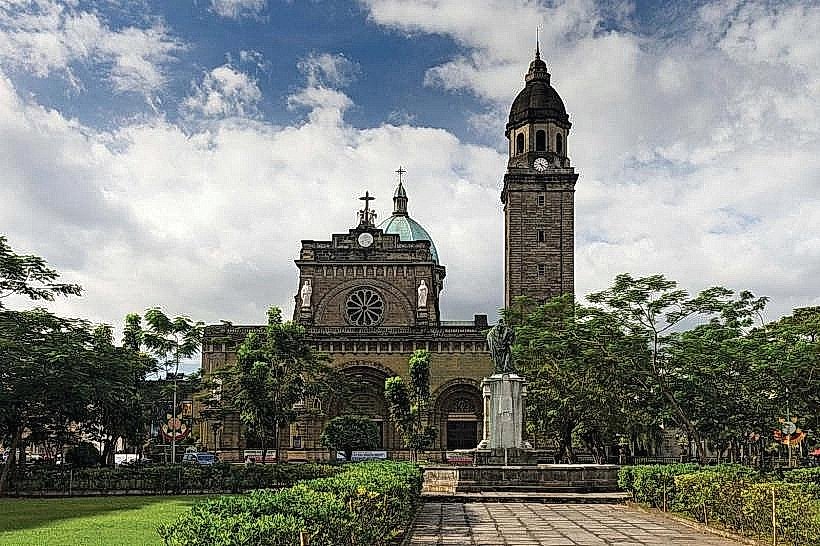
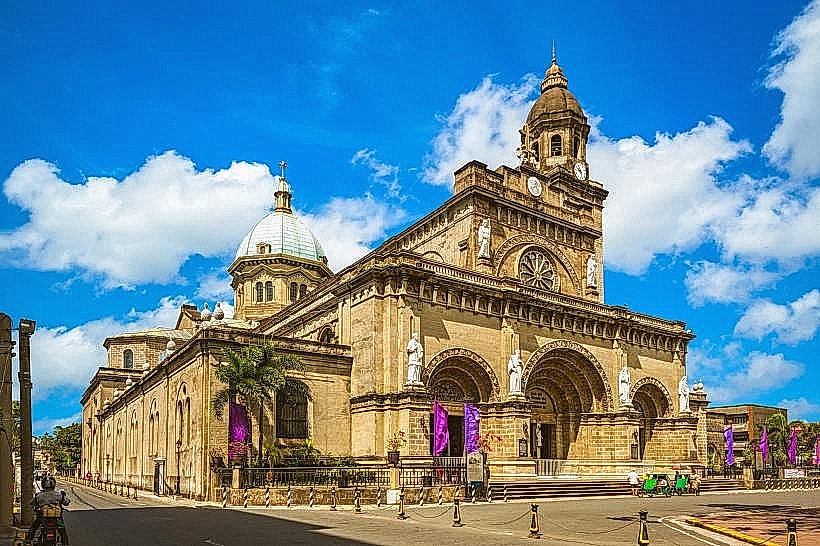
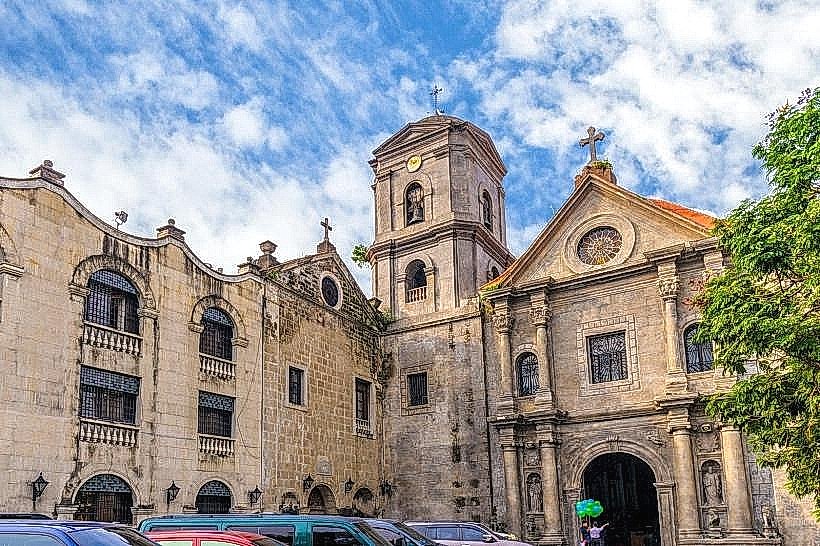
San Agustin Church (UNESCO World Heritage)
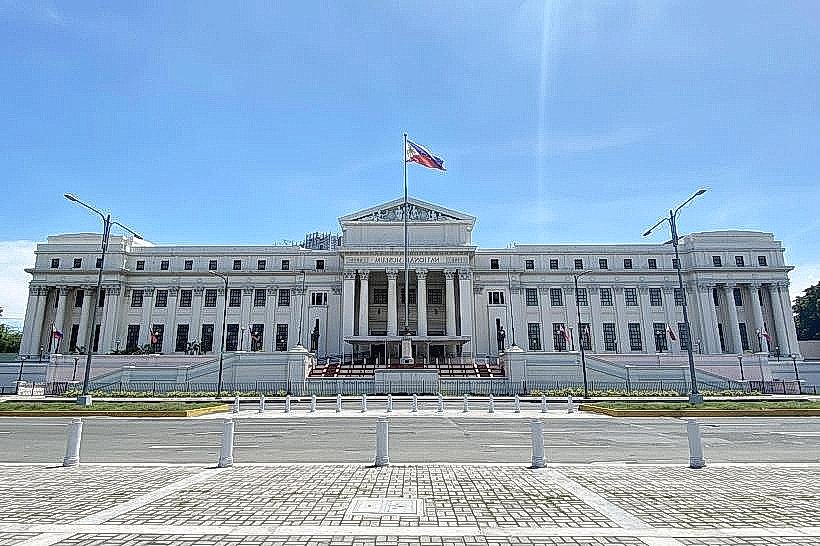
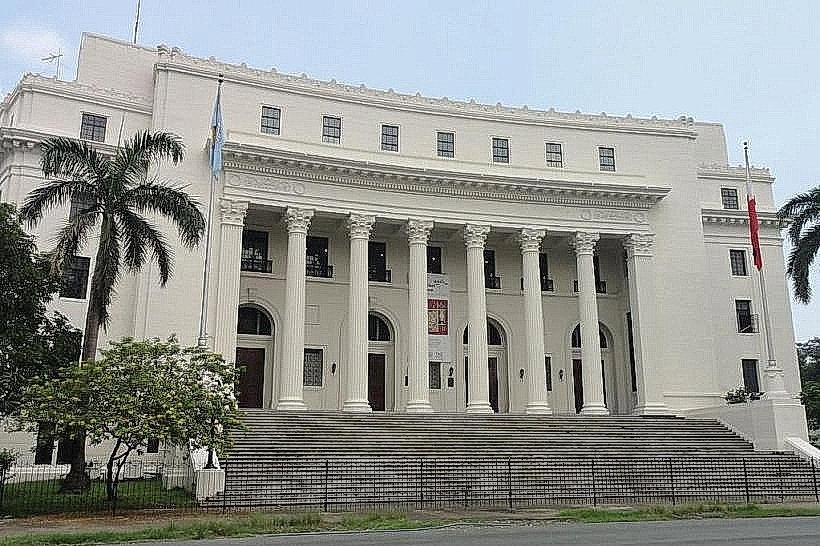
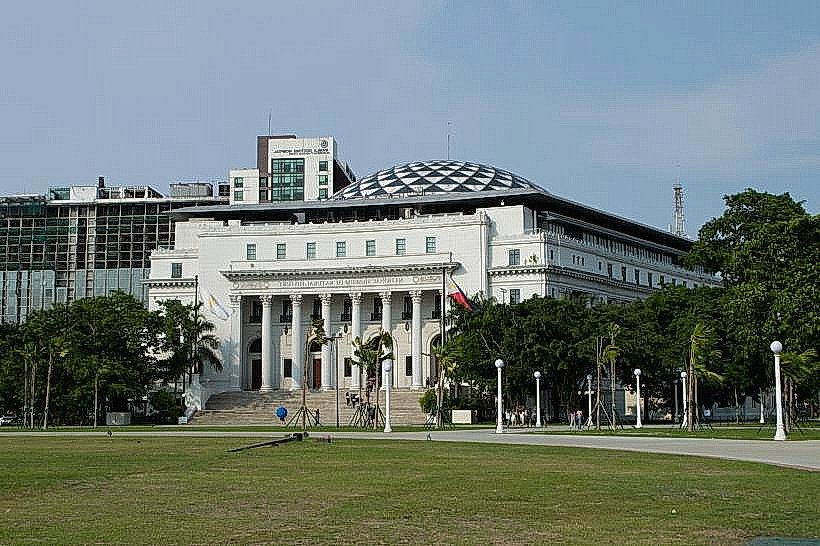
National Museum Complex
Transportation Network
Movement is facilitated by the LRT (Light Rail Transit) and MRT (Metro Rail Transit) lines. Road transit is dominated by jeepneys, buses, and UV Express vans. Ride-sharing is centralized on the Grab app. Local short-distance transport relies on tricycles and kalesas (horse-drawn carriages). Traffic density is extreme; "Coding" (license plate restrictions) is enforced to mitigate congestion.
Safety & "Red Zones"
Safety levels vary significantly. Avoid the districts of Tondo and Sampaloc after dark unless familiar with the area. Scams involving "friendly strangers" leading to overpriced bars or "tanim-bala" (bullet planting) at airports are historical risks that have diminished but require vigilance. Use only Grab or "yellow" metered airport taxis.
Digital & Financial Infrastructure
Average internet speed is 20-50 Mbps, though 5G penetration is high in commercial areas. Main carriers are Globe and Smart. Card acceptance is standard in malls and hotels; cash or GCash (the dominant mobile wallet) is required for most street-level transactions and transport. ATMs are widely available but often have withdrawal limits and queues.
Climate & Air Quality
Temperatures range from 24°C to 34°C. The city experiences a distinct dry season (November–April) and a monsoon season (June–October), during which urban flooding is frequent. Air quality is often poor due to high concentrations of vehicle emissions and particulate matter.
Culture & Social Norms
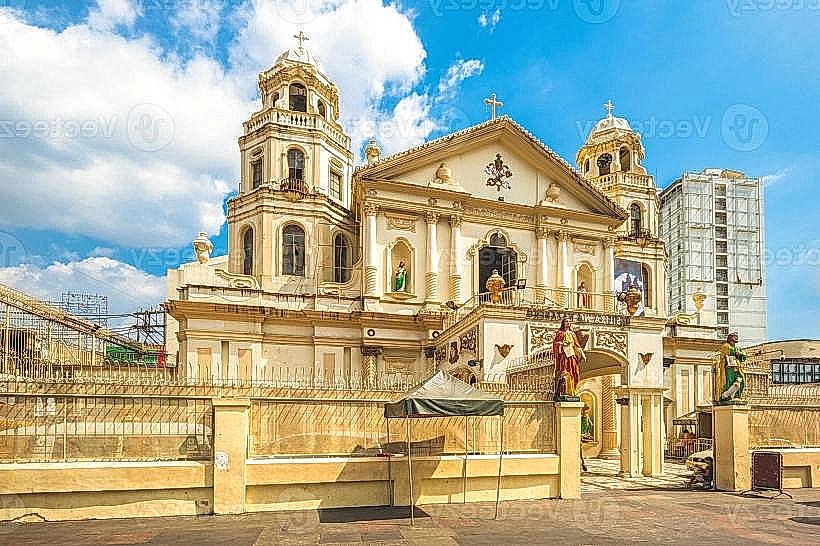
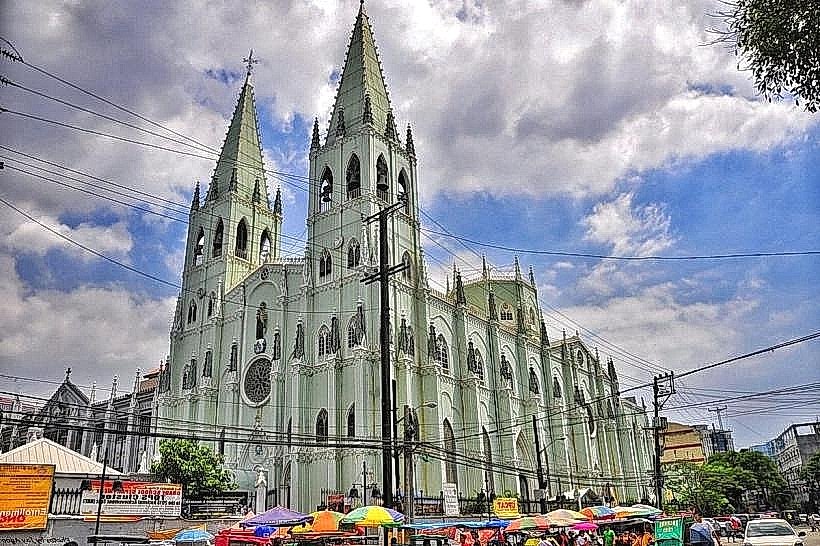
Tipping is expected (10% or rounding up). "Mano Po" (placing an elder's hand to your forehead) is a traditional sign of respect. Dress code is casual, but modest attire is required for churches. Filipinos value "Pakikisama" (social harmony); public confrontation is discouraged.
Accommodation Zones
Stay in Ermita/Malate for proximity to historical sites and the bay.
Stay in Makati or BGC (adjacent cities) for higher-end luxury, safety, and modern infrastructure.
Local Cost Index
1 Espresso: 160 PHP ($2.80 USD)
1 Standard Lunch (Fast food/Carinderia): 150-300 PHP ($2.60 - $5.20 USD)
1 LRT Ride: 15-30 PHP ($0.25 - $0.50 USD)
Nearby Day Trips
Corregidor Island: 48 km (1.5 hours by ferry)
Tagaytay (Taal Volcano): 60 km (2-3 hours)
Pagsanjan Falls: 100 km (3 hours)
Mount Pinatubo: 100 km (3 hours to base)
Facts & Legends
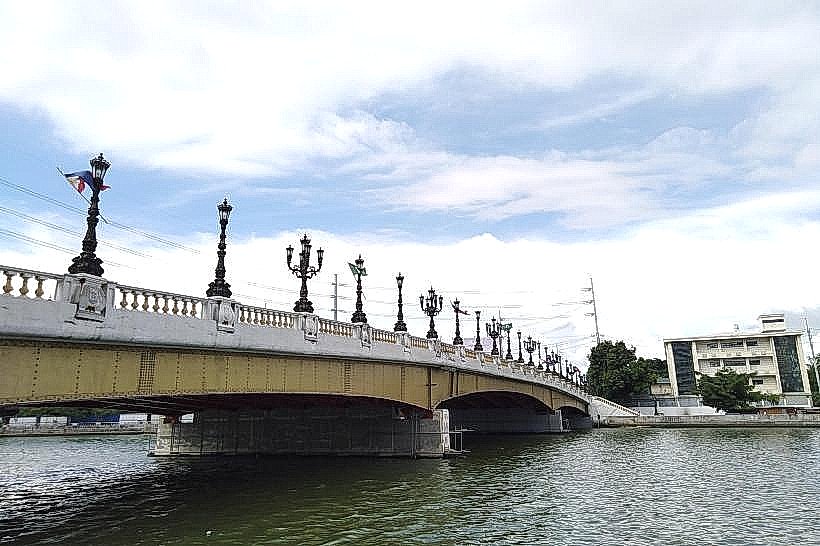
Manila is home to the world’s oldest Chinatown, established in 1594. Local legend suggests the city’s name comes from May-nila ("there is indigo"), referring to the indigo plants (Scyphiphora hydrophyllacea) that once grew along the Pasig River. A verified historical fact is that Manila was once known as the "Pearl of the Orient" before it became the second most destroyed Allied city of WWII, after Warsaw.