Information
Landmark: National Museum of Fine ArtsCity: Manila
Country: Philippines
Continent: Asia
National Museum of Fine Arts, Manila, Philippines, Asia
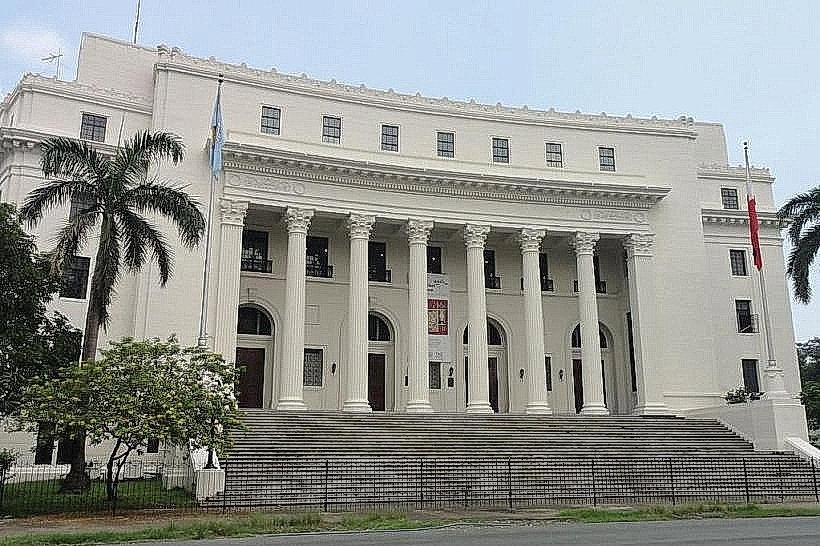
The National Museum of Fine Arts is a premier cultural institution located in the neoclassical Old Legislative Building in Ermita, Manila. It houses an extensive collection of paintings and sculptures by classical Filipino artists.
Visual Characteristics
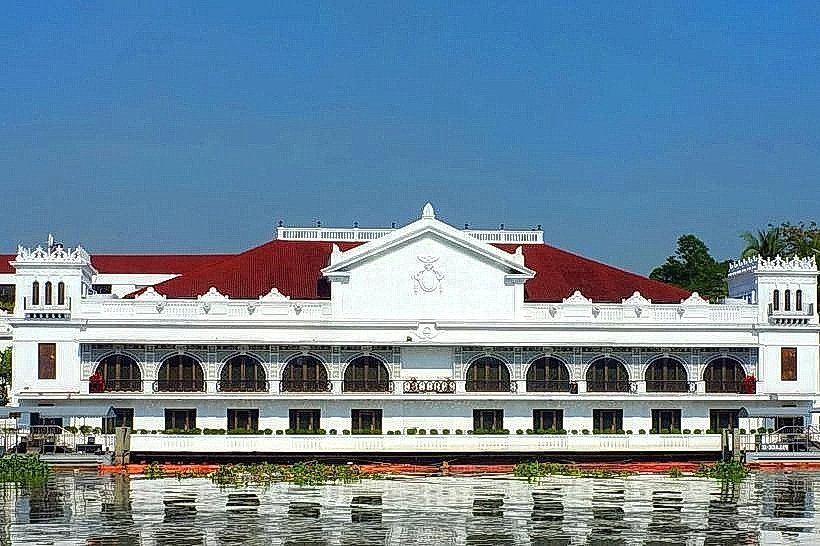
The museum is a massive four-story neoclassical structure featuring Corinthian columns and ornate pediments. The interior is defined by grand marble halls, high ceilings, and the majestic House of Representatives Session Hall (now the Spoliarium Hall). The galleries are organized chronologically and thematically, utilizing natural and focused spotlighting to highlight the artworks.
Location & Access Logistics
Address: Padre Burgos Ave, Ermita, Manila, 1000 Metro Manila.
Access: Situated on the eastern edge of Rizal Park, near the Manila City Hall.
Transport: Accessible via the LRT-1 (United Nations Station). It is within walking distance from Intramuros and the other National Museum buildings.
Entry: Admission is free for all visitors. Identification may be required for registration at the entrance.
Historical & Ecological Origin
The building was originally designed by Ralph Harrington Doane and Antonio Toledo in 1918 to be the National Library, but it was repurposed as the Legislative Building. It was the site where the 1935 Constitution was ratified and where the Philippine Commonwealth was inaugurated. After being severely damaged in WWII, it was reconstructed and eventually became the home of the National Art Gallery.
Key Highlights & Activities
The Spoliarium: The museum's centerpiece, a massive 4x7 meter painting by Juan Luna that won a gold medal at the 1884 Exposición Nacional de Bellas Artes in Madrid.
The Progress of Medicine in the Philippines: A series of four large paintings by Carlos "Botong" Francisco, a National Artist for Visual Arts.
Religious Art Gallery: Features 17th to 19th-century colonial retablos and paintings.
Hidalgo Gallery: Showcases the works of Felix Resurreccion Hidalgo, a contemporary of Juan Luna.
Sculpture Garden: Displays various bronze and stone works in the internal courtyards.
Infrastructure & Amenities
The facility includes air-conditioned galleries, elevators for accessibility, and clean public restrooms on multiple floors. There is a small museum shop near the entrance. Professional cameras and tripods are generally prohibited, but mobile phone photography without flash is permitted. 5G cellular coverage is excellent.
Best Time to Visit
The museum is open Tuesday to Sunday, 09:00 to 18:00 (Closed on Mondays). Weekdays are significantly quieter than weekends. It is recommended to arrive early in the morning to allow at least 2–3 hours to view the entire collection comfortably.
Facts & Legends
The building itself is a National Historical Landmark. During the Japanese occupation, it was used by the military, and the basement served as a shelter for civilians during the liberation of Manila, leading to numerous local stories regarding the historical weight and "presence" felt within its halls.
Nearby Landmarks
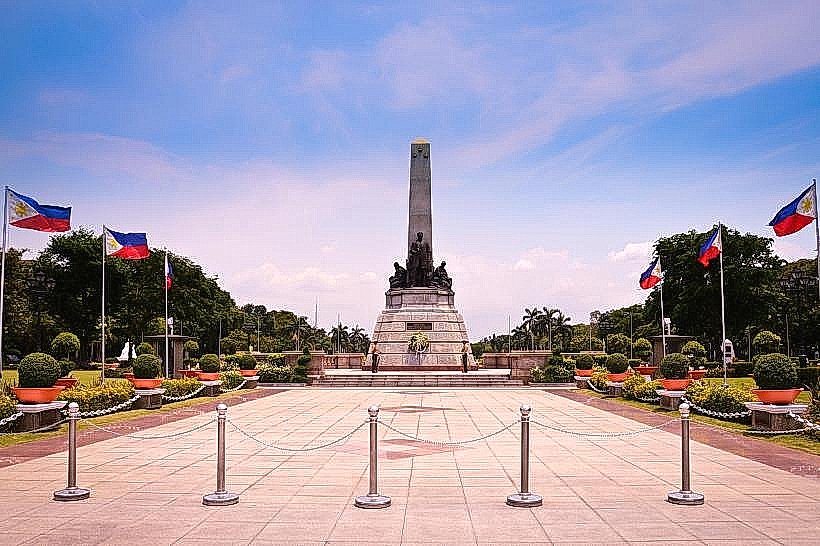
Rizal Park (Luneta): 0.2 km West
National Museum of Anthropology: 0.3 km South
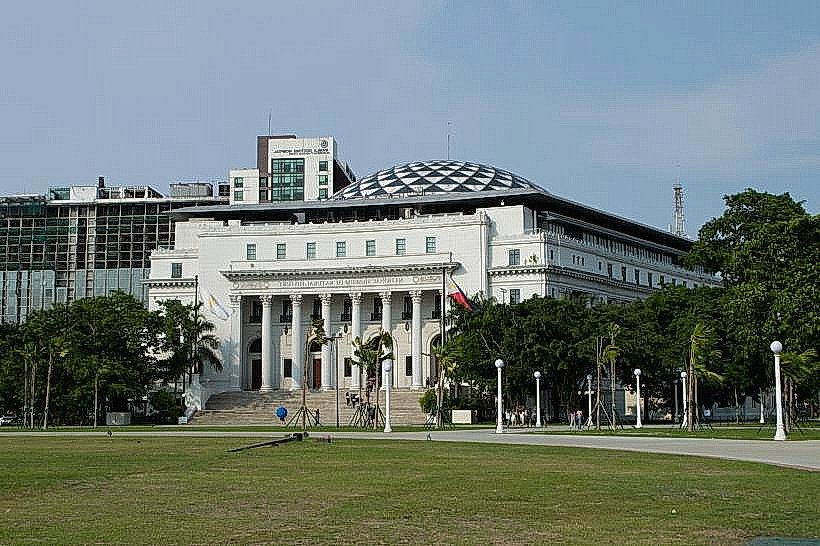
National Museum of Natural History: 0.4 km South
Manila City Hall: 0.3 km North
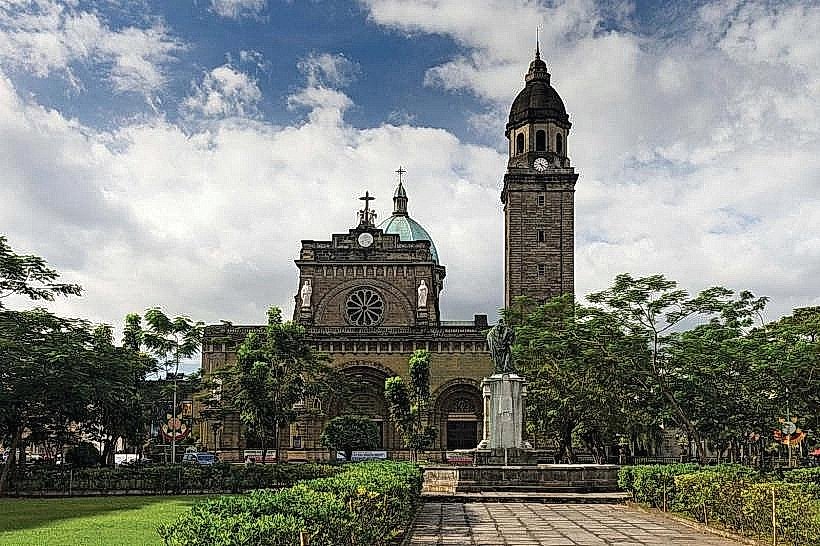
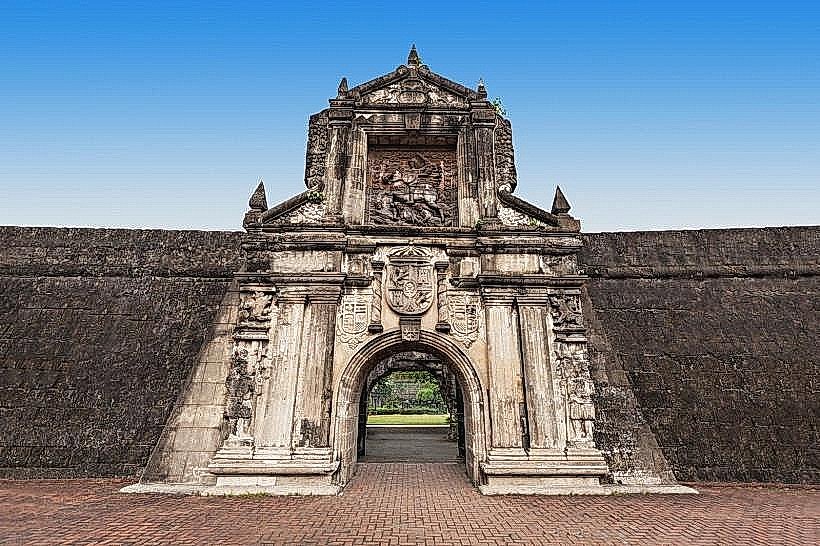
Intramuros: 0.5 km West