Information
Landmark: Malacañang PalaceCity: Manila
Country: Philippines
Continent: Asia
Malacañang Palace, Manila, Philippines, Asia
Malacañang Palace is the official residence and principal workplace of the President of the Philippines, situated along the northern bank of the Pasig River in the San Miguel district of Manila.
Visual Characteristics
The Palace is a massive complex featuring Neoclassical and Bahay na Bato architectural styles. Its most prominent structure is the Kalayaan Hall, characterized by its colonnaded facade and wide balconies. The interiors are defined by high ceilings, chandeliers, and extensive use of indigenous hardwoods like narra. The grounds include manicured gardens and century-old acacia trees.
Location & Access Logistics
Address: Jose P. Laurel St, San Miguel, Manila, 1005 Metro Manila.
Access: The Palace is located within a highly secured zone. Access to the general public is restricted to the Malacañang Heritage Mansions and the Presidential Museum and Library.
Transport: Reachable via the LRT-2 (Legarda Station), followed by a short tricycle ride. It is also accessible by public buses and jeepneys passing through Mendiola or Ayala Bridge.
Tours: Guided tours of the museum require advanced reservation through the Social Secretary's Office or the official website.
Historical & Ecological Origin
Originally built as a summer house by Spanish aristocrat Don Luis Rocha in 1750, it was later purchased by the Spanish state for the use of Governors-General. It became the official seat of power after the 1863 earthquake destroyed the Palacio del Gobernador in Intramuros. The name "Malacañang" is derived from the Tagalog phrase May lakan diyan, meaning "there is a nobleman there."
Key Highlights & Activities
Presidential Museum and Library (Kalayaan Hall): Houses memorabilia of past Philippine presidents, historical documents, and the room from which President Ferdinand Marcos declared Martial Law in 1972.
Malacañang Heritage Mansions: Recently opened restored villas that showcase Philippine social history and fashion.
Bonifacio Hall: Formerly known as the Guest House, it currently serves as the office of the President.
Pasig River View: The rear of the palace overlooks the river, which historically served as the primary transport route for dignitaries.
Infrastructure & Amenities
The area is a high-security precinct. Visitors must undergo strict security screening. Professional cameras are prohibited; however, phone photography is allowed in designated museum areas. Restrooms are available within the museum complex. 5G coverage is stable but subject to signal jamming in certain high-security zones.
Best Time to Visit
The museum is generally open Tuesday to Saturday, 09:00 to 16:00 (excluding public holidays). It is essential to check for sudden closures due to official state functions. Reservations should be made at least two weeks in advance.
Facts & Legends
The Palace is allegedly haunted by various spirits, including a "Lady in White" and a cigar-smoking "Kapre" (tree giant) living in the large Balete tree in the front courtyard. These stories are a staple of Malacañang lore shared by staff and past occupants.
Nearby Landmarks
Mendiola Street: 0.4 km (a historic site for political protests)
San Beda University: 0.5 km
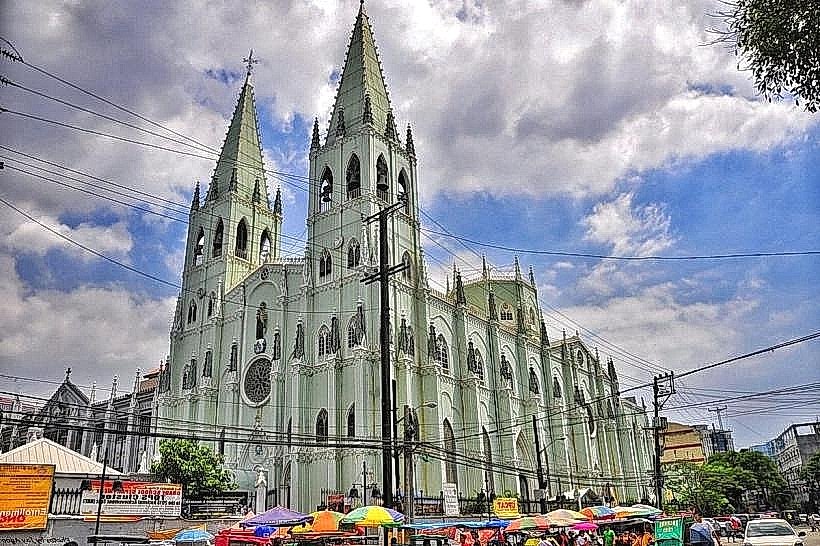
San Sebastian Church: 0.8 km
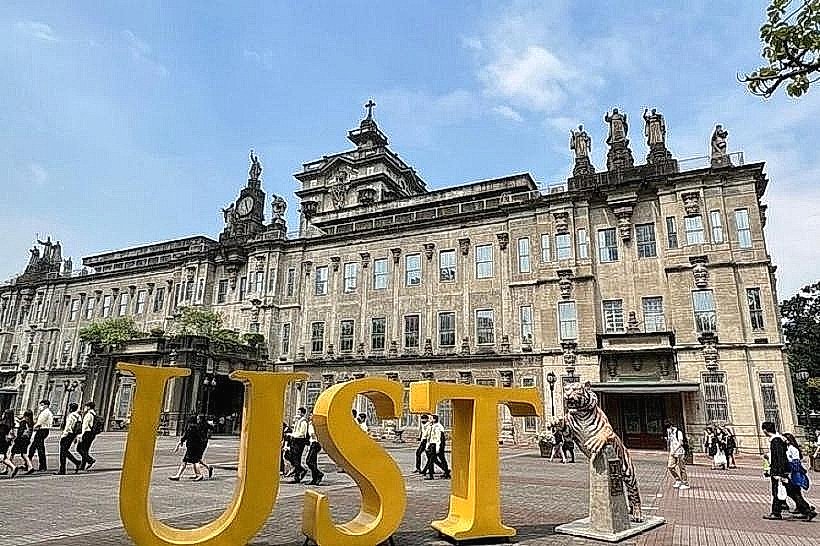
University of Santo Tomas: 1.5 km
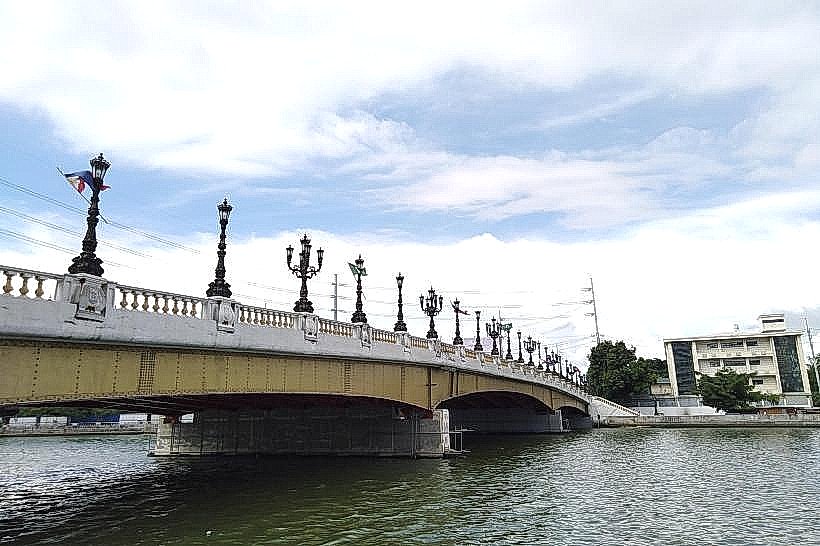
Ayala Bridge: 0.3 km