Information
Landmark: Quiapo ChurchCity: Manila
Country: Philippines
Continent: Asia
Quiapo Church, Manila, Philippines, Asia
The Minor Basilica and National Shrine of Jesus Nazareno, commonly known as Quiapo Church, is one of the most significant and visited Roman Catholic churches in the Philippines. It is located in the heart of the Quiapo district, Manila.
Visual Characteristics
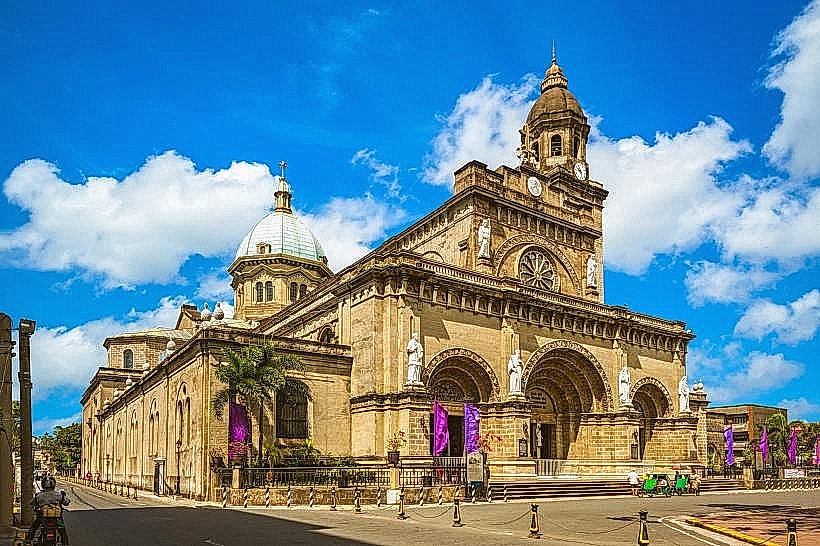
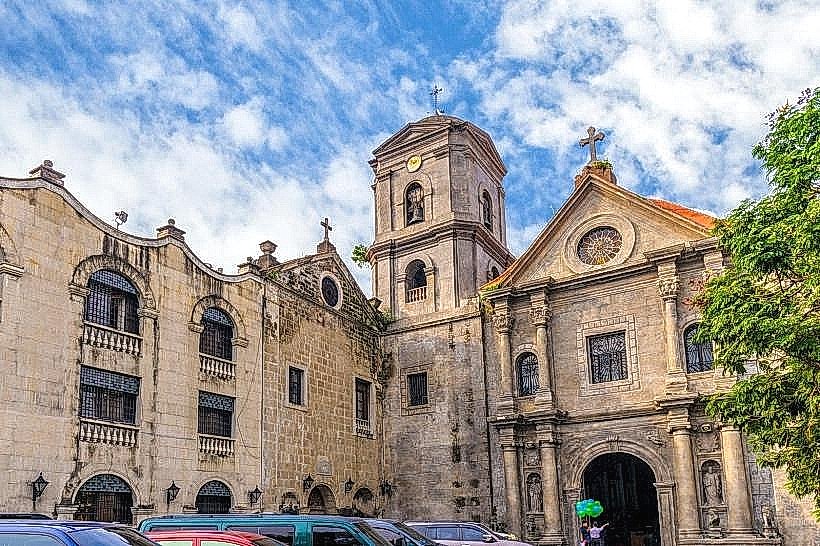
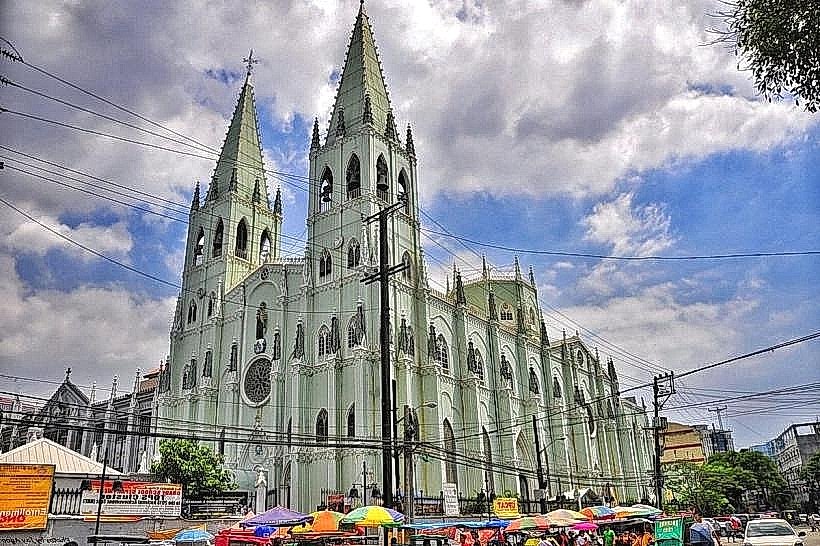
The church features a Mexican Baroque facade with a distinct cream-colored exterior. It is flanked by two bell towers and topped with a prominent dome. The interior is characterized by its wide nave and the high altar, which houses the revered Black Nazarene. The surrounding area, Plaza Miranda, is a bustling public square often filled with vendors, devotees, and fortune tellers, creating a high-contrast environment of religious devotion and street commerce.
Location & Access Logistics
Address: 910 Plaza Miranda, Quiapo, Manila, 1001 Metro Manila.
Access: The main entrance faces Plaza Miranda.
Transport: Accessible via the LRT-1 (Carriedo Station) or LRT-2 (Recto Station) followed by a short walk. Numerous jeepney routes from across Metro Manila pass directly through Quezon Boulevard.
Entry: Admission is free. Visitors are expected to dress modestly.
Historical & Ecological Origin
The original church was built in the late 16th century using bamboo and nipa. It was replaced by a stone structure that survived several fires and earthquakes over centuries. The current Baroque-style edifice was largely reconstructed in 1933 after a fire. Historically, it is the home of the Black Nazarene, a life-sized dark wooden statue of Jesus Christ brought from Mexico via a galleon in 1606.
Key Highlights & Activities
The Black Nazarene: The primary object of devotion, believed by millions to have miraculous powers.
Friday Devotion: Every Friday is "Quiapo Day," attracting thousands of pilgrims for mass and novena.
Feast of the Black Nazarene (Traslación): An annual event on January 9 where the statue is carried in a massive procession from Rizal Park to the church, drawing millions of barefoot devotees.
Plaza Miranda: A historic site for political rallies and public discourse located directly in front of the church.
Hidalgo Street: Located nearby, famous for being the city's hub for photography equipment and vintage cameras.
Infrastructure & Amenities
The church is equipped with large fans and high-volume sound systems to accommodate the massive crowds. Public restrooms are available in nearby commercial centers. The area is dense with eateries, traditional medicine stalls, and religious artifact shops. 5G cellular coverage is reliable despite the high density of users.
Best Time to Visit
The church is open daily, with extended hours on Fridays and Sundays. To avoid extreme crowds, it is best to visit on Tuesday or Wednesday mornings. Avoid visiting on January 9 unless participating in the Traslación, as the entire district becomes impassable to vehicles and casual pedestrians.
Facts & Legends
The Black Nazarene survived a ship fire during its transport from Mexico, which many believe gave the wood its charred, dark color. It also survived the 1945 Battle of Manila, which destroyed much of the city. These survivals have cemented its status as a symbol of resilience for the Filipino people.
Nearby Landmarks
Santa Cruz Church: 0.4 km West
San Sebastian Church: 0.6 km East
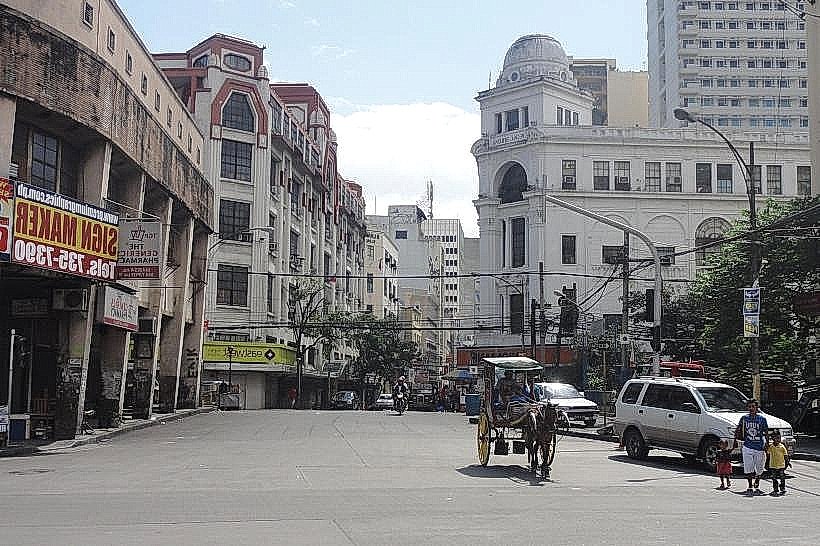
Escolta Street: 0.5 km Southwest
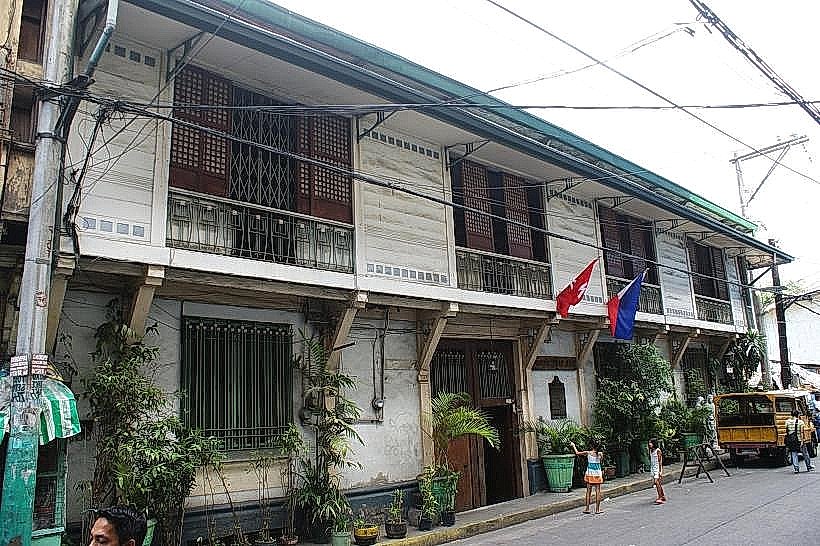
Bahay Nakpil-Bautista: 0.3 km East