Information
Landmark: National Museum of AnthropologyCity: Manila
Country: Philippines
Continent: Asia
National Museum of Anthropology, Manila, Philippines, Asia
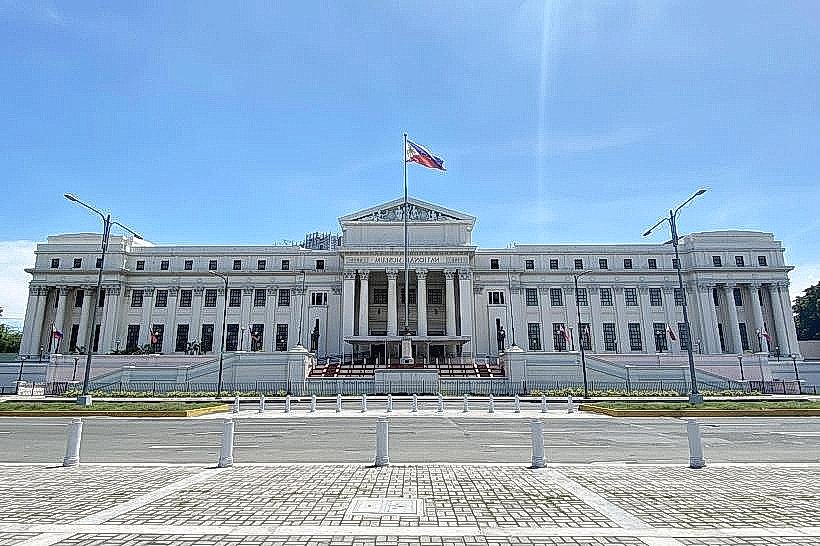
The National Museum of Anthropology is a major component of the National Museum of the Philippines complex. It is housed in the former Department of Finance Building, a neoclassical structure located in the Agrifina Circle of Rizal Park, Manila.
Visual Characteristics
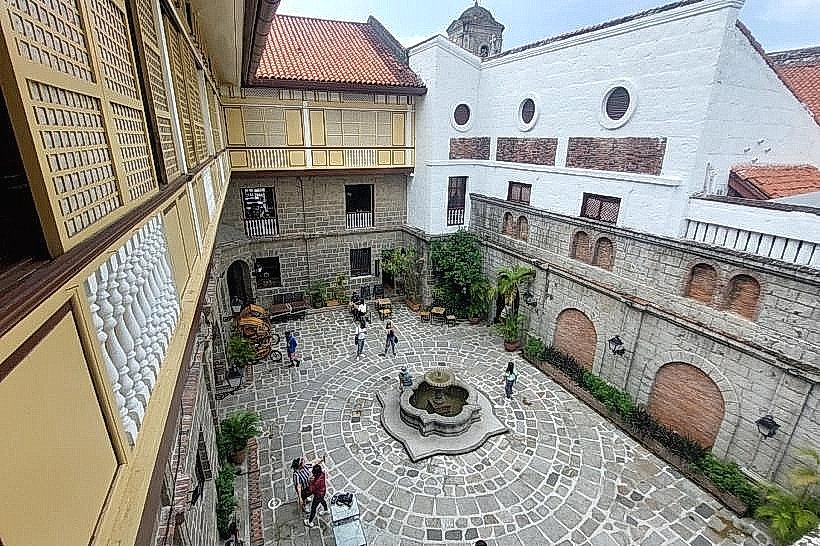
The museum is a massive stone building featuring a Corinthian colonnade and a symmetrical facade. Inside, the architecture is characterized by grand marble staircases and high-ceilinged galleries. The central courtyard often hosts seasonal outdoor installations. Exhibits are arranged systematically, utilizing modern glass display cases and multimedia stations to showcase indigenous artifacts.
Location & Access Logistics
Address: P. Burgos Drive, Rizal Park, Ermita, Manila, 1000 Metro Manila.
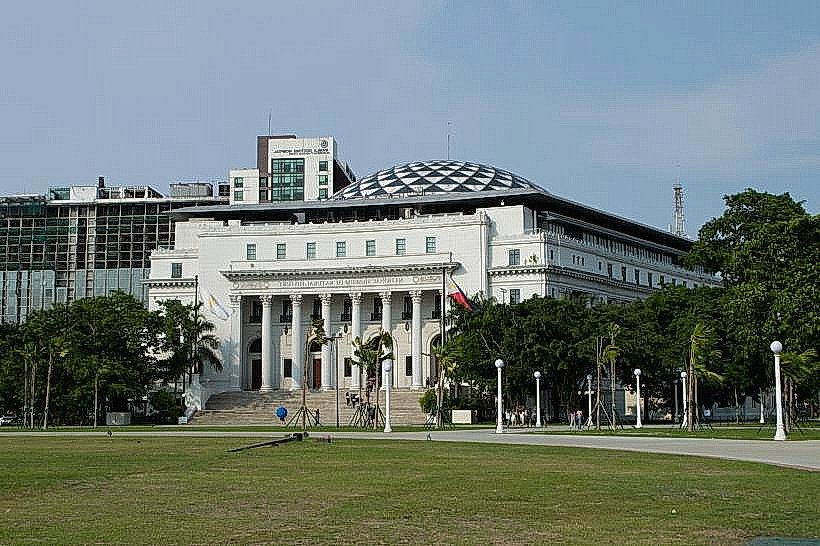
Access: It is located directly across the National Museum of Natural History.
Transport: Accessible via the LRT-1 (United Nations Station). Numerous jeepney and bus routes stop along Taft Avenue or Padre Burgos Drive.
Entry: Admission is free for all visitors. Registration is required upon entry.
Historical & Ecological Origin
The building was designed by Filipino architect Antonio Toledo in the 1930s. It originally served as the Department of Finance. During the Battle of Manila in 1945, the structure suffered significant damage and was later restored. It was officially inaugurated as the National Museum of Anthropology in 1998 to house the nation's ethnographic and terrestrial and underwater archaeological collections.
Key Highlights & Activities
The San Diego Exhibit: Showcases artifacts recovered from the San Diego, a Spanish galleon that sank off the coast of Fortune Island in 1600.
Manunggul Jar: A Neolithic burial jar found in Palawan, considered a masterpiece of Philippine pre-colonial art.
Ethnographic Collection: Extensive displays of traditional textiles, weaving tools, and musical instruments from various Filipino indigenous groups.
Indigenous Scripts: Features the Baybayin and other ancient writing systems of the Philippines.
Ifugao House: A full-scale reconstruction of a traditional Highland dwelling in the museum's courtyard.
Infrastructure & Amenities
The museum is fully air-conditioned and features elevators for accessibility. Clean public restrooms are located on every floor. A museum shop and a café are located near the entrance. Professional photography with tripods is prohibited, but non-flash mobile photography is allowed. 5G cellular coverage is excellent throughout the building.
Best Time to Visit
The museum is open Tuesday to Sunday, 09:00 to 18:00. It is closed on Mondays. Weekday mornings are the best time to visit to avoid school tours and large weekend crowds. Expect to spend approximately 2 hours to view the primary galleries.
Facts & Legends
The museum is part of the "National Museum Complex," which was designed to create a unified cultural center for the city. Many of the large stone artifacts, such as the burial jars and stone tools, were found accidentally during construction or farming projects across the Philippine archipelago.
Nearby Landmarks
National Museum of Natural History: 0.1 km North
National Museum of Fine Arts: 0.3 km North
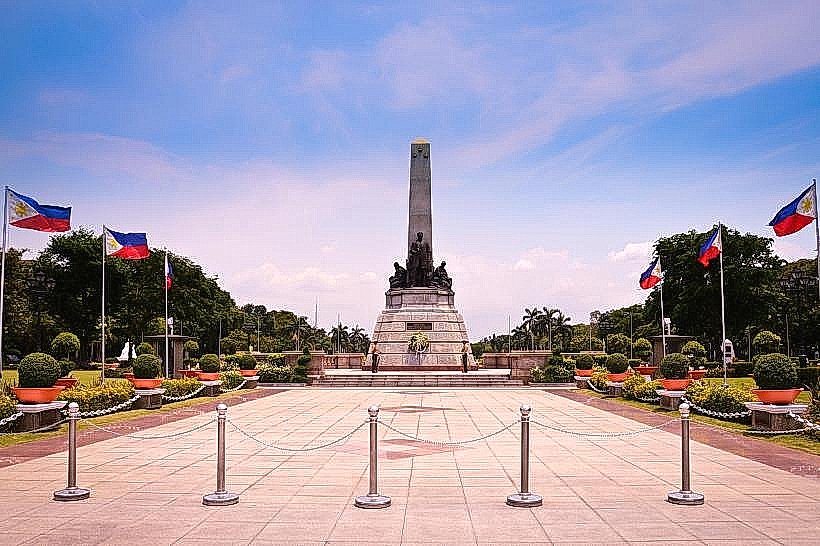
Rizal Park (Luneta): 0.1 km West
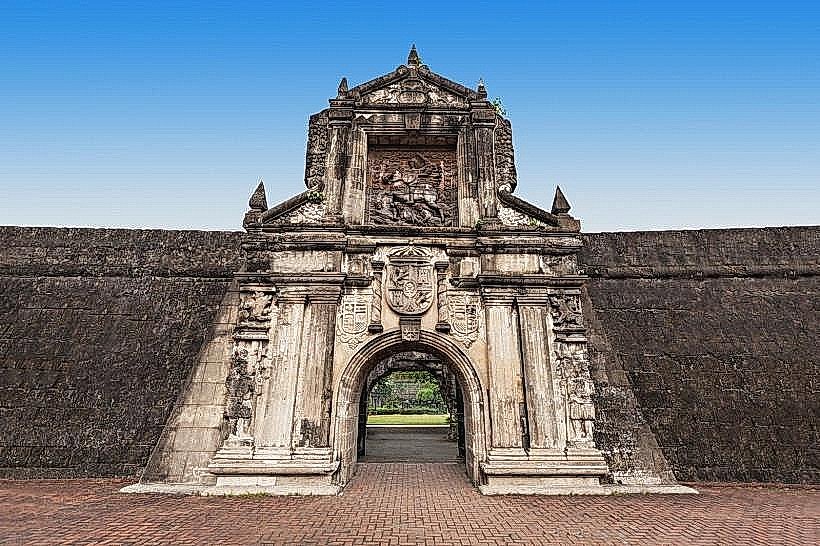
Intramuros: 0.7 km West