Information
Landmark: Rizal Park (Luneta)City: Manila
Country: Philippines
Continent: Asia
Rizal Park (Luneta), Manila, Philippines, Asia
Rizal Park, widely known as Luneta, is a historic 58-hectare urban park located in the heart of Manila, Philippines. It is one of the largest open spaces in Asia, situated at the northern end of Roxas Boulevard and adjacent to the Intramuros district.
Visual Characteristics
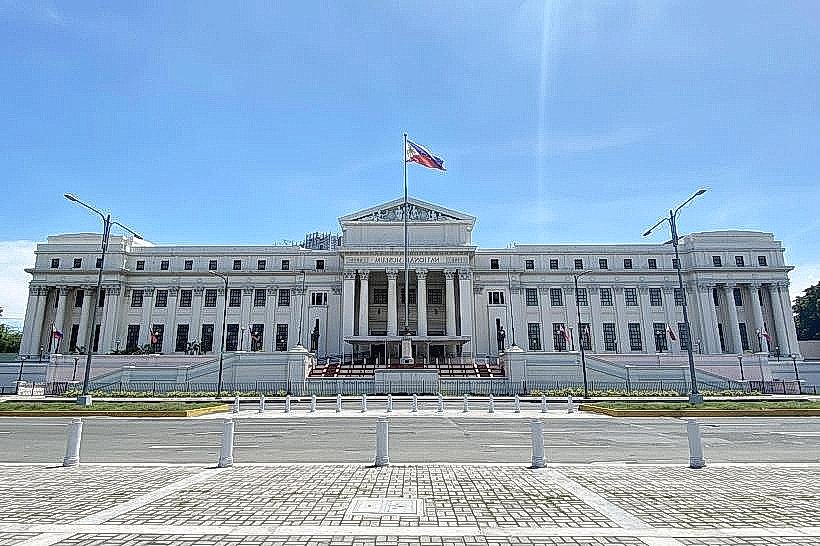
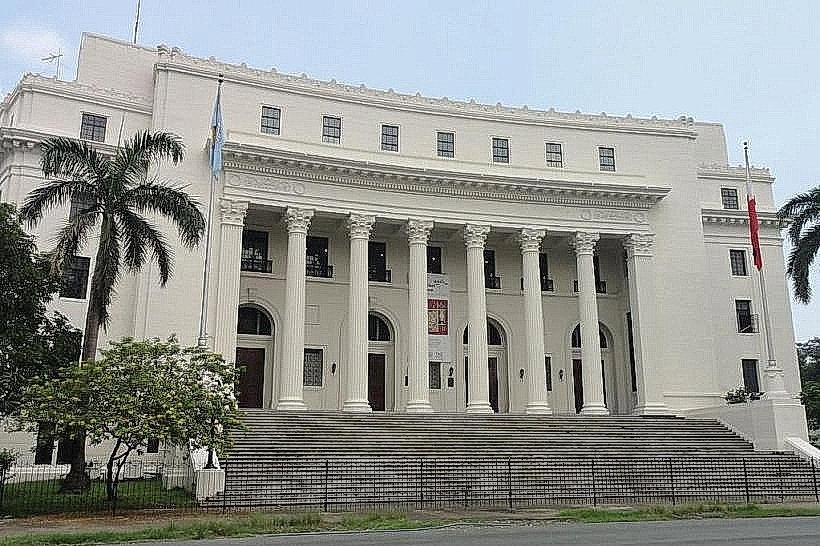
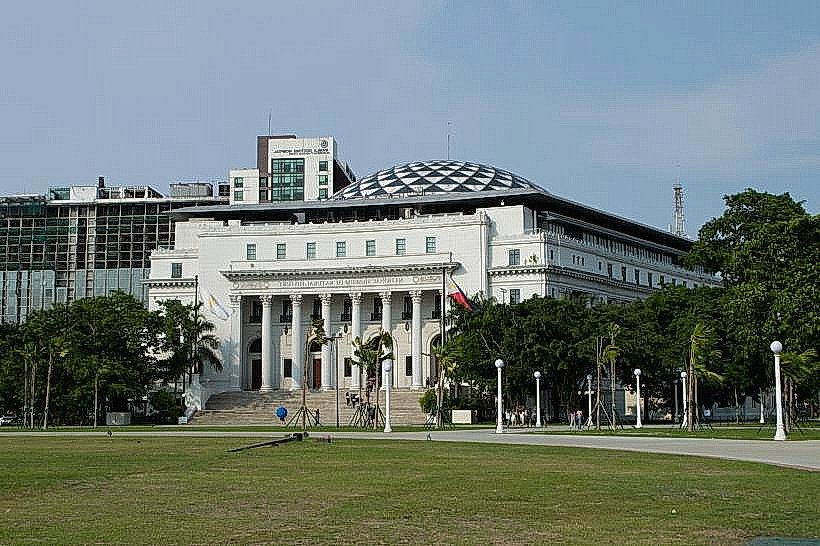
The park features expansive manicured lawns, paved walks, and ornamental gardens. Its focal point is the Rizal Monument, a 12.7-meter granite obelisk topped with a bronze statue. The park is divided into several thematic zones, including a central lagoon with musical fountains, a giant relief map of the Philippines, and traditional gardens. It is bordered by monumental neoclassical buildings housing national museums.
Location & Access Logistics
The park is bounded by Roxas Boulevard to the west and Taft Avenue to the east.
Kilometer Zero: The flagpole directly in front of the Rizal Monument serves as the reference point for measuring all road distances in the Philippines.
Public Transport: It is highly accessible via the LRT-1 (United Nations Station) and numerous jeepney and bus routes passing through Taft Avenue or Roxas Boulevard.
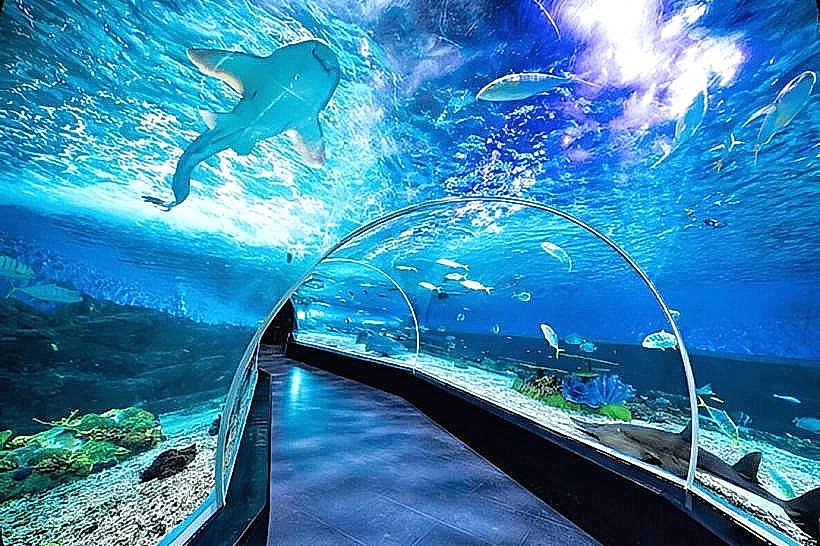
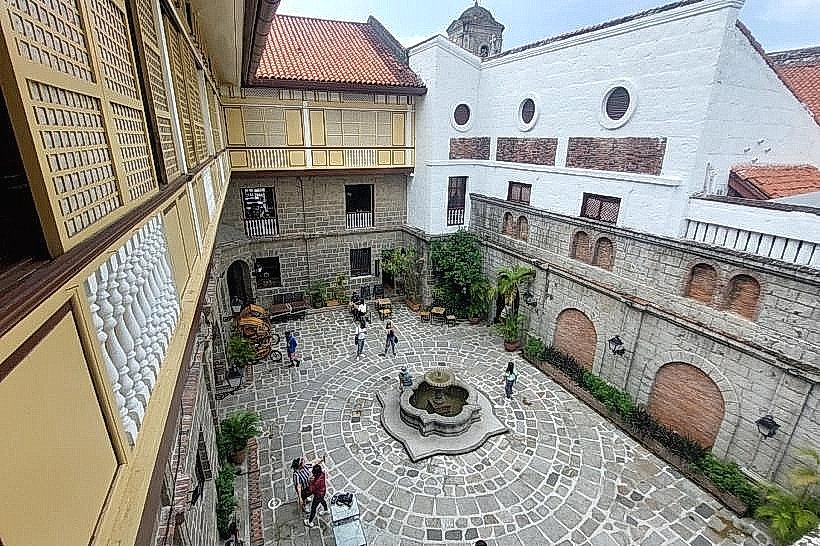
Walking: It is within walking distance from Intramuros and the Manila Ocean Park.
Historical & Ecological Origin
Formerly known as Bagumbayan, the site was a prominent execution ground during the Spanish colonial era. On December 30, 1896, the Philippine national hero, Dr. José Rizal, was executed here, an event that fueled the Philippine Revolution. It was officially converted into a park in the early 20th century. Ecologically, it serves as a critical "green lung" for Manila, hosting over 3,000 trees of varying species and providing a habitat for local urban bird life.
Key Highlights & Activities
Rizal Monument: Guarded 24/7 by the Philippine Marine Corps, this monument contains the remains of José Rizal.
National Museum Complex: The National Museum of Fine Arts, Anthropology, and Natural History are situated on the park's eastern edges.
Chinese and Japanese Gardens: Walled enclosures featuring traditional architecture, koi ponds, and bridges.
Musical Fountain: A high-tech water and light show held every evening at the central lagoon.
Quirino Grandstand: The site of presidential inaugurations and major national civic events at the western end of the park.
Infrastructure & Amenities
The park offers paved jogging paths, public restrooms, and multiple security outposts. While entry to the main park is free, some specific gardens (Chinese/Japanese) and the "Martyrdom of Rizal" light and sound show require a nominal entrance fee. There are designated areas for picnics and street food stalls located near the perimeter.
Best Time to Visit
The optimal time for a visit is between 07:00 and 09:00 to observe locals practicing Arnis (Filipino martial arts) and Tai Chi, or between 17:00 and 20:00 to enjoy the cooler breeze and the evening fountain shows. The park is most vibrant on Sundays and public holidays.
Facts & Legends
The Rizal Monument is the most famous landmark in the Philippines; its bronze statue was actually cast in Switzerland before being shipped to Manila. A local legend suggests that the park's central lagoon was designed to resemble the shape of a traditional Filipino boat, symbolizing the country's maritime heritage.
Nearby Landmarks
Intramuros (Walled City): 0.5 km North
National Museum of Natural History: 0.1 km East
Manila Ocean Park: 0.7 km West
National Library of the Philippines: 0.2 km South
Manila Hotel: 0.4 km West